1. ArchDaily
  2. Architecture and Dance

Architecture and Dance: The Latest Architecture and News

Choreographing Space: Architecture and Dance as Interdisciplinary Practices

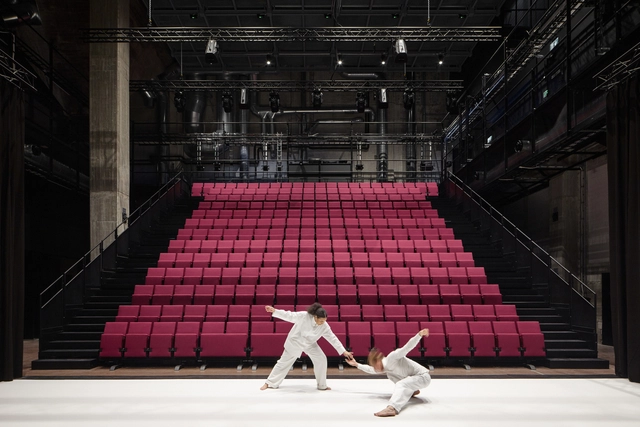
"Dance, dance… otherwise we are lost." This oft-cited phrase by Pina Bausch encapsulates not only the urgency of movement, but its capacity to reveal space itself. In her choreographies, space is never a neutral backdrop, it becomes a partner, an obstacle, a memory. Floors tilt, chairs accumulate, walls oppress or liberate. These are architectural conditions, staged and contested through the body. What Bausch exposes — and what architecture often forgets — is that space is not simply built, it is performed. Her work invites architects to think not only in terms of materials and forms, but of gestures, relations, and rhythms. It suggests that architecture, like dance, is ultimately about how we inhabit, structure, and emotionally charge the spaces we move through.

Historically, architecture and dance have operated in parallel, shaping human experience through the body's orientation in space and time. From the choreographed rituals of classical temples to the axial logics of Baroque palaces, built space has always implied movement. The Bauhaus took this further, as Oskar Schlemmer's Triadic Ballet visualized space as a geometric extension of the body. This was not scenery, but spatial thinking made kinetic. In the 20th century, choreographers like William Forsythe and Anne Teresa De Keersmaeker integrated architectural constraints into their scores, while architects such as Steven Holl, Diller Scofidio + Renfro, and Toyo Ito designed buildings that unfold as spatial sequences, inviting movement, drift, and delay.

Choreographing Space: Architecture and Dance as Interdisciplinary Practices - Image 1 of 4Choreographing Space: Architecture and Dance as Interdisciplinary Practices - Image 2 of 4Choreographing Space: Architecture and Dance as Interdisciplinary Practices - Image 3 of 4Choreographing Space: Architecture and Dance as Interdisciplinary Practices - Image 4 of 4Choreographing Space: Architecture and Dance as Interdisciplinary Practices - More Images+ 35

The San Marino Pavilion Distinguishes Between Host and Guest at the 2023 Venice Architecture Biennale

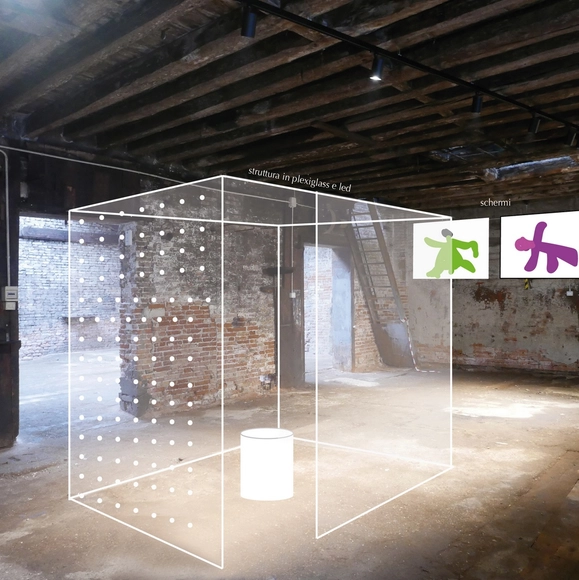
For this year’s annual architecture exhibition – La Biennale di Venezia, the Pavilion of San Marino will present the Hosting Guest project. Curated by Michael Kaethler and Marco Pierini, this intervention is an authentic co-design workshop focused on hospitality-related issues, part of an international and multi-year research project based on real places and needs. Representing the oldest Republic in the world, Artist Vittorio Corsini will participate in the pavilion with the help of a research team of students, designers, and researchers from San Marino, Venetian, and international universities.

The San Marino Pavilion Distinguishes Between Host and Guest at the 2023 Venice Architecture Biennale - Image 1 of 4The San Marino Pavilion Distinguishes Between Host and Guest at the 2023 Venice Architecture Biennale - Image 2 of 4The San Marino Pavilion Distinguishes Between Host and Guest at the 2023 Venice Architecture Biennale - Image 3 of 4The San Marino Pavilion Distinguishes Between Host and Guest at the 2023 Venice Architecture Biennale - Image 4 of 4The San Marino Pavilion Distinguishes Between Host and Guest at the 2023 Venice Architecture Biennale - More Images+ 1

Designing Dance: New Exhibition Traces the Origins and Legacy of Club Culture

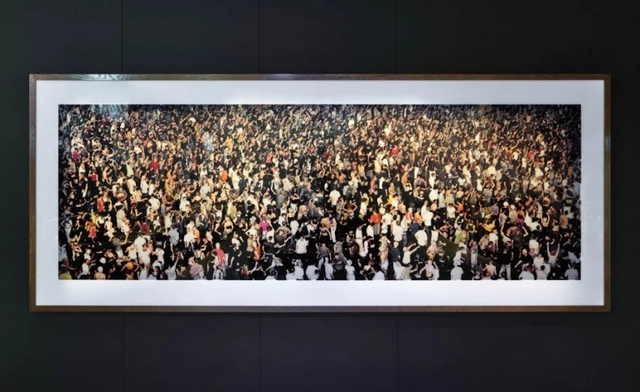
Remember nightclubs? That mask-less, gloveless world where you’d melt into a gyrating, strobe-tinged crowd of hundreds while losing yourself to the ecstatic soul-shuddering beat of electronic dance music (EDM)? Nightclubs and their requisite soundscapes may feel like a distant and potentially panic-inducing memory today, but they have long served as vital spaces of innovation and countercultural resistance. In their fusion of creative cultures, technological innovation, and political protest, clubs are spaces where utopian dreams are born and come to life—at least for the night.

Exploring Architecture Through Vertical Dance

Subscriber Access | 

What do dance and architecture have in common? It's difficult to explain how our experiences of dance are stored in our bodily memory, but central to our recollection of a performance is the architectural space that it inhabited. Although dance may have been the central focus, the site is integral to its experience. Both disciplines are fundamental when exploring the ways we navigate and create cities and urban spaces. 

It's no surprise that many choreographers explore both disciplines: dance and architecture. These pieces question how our bodies navigate through built environments. However, it is important to note that this experimentation is not merely contemplative but speaks to the way specific groups of peoples and cultures operate in their surroundings. In the words of the philosopher Marina Garcés: "The body is no longer what is and binds us to a place, but it is the condition for every place. It is the zero point of all the spatialities that we can experience, and at the same time, all the links that constitute us, materially and psychically."