The project began as a design by Ole Scheeren for local firm Pace Development, and was completed by his own firm following his departure from OMA in 2010. The architects describe the project:
The design of MahaNakhon dismantles the typical tower and podium typology, creating a skyscraper that melds with the city by gradually ‘dissolving’ as it flows downward to meet the ground. A series of cascading indoor/outdoor terraces at the base of the tower accommodates retail and entertainment facilities, evoking the shifting protrusions of a mountain landscape.
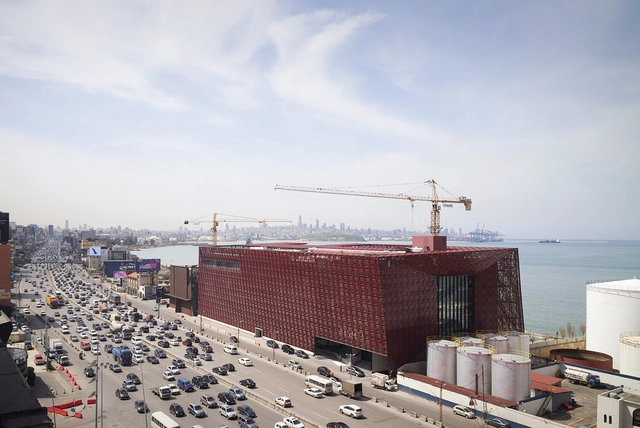
In this series, photographer Julien Lanoo turns his camera toward Adjaye Associates' Aishti Foundation in Beirut, a shopping center and museum showcasing the private contemporary art collection of Tony Salamé, the founder of Lebanese luxury retailer Aishti.
Located on a coastal brownfield site in central Beirut, the building integrates the two distinct programs by establishing what the architects call a "celebration of views into the spaces as well as a homogenising tiled design that presents a language throughout the building’s floor, façade and roof." Interior spaces are organized around a reflective central atrium, while an undulating landscape along the water reclaims seaside public space, and opens up views over the city of Beirut.
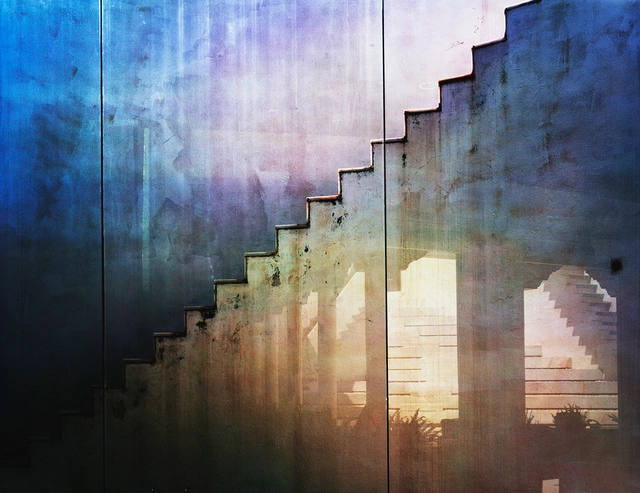
The exhibition 'Sketches of Spain' by photographer Ola Kolehmainen has been recently shown in Barcelona at the SENDA Gallery. The exhibition summarized the last ten years of Kolehmainen’s work. In 2015, the artist was awarded the RIBA Honorary Fellowship for his contribution in promoting the architecture of his generation.
With his particular vision, Ola Kolehmainen seeks to show the constant abstractions that are partially hidden in modern architecture. His photography is dramatic and inspiring, we can find pieces of European avant-garde mixed with the crudeness of the materials and their uses. With minimal format, he shows us details we normally miss completely from well-known works such as the Barcelona Pavilion by Mies Van der Rohe (key architect in Kolehmainen's work), or the Niemeyer Center in Avilés, by Oscar Niemeyer.
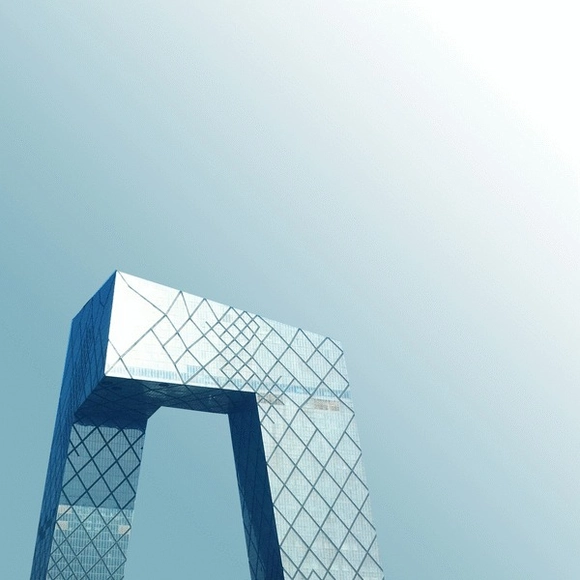
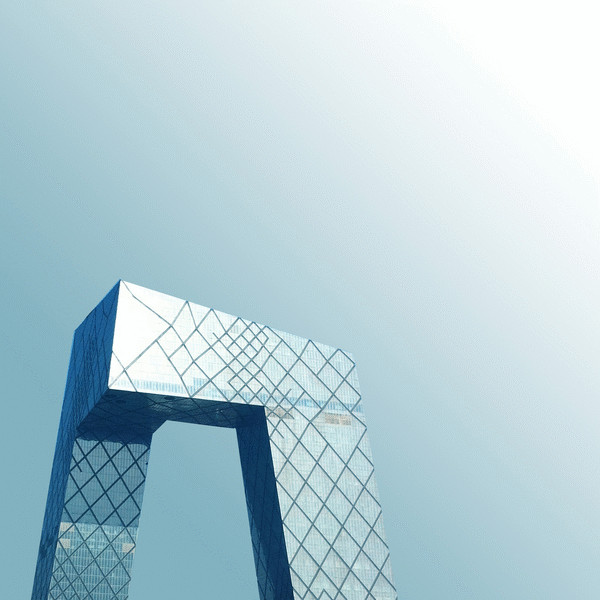
A simultaneous celebration of their cultural iconicity and distillation from their various contexts, Beautified China is a photographic essay by Kris Provoost (one-half of the vlogging duo behind #donotsettle) that tracks the evolution of Chinese architectural landmarks over the course of the past 7 years. Beginning his investigation with the 2010 World Expo in Shanghai, Provoost considers a decade of architecture proposed for China by the profession’s biggest names, many of which have been built now with monumental reputations in rising cities.
The Sony World Photography Awards has announced the winners of the architectural category of their 2017 Open Category awards program. Taking home the top prize was Tim Cornbill of the United Kingdom, for “Oculus,” his capture of a geometric concrete facade found along the River Spree in Berlin.
“As an architect, I’m passionate about capturing buildings, and I’m always on the lookout for photogenic designs. I was really struck by the sheer scale of this façade and the visual impact of the circle, which I hope I’ve been able to convey in this everyday street scene,” ,” said Cornbill of his winning image. “I am truly thrilled to have been recognised in the world’s largest photography competition and it will be amazing to see the photo exhibited in London.”
Available to enter for any photographer, the Open competition received more than 105,000 entries across ten categories ranging from wildlife to street photography. Check out all the shortlisted images for the architecture category after the break.
Known as one of the world’s grandest subway systems, the Moscow Metro is filled with materials more commonly associated with palaces or museums – marble and granite walls, bronze columns, and lavish chandeliers are just a few of the opulent textures you’ll find beneath the streets of Russia’s largest city.
Despite their renown, the Moscow government almost never allows professional photographers to capture the beauty of the stations. But in 2014, photographer David Burdney was finally given that opportunity. Visiting the system late at night after the metro had closed, Burdney was able to capture each station in its best light, and completely devoid of people.
https://www.archdaily.com/868147/these-photographs-capture-the-opulent-beauty-of-empty-moscow-metro-stationsAD Editorial Team
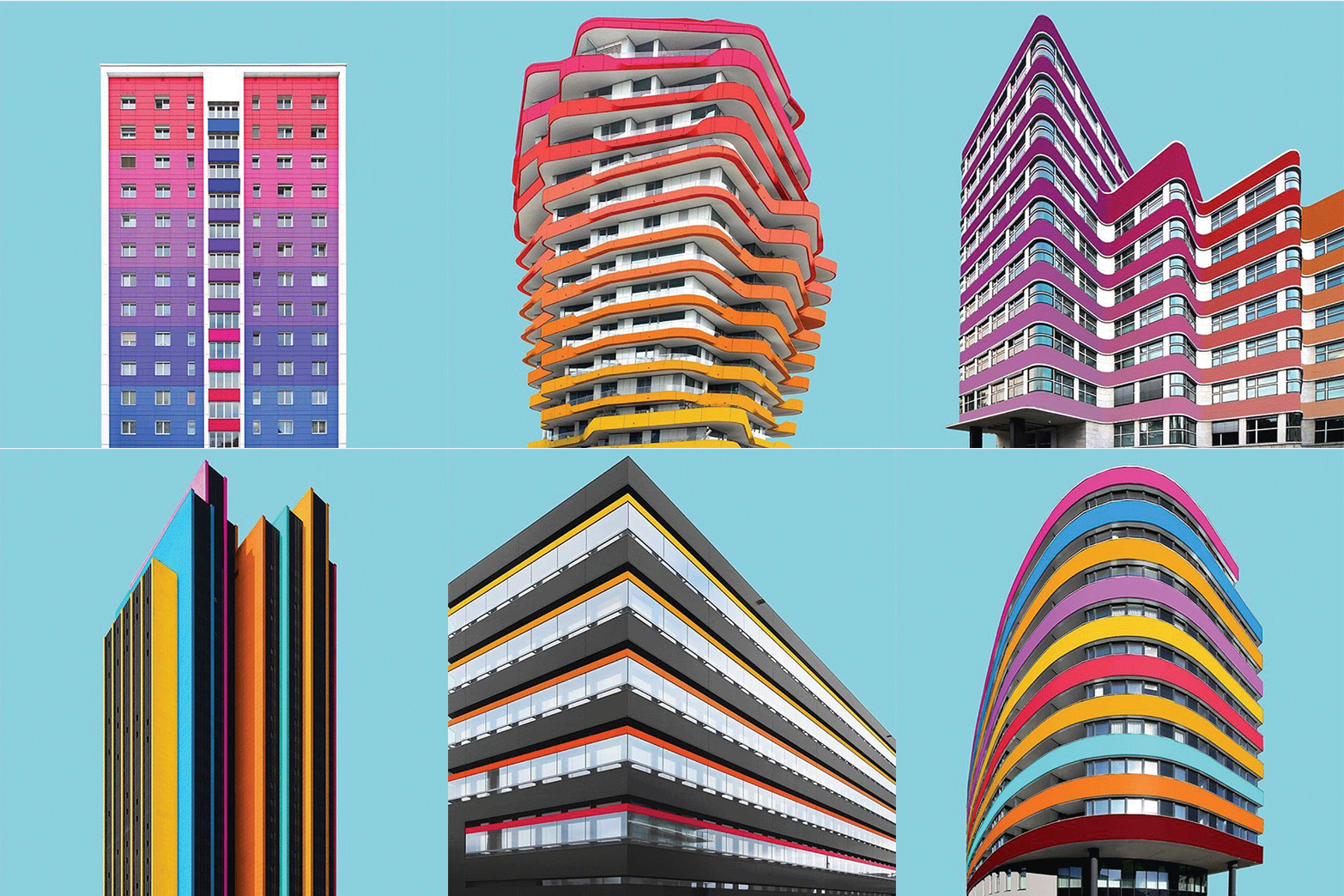
In any city across the world, there are countless examples of unsung architecture – well-designed if inoffensive buildings that strive to please by not standing out from the crowd. For German photographer Paul Eis, these buildings provide the perfect canvas for his work. Displayed on his Instagram account, the_architecture_photographer, Eis captures these buildings in their best light, and then digitally adds in bright colors, elevating these structures from mundane to magnificent.
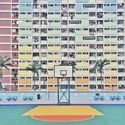
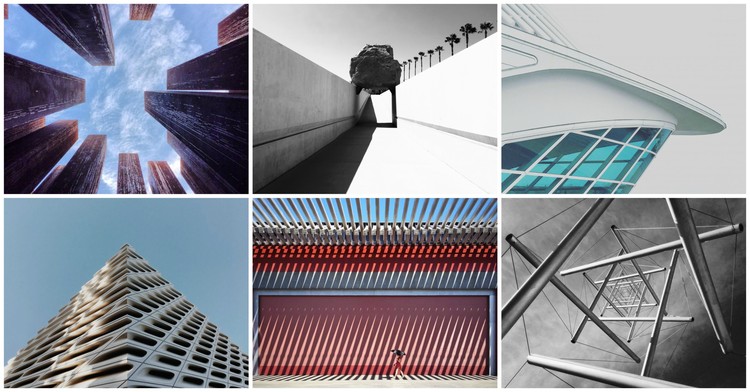
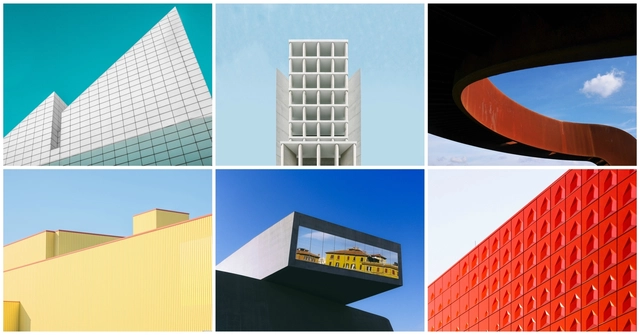
Global photography community and marketplace EyeEm has announced the winners of their Minimalist Architecture Photography Mission to find photos that best highlight “the beauty of minimalism in architecture.” Organized alongside art and design blog We and the Color, the competition saw photographers from across the globe submit over 45,000 images focusing on the color, lines, shapes, and compositions of contemporary, minimalist architecture.
From the entries, 20 images were selected as winners with a top 3 was chosen by German minimalist photographer Matthias Heiderich. Read on to see the full list of winners.
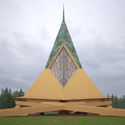
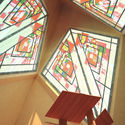
With the help of a vast array of software, Spanish architect David Romero has digitally recreated a series of iconic works by Frank Lloyd Wright, two of which have been demolished and a third that was never built. The three projects were based in the United States: the Larkin Administration Building (1903-1950), the Rose Pauson House (1939-1943) and the Trinity Chapel (1958).
"The 3D visualization tools that we have are rarely used to investigate the past architecture and the truth is that there is a huge field to explore,” said Romero in an interview with ArchDaily about his project Hooked on the Past. Romero worked with AutoCAD, 3ds Max, Vray, and Photoshop while restoring black and white photographs, sketches and drawings of these works.
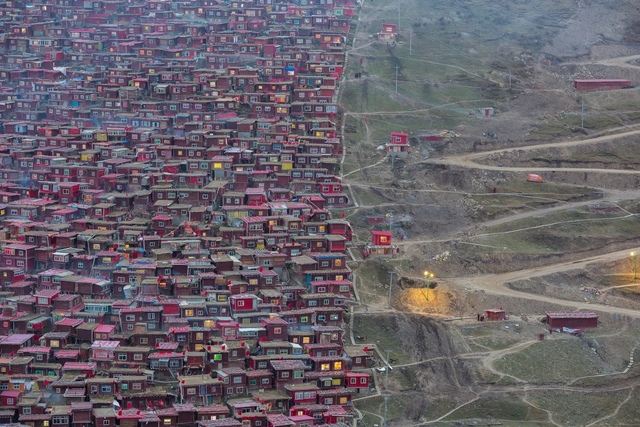
With subjects ranging from the windswept wonderland of an empty New York City to a rapidly changing Tibetan hillside village to a dreamy shot of Foster + Partners’ Swiss Re Headquarters ( a.k.a. “The Gherkin”) this year’s entries constitute a “cornucopia of styles and stories,” says CIOB spokesman Saul Townsend.
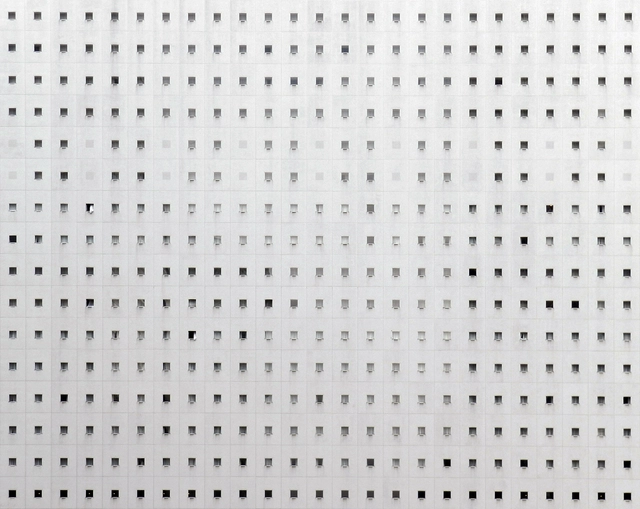
Nikola Olic, an architectural photographer based in Dallas, Texas, has a thematic focus on capturing and reimagining buildings and sculptural objects in "dimensionless and disorienting ways." His studies, which often isolate views of building façades, frame architectural surfaces in order for them to appear to collapse into two dimensions. "This transience," he argues, "can be suspended by a camera shutter for a fraction of a second." In this second series shared with ArchDaily, Olic presents a collection of photographs taken in Barcelona, Dallas, New York City and Los Angeles.
Photographer: Matt Emmett - Building: Covered Reservoir, Finsbury Park, London, United Kingdom / East London Water Works Company 1868. . Image via Arcaid Images
Matt Emmett’s photograph of the East London Water Works Company covered reservoir in Finsbury Park, built 1868, has been named the winner of the 2016 Arcaid Images Architectural Photography Award. Announced on the final day of the World Architecture Festival (WAF) in Berlin, the image was notable for being the first winner to feature a historic location as its subject, and drew comparisons to a Piranesi print.
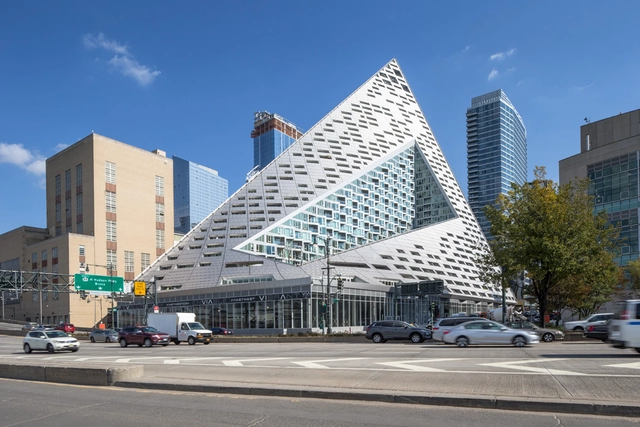
Architectural photographer Danica O. Kus has shared with us new images of BIG’s VIA 57 West. Having opened earlier this year, the “courtscraper” has already been the recipient of several awards, including its unanimous victory of the 2016 International Highrise Award last week. This new photoset takes us inside the public and private spaces of the 32-story building, including interior shots of the lobby, lounge, pool and the residential units.
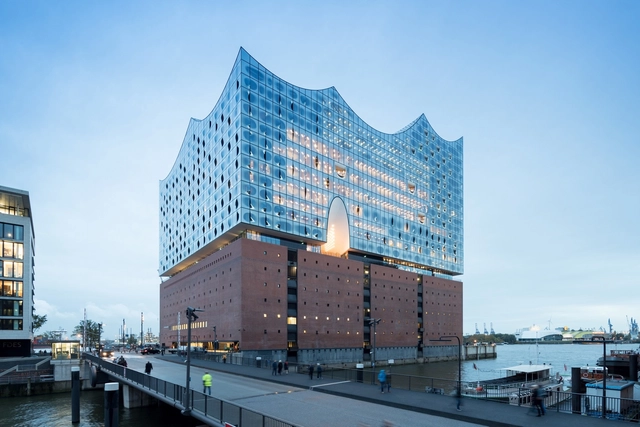
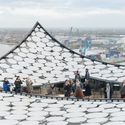
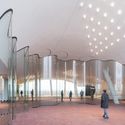
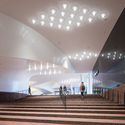
The Plaza of Herzog & de Meuron’s Elbphilharmonie has opened to the public. The concert hall’s observation deck, located 37 meters (121 feet) above ground level, is designed around a public square concept and is accessed via a 82 meter (269 foot) long, curving escalator, providing visitors to panoramic views of the city and harbor.
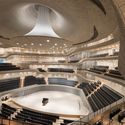
To mark the event, the Elbphilharmonie has released a new set of photographs by Iwan Baan, showing off the newly completed interior spaces. The full building is set to officially open to the public on January 11 and 12, 2017.
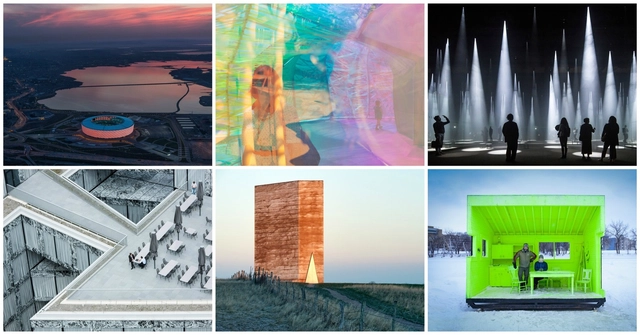
Arcaid has shortlisted 20 of the year’s best architectural photographs in the running for the 2016 Arcaid Images Architectural Photography Awards. The annual award presents prizes in four categories - Exteriors, Interiors, Sense of Place, and Building in Use - and judged by an esteemed panel on their atmospheric quality, composition, use of scale and more.
This year, judges for the award include Emily Booth, executive editor of The Architectural Review; artist and Sto Werkstatt curator Amy Croft; Katy Harris, director of communications at Foster + Partners; architect Kai-Uwe Bergmann of BIG and photographers Fernando Guerra and Ulrich Müller.
The photographs will be showcased at World Architecture Festival from November 16-18 in Berlin, Germany, where the overall winner will be announced. The shortlist of 20 images is as follows:
The iPhone Photography Awards (IPPAWARDS) has announced the winners of the 2016 edition of the annual competition. Founded in 2007, the same year as the release of the first iPhone, IPPAWARDS is the first and longest running iPhone photography competition. Now in its 9th year, the awards continue to select the best images taken by iPhone, iPad or iPod touch from a variety of categories including Landscape, Animals, People, Still Life and Architecture.
This year’s architecture category was won by Jian Wang of Beijing China for his shot “China Red,” taken at the Beijing Olympic Park. Second and third prizes were awarded to Patryk Kuleta for two shots from his series, “Modern Cathedrals.” Kuleta was also selected as the IPPAWARDS Photographer of the Year for the series, which featured layered-exposure captures of historic cathedrals in Warsaw and Strasbourg.
Continue after the break to see the three winners and honorable mentions.
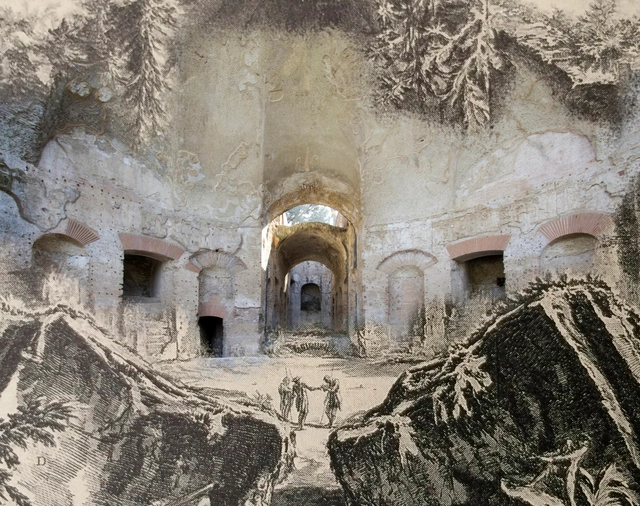
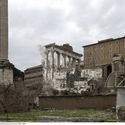
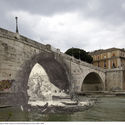
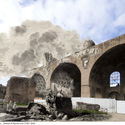
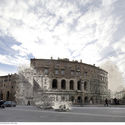
Driven by an intrigue in the ruination of Roman architecture, Brazilian architect, and photographer Olympio Augusto Ribeiro has undertaken a fascinating comparative analysis of Giovanni Battista Piranesi's architectural etchings and the scenes as they stand today. Travelling to each of the Italian sites brought to life in Piranesi's drawings, Ribeiro has managed to recreate the original angle and shot, eventually compositing them together to create collages which cross time periods.
Piranesi's drawings show different architectural styles side by side, and it was this coexistence that urged Ribeiro to investigate what has changed in Rome and Tivoli since their conception. The project, officially dubbed "Piranesi Project (In search of Giovanni Battista Piranesi’s Rome, 1720-1778)" took Ribeiro two months to photograph, meticulously recreating the images across Rome, Villa Adriana, and Tivoli.













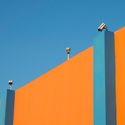
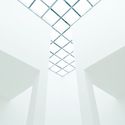


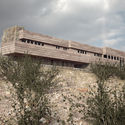
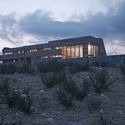

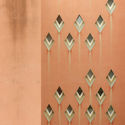
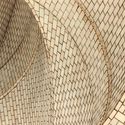
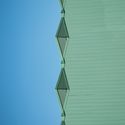
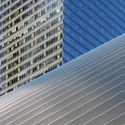

.jpg?1479757131&format=webp&width=640&height=580)
.jpg?1479756827 "© Laurian Ghinitoiu")
.jpg?1479756994 "© Laurian Ghinitoiu")
.jpg?1479756858 "© Laurian Ghinitoiu")
.jpg?1479757009 "© Laurian Ghinitoiu")
.jpg?1479757131)
.jpg?1479501638&format=webp&width=640&height=580)