1. ArchDaily
  2. Architectural Design & Research

Architectural Design & Research: The Latest Architecture and News

Expanding Practice: Architecture Think Tanks at the Intersection of Research and Design

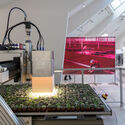
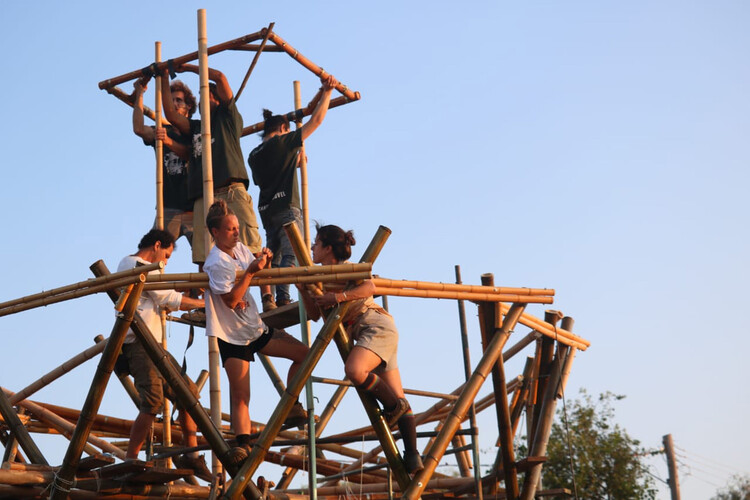
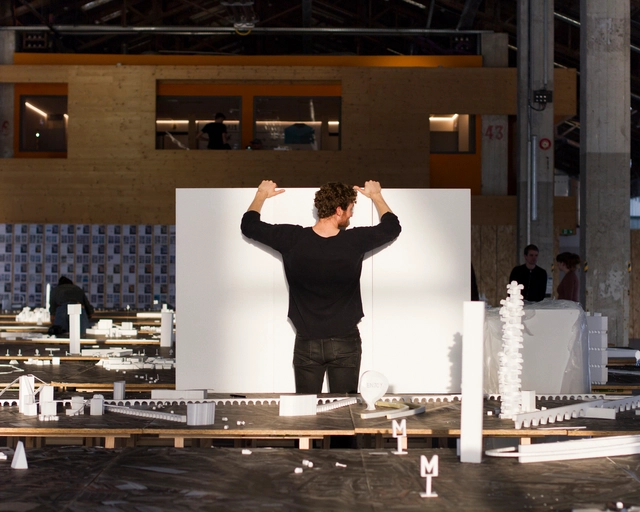
In architecture, most practices revolve around delivering projects to clients. Offices are shaped by deadlines, budgets, and clear briefs. While this structure produces buildings, it rarely leaves space for architects to question broader issues — about how we live, how cities are changing, or what the future demands of design. But alongside this production-focused system, a quieter movement has emerged: studios, collectives, and foundations that prioritize research, experimentation, and reflection. These are the architecture think tanks — spaces designed not to build immediately, but to think first.

The idea of a think tank is not new. Traditionally found in politics, economics, or science, think tanks bring together experts to study complex problems and propose solutions. In architecture, their rise reveals a tension at the heart of the discipline. If architecture is to remain socially and environmentally relevant, can it continue to rely only on client-driven practice? Or must it carve out space for slower, deeper inquiry?

Expanding Practice: Architecture Think Tanks at the Intersection of Research and Design - Image 1 of 4Expanding Practice: Architecture Think Tanks at the Intersection of Research and Design - Image 2 of 4Expanding Practice: Architecture Think Tanks at the Intersection of Research and Design - Image 3 of 4Expanding Practice: Architecture Think Tanks at the Intersection of Research and Design - Image 4 of 4Expanding Practice: Architecture Think Tanks at the Intersection of Research and Design - More Images+ 48

Teaching Empathy: New Approaches to Architecture Education in Latin America

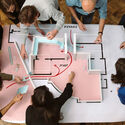
Historically, the first universities in the contemporary model were established in Europe to educate elites for the State and the Church, rather than to promote social emancipation. With the rise of capitalism, they became privileged centers for producing and reproducing modern Western culture. However, from the 1960s onward—particularly after the student uprisings of May 1968—the academic focus shifted toward market-oriented values, displacing humanist and critical ideals. The humanities lost prominence, while technical fields gained central importance, often at the expense of reflecting on the social impact of their work.

Teaching Empathy: New Approaches to Architecture Education in Latin America - Image 1 of 4Teaching Empathy: New Approaches to Architecture Education in Latin America - Image 2 of 4Teaching Empathy: New Approaches to Architecture Education in Latin America - Image 3 of 4Teaching Empathy: New Approaches to Architecture Education in Latin America - Featured ImageTeaching Empathy: New Approaches to Architecture Education in Latin America - More Images+ 6

"Nature is an Incredible Teacher": Jenny Sabin on the Fusion of the Digital, Biological and Physical in Louisiana Channel Interview

Jenny E. Sabin is an American architect, designer, and educator known for her work at the intersection of architecture, computation, and biomaterials. She integrates digital fabrication, responsive materials, and bio-inspired design into her architectural practice and runs an experimental architecture studio, Jenny Sabin Studio, based in Ithaca, NY. In this interview with Louisiana Channel, she shares her personal journey from artist to scientist, explains how biological and material systems can be applied at an architectural scale, and discusses her teaching and research roles at Cornell University. She elaborates on her interest in bringing people together through new strategies for responsive and adaptive architecture. In her view, the connections between the digital, the physical, and the biological define a paradigm shift in the evolution of architecture, converging with other realms of physical experience to create a more interconnected future.

"Nature is an Incredible Teacher": Jenny Sabin on the Fusion of the Digital, Biological and Physical in Louisiana Channel Interview - Featured Image"Nature is an Incredible Teacher": Jenny Sabin on the Fusion of the Digital, Biological and Physical in Louisiana Channel Interview - Image 3 of 4"Nature is an Incredible Teacher": Jenny Sabin on the Fusion of the Digital, Biological and Physical in Louisiana Channel Interview - Image 1 of 4"Nature is an Incredible Teacher": Jenny Sabin on the Fusion of the Digital, Biological and Physical in Louisiana Channel Interview - Image 2 of 4Nature is an Incredible Teacher: Jenny Sabin on the Fusion of the Digital, Biological and Physical in Louisiana Channel Interview - More Images+ 2

The Rise of Co-Living Spaces for Young Professionals in East Asia: 5 Projects Redefining Flexible Living

Subscriber Access | 

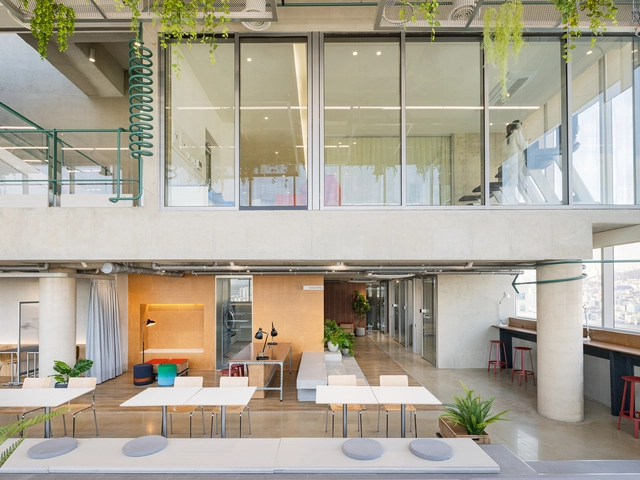
Co-living in East Asia has been rising since 2020, rapidly expanding while remaining in its early stages. At the same time, it continues to fulfill a significant demand from young professionals working in major cities. A 2020 study by real estate services firm JLL highlighted the growing demand for co-living in China and Singapore, citing key advantages such as affordability compared to private studio apartments and a contemporary urban lifestyle that fosters openness and shared experiences. Much like other industries where ownership is becoming less relevant—such as streaming services for music, films, and television, or mobility solutions like car- and bike-sharing—co-living appeals to a similar demographic that values flexibility and access over long-term commitments.

Unlike co-living initiatives in Spain, which often focus on multigenerational shared spaces, East Asian co-living primarily targets young professionals with dynamic career paths. Often required to relocate every few years, these individuals prioritize convenience and adaptability over investing in a permanent home. For them, committing to a long-term residence may not be practical, making fully furnished, professionally managed co-living spaces with built-in amenities and hygiene services an attractive option. These environments cater to fast-paced urban lifestyles, where networking at professional events often precedes solitary downtime at home.

The Rise of Co-Living Spaces for Young Professionals in East Asia: 5 Projects Redefining Flexible Living  - Image 1 of 4The Rise of Co-Living Spaces for Young Professionals in East Asia: 5 Projects Redefining Flexible Living  - Image 2 of 4The Rise of Co-Living Spaces for Young Professionals in East Asia: 5 Projects Redefining Flexible Living  - Image 3 of 4The Rise of Co-Living Spaces for Young Professionals in East Asia: 5 Projects Redefining Flexible Living  - Image 4 of 4The Rise of Co-Living Spaces for Young Professionals in East Asia: 5 Projects Redefining Flexible Living  - More Images+ 26

Holcim and the Norman Foster Foundation to Announce Essential Houses Research Project at the 2023 Venice Biennale

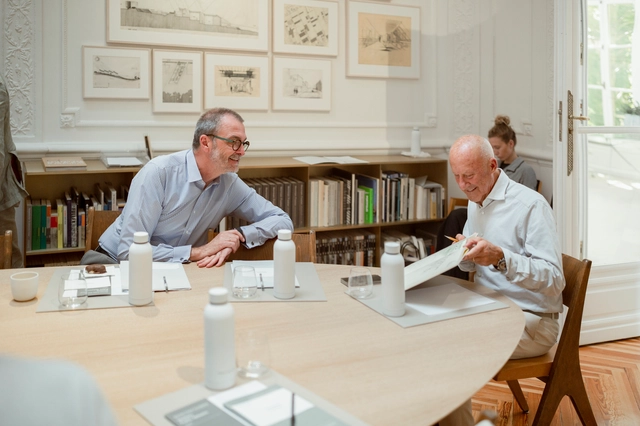
During the 2023 Architectural Biennale in Venice, Holcim and the Norman Foster Foundation will announce the start of their Essential Houses Research Project. Through this collaboration, the Norman Foster Foundation created necessary housing to give displaced communities safety, comfort, and welfare while allowing them to live in temporary settlements for over 20 years. To make sustainable buildings accessible to everyone, Holcim constructed these necessary homes using various green products, such as Elevate Insulation Boards and ECOPact low-carbon concrete.

"With Intention to Build", Moshe Safdie’s Exhibition of Unbuilt Projects Opens in Boston, USA

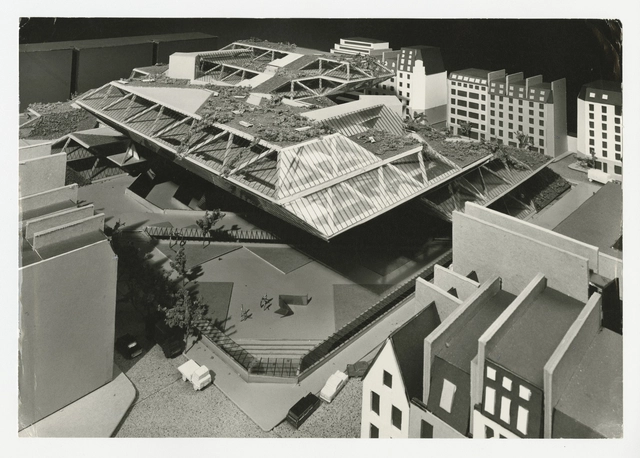
From October 2022 through January 2, 2023, The Boston Architectural College (BAC) and Safdie Architects will display the most groundbreaking unbuilt projects by Moshe Safdie. With Intention to Build showcases the architect's creative process throughout the 55 years of his career, including models, drawings, and various texts and photographs. The exhibition provides context and tells the story behind these radical unrealized designs that have influenced projects such as Habitat 67 in Montreal, Canada, and Marina Bay Sands in Singapore.

"With Intention to Build", Moshe Safdie’s Exhibition of Unbuilt Projects Opens in Boston, USA - Image 1 of 4"With Intention to Build", Moshe Safdie’s Exhibition of Unbuilt Projects Opens in Boston, USA - Image 2 of 4"With Intention to Build", Moshe Safdie’s Exhibition of Unbuilt Projects Opens in Boston, USA - Image 3 of 4"With Intention to Build", Moshe Safdie’s Exhibition of Unbuilt Projects Opens in Boston, USA - Image 4 of 4With Intention to Build, Moshe Safdie’s Exhibition of Unbuilt Projects Opens in Boston, USA - More Images+ 7

10 Images of Architecture Reflected in Water

Subscriber Access | 

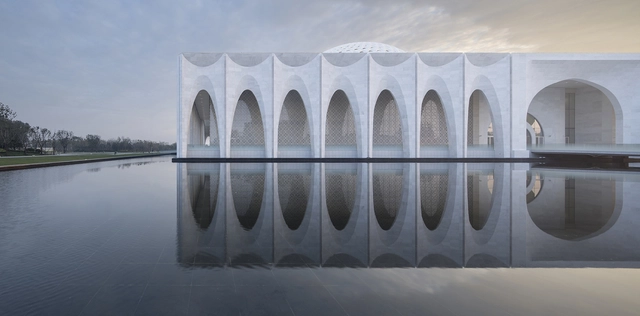
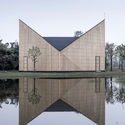
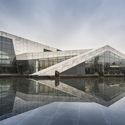
This week we have prepared a selection of photographs in which reflections in water is used as the main compositional element. In these images, the surface qualities of the water play a fundamental role in giving the composition its final effect—either acting as a perfect mirror or giving a diffuse touch. Below is a selection of 10 images from prominent photographers such as Lu Hengzhong, Yao Li, and Nico Saieh.

10 Images of Architecture Reflected in Water - Image 1 of 410 Images of Architecture Reflected in Water - Image 2 of 410 Images of Architecture Reflected in Water - Image 3 of 410 Images of Architecture Reflected in Water - Image 4 of 410 Images of Architecture Reflected in Water - More Images+ 6