1. ArchDaily
  2. ArchDaily Topic

ArchDaily Topic: The Latest Architecture and News

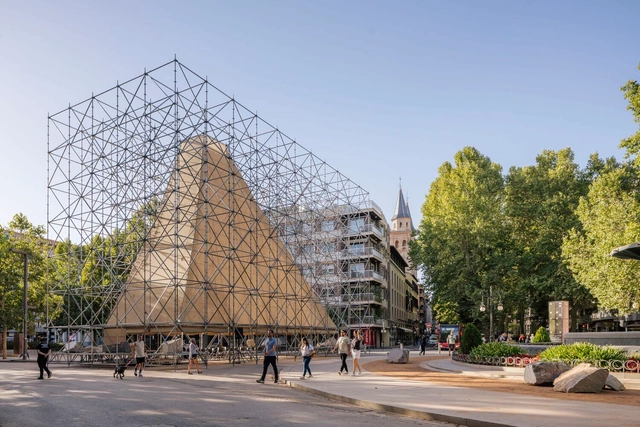
Built to (Not) Last: How Reversible Architecture Is Redefining the Way We Build

What if we imagined buildings as living systems, designed for assembly and disassembly with minimal impact? A form of open, modular, and adaptable architecture designed to evolve with its surroundings, responding to seasonal changes and on-demand needs instead of remaining static. At first glance, the idea seems paradoxical, as many buildings were constructed to last, designed to endure, resist the effects of time, and avoid demolition. Because of this, reversing or undoing could be seen as a setback. But what if that way of thinking no longer fits every scenario?
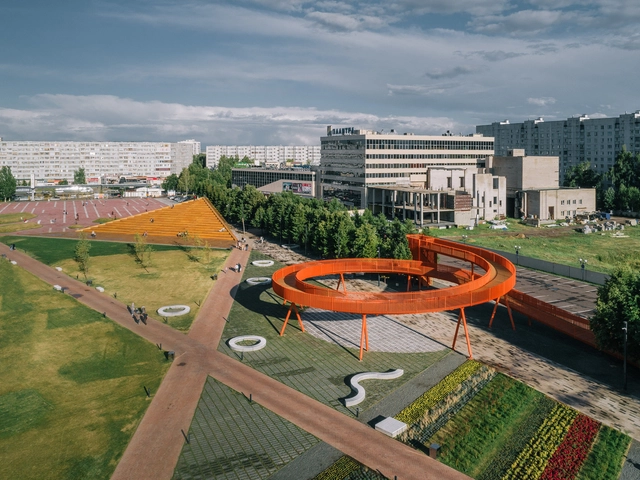
Designing Inclusive Cities: The Role of Universal Design in Creating Accessible Urban Atmospheres

Contemporary cities are vibrant, complex, and constantly evolving. Above all, they are ever-changing, mutable, and diverse. What transformative changes are occurring, and where are they leading us? Urbanization continues to gain momentum in many regions of the world, generating visible and structural transformations. As this unfolds, data on the evolution of its configuration and the challenges we encounter begin to emerge. According to the World Bank, the urban population will continue to trend upward, with 90% of new urban residents concentrated in Africa and Asia. This growth raises essential questions: How can we consolidate a design approach that ensures equitable access to spaces, resources, and services? How can we make emerging and consolidated metropolises more inclusive and accessible?

Are Modular Seating Systems Redefining Our Perception of Public Spaces?

What is our vision of public spaces from the past? Consider, for instance, a park—arguably the most iconic example of this typology. It is an environment designed with winding paths and rest areas, where we often find tables and fixed benches, positioned along the way. Its design prioritizes permanence and contemplation. But when we turn to the present, how do we envision it now? Indeed, the traditional concept of public space has not disappeared entirely. However, our way of interacting with it has changed, driven by the need for flexibility in ever-changing environments. This shift has sparked the exploration of new design approaches. As a result, modular seating systems have become a dynamic field of experimentation, continuously adapting to changing uses and perceptions.

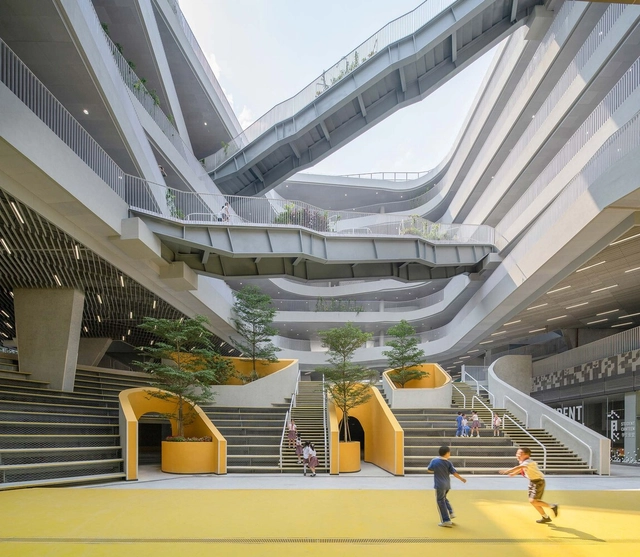
Designing the School of the Future: Multifunctional Spaces for Dynamic Learning

The 21st century has dramatically transformed school architecture, driven by new educational philosophies, technological progress, and social values emphasizing sustainability and inclusion. This change goes beyond mere aesthetics, deeply reshaping how physical spaces contribute to education. Traditional narrow hallways and rows of desks have been replaced by dynamic, flexible spaces that are well-integrated with their surroundings and the community. These modern designs prioritize versatility and multifunctionality.

Designing the School of the Future: Multifunctional Spaces for Dynamic Learning - Image 1 of 4Designing the School of the Future: Multifunctional Spaces for Dynamic Learning - Image 2 of 4Designing the School of the Future: Multifunctional Spaces for Dynamic Learning - Image 3 of 4Designing the School of the Future: Multifunctional Spaces for Dynamic Learning - Image 4 of 4Designing the School of the Future: Multifunctional Spaces for Dynamic Learning - More Images+ 8

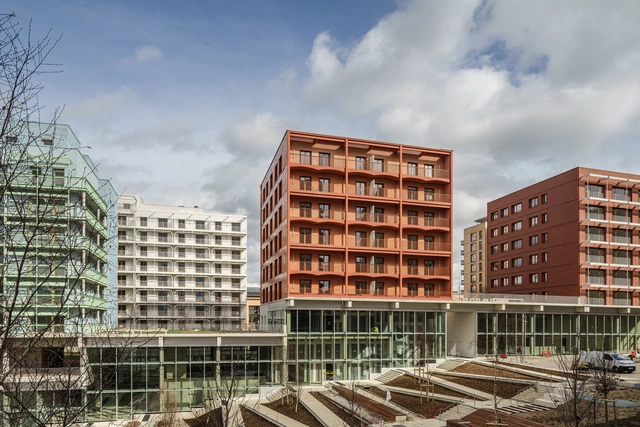
Beyond Sports: 10 Reversible and Multifunctional Olympic Villages

The first Olympic village was built for the 1924 Summer Games in Paris. Before this, athletes stayed in hotels, hostels, schools, headquarters, and even on the ships that brought them to the host cities. Pierre de Coubertin, co-founder of the International Olympic Committee (IOC), proposed the idea of an Olympic village. He realized it would be more cost-effective to house athletes in temporary structures rather than hotels. He believed the village would also create a sense of community among the international competitors.

Beyond Sports: 10 Reversible and Multifunctional Olympic Villages - Image 1 of 4Beyond Sports: 10 Reversible and Multifunctional Olympic Villages - Image 2 of 4Beyond Sports: 10 Reversible and Multifunctional Olympic Villages - Image 3 of 4Beyond Sports: 10 Reversible and Multifunctional Olympic Villages - Image 4 of 4Beyond Sports: 10 Reversible and Multifunctional Olympic Villages - More Images+ 7