1. ArchDaily
  2. Anthropocene

Anthropocene: The Latest Architecture and News

The Architecture of Rewilding: Designing for Ecosystem Recovery

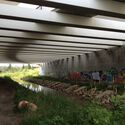
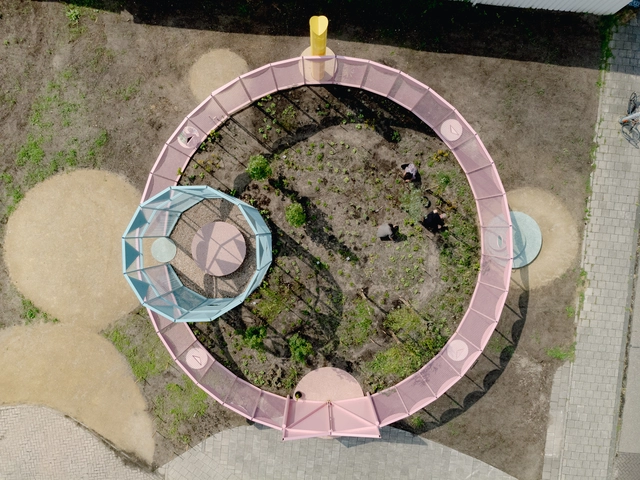
As climate instability reshapes design priorities, architecture is increasingly drawn into ecological debates not as a spectator but as a participant. Among the concepts gaining traction is rewilding, a practice rooted in the restoration of self-sustaining ecosystems through the reintroduction of biodiversity, the removal of barriers, and the rebalancing of human presence in the landscape. Though often associated with conservation biology, rewilding also opens up new spatial and architectural imaginaries — ones that challenge conventional notions of permanence, authorship, and use.

The Architecture of Rewilding: Designing for Ecosystem Recovery - Image 1 of 4The Architecture of Rewilding: Designing for Ecosystem Recovery - Image 2 of 4The Architecture of Rewilding: Designing for Ecosystem Recovery - Image 3 of 4The Architecture of Rewilding: Designing for Ecosystem Recovery - Image 4 of 4The Architecture of Rewilding: Designing for Ecosystem Recovery - More Images+ 68

How Can Architecture be Designed to Reflect Human Behavior?

Subscriber Access | 

Architecture is the design of spaces for human occupation. Despite architects’ skill in designing spaces to influence human behavior there often is a shortfall in anticipating and reacting to occupants’ behavior. To create environments that boost well-being, productivity, and social engagement, a symbiotic relationship between buildings and human behavior must be fostered. The intersection of architectural and anthropological studies forms an insightful framework for the design of physical spaces informed by human behavior and cultural context.

The City as an Organism

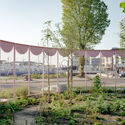
Nature has continually played muse to architects. Colors and forms from the natural world find themselves embedded in artificial edifices. Buildings are also shaped by patterns of the wind and sun, topography, and vegetation. While architecture is informed by the effects of nature, buildings have been proposed as inert objects that remain static in a biologically evolving world. Anthropocentric concrete “jungles” are devoid of life, separating humans from natural environments and causing imbalances that have manifested as pandemics. What would cities look like if there were no boundaries between humans and ecosystems?

The City as an Organism  - Image 1 of 4The City as an Organism  - Image 2 of 4The City as an Organism  - Image 3 of 4The City as an Organism  - Image 4 of 4The City as an Organism  - More Images+ 5

Architectural Salvage: Cultural Hotspots using Adaptive Reuse

Subscriber Access | 

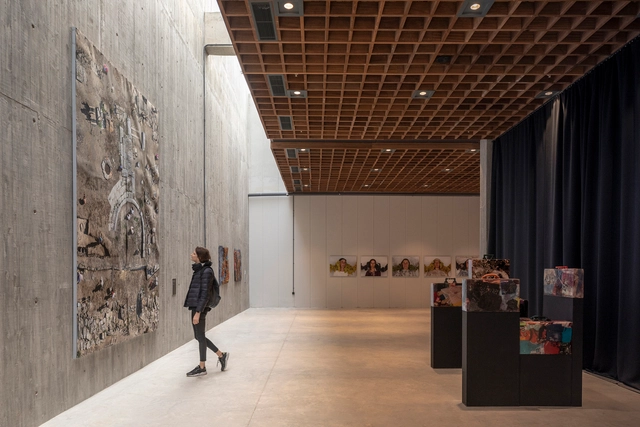
The dawn of the Anthropocene has thrown the idea of adaptive reuse into the limelight: effectively the pinnacle of urban regeneration and revitalization. It utilizes the presence of existing buildings with historic and cultural value and re-purposes them to be functional. Essentially a form of architectural salvage; a sustainable and viable means of rebuilding.

Recent events such as the pandemic has highlighted inequalities in our cityscape, the inadequate segments in a state of disuse and disrepair. Adaptive reuse can replenish these areas and create new cultural hotspots, encouraging activity and creating vibrant and healthy mixed-use environments.

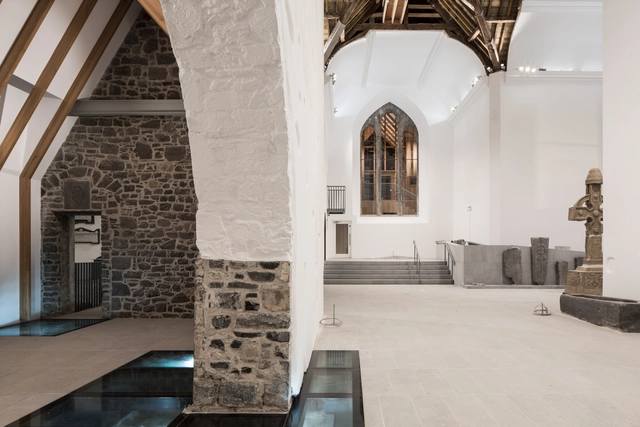
Below is a diverse selection of cultural hotspots using Adaptive Reuse

Architectural Salvage: Cultural Hotspots using Adaptive Reuse  - Image 1 of 4Architectural Salvage: Cultural Hotspots using Adaptive Reuse  - Image 2 of 4Architectural Salvage: Cultural Hotspots using Adaptive Reuse  - Image 3 of 4Architectural Salvage: Cultural Hotspots using Adaptive Reuse  - Image 4 of 4Architectural Salvage: Cultural Hotspots using Adaptive Reuse  - More Images+ 10

Claudia Pasquero Announced as Head Curator of the 2017 Tallinn Architecture Biennale, Which Will Examine the Anthropocene

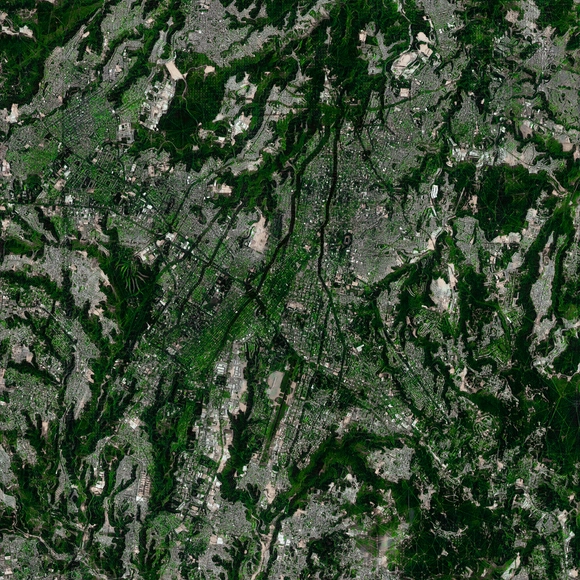
The Tallinn Architecture Biennale have announced Claudia Pasquero, Director of ecoLogicStudio, as the Head Curator of the 2017 edition, "bioTallinn". According to the organizers, a programme of exhibitions and symposia will "engage various architectural offices, artists, and scientists on the topic of biotechnology in architecture," examining in particular "the relationship between nature and the city in the Anthropocene age."

Claudia Pasquero Announced as Head Curator of the 2017 Tallinn Architecture Biennale, Which Will Examine the Anthropocene - Image 1 of 4Claudia Pasquero Announced as Head Curator of the 2017 Tallinn Architecture Biennale, Which Will Examine the Anthropocene - Image 2 of 4Claudia Pasquero Announced as Head Curator of the 2017 Tallinn Architecture Biennale, Which Will Examine the Anthropocene - Image 3 of 4Claudia Pasquero Announced as Head Curator of the 2017 Tallinn Architecture Biennale, Which Will Examine the Anthropocene - Image 4 of 4Claudia Pasquero Announced as Head Curator of the 2017 Tallinn Architecture Biennale, Which Will Examine the Anthropocene - More Images+ 8