1. ArchDaily
  2. Alvisi Kirimoto + Partners

Alvisi Kirimoto + Partners: The Latest Architecture and News

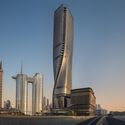
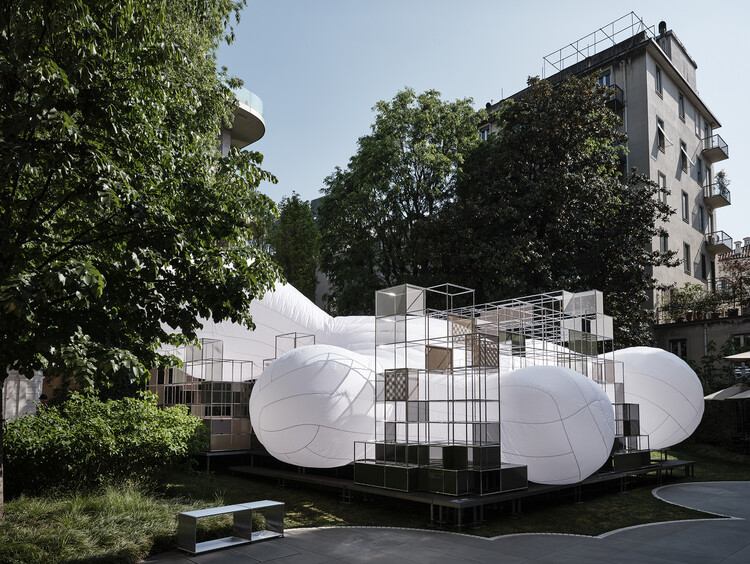
Milan Design Week 2026 Selection and Wasl Tower in Dubai: This Week’s Review

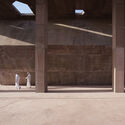
Across cultural platforms, heritage sites, and institutional developments, this week's news reflects how the built environment is reshaped through processes of transformation, reinterpretation, and public engagement. From archaeological reactivations and adaptive reuse strategies to museum expansions and large-scale international gatherings, architecture operates across multiple temporalities, balancing preservation with contemporary use and spatial continuity with evolving cultural programs. Within this context, ArchDaily's selection of installations and exhibitions from Milan Design Week 2026 highlights how design weeks increasingly function as curatorial frameworks for experimentation, while global events and institutional projects continue to expand the formats through which architecture is produced, shared, and debated.

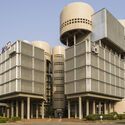
Milan Design Week 2026 Selection and Wasl Tower in Dubai: This Week’s Review - Image 1 of 4Milan Design Week 2026 Selection and Wasl Tower in Dubai: This Week’s Review - Image 2 of 4Milan Design Week 2026 Selection and Wasl Tower in Dubai: This Week’s Review - Image 3 of 4Milan Design Week 2026 Selection and Wasl Tower in Dubai: This Week’s Review - Image 4 of 4Milan Design Week 2026 Selection and Wasl Tower in Dubai: This Week’s Review - More Images+ 6

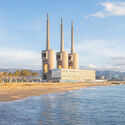
Shaping Architectural Continuity: 25 Revitalization Projects Across Historic, Industrial, and Natural Sites

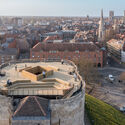
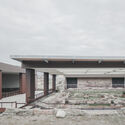
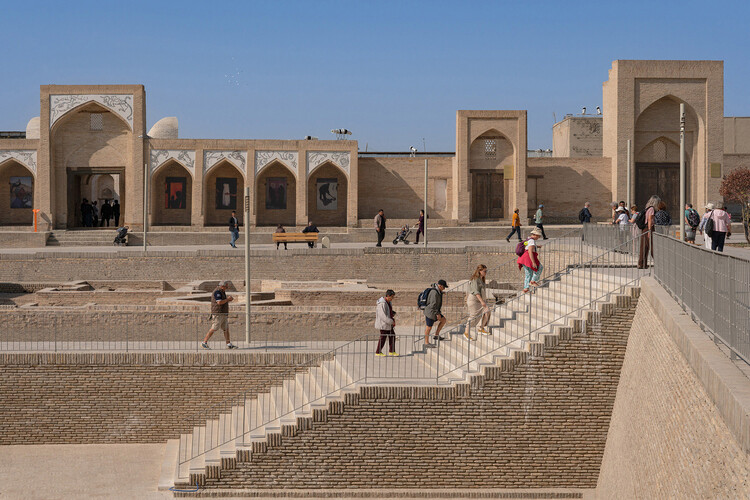
Heritage sites constitute complex spatial archives in which architecture, history, and collective memory converge. They encompass a wide spectrum of contexts—from archaeological remains, ancient and historic townscapes, UNESCO-listed landscapes, to early modern civic structures and industrial infrastructures. Yet these environments confront challenges: climate change, urban transformation, disaster, shifting social needs, and the gradual erosion of material fabric. Revitalization and restoration projects respond to these conditions by positioning architectural and spatial practice as an active mediator between preservation and the contemporary topologies.

In current practice, conservation is understood as a creative process of adaptation and reinterpretation that serves both communities and inhabitants. At the same time, monumental architecture continues to define the identity and landscape of a place for wider audiences and future generations. Architects and planners are called upon to negotiate sensitive historic contexts while introducing new programs, techniques, and spatial experiences. They exemplify diverse design approaches, including precise structural interventions, climate-responsive strategies, and meticulous material restoration, alongside the thoughtful insertion of new architectural elements. Equally important is their engagement with vernacular knowledge and materiality, which preserves the locality and cultural specificity of each site.

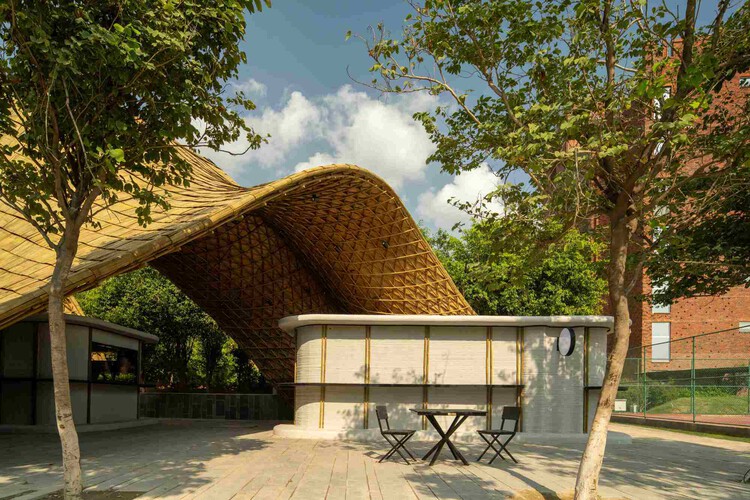
Shaping Architectural Continuity: 25 Revitalization Projects Across Historic, Industrial, and Natural Sites - Image 1 of 4Shaping Architectural Continuity: 25 Revitalization Projects Across Historic, Industrial, and Natural Sites - Image 2 of 4Shaping Architectural Continuity: 25 Revitalization Projects Across Historic, Industrial, and Natural Sites - Image 3 of 4Shaping Architectural Continuity: 25 Revitalization Projects Across Historic, Industrial, and Natural Sites - Image 4 of 4Shaping Architectural Continuity: 25 Revitalization Projects Across Historic, Industrial, and Natural Sites - More Images+ 21

From Milan to Chicago: Architecture Now and the Leading Practices of Herzog & de Meuron, Gensler, and Heatherwick

Subscriber Access | 

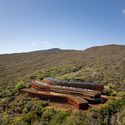
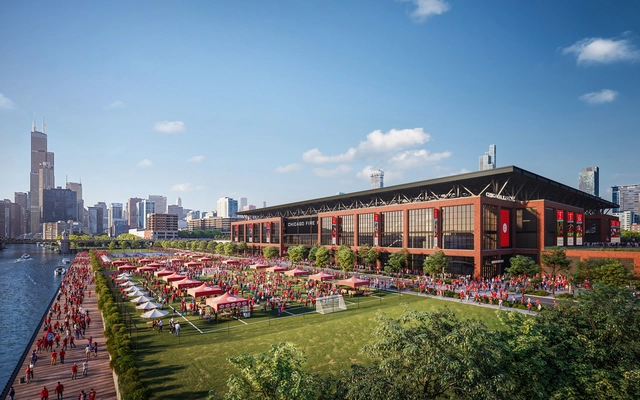
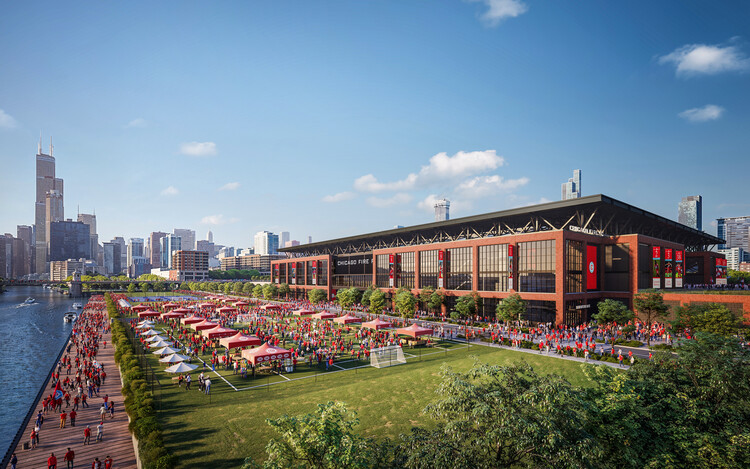
From Milan's Scalo Farini to downtown Chicago, and from the Tuscan countryside to the UK's retrofit initiatives, recent announcements demonstrate how architecture is evolving in response to climate goals, cultural identity, and urban transformation. Herzog & de Meuron's new headquarters for UniCredit will anchor one of Europe's largest redevelopment sites with a focus on sustainability and workplace innovation, while Gensler's stadium design for Chicago Fire FC aims to redefine the U.S. matchday experience as part of a major waterfront development. In Tuscany, Alvisi Kirimoto's Sapaio Pavilion merges agricultural production with architectural sensitivity, and in the UK, RIBA and The King's Foundation are advancing retrofit as a national agenda. Meanwhile, finalists including MVRDV, Heatherwick Studio, and Mecanoo are advancing in an international competition to create a climate landmark intended to inspire large-scale behavioral change. This edition of Architecture Now brings together diverse yet interconnected efforts to shape how architecture can support long-term ecological, cultural, and civic impact.

From Milan to Chicago: Architecture Now and the Leading Practices of Herzog & de Meuron, Gensler, and Heatherwick - Image 1 of 4From Milan to Chicago: Architecture Now and the Leading Practices of Herzog & de Meuron, Gensler, and Heatherwick - Image 2 of 4From Milan to Chicago: Architecture Now and the Leading Practices of Herzog & de Meuron, Gensler, and Heatherwick - Image 3 of 4From Milan to Chicago: Architecture Now and the Leading Practices of Herzog & de Meuron, Gensler, and Heatherwick - More Images+ 3

Zaha Hadid Architects Proposal Shortlisted For Sverdlovsk Philharmonic, But Uncertainty Over Buildability Remains

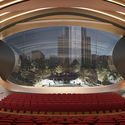
Zaha Hadid Architects Proposal Shortlisted For Sverdlovsk Philharmonic, But Uncertainty Over Buildability Remains - Image 34 of 4
Courtesy of Zaha Hadid Architects

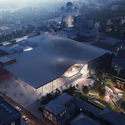
To activate the historical and cultural significance of music in the city of Yekaterinburg, a design competition to create a new concert hall was announced earlier in April. From the 47 proposals that were submitted, the top three architectural concepts were recently selected by the jury committee, awarding first place to Zaha Hadid Architects, and the two runner-up positions to Alvisi Kirimoto + Partners and Robert Gutowski Architects respectively.

Despite selecting ZHA's proposal as the project laureate, all three projects are still in contention as the feasibility studies are ongoing. For the snowy climate of this Russian city, the buildability of the design continues to be under debate. 

Zaha Hadid Architects Proposal Shortlisted For Sverdlovsk Philharmonic, But Uncertainty Over Buildability Remains - Image 1 of 4Zaha Hadid Architects Proposal Shortlisted For Sverdlovsk Philharmonic, But Uncertainty Over Buildability Remains - Image 4 of 4Zaha Hadid Architects Proposal Shortlisted For Sverdlovsk Philharmonic, But Uncertainty Over Buildability Remains - Image 3 of 4Zaha Hadid Architects Proposal Shortlisted For Sverdlovsk Philharmonic, But Uncertainty Over Buildability Remains - Image 2 of 4Zaha Hadid Architects Proposal Shortlisted For Sverdlovsk Philharmonic, But Uncertainty Over Buildability Remains - More Images+ 32