1. ArchDaily
  2. Algae

Algae: The Latest Architecture and News

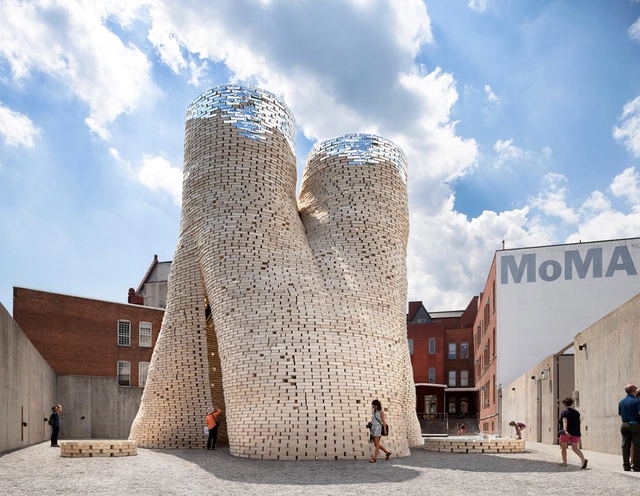
The Architect as a Scientist: New Materials Emerging Between Science and Design

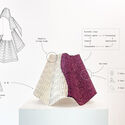
What is architecture? For some, its traditional role is to bring together imagination, technical knowledge, and problem-solving, allowing architects to design and construct while balancing ideas with the means to realize them. From the stone and wood of early buildings to the steel and concrete of the 20th century, each era demanded not only an understanding of form but also of the properties and potential of the materials in use. This grasp of materials has always been a core part of the creative process, though its scope was limited by the know-how and technologies available.

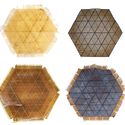
Over time, that balance has begun to shift. Architects have moved from merely using materials to actively designing them, applying scientific principles and experimenting with biological, chemical, and computational processes. This evolution has expanded the possibilities of architecture, intersecting nature, technology, and art, while pushing the role of the architect into a more experimental, science-driven dimension, where the manipulation and creation of materials becomes central to the creative act rather than merely a means to achieve forms or structures.

The Architect as a Scientist: New Materials Emerging Between Science and Design - Image 1 of 4The Architect as a Scientist: New Materials Emerging Between Science and Design - Image 2 of 4The Architect as a Scientist: New Materials Emerging Between Science and Design - Image 3 of 4The Architect as a Scientist: New Materials Emerging Between Science and Design - Image 4 of 4The Architect as a Scientist: New Materials Emerging Between Science and Design - More Images+ 11

A Bio-Digital Exploration: ecoLogicStudio Opens Deep Forest Exhibition at the Louisiana Museum in Denmark

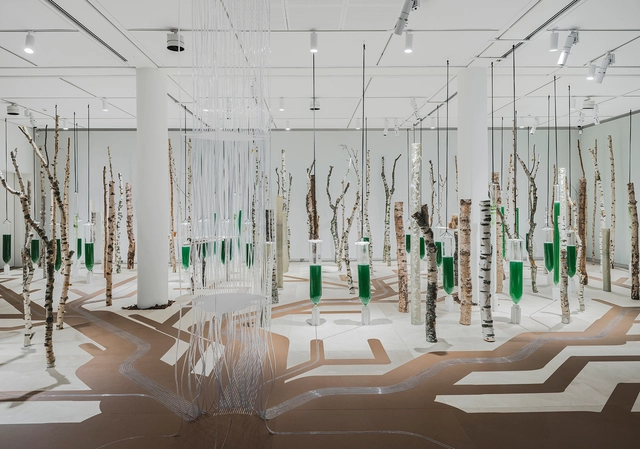
The Louisiana Museum of Modern Art's "Living Structures" exhibition, running from November 8th, 2024, to March 23rd, 2025, features Deep Forest, a new installation by Prof Claudia Pasquero and Dr. Marco Poletto founders of architecture and design innovation firm ecoLogicStudio, together with academic partner Innsbruck University. This immersive work challenges traditional architectural paradigms by embracing the naturalization of architecture and technology, a direct counterpoint to modernist attempts to mechanize nature. The exhibition represents the culmination of twenty years of research in bio-digital design, showcasing the potential of symbiotic relationships between technology and the natural world within built environments.

A Bio-Digital Exploration: ecoLogicStudio Opens Deep Forest Exhibition at the Louisiana Museum in Denmark - Image 1 of 4A Bio-Digital Exploration: ecoLogicStudio Opens Deep Forest Exhibition at the Louisiana Museum in Denmark - Image 2 of 4A Bio-Digital Exploration: ecoLogicStudio Opens Deep Forest Exhibition at the Louisiana Museum in Denmark - Image 3 of 4A Bio-Digital Exploration: ecoLogicStudio Opens Deep Forest Exhibition at the Louisiana Museum in Denmark - Image 4 of 4A Bio-Digital Exploration: ecoLogicStudio Opens Deep Forest Exhibition at the Louisiana Museum in Denmark - More Images+ 27

10 Start-ups Creating Innovative and Sustainable Building Materials, from Mycelium Bricks to Water Purifying Tiles

The building industry is one of the biggest generators of carbon emissions, with some estimates suggesting that 38% percent of all CO2 emissions are linked to this field. As a response to the current crisis, architects, designers, and researchers are taking measures to reduce their carbon footprint during and after construction. Many initiatives and research teams are looking at building materials to find low-carbon solutions and reduce the impact of building materials during production.

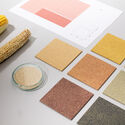
One of the most prominent fields of research is concerned with biofacture, the type of process that involves using biological organisms to manufacture materials. By understanding the abilities of organisms such as algae of fungi, alternatives to widely used materials can become carbon neutral or even carbon negative. Other initiatives are researching novel ways to use untapped, yet readily available resources such as desert sand, soil, or waste from demolitions.

10 Start-ups Creating Innovative and Sustainable Building Materials, from Mycelium Bricks to Water Purifying Tiles - Image 1 of 410 Start-ups Creating Innovative and Sustainable Building Materials, from Mycelium Bricks to Water Purifying Tiles - Image 2 of 410 Start-ups Creating Innovative and Sustainable Building Materials, from Mycelium Bricks to Water Purifying Tiles - Image 3 of 410 Start-ups Creating Innovative and Sustainable Building Materials, from Mycelium Bricks to Water Purifying Tiles - Image 4 of 410 Start-ups Creating Innovative and Sustainable Building Materials, from Mycelium Bricks to Water Purifying Tiles - More Images+ 7

From Bio Materials to Load-Bearing Structures: Fungi, Algae and Tree Forks

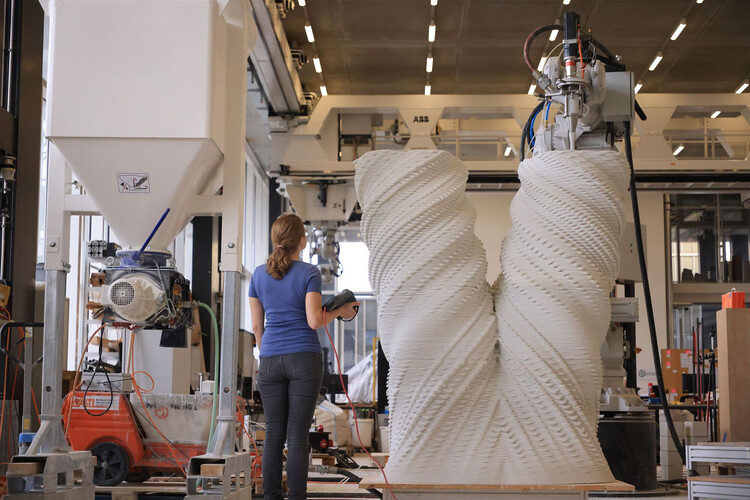
As researcher, designer and MIT professor Caitlin Mueller once said, “The greatest value you can give to a material is to give it a load-bearing role in a structure.” Load-bearing components – foundations, beams, columns, walls, etc. – are designed to resist permanent or variable forces and movements. Similar to the bones of a human body, these support, protect and hold everything together. To fulfill that indispensable function, they must be made from materials with outstanding mechanical properties, which explains the prominence of cement and steel in structures. However, their high performance comes at a high cost: together, they account for 15% of global CO2 emissions. This makes us wonder, is it possible for structural materials to be truly sustainable? We know solutions like greener versions of concrete already exist, but there are many other alternatives to explore. And sometimes, the answer is closer than we expect; in the earth beneath us and the nature that surrounds us.
The City as an Organism

Nature has continually played muse to architects. Colors and forms from the natural world find themselves embedded in artificial edifices. Buildings are also shaped by patterns of the wind and sun, topography, and vegetation. While architecture is informed by the effects of nature, buildings have been proposed as inert objects that remain static in a biologically evolving world. Anthropocentric concrete “jungles” are devoid of life, separating humans from natural environments and causing imbalances that have manifested as pandemics. What would cities look like if there were no boundaries between humans and ecosystems?

The City as an Organism  - Image 1 of 4The City as an Organism  - Image 2 of 4The City as an Organism  - Image 3 of 4The City as an Organism  - Image 4 of 4The City as an Organism  - More Images+ 5

Algae Dome by SPACE10 Could 'Combat Chronic Malnutrition'

Subscriber Access | 

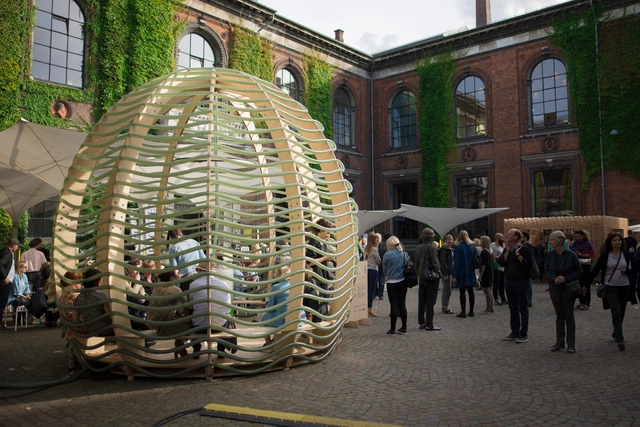
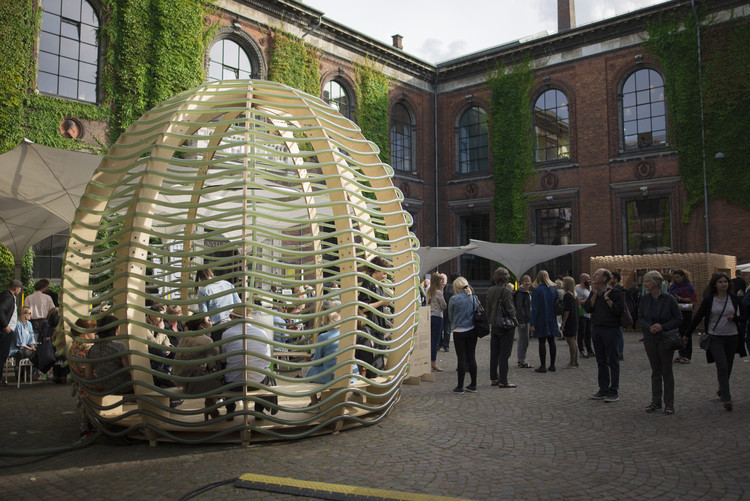
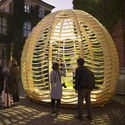
SPACE10's latest project displayed last week at Copenhagen's CHART art fair hosts the secret to combating malnutrition, greenhouse gases and ending deforestation - a pretty steep demand for a structure only four meters tall. The hero of this story is a microalgae that runs through the three hundred and twenty meters of tubing entwined around the pavilion.

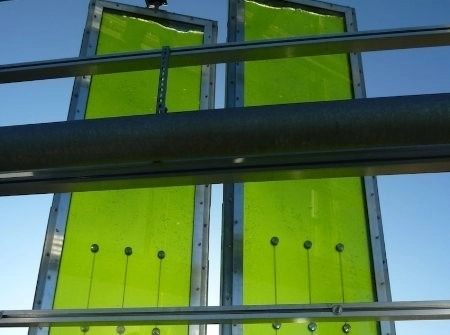
IKEA's future living lab worked with bioengineer, Keenan Pinto and three architects, Aleksander Wadas, Rafal Wroblewski and Anna Stempniewicz to build a photobioreactor that facilitates the high production of microalgae that can be grown almost anywhere on the planet. During the three days of the fair, 450 liters of algae was grown as visitors got to experience the full extent of the neon green process.

Algae Dome by SPACE10 Could 'Combat Chronic Malnutrition' - SustainabilityAlgae Dome by SPACE10 Could 'Combat Chronic Malnutrition' - SustainabilityAlgae Dome by SPACE10 Could 'Combat Chronic Malnutrition' - SustainabilityAlgae Dome by SPACE10 Could 'Combat Chronic Malnutrition' - SustainabilityAlgae Dome by SPACE10 Could 'Combat Chronic Malnutrition' - More Images+ 9

99% Invisible Discusses How Algae Biotechnology Can Affect the Urban Environment

In a recent article for 99% Invisible, Kurt Kohlstedt explores how integrating microalgae into buildings can create a dualistic system of living and built, in order to perform services like create shade, generate power, and work with HVAC systems to modulate interior environments.

Projects that utilize such technology include bioreactors that produce oxygen and bio-fuel, a building with a bio-adaptive façade, and a street lamp that filters carbon dioxide from the urban environment.