1. ArchDaily
  2. Airplanes

Airplanes: The Latest Architecture and News

How Can Transport Infrastructures Take On a New Lease of Life?

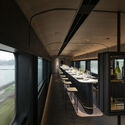
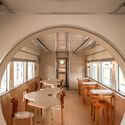
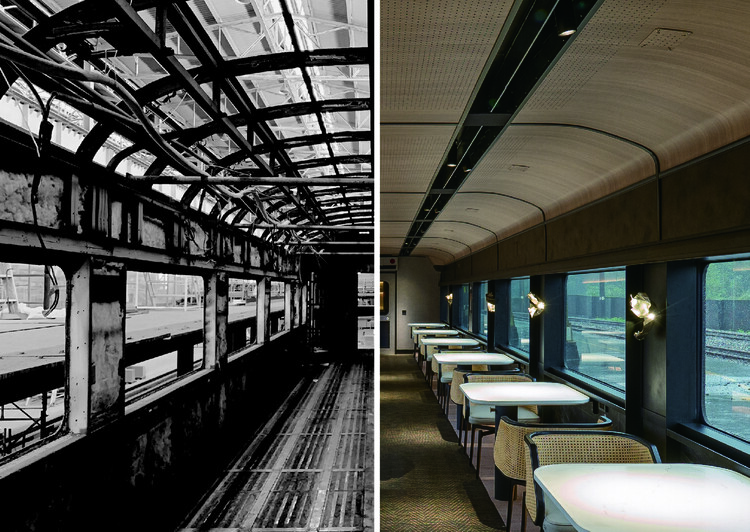
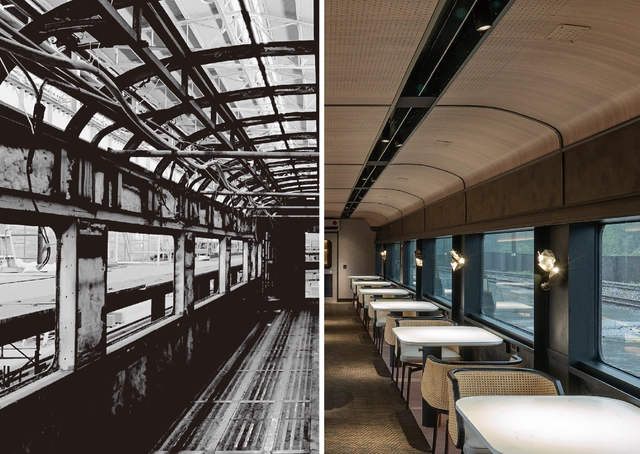
Faced with the combined forces of population growth, economic prosperity, and urban expansion, cities are witnessing a significant rise in the movement of people and goods—mirroring the evolution of diverse mobility systems within urban environments. As technologies advance and modes of transport evolve, the adaptive reuse of train carriages, airplane cabins, and other service infrastructures reveals opportunities to explore their creative potential. Materials, technologies, and design tools converge around a shared goal: refurbishing and repurposing disused structures to give them new life.


How Can Transport Infrastructures Take On a New Lease of Life? - Image 1 of 4How Can Transport Infrastructures Take On a New Lease of Life? - Image 2 of 4How Can Transport Infrastructures Take On a New Lease of Life? - Image 3 of 4How Can Transport Infrastructures Take On a New Lease of Life? - Image 4 of 4How Can Transport Infrastructures Take On a New Lease of Life? - More Images+ 12

Designing Bombardier’s Aerospace Campus in Toronto, Canada: Insights from Lilia Koleva of NEUF architect(e)s

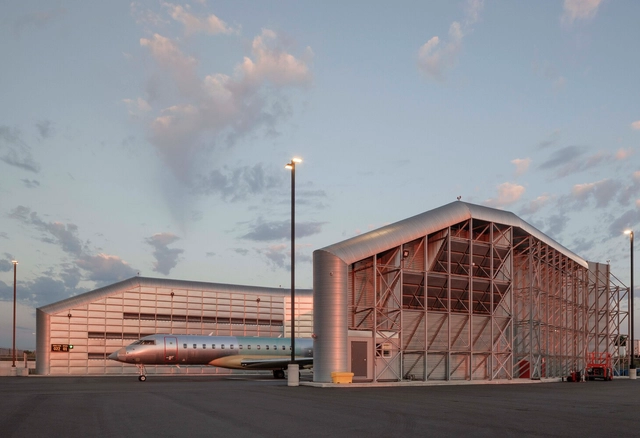
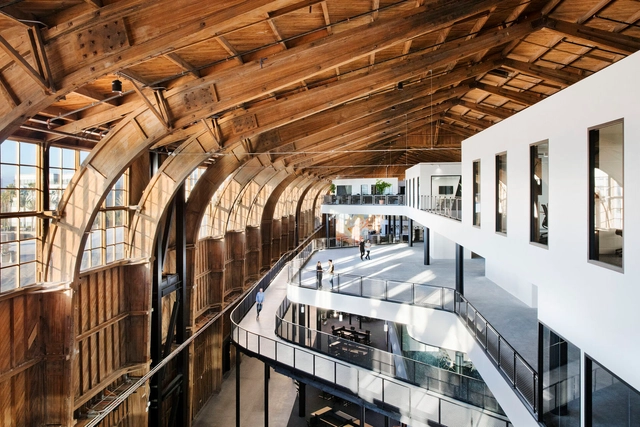
Adjacent to Toronto's Pearson International Airport, the Bombardier Aircraft Assembly Center represents a landmark project in Canadian aerospace design. Located next to Canada's largest airport, it blends 70,000 m2 (750,000 ft2) of technical precision with a focus on people. ArchDaily's editor Moises Carrasco had the opportunity to speak with Lilia Koleva, partner at NEUF architect(e)s and founder of the firm's Toronto office, which led this project. Koleva shared insights into her professional journey and reflected on the challenges of building and growing NEUF's Toronto-based office. She also discusses the Bombardier Campus, describing it as a defining project in her career, and how it showcases NEUF's ability to tackle large-scale, technically demanding projects while maintaining a focus on the people who use the space. This project builds on the office's prior expertise in industrial design and expands its portfolio of human-centered architectural solutions. Koleva also reflects on the importance of fostering collaboration, adaptability, and a clear understanding of client needs; qualities that have defined her approach to architecture and leadership at NEUF.

Designing Bombardier’s Aerospace Campus in Toronto, Canada: Insights from Lilia Koleva of NEUF architect(e)s - Image 1 of 4Designing Bombardier’s Aerospace Campus in Toronto, Canada: Insights from Lilia Koleva of NEUF architect(e)s - Image 2 of 4Designing Bombardier’s Aerospace Campus in Toronto, Canada: Insights from Lilia Koleva of NEUF architect(e)s - Image 3 of 4Designing Bombardier’s Aerospace Campus in Toronto, Canada: Insights from Lilia Koleva of NEUF architect(e)s - Image 4 of 4Designing Bombardier’s Aerospace Campus in Toronto, Canada: Insights from Lilia Koleva of NEUF architect(e)s - More Images+ 13

Airspace Architecture: Rethinking the Hangar

Subscriber Access | 

Hangar architecture is a relatively new building type. Ever since the Wright brothers stored and repaired their aircraft in a wooden hangar constructed in 1902, designers and builders have continued to rethink what these structures can be. Beyond actual airports and terminals, hangars are unique in that they're purpose-built to hold an aircraft or spacecraft. Today, how can this building type be challenged and reimagined?

Airspace Architecture: Rethinking the Hangar - Image 1 of 4Airspace Architecture: Rethinking the Hangar - Image 2 of 4Airspace Architecture: Rethinking the Hangar - Image 3 of 4Airspace Architecture: Rethinking the Hangar - Image 4 of 4Airspace Architecture: Rethinking the Hangar - More Images+ 11

When Architecture Took Flight in the Golden Age of Aviation

Subscriber Access | 
When Architecture Took Flight in the Golden Age of Aviation - Featured Image
TWA Illustration. Image © Public domain, via Wikimedia Commons

When the first commercial planes took flight, so did architecture. Like many other moments of technological advancement, the fascination with soaring through the skies heavily influenced the design movements of the last fifty years- not only in terms of how we design airports and think about the airline passenger experience, but the aesthetics of aviation and how the fabrics, textures, and high-end details would influence our lives on the ground.

Six "Miracle" Materials That Will Change Their Industries

Subscriber Access | 

The following six "miracle" materials could be headed straight into your home, office, car and more. Dina Spector at Business Insider recently rounded up the six most promising materials. As of now, their potential applications have just scratched the surface, but the possibilities are endless. Presented by AD Materials.

Scientists are constantly on the look out for lighter, stronger, and more energy-efficient materials. Here's a glance at some materials that will change the way we build things in the future.