1. ArchDaily
  2. Adalberto Libera

Adalberto Libera: The Latest Architecture and News

Architecture Inspiring Fashion: Villa Malaparte, the Eiffel Tower, and Louis Kahn’s Salk Institute Host Runway Shows

Beyond serving as mere backdrops for fashion shows, architecture often influences fashion collections, contributing spatially to their storytelling, offering material inspiration, and showcasing the connection between structure and shape. As both disciplines revolve around form, structure, and the human experience, architecture, and fashion share a strong connection, one often explored by creators in both fields. From meticulous tailoring and structural designs that mimic architectural lines, contours, and volumes, to architecture taking cues from how fashion works with the human shape, this interplay can create multidimensional experiences for the enthusiasts of both high fashion and architecture.

On June 10, French brand Jacquemus, known for its minimalist designs with surrealist touches, chose to celebrate its 15th anniversary with an exclusive runway show at Villa Malaparte. The location, usually inaccessible for this type of event, has made another exception for Saint Laurent, who featured it as the backdrop of its 2018 spring campaign starring Kate Moss.


Architecture Inspiring Fashion: Villa Malaparte, the Eiffel Tower, and Louis Kahn’s Salk Institute Host Runway Shows - Image 1 of 4Architecture Inspiring Fashion: Villa Malaparte, the Eiffel Tower, and Louis Kahn’s Salk Institute Host Runway Shows - Image 2 of 4Architecture Inspiring Fashion: Villa Malaparte, the Eiffel Tower, and Louis Kahn’s Salk Institute Host Runway Shows - Image 3 of 4Architecture Inspiring Fashion: Villa Malaparte, the Eiffel Tower, and Louis Kahn’s Salk Institute Host Runway Shows - Image 4 of 4Architecture Inspiring Fashion: Villa Malaparte, the Eiffel Tower, and Louis Kahn’s Salk Institute Host Runway Shows - More Images+ 6

AD Classics: Villa Malaparte / Adalberto Libera

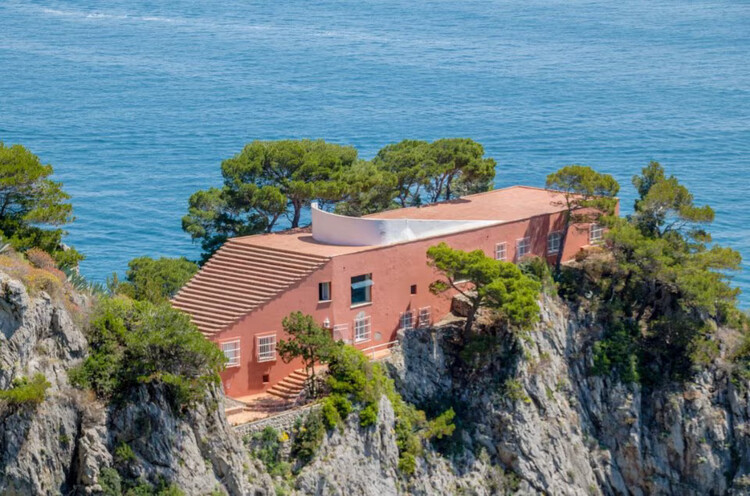
Villa Malaparte, built in 1938 by the Rationalist architect Adalberto Libera in Punta Massullo on the Isle of Capri, is considered to be one of the best examples of Modern Italian architecture. The house, a red structure with inverted pyramid stairs, sits 32 meters over a cliff on the Gulf of Salerno. It is completely isolated from civilization, only accessible by foot or by boat.

The house was commissioned by the Italian writer, Curzio Malaparte whose eccentric character eventually led him to dominate the design process, causing serious conflict with Libera. Malaparte wanted the house to reflect his own personal character and become a place for solitary contemplation and writing. He once said: "Now I live on an island, in an austere and melancholy house, which I built myself on a lonely cliff above the sea. [It is] the image of my desire."

AD Classics: Villa Malaparte / Adalberto Libera - Image 1 of 5AD Classics: Villa Malaparte / Adalberto Libera - Image 2 of 5AD Classics: Villa Malaparte / Adalberto Libera - Image 3 of 5AD Classics: Villa Malaparte / Adalberto Libera - Image 4 of 5AD Classics: Villa Malaparte / Adalberto Libera - More Images+ 10

9 Architects Reflect on the Homes That Most Inspired Them

Subscriber Access | 
9 Architects Reflect on the Homes That Most Inspired Them - Featured Image
The homes that inspire architects.

Where do you receive inspiration? Nalina Moses asked the question to nine contemporary residential architects, asking each to choose one residence that had left an impression on them. The following answers were first published on the AIA’s website in the article “Homing Instinct."

When nine accomplished residential architects were asked to pick a house—any house—that has left the greatest impression on them as designers, most of their choices ran succinctly along the canon of American or European Modern architecture. Two—Alvar Aalto’s Villa Mairea and Pierre Chareau’s La Maison de Verre—were even tapped twice.

If the houses these designers chose weren’t surprising, the reasons they chose them were. Rather than groundbreaking style or technologies, what they cited were the moments of comfort, excitement, and refinement they offered: the restful proportions of a bedroom, the feel of a crafted wood handrail, an ocean view unfolding beyond an outdoor stair.