1. ArchDaily
  2. Accesibility

Accesibility: The Latest Architecture and News

How to Stimulate Children's Autonomy Through Architecture and the Montessori Method

Subscriber Access | 

Maria Montessori began to develop her educational method at the beginning of the 20th century. In general terms, the method is a scientific pedagogy that promotes an education that positively contributes to the development of children's brains, respecting their individuality and stimulating their autonomy, self-esteem, and self-confidence. 

Although the method was created in the last century, science is currently beginning to test much of the information investigated by Maria Montessori. For this reason, it is  increasingly being applied to architecture for children’s educational spaces, improving the quality of children's learning and development and providing them with better tools for their future lives.

Where Will the Children Play? How to Design Stimulating and Safe Cities for Childhood

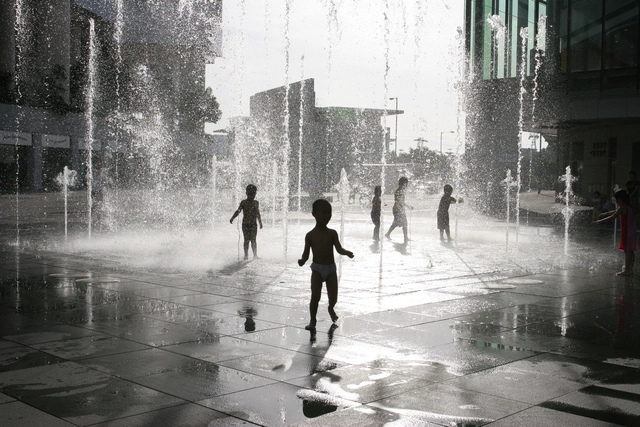
'Cities for Play' is a project whose main objective is to inspire architects and urban planners to create stimulating, respectful, and accessible cities for children.

Natalia Krysiak, its creator, is an Australian architect who believes that children's needs should be placed at the center of urban design to ensure resilient and sustainable communities. In 2017, she produced 'Cities for Play,' studying examples of cities that are concerned with providing environments that are capable of promoting the health and well-being – physical and emotional – of children through a focus on play and "active mobility” in public spaces.

Architecture Has Limits to Achieve Urban Equity. What Should We Do?

Accessibility and mobility. When perceived through the architectural lens, these terms often evoke a range capped by two extremes. On the one end, the flexibility of circulation systems; the universality of egress networks; and the technicalities of minimums and maximums. On the other end, a project’s capacity to support broad ranges of socioeconomic narratives; its malleability in the face of rapid fluctuations of program and function; and its reactivity in maintaining a productive role amidst the ebbs and flows of societal dynamics. 

How to Design Safe Bathrooms for the Elderly

There exist frequent reports of toilet accidents, as they are often located in tight and slippery places. Although no one is immune to a slip after bathing, it is the elderly who suffer most from falls, and can often suffer serious injuries, sequelae, and functional limitations. Due to the natural reduction of reflexes and muscle mass, the higher the age group, the more prone to falls we become.

To provide more comfortable living conditions as users grow older, the environment must adapt to the new physical capabilities of its occupants. Making toilets safer is critical to reducing the risk of accidents and decreasing response time in the event of a fall. Here are some things to keep in mind when designing toilets for older people:

How to Design Safe Bathrooms for the Elderly - Image 1 of 4How to Design Safe Bathrooms for the Elderly - Image 2 of 4How to Design Safe Bathrooms for the Elderly - Image 3 of 4How to Design Safe Bathrooms for the Elderly - Image 4 of 4How to Design Safe Bathrooms for the Elderly - More Images+ 6

On Accessibility and Expo 2020: “Expo 2020 Dubai to Be Accessible For People of All Abilities”

Expo Dubai 2020 will showcase new levels of accessibility, ensuring that the topic is thought through at the very first stages of design and that the approach is anchored in the project and the program. With the help of the UK based company Direct Access consultancy, specialized in the incorporation of accessibility into building designs, the expo will try to put in place solutions for regularly faced issues.

Basic (And Necessary) Recommendations for Designing Accessible Homes

Basic (And Necessary) Recommendations for Designing Accessible Homes - Sustainability
Schematic diagram with recommended measures. Local regulations should be reviewed before designing. Image © José Tomás Franco

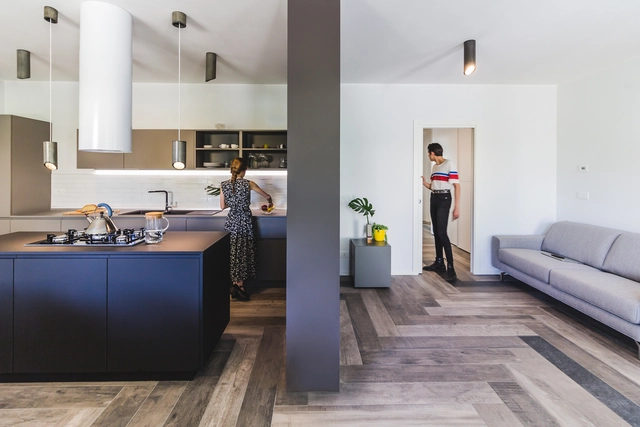
A good architecture project must be accessible to all, regardless of their physical or cognitive abilities. To raise awareness about these issues, and help you in the design process, we have compiled some basic actions that must be carried out for people to inhabit residential spaces comfortably and without obstacles.

It's important to remember that each country has its own regulations in relation to accessibility, so the specific dimensions presented below – based on the 'Universal Accessibility Guide' by Ciudad Accesible – are conceptual and may vary for each project. Before designing an accessible home, review local guidelines and adhere to, if not exceed, listed needs and requirements, thus ensuring a good quality of life for users in the long term.

Universal Signage: The First Step in Making Cities More Accessible

Of all the steps a city can take to make itself more pedestrian-friendly, developing a integral system of signage is both a quick and easy improvement that makes a world of difference--as shown by initiatives like Legible London, New York's WalkNYC, or Rio on Foot, in Río de Janeiro.

Architecture for the Blind: Intelligent and Inclusive Spaces for the Blind User

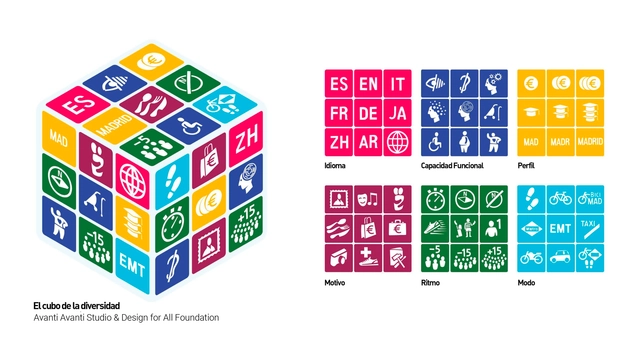
The design of spaces for people with visual disabilities is an important issue when it comes to talking about accessibility. Architects who adopt the principles of universal design understand that the needs of a blind client are the same as those of all people.

Inclusive design is vital in order for all users to be able to develop comfortably and to correctly understand the various functions of a space. Given the need for our cities to promote integration, we present three exemplary projects for a blind user; a house, a building and a public space.

The Trends that Will Influence Architecture in 2019

It is, once again, the time of year where we look towards the future to define the goals and approaches that we will take for our careers throughout the upcoming year. To help the millions of architects who visit ArchDaily every day from all over the world, we compiled a list of the most popular ideas of 2018, which will continue to be developed and consolidated throughout 2019.

Over 130 million users discovered new references, materials, and tools in 2018 alone, infusing their practice of architecture with the means to improve the quality of life for our cities and built spaces. As users demonstrated certain affinities and/or demonstrated greater interest in particular topics, these emerged as trends.