1. ArchDaily
  2. A-01

A-01: The Latest Architecture and News

Negotiating Boundaries: Climate and the Building Envelope in Central American Architecture

Subscriber Access | 

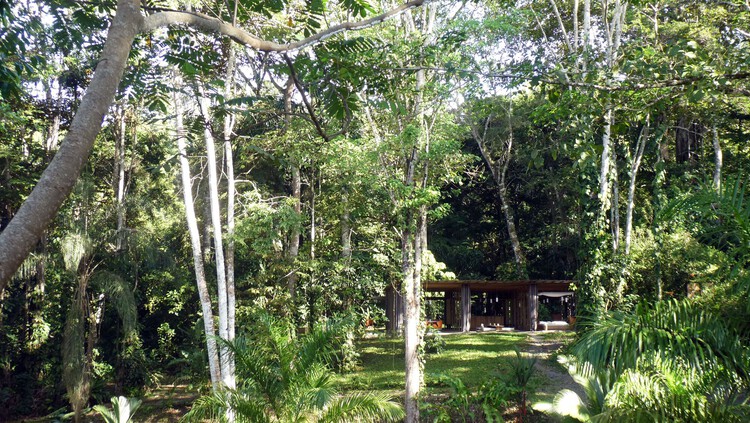
In temperate and cold climates, architecture typically begins with a defensive gesture. The building envelope is a sealed boundary designed to resist the exterior environment through insulation, vapor barriers, and mechanical control. In cold countries like Canada, where winter temperatures can plunge well below freezing, airtightness is not a luxury. In this context, buildings must resist the exterior environment entirely to maintain interior comfort. However, in Central America, a region spanning from Belize to Panama, architectural logic shifts from exclusion to negotiation. In this region, the envelope is not a wall of defense but a specialized filter.


Negotiating Boundaries: Climate and the Building Envelope in Central American Architecture - Image 1 of 4Negotiating Boundaries: Climate and the Building Envelope in Central American Architecture - Image 2 of 4Negotiating Boundaries: Climate and the Building Envelope in Central American Architecture - Image 3 of 4Negotiating Boundaries: Climate and the Building Envelope in Central American Architecture - Image 4 of 4Negotiating Boundaries: Climate and the Building Envelope in Central American Architecture - More Images+ 6

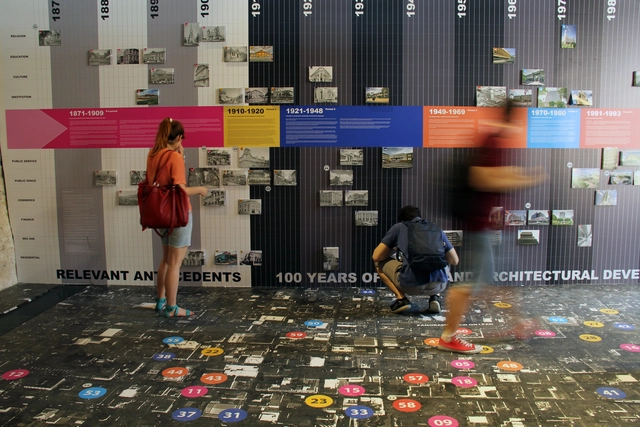
Ticollage City / Costa Rica Pavilion at the Venice Biennale 2014

Curated and commissioned by German Architect / Urbanist Oliver Schütte and Dutch Anthropologist / Economist Marije van Lidth de Jeude, Costa Rica's first pavilion at the Venice Biennale focuses on a competition-winning project for the new Costa Rican Legislative Assembly, a project which illustrates the "vicious circle of social segregation and spatial fragmentation in the Greater Metropolitan Area of Costa Rica (GAM)."

Read the curators' description and take a virtual tour of the Costa Rica Pavilion after the break.