Ossip van Duivenbode

BROWSE ALL FROM THIS PHOTOGRAPHER HERE

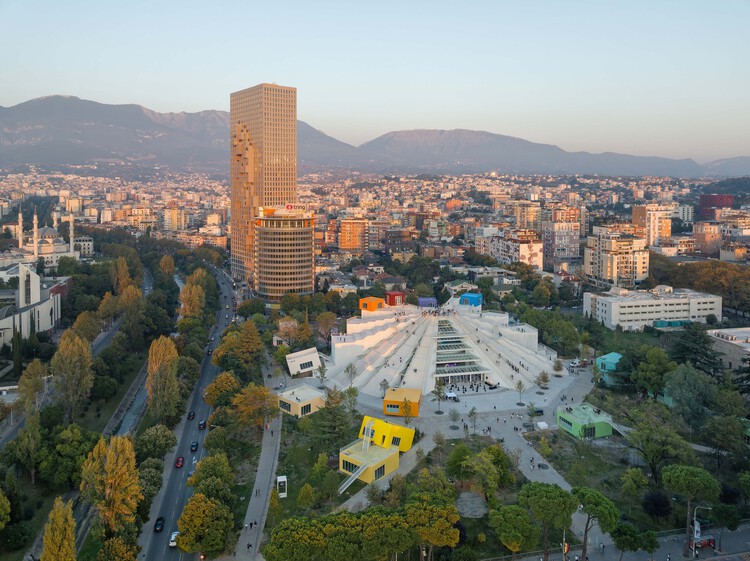
Tirana Architecture City Guide: Negotiating Identity Between Socialism and Urban Reinvention

Subscriber Access | 

Located at the intersection of Adriatic landscapes and Balkan geopolitics, Tirana has undergone one of the most accelerated urban transformations in Europe over the last three decades. Once defined by rigid socialist planning and political isolation, the city has progressively reoriented itself through a combination of informal growth, international investment, and strategic urban interventions that seek to redefine its public image and spatial structure.

Since the early 2000s, a series of urban policies, most notably those initiated during the mayoral tenure of Edi Rama (now Albania prime minister), have promoted the use of color, public space, and architectural experimentation as tools for civic reactivation. Rather than relying solely on masterplans, Tirana's development has operated through interventions, where individual buildings and public spaces act as catalysts within a fragmented urban fabric.

Tirana Architecture City Guide: Negotiating Identity Between Socialism and Urban Reinvention - More Images+ 15

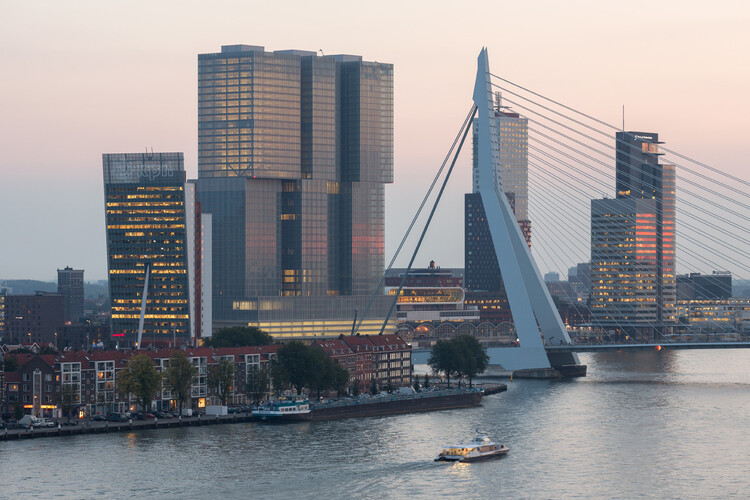
No Solid Ground: Three Approaches to Building Below Sea Level in Rotterdam

Architects carefully calibrate their relationship to the earth, adjusting foundations to soil, groundwater, climate, risk, and culture. Driven timber piles, rammed-earth platforms, and poured concrete slabs are each a response to a specific set of ground conditions, and each shapes the architecture that rises from it. The way a building meets the earth determines its durability and its limits because foundations are among the most consequential design choices an architect makes.

The city of Rotterdam sits approximately one meter below sea level, an organizing condition that shapes daily life in the Netherlands' second-largest city and is a growing preoccupation amid unstable coastal conditions. The city occupies the delta of the Rhine and Maas rivers, a landscape that was never naturally dry but has been kept functional through centuries of hydraulic intervention. The water boards in this region are among the oldest democratic institutions in the world, created in the thirteenth century to manage shared water drainage and still operating today as elected bodies with technical capacity. As sea levels rise and rainfall across Northern Europe grows less predictable and more extreme, Rotterdam faces a significantly increased risk of coastal storm surges and urban flooding driven by overwhelmed drainage infrastructure.

No Solid Ground: Three Approaches to Building Below Sea Level in Rotterdam - More Images+ 65

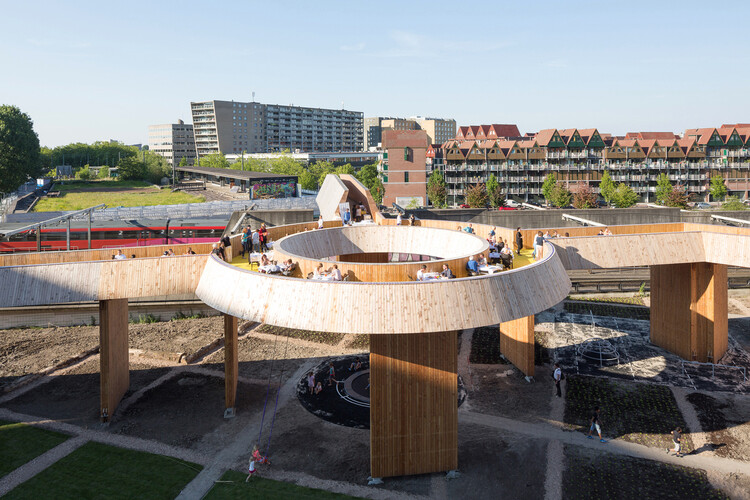
Leisure Architecture: 13 Projects Shaping Togetherness Across Generations

Leisure spaces are often where different generations cross paths. Without formal programs or assigned roles, they allow people to move, pause, and remain together, each engaging space in their own way. In a built environment increasingly shaped by specialization and separation, these shared spatial grounds have become less common, giving leisure-oriented architecture a renewed relevance.

Discussions around public space have repeatedly pointed to the value of openness and flexibility in supporting collective life. As architect Herman Hertzberger has noted, "the more a space can be interpreted in different ways, the more people it can accommodate." Rather than attempting to create interaction, architecture shapes the conditions that make togetherness possible.

Leisure Architecture: 13 Projects Shaping Togetherness Across Generations - More Images+ 10

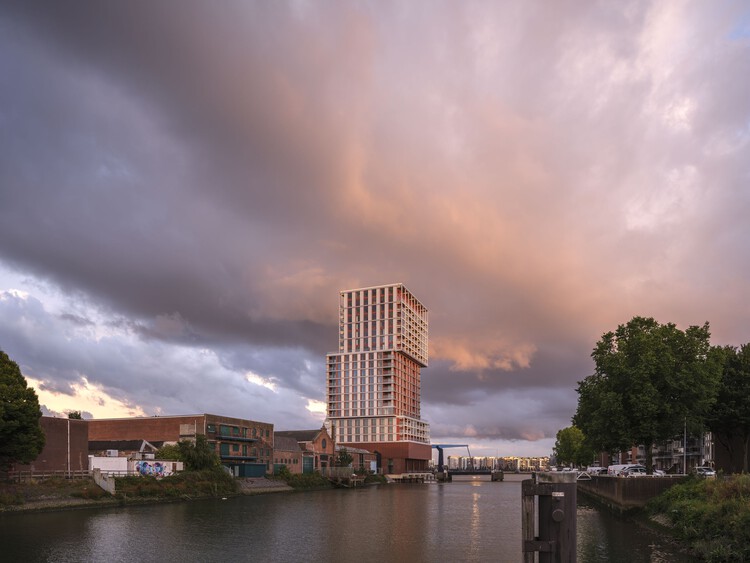
De Piek Waterfront Residential Tower / KCAP

De Piek Waterfront Residential Tower / KCAP - More Images+ 18

  • Architects: KCAP
  • Area Area of this architecture project Area:  24500
  • Year Completion year of this architecture project Year:  2025
  • Manufacturers Brands with products used in this architecture project
    Manufacturers:  Kone, Metadecor, ROCKPANEL, SCH-Holland, SCH-Holland, +1

From Material Intelligence to Circularity: Lessons from Architecture in 2025

Which materials have taken center stage in the architectural discourse of 2025? Which projects have rediscovered new construction practices and methods through material innovation? While the future of building materials still appears uncertain, year after year, experimentation and research continue to reveal diverse practices, initiatives, and efforts dedicated to understanding their value and responsibility within the built environment. From agricultural waste that reduces carbon footprints to recycled plastics given new life, and living materials that engage with emerging technologies while reconnecting with nature, 2025 has highlighted and strengthened the role of architects as mediators between materials, disciplines, knowledge, and interests from diverse origins.

From Material Intelligence to Circularity: Lessons from Architecture in 2025 - More Images+ 17

Green Interiors Trends From Around The World

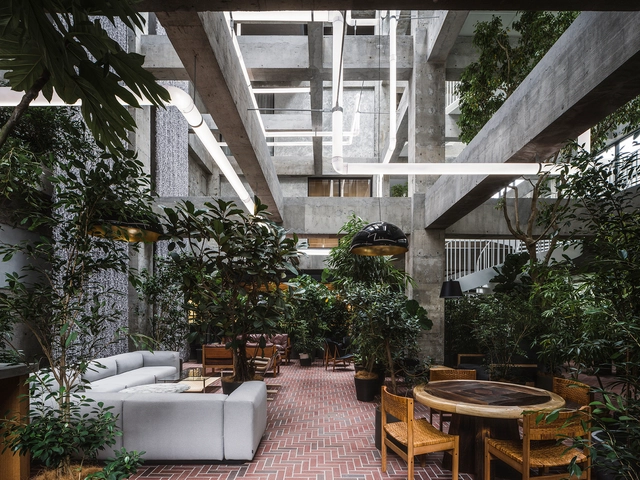
There is not enough that can be said about the benefits of incorporating plants in interiors or Plantscaping. Integrating vegetation indoors serves many purposes, whether practical, aesthetic, or psychological. Although there are basic requirements for incorporating greenery into Homes, well-thought-out plant selections and placements are characteristically different across the world. By going over recent interior works, a few recurrent plantscaping design patterns arose, each reflective of distinctive climates, building styles, and traditional building techniques.

While the type of the chosen plants varies depending on favorable conditions for growth and local availability, the main distinctions are related to the direct environment and display method in which the vegetation is set, as well as its intended purpose. While plants are there to offer mental wellness to some, they are essential for cooling to others, or could even be meant for small-scale farming.

Green Interiors Trends From Around The World - More Images+ 34

Architectural Authorship in the Age of the Collective Practices

Subscriber Access | 

This article is part of our new Opinion section, a format for argument-driven essays on critical questions shaping our field.

Who designs architecture today? In a professional landscape increasingly defined by collaborative workflows, generative software, and distributed teams, the figure of the architect as a singular creative author feels both anachronistic and inadequate. This article argues that architectural authorship is no longer an individual act, but a collective and distributed condition shaped by institutions, technologies, and shared forms of labor. The transition from individual to collective authorship is not simply a consequence of larger offices or digital tools; it signals a deeper structural shift in how architecture is produced, communicated, and validated.

Architectural Authorship in the Age of the Collective Practices - More Images+ 23

Behind the Scenes, On Display: Self-Curated Journeys through the Museum Archive

The museum and gallery visit has long been a highly curated experience. Visitors are guided through a carefully orchestrated sequence of rooms, with hand-picked works arranged to tell a specific narrative, supported by signage, graphics, scenography, and calibrated lighting. Even the rarely changed exhibitions - the permanent collections, also typically rely on a strong curatorial voice— led by noted artists or curators—to set institutional stance and shape interpretation.

At the same time, storage areas for museums and galleries are typically kept separately—often within the same building but under tightly controlled access, and not infrequently off-site in dedicated facilities, such as the Louvre Conservation Centre. These zones have long been understood as highly controlled spaces not only in terms of access, but also in relation to climate, humidity, archival order, handling protocols, maintenance, and repair. For fear of thefts and that the spatial, environmental, and sequencing requirements of the archive could be disturbed, storage has traditionally been somewhat secretive and primarily serves academic researchers and art practitioners by request. Rarely does the general public gain a comprehensive picture of the works safeguarded by any given institution.

Behind the Scenes, On Display: Self-Curated Journeys through the Museum Archive - More Images+ 27

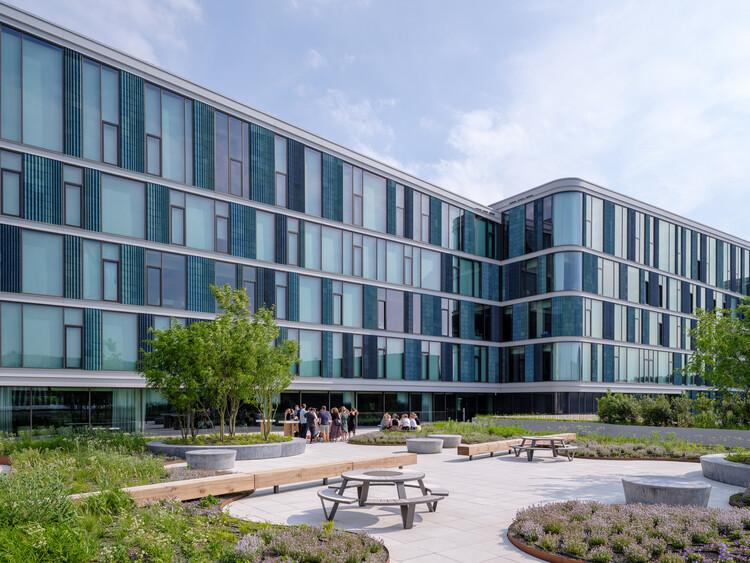
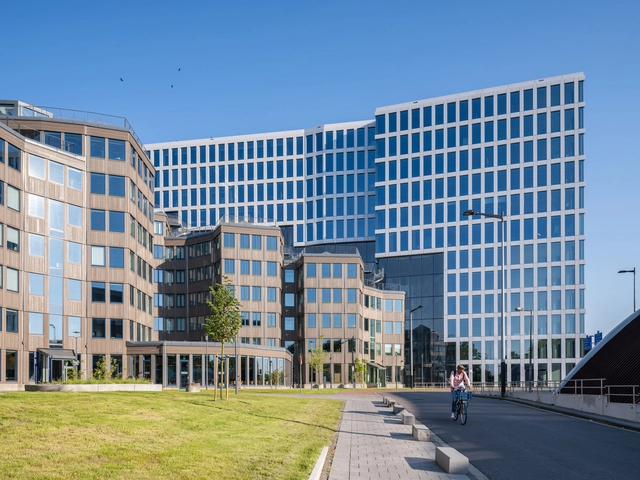
DPG Mediavaert Headquarters / Team V Architecture

DPG Mediavaert Headquarters / Team V Architecture - More Images+ 11

  • Area Area of this architecture project Area:  9999
  • Year Completion year of this architecture project Year:  2024
  • Manufacturers Brands with products used in this architecture project
    Manufacturers:  Ginkel Groep , Harry van Interieurbouw, Interalu, MAARS, Mutsaerts, +8

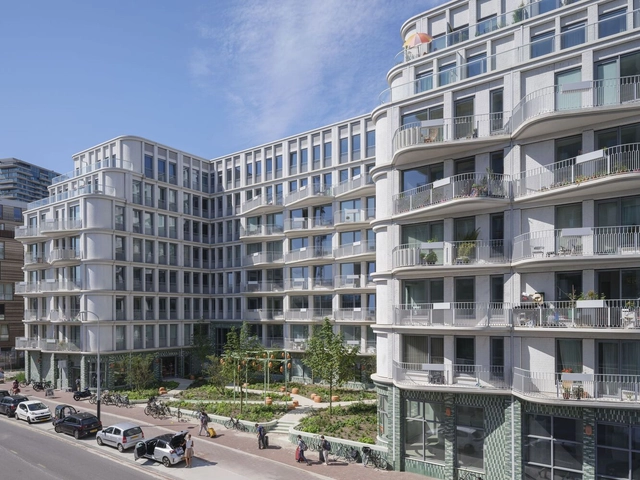
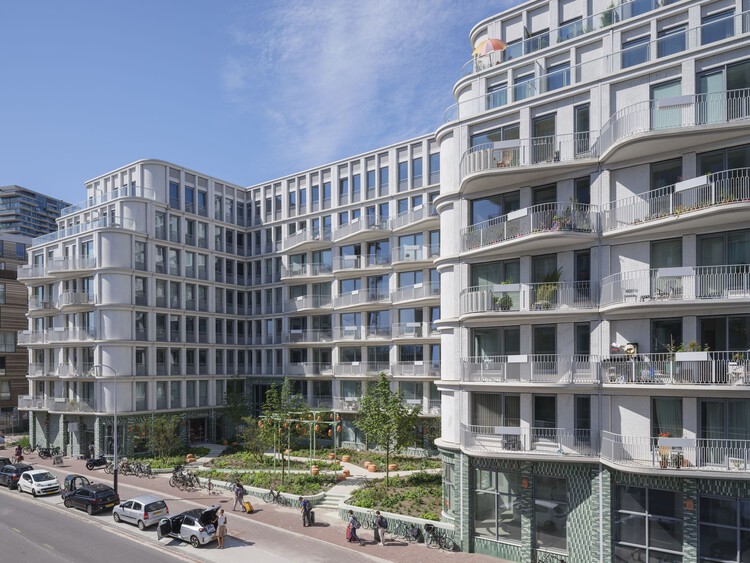
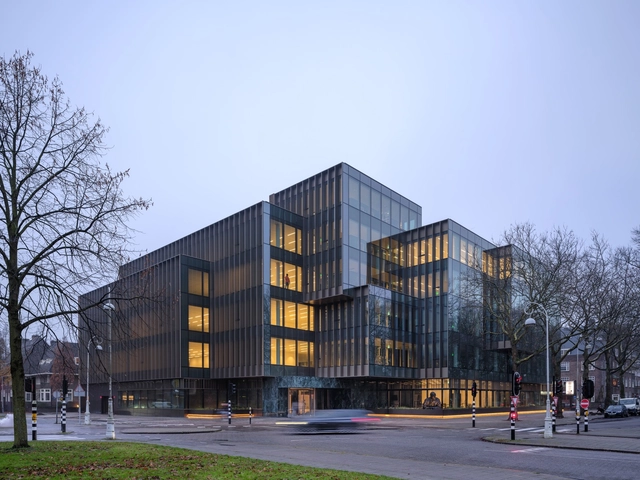
The August Social Housing / Team V Architecture

The August Social Housing / Team V Architecture - More Images+ 19

  • Area Area of this architecture project Area:  13
  • Year Completion year of this architecture project Year:  2024
  • Manufacturers Brands with products used in this architecture project
    Manufacturers:  Byldis, Cor Unum, Ginkel Groep , Tichelaar

From Churches to Homes: Conversions and Contemporary Renovations That Fuse Past and Present

Subscriber Access | 

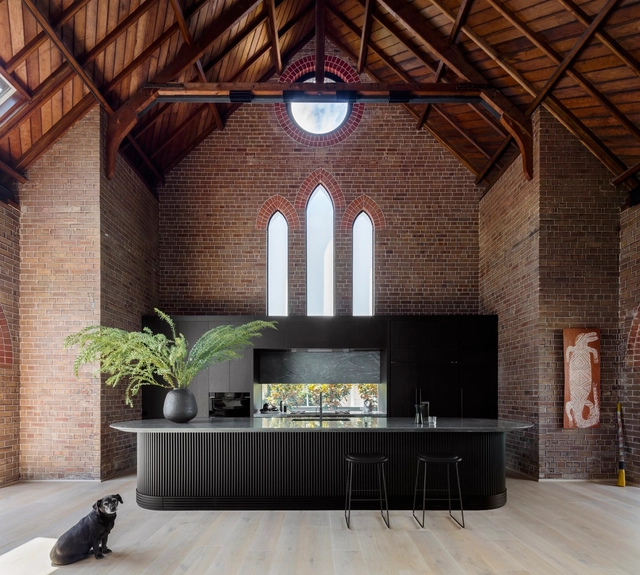
What does a change in use and/or scale in buildings imply? How can a church or chapel be transformed into a home? While the architecture of many contemporary sacred spaces shows a remarkable capacity for adaptation and evolution, the creative boundaries of many professionals extend beyond their conception as structures of spirituality or worship. Globally, the conversion of large churches and small chapels into private residences reveals a wide field for intervention and exploration, one that can preserve, restore, adapt, and/or renew the character of spaces originally conceived for other uses and scales, which for various reasons have been abandoned, become obsolete, or now require transformation.

From Churches to Homes: Conversions and Contemporary Renovations That Fuse Past and Present - More Images+ 25

Towards an Architecture of Many Intelligences: How Collective Knowledge Shapes the Built Environment

As architecture navigates a rapidly changing world shaped by ecological urgency, social transformation, and technological acceleration, the notion of intelligence is shifting. No longer confined to individual cognition or artificial computation, intelligence can emerge from cultural memory, collective practices, and adaptive systems. In this broader sense, architecture becomes a field of convergence, where natural, artificial, and social intelligences intersect to offer new ways of designing and building.

Vernacular traditions embed generations of environmental knowledge, often transmitted through materials, construction techniques, and spatial logics finely tuned to local conditions; participatory platforms expand decision-making to wider communities to take part in shaping their environments, redistributing agency in the design process; and computational processes simulate and respond to complex data in real time bringing the capacity to analyse, simulate, and respond to complex variables — whether environmental, social, or behavioural — offering new forms of adaptability.

Towards an Architecture of Many Intelligences: How Collective Knowledge Shapes the Built Environment - More Images+ 25

The Houberg Estate / Dieter Blok + Sanne Eekel

The Houberg Estate / Dieter Blok + Sanne Eekel - More Images+ 20

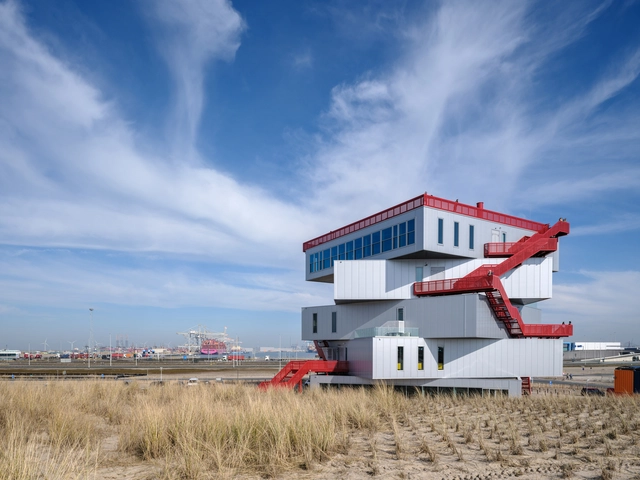
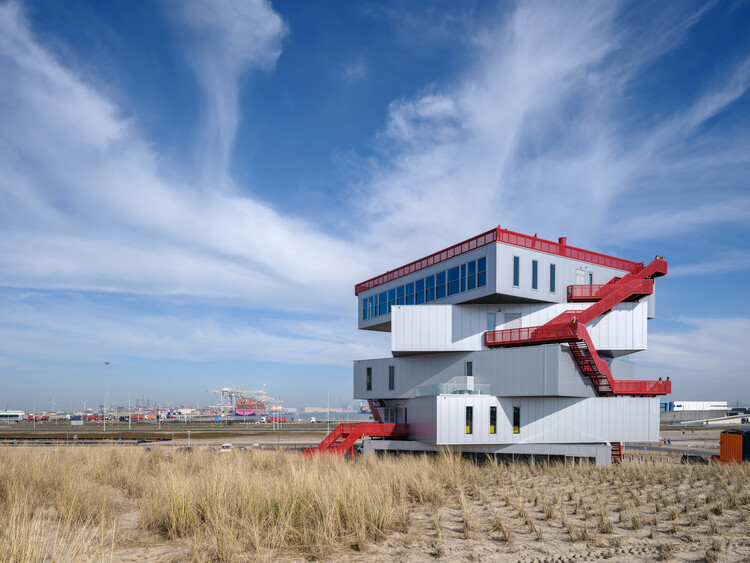
Portlantis Visitor and Exhibition Center / MVRDV

Portlantis Visitor and Exhibition Center / MVRDV - More Images+ 40

  • Architects: MVRDV
  • Area Area of this architecture project Area:  3533
  • Year Completion year of this architecture project Year:  2025
  • Professionals: Laysan

Tripolis Park / MVRDV

Tripolis Park / MVRDV - More Images+ 49

NIO House Amsterdam / MVRDV

NIO House Amsterdam / MVRDV - More Images+ 40

Amsterdam, The Netherlands
  • Architects: MVRDV
  • Area Area of this architecture project Area:  2700
  • Year Completion year of this architecture project Year:  2024
  • Manufacturers Brands with products used in this architecture project
    Manufacturers:  Duracryl
  • Professionals: Abt

Architecture & UNESCO: Rethinking Preservation and Cultural Heritage

Subscriber Access | 

Architecture has always centered on permanence and ephemerality. Defined by material conditions, how we build is closely tied to what we preserve and how we conceptualize the future. Furthering international cooperation in education, the arts, the sciences, and culture, UNESCO is an organization that continues to examine the relationship between history and growth, preservation, and change. As architecture, landscapes, and cities become threatened by the climate crisis and unrest, cultural context becomes paramount.

Architecture & UNESCO: Rethinking Preservation and Cultural Heritage - More Images+ 10

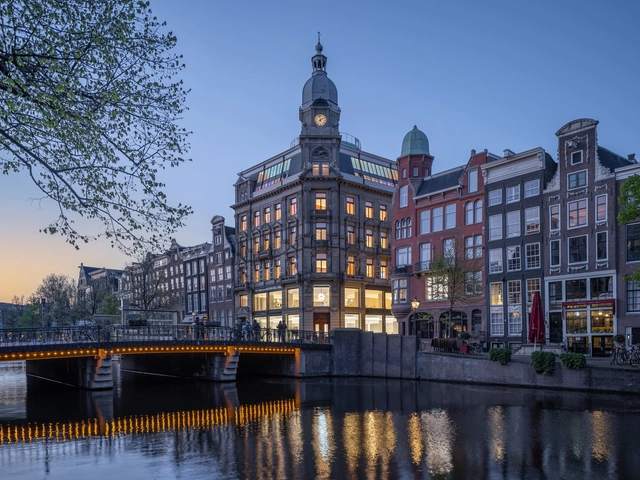
Apollolaan 171 / OMA

Apollolaan 171 / OMA - More Images+ 15