

-
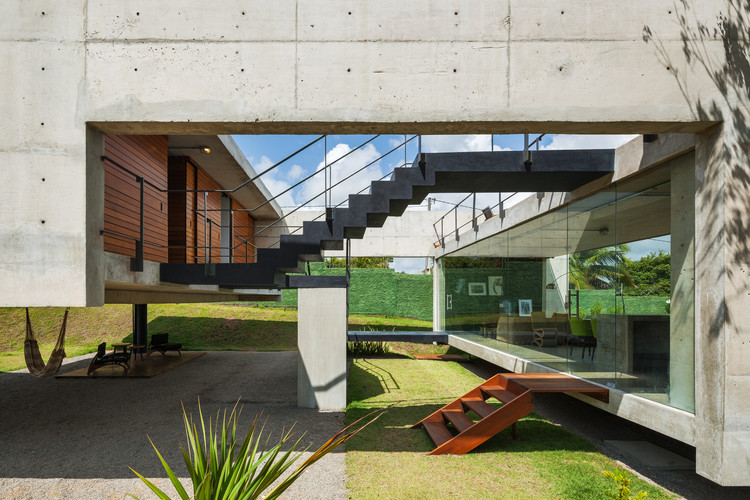
Architects: MMBB Arquitetos, SPBR Arquitetos
- Area: 750 m²
- Year: 2002


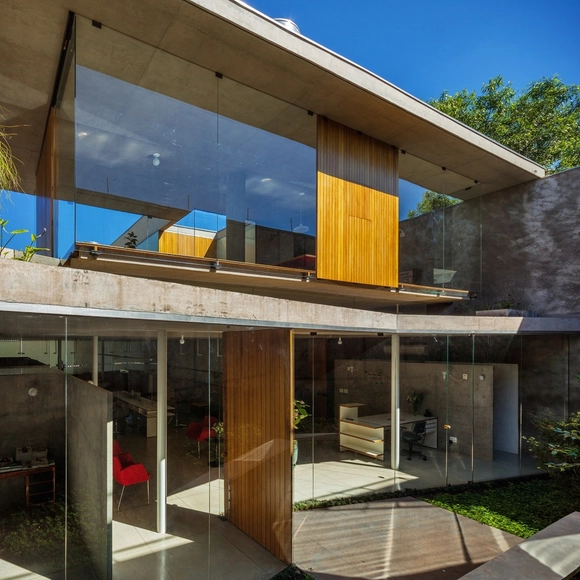
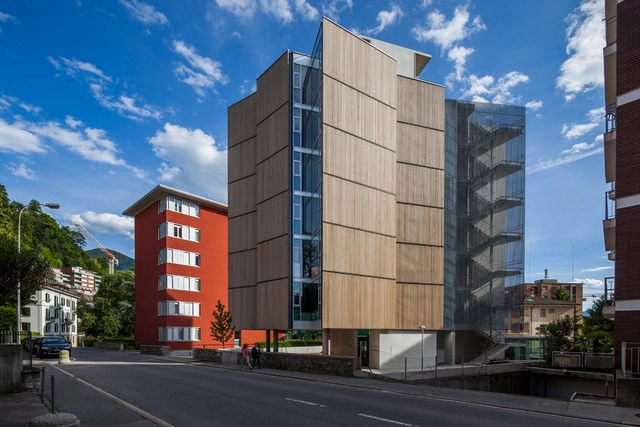
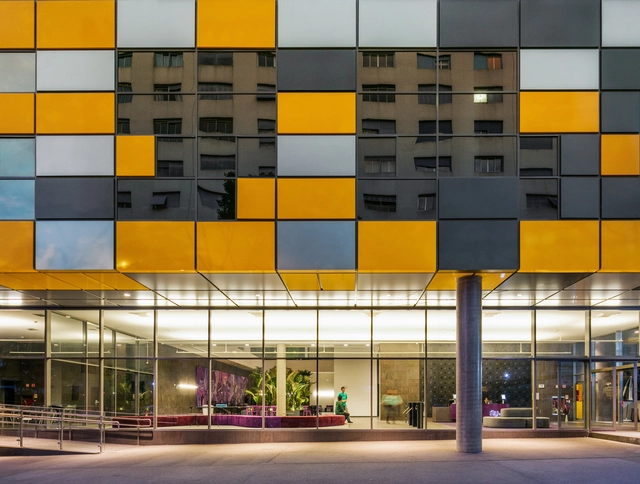

After four months of research identifying works in Latin America and the Caribbean that met the eligibility criteria of the 'Latin American Architecture Prize Rogelio Salmona: open / collective spaces' a list of finalist has been compiled. Members of the International Curatorial Committee, architects Ana Maria Duran (Andean Region), Ruth Verde Zein (Brazil Region) and Fernando Diez (Southern Cone Region), and Art History background Louise Noelle Gras (Mexico, Central America, and the Caribbean Region), postulated a total of 62 works covering the four regions.
On the 5th of August, upon completion of a shortlist the International Curatorial Committee selected 20 works whose authors will be invited by Rogelio Salmona Foundation to participate in the second round of this award.
Here are the 20 Finalists of the Latin American Architecture Prize Rogelio Salmona.
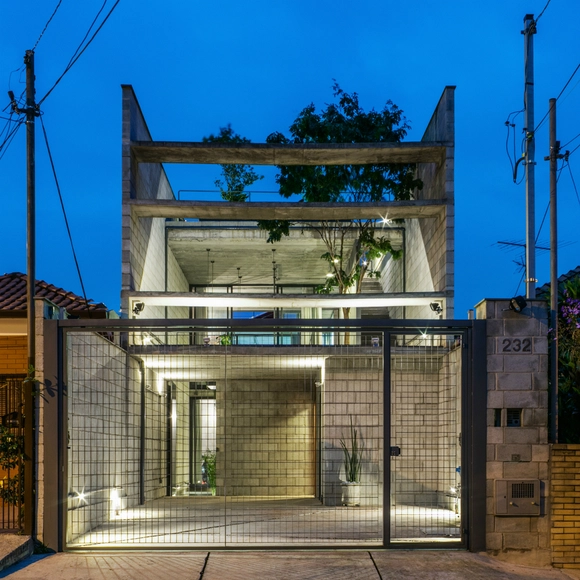
This article is part of our new "Material Focus" series, which asks architects to elaborate on the thought process behind their material choices and sheds light on the steps required to get buildings actually built.
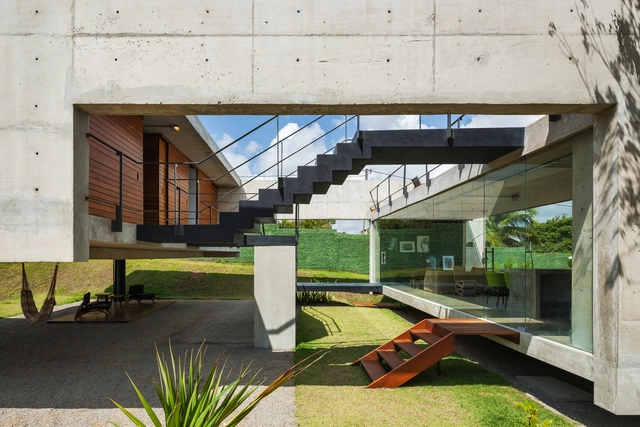
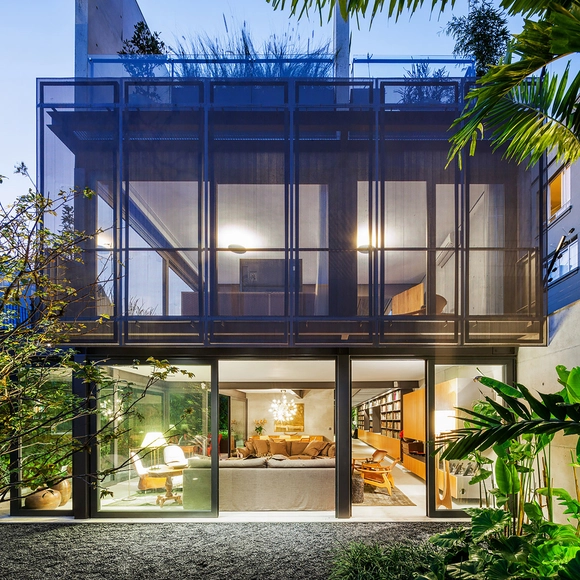
The Mipibu House, designed by Brazilian firm Terra e Tuma Arquitetos Associados, measures 170 square meters, and uses exposed concrete blocks to complement an expansive layout. Located in an unusually sized site in Brazil, a key element of the architects' design involved the consideration of the possible - or rather the inevitable - verticalization of nearby buildings. In response to this challenge, they designed a compact, complex design that answers the needs of their customer with creativity in the selection and use of materials. We talked with architect Danilo Terra to learn more about the choices of materials and the challenges of the project.
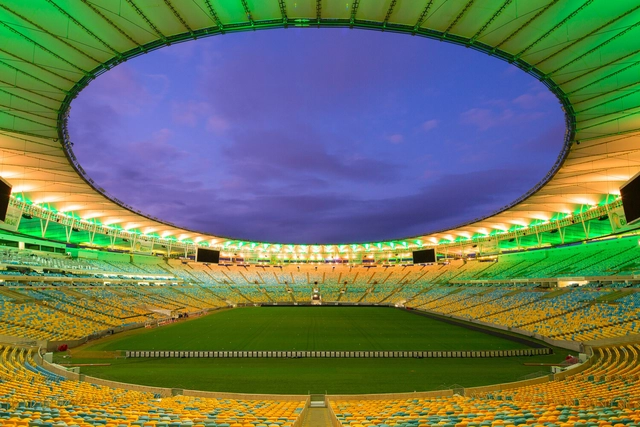
Rio de Janeiro is a city of sights and sounds. As diverse as its people is the collection of impressive architecture found in Brazil's second most populous city—from Eurocentric historical architecture to 20th century regionalist modern marvels, not to mention the city's growing crop of contemporary cultural venues. The combination of mountainous terrain, lush rainforest, and the ocean inspires many to create lively and unique architecture.
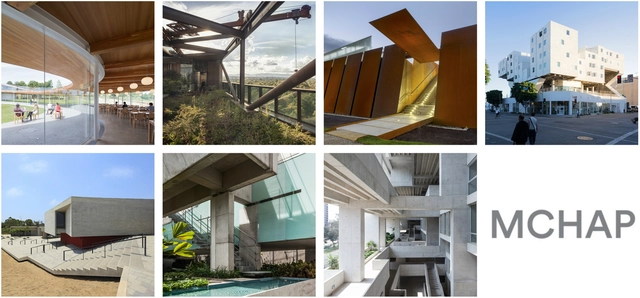
Seven projects have been named finalists in the second edition of the biennial Mies Crown Hall Americas Prize (MCHAP). Selected from a pool of 175 nominees, the chosen buildings represent the best built works of architecture realized in the Americas from January 2014 to December 2015. The inaugaral award, which was given to the best project from 2000-2013, was shared by Álvaro Siza's Iberê Camargo Foundation and Herzog & de Meuron’s 1111 Lincoln Road.
Continue after the break for the list of finalists.

.jpg?1449715864&format=webp&width=640&height=580)





.jpg?1456285655&format=webp&width=230&height=230&crop=true)
.jpg?1456285734&format=webp&width=230&height=230&crop=true)
.jpg?1456285764&format=webp&width=230&height=230&crop=true)
.jpg?1456285966&format=webp&width=230&height=230&crop=true)

.jpg?1449715820&format=webp&width=230&height=230&crop=true)
.jpg?1449715751&format=webp&width=230&height=230&crop=true)
.jpg?1449715809&format=webp&width=230&height=230&crop=true)
.jpg?1449716055&format=webp&width=230&height=230&crop=true)
.jpg?1449715864)