At ArchDaily, we're lucky enough to know a fantastic network of architecture professionals, allowing us to share the world's best architecture with our audience. But our articles wouldn't be the same without the many photographers who dedicate themselves to making incredible, inspiring images. For that reason, here we present the 50 most popular architecture images of 2017.
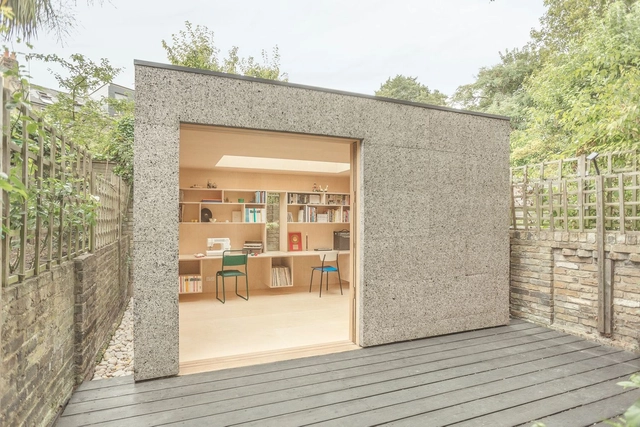
Unbeknown to many, cork is something of a dark horse when it comes to the environment—a model of a sustainable industry and building material. By its very nature, cork is both recyclable and renewable, as it is the only tree that regenerates its bark, while harvesting that bark causes the tree no harm.
Cork has been sneaking its way into our buildings for many years now; due to its hard-wearing properties it can be found, for example, in the checkerboard flooring of the Library of Congress. Even NASA has been wise to cork's light weight and insulation capacity, using it as an insulator for their space shuttles.
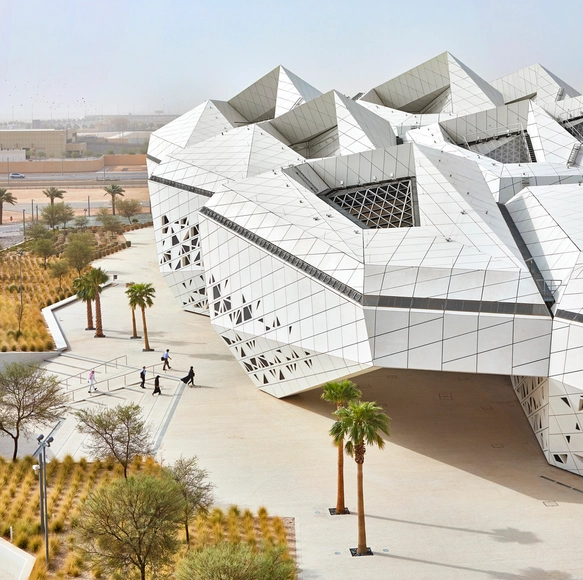
New technological developments in construction have given architects great freedom when designing. Innovations in construction materials and their properties allow for the creation of increasingly original and surprising facades. The buildings constructed as a result can even inspire people to travel thousands of kilometers just to see these masterpieces. This week, we present 15 of most ground-breaking facades through photos by prominent photographers such as Paul Ott, Peter Bennetts and Laurian Ghinitoiu.
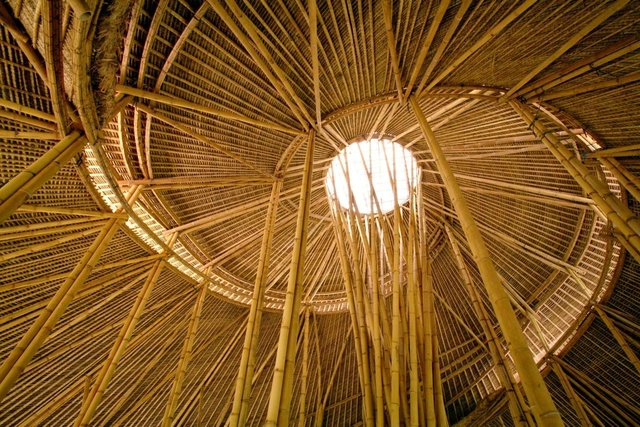
Bamboo has been used by man as a construction material since ancient times. The amazing thing about bamboo, besides being a totally natural material, is that it is sustainable, lightweight, flexible, and inexpensive. Although not widely used in the construction world (at least not when compared to materials like timber), the use of Bamboo enables original and attractive results. This week we have made a selection of 17 photos from well-known photographers such as Julien Lanoo, John Gollings, and Pasi Aalto.
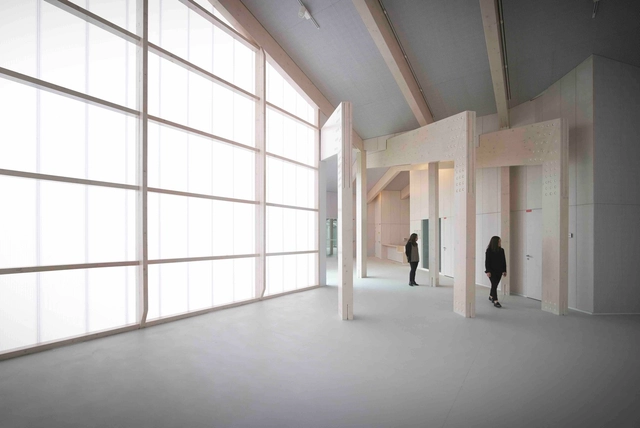
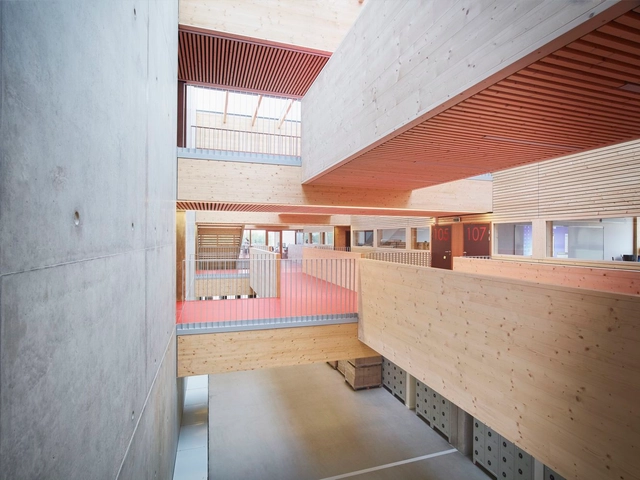
Putting aside finishes, coatings, and cladding to work with exposed structural elements is not an easy task. Faced with this challenge, architects have demonstrated an eagerness to surpass ourselves and to design increasingly creative structures. In portraying this type of project, there are often opportunities for photographers to create incredible and innovative compositions: from geometric patterns, to the use of symmetry and rhythm, to the possibility of focusing on the textures and details of the materials. Here, we present a selection of photographs of impressive structures by renowned photographers such as Iwan Baan, Julien Lanoo and Yao Li, among others.
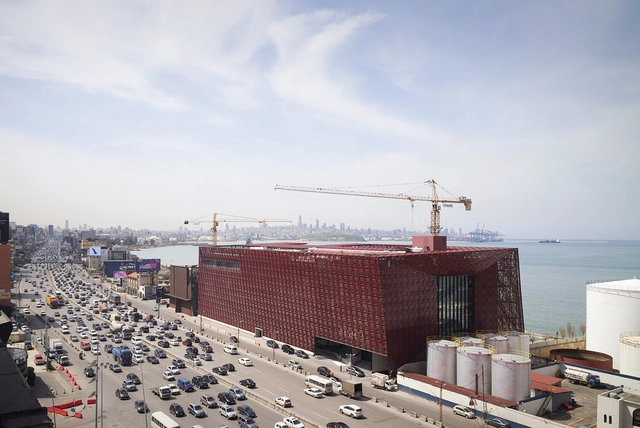
In this series, photographer Julien Lanoo turns his camera toward Adjaye Associates' Aishti Foundation in Beirut, a shopping center and museum showcasing the private contemporary art collection of Tony Salamé, the founder of Lebanese luxury retailer Aishti.
Located on a coastal brownfield site in central Beirut, the building integrates the two distinct programs by establishing what the architects call a "celebration of views into the spaces as well as a homogenising tiled design that presents a language throughout the building’s floor, façade and roof." Interior spaces are organized around a reflective central atrium, while an undulating landscape along the water reclaims seaside public space, and opens up views over the city of Beirut.
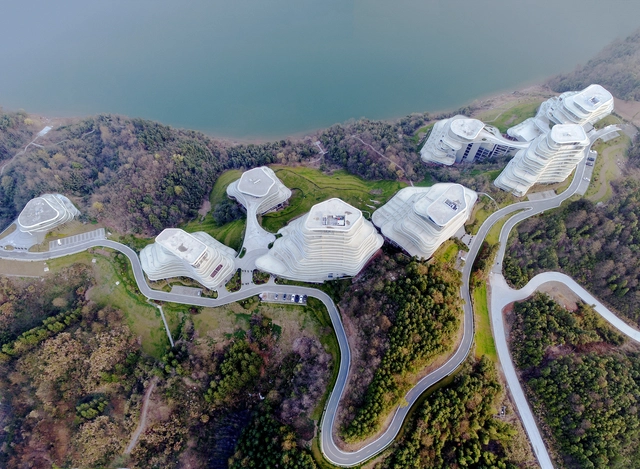
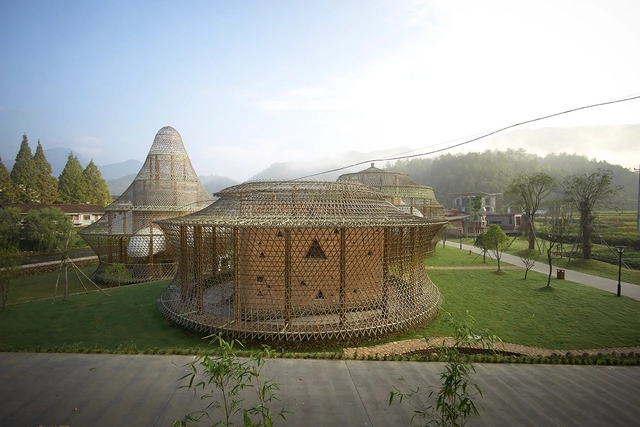
Last september, the first-ever International Bamboo Architecture Biennale was held in the peaceful village of Baoxi in China's Zhejiang province. Curated by local artist Ge Qiantao and architect George Kunihiro, the event saw the construction of 18 bamboo-centered structures designed by 12 architects, including notable names such as Kengo Kuma, Vo Trong Nghia, Anna Herringer, Li Xiaodong and Simon Velez. Aimed at exploring the potential of the sustainable material within contemporary architecture, the structures were built as permanent fixtures that will continue to serve the town after the Biennale’s close.
In this photoset, photographer Julien Lanoo has captured the vibrant results of the inaugural event, exhibiting the structures against the rural mountain landscape.










_Julien_Lanoo.jpg?1501015053&format=webp&width=640&height=580)
_Julien_Lanoo.jpg?1501014997&format=webp&width=230&height=230&crop=true)
_Julien_Lanoo.jpg?1501015164&format=webp&width=230&height=230&crop=true)
_Julien_Lanoo.jpg?1501015137&format=webp&width=230&height=230&crop=true)
_Julien_Lanoo.jpg?1501015118&format=webp&width=230&height=230&crop=true)
_Julien_Lanoo.jpg?1501015053)














_Julien_Lanoo__(13).jpg?1479978877&format=webp&width=640&height=580)
_Julien_Lanoo__(20).jpg?1479978943&format=webp&width=230&height=230&crop=true)
_Julien_Lanoo__(2).jpg?1479978688&format=webp&width=230&height=230&crop=true)
_Julien_Lanoo__(4).jpg?1479978671&format=webp&width=230&height=230&crop=true)
_TANK_Architectes__(5).jpg?1479978740&format=webp&width=230&height=230&crop=true)
_Julien_Lanoo__(13).jpg?1479978877)
.jpg?1479243311&format=webp&width=640&height=580)
.jpg?1479243345&format=webp&width=230&height=230&crop=true)
.jpg?1479243239&format=webp&width=230&height=230&crop=true)
.jpg?1479243144&format=webp&width=230&height=230&crop=true)
.jpg?1479243009&format=webp&width=230&height=230&crop=true)
.jpg?1479243311)