When considering “How Will We Live Together”, it is important to note the projective and future tense of the phrase. The idea not only encompasses ways we already share our built environment but targets the anticipated issues that are to be tackled to facilitate communal and mutually beneficial ways of living.
“Time is a resource we are not spending properly. People are eager to save other resources, but they don’t mind spending their time carelessly,” says Anupama Kundoo in this Louisiana ChannelInterview, where she talks about time as a general concept, sharing some of her philosophy of life on the matter. Turning to architecture, Kundoo reflects on the sense of urgency governing the current design process, obstructing any long term thinking about the collective body of work left as a legacy to future generations; therefore she urges architects to take time to rethink their work and refine their designs.
“A House is a place (…) as physical as a set of feelings. (…) a home is a relation between materiality and mastery and imaginative processes, where the physical location and materiality and the feelings and ideas are united and influence each other, instead of being separated and distinct. (…) a house is a process of creation and comprehension of ways of living and belonging. A house is lived, as well as imagined. The meaning of house and the way it materially manifests itself, it´s something that is created and recreated in an unceasingly way through every day domestic tasks, which are themselves connected to the spacial imaginary of the house”1
The sentence above is the starting-point of the current reflection, in an exercise that will mark meaningfully my approach to the way of projecting houses.
Alejandro Zaera-Polo (born October 17th 1963) is an internationally recognized architect and scholar, and founder of London, Zurich, and Princeton-based firm Alejandro Zaera-Polo & Maider Llaguno Architecture (AZPML). First rising to prominence in the 1980s with his writings for publications such as El Croquis, Zaera-Polo has had a prolific career in both the academic and professional realms of architecture.
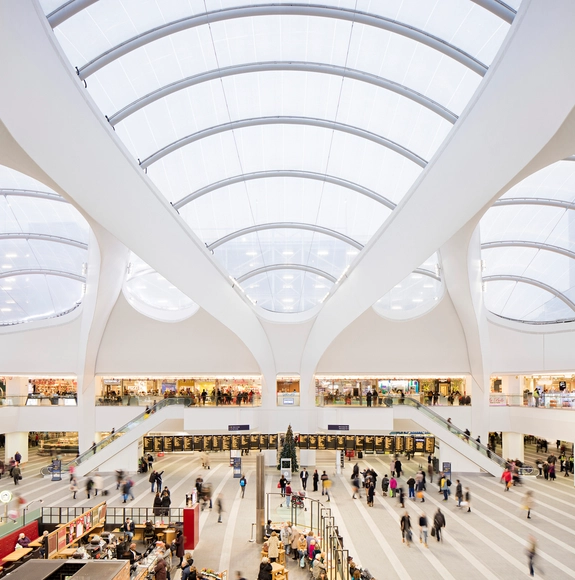
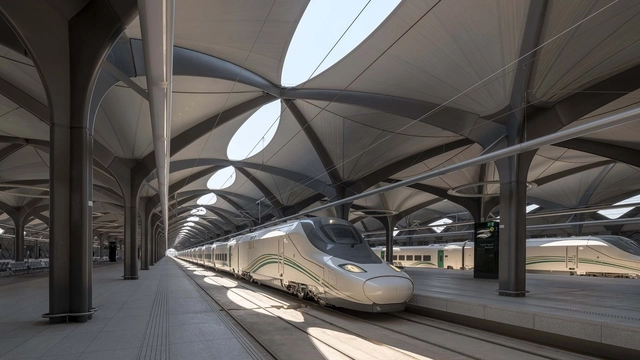
Train stations are usually complex programs since they must not only solve the departure and arrival of trains but also respond to the circulation of its users, provide certain services and be a connecting space between the transport systems of a city. Architects from different parts of the world have developed different solutions to this program. Below you can find 10 examples of train stations, their floor plans and sections.
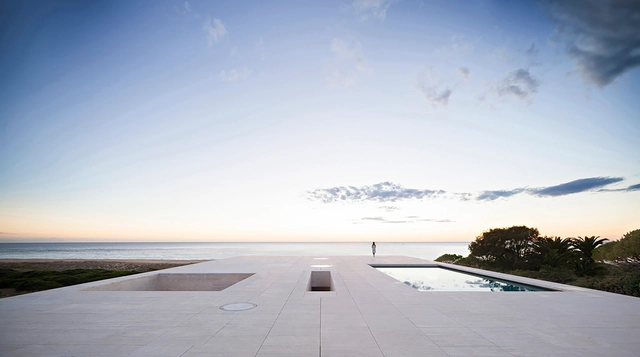
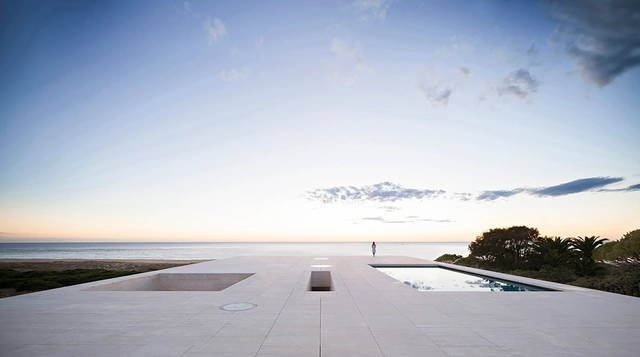
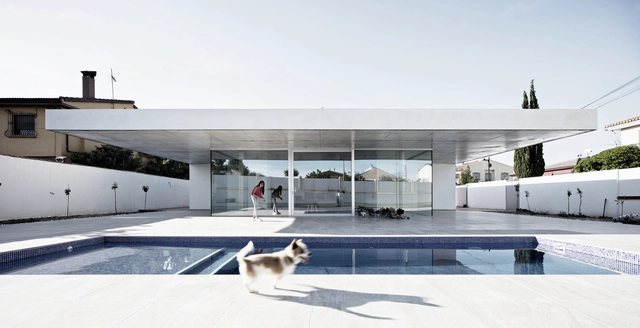
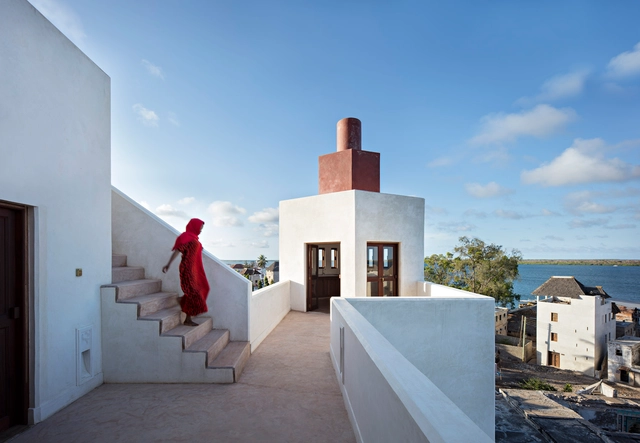
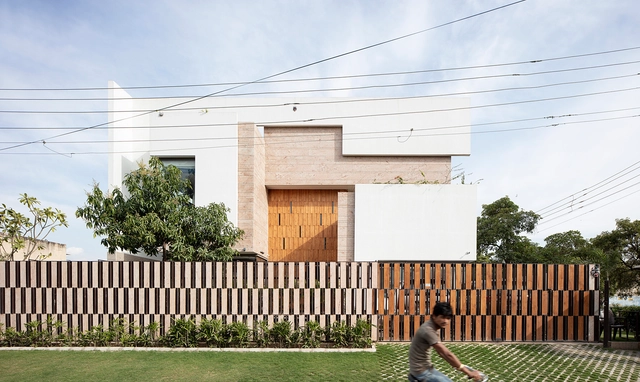
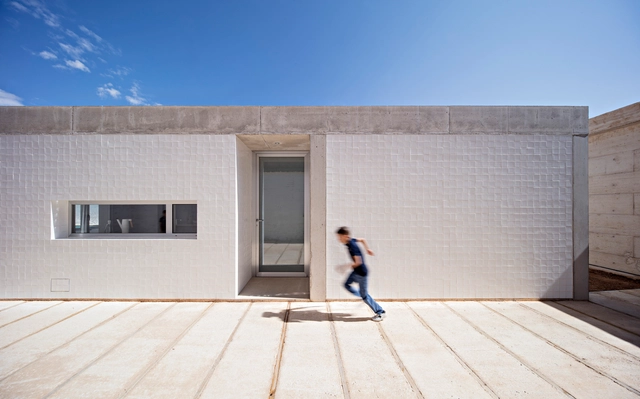
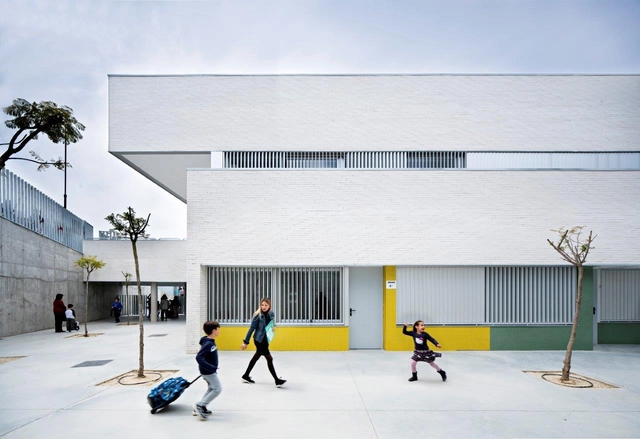
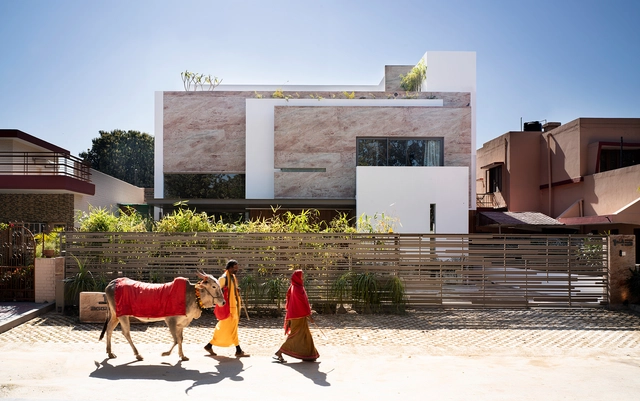
The purpose of architectural photography is to show a design in the best possible way, with the artform often characterized by perspective correction and atmospheric lighting. However, few architectural photographers have experimented with other artistic disciplines. Miguel de Guzmán, Paul Vu and Jules Couartou are among those who have challenged the limits of this form of photography, generating an interesting crossover between architecture photography, fashion and performances. In their images, the relationship between space and the user is shown through a scene designed to register an effect on the viewer. The results are images which are full of creativity.






.jpg?1585773323&format=webp&width=640&height=580)