_Javier_Callejas_1733-627c.jpg?1584390982&format=webp&width=640&height=580)
_Javier_Callejas_1733-518b.jpg?1584391223&format=webp&width=230&height=230&crop=true)
_Javier_Callejas_1733-351b.jpg?1584392549&format=webp&width=230&height=230&crop=true)
_Javier_Callejas_1733-591b.jpg?1584391049&format=webp&width=230&height=230&crop=true)
_Javier_Callejas_1733-375b.jpg?1584391334&format=webp&width=230&height=230&crop=true)
_Javier_Callejas_1733-627c.jpg?1584390982)
-
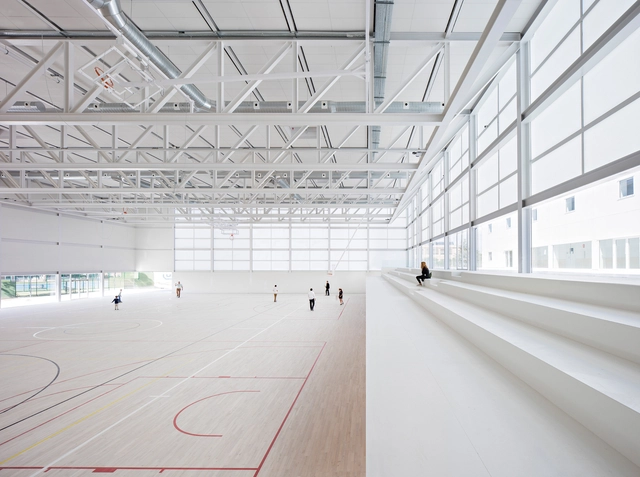
Architects: Lemoal Lemoal Architectes
- Area: 200 m²
- Year: 2019
-
Professionals: IBATEC, Loizillon Ingenierie, Octobre Office, Qualiconsult




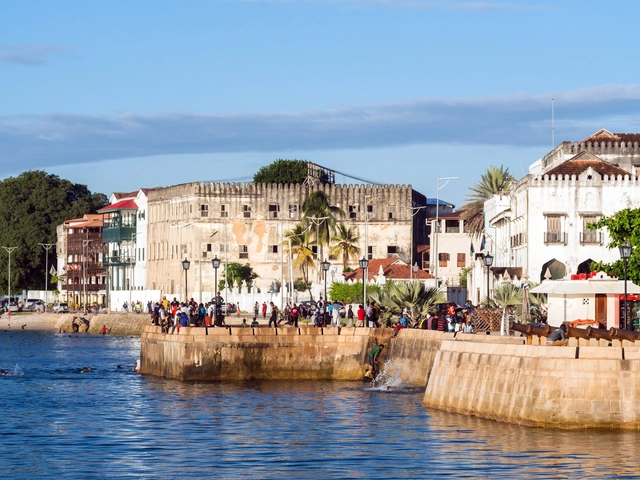
The African continent has been - throughout history – a key player in the ever-evolving story of human migration. Cultures and customs have been shared, adapted, and re-imagined as a result of this movement of populaces, and architectural styles are no exception. In a way, the varied architecture present in Africa is a lens one can look at to understand the intricacies of migration. Present on the continent are ancient indigenous and building typologies born out of the organic assimilation of cultures. Also present are remnants of colonial architecture, a legacy not of voluntary migration, but of forced colonial imposition.
.jpg?1626079817&format=webp&width=640&height=580)
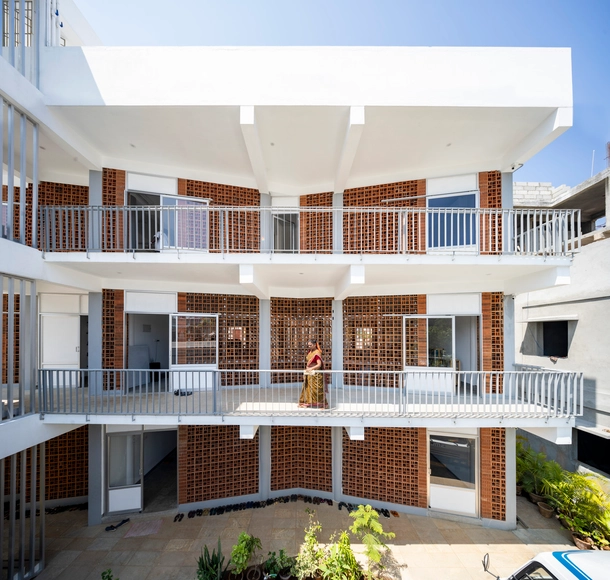
Choice of building materials and the inherent continuous reflection about the reach and capabilities of architecture are an interesting alternative way to approach this issue. The materials used in social housing should address local and economic possibilities and the real needs for access to housing in the contemporary context.
In this article, we analyze different projects published on our site to identify some of the predominant materials used in social housing, both for the formation of structures or enclosures. The intentions of this are two-fold: firstly, to create a worldwide panorama of different case studies with different construction styles from a range of geographical locations, and secondly, to provide inspiration and tools to architects to make better social housing.
Below we present 15 social housing projects and their diverse materials and construction styles.
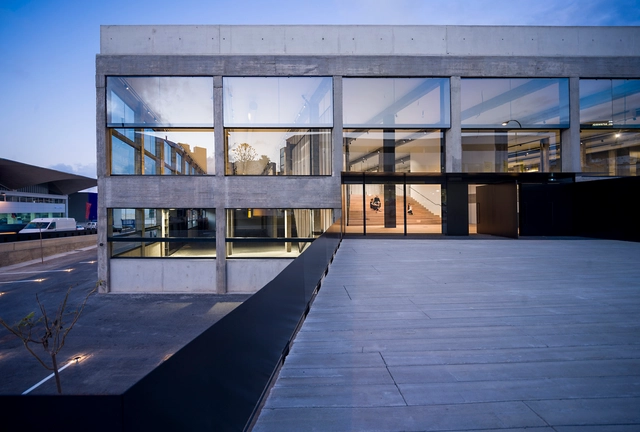
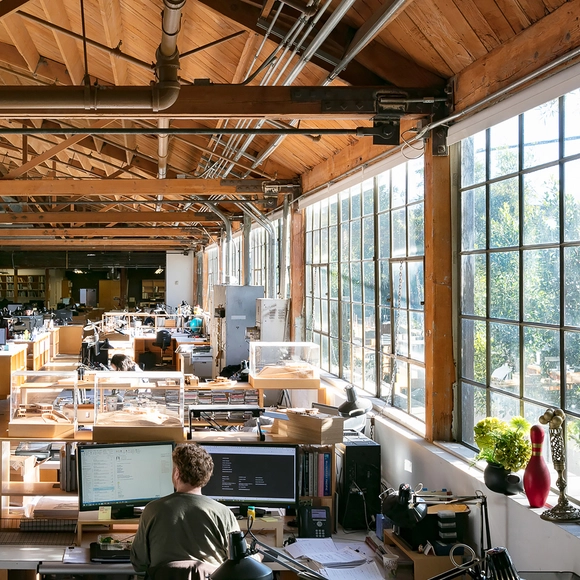
Although architecture itself is universal, the day-to-day practice still varies across the world, influenced by a wide range of factors, from the professional requirements and responsibilities of an architect, the local environment, history and building customs, to local priorities and challenges. In a hyper-connected world, where architecture seems to become more uniform, how do local contexts and characteristics shape the built environment? This article taps into the commonalities and the variations within the architecture profession.
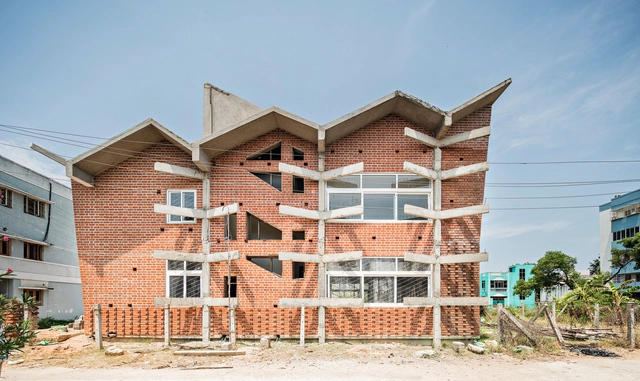
In Louisiana Channel's latest interview, Indian architect Anupama Kundoo shares her thoughts on the importance of balancing between traveling and being in solitude with oneself. "I think travel is important, but if you're not rooted yourself, you will go to a hundred places and not see anything", explained the architect, "traveling helps you step back from what you take for granted".
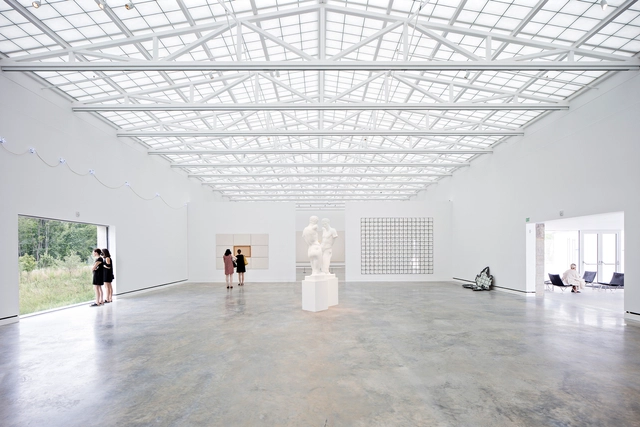
Ventilation serves two main purposes in a room: first, to remove pollutants and provide clean air; second, to meet the metabolic needs of the occupants, providing pleasant temperatures (weather permitting). It is well known that environments with inadequate ventilation can bring serious harm to the health of the occupants and, especially in hot climates, thermal discomfort. A Harvard University study demonstrated that in buildings with good ventilation and better air quality (with lower rates of carbon dioxide), occupants showed better performance of cognitive functions, faster responses to extreme situations, and better reasoning in strategic activities.
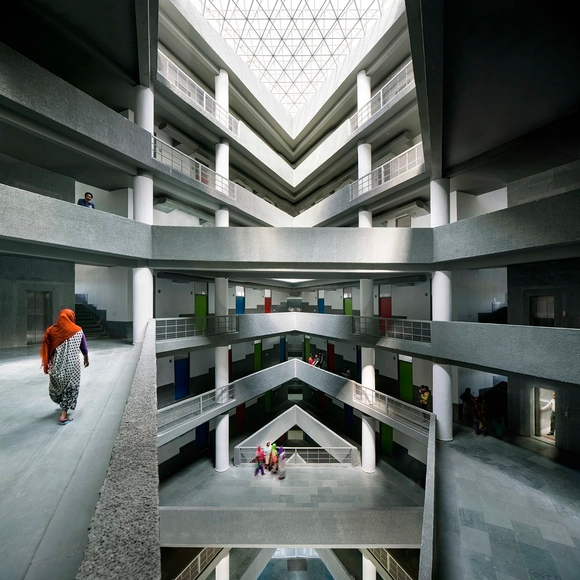
It is not difficult to see that ventilation plays a vital role in ensuring adequate air quality and thermal comfort in buildings. We have all felt it. But when we talk about ventilation, a light breeze from the window might come to mind, shifting through our hair and bringing a pleasant aroma and cooling temperature that brings fresh air and comfort. In mild climates, this experience can even be a reality on many days of the year. In harsh climates or polluted spaces, it could be quite different.
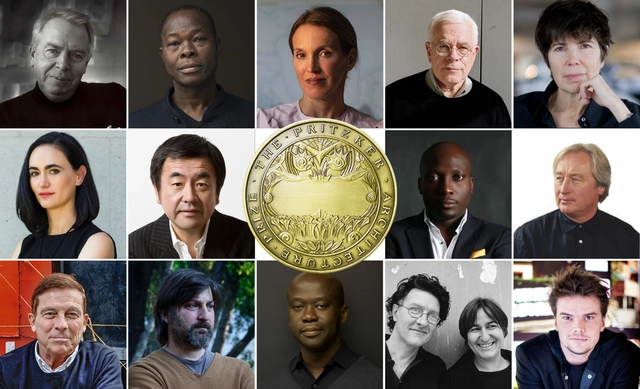
Since the winner(s) of the Pritzker Prize 2021 will be announced on Tuesday, March 16th, we have asked our readers who should win the most important award in the field of architecture.
.jpg?1441765217&format=webp&width=640&height=580)
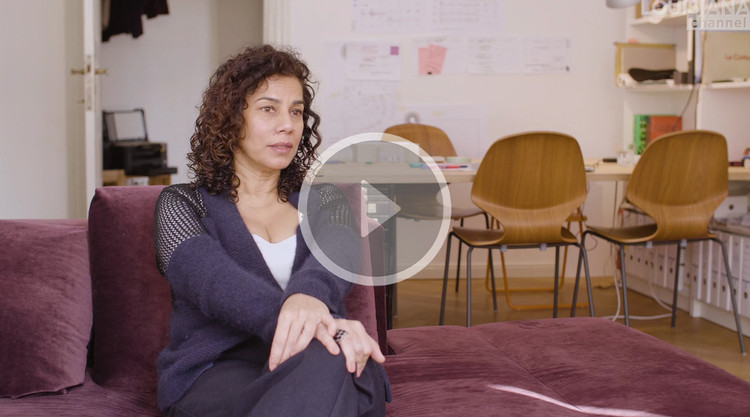
In Louisiana Channel's latest interview, Indian architect Anupama Kundoo shares her thoughts on the importance of observing the surroundings from the perspective of time and its imprint on matter. "Before humans, there was an architecture that life itself creates," says the architect discussing the natural world as a source of inspiration, pointing out that one "can see the same question already solved by nature".


.jpg?1618576449&format=webp&width=230&height=230&crop=true)

.jpg?1618576436&format=webp&width=230&height=230&crop=true)

.jpg?1618238885&format=webp&width=230&height=230&crop=true)


.jpg?1618238951&format=webp&width=230&height=230&crop=true)

.jpg?1612830461&format=webp&width=640&height=580)
.jpg?1612830606&format=webp&width=230&height=230&crop=true)
.jpg?1612830729&format=webp&width=230&height=230&crop=true)
.jpg?1612830666&format=webp&width=230&height=230&crop=true)

.jpg?1612830461)


.jpg?1441765207&format=webp&width=230&height=230&crop=true)
.jpg?1441765537&format=webp&width=230&height=230&crop=true)
.jpg?1441765440&format=webp&width=230&height=230&crop=true)
.jpg?1441765385&format=webp&width=230&height=230&crop=true)
.jpg?1441765217)


.jpg?1606397161&format=webp&width=230&height=230&crop=true)


