Iwan Baan

BROWSE ALL FROM THIS PHOTOGRAPHER HERE

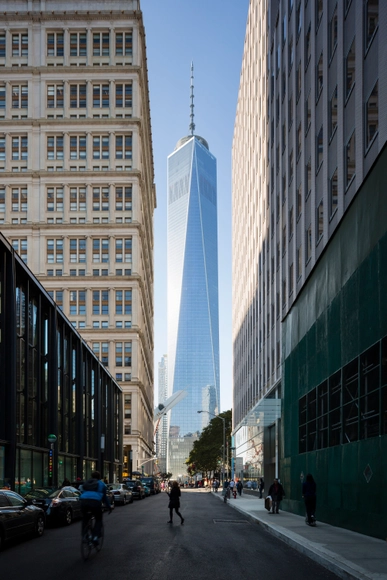
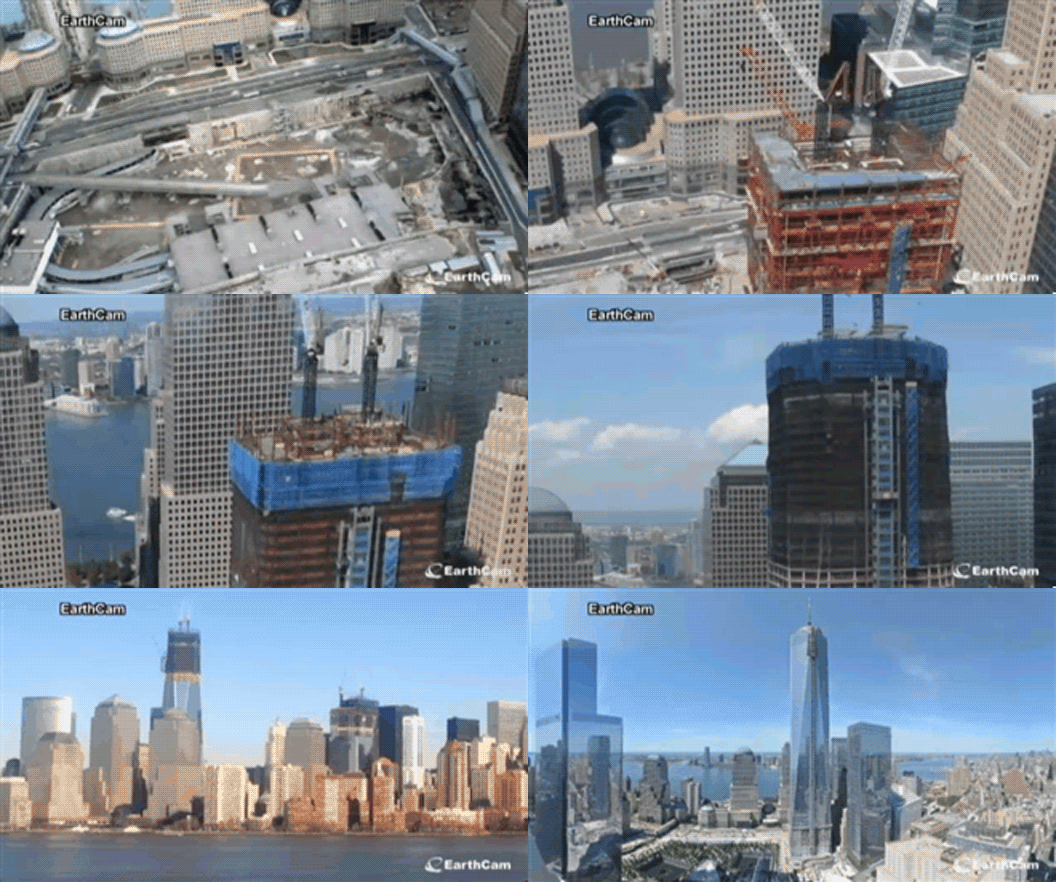
Images of SOM's Completed One World Trade Center in New York

The first tenant has moved into the One World Trade Center, making Monday, November 3, the official opening of the (arguably) tallest building in the Western hemisphere 13 years after the tragedy of 9/11. The “extraordinary moment was passed in the most ordinary of ways,” described the New York Times, as employees of Conde Nast entered into the white marble lobby (taken from the same quarry that produced marble for the original twin towers) and headed straight to the elevators to start their work day.

To celebrate its completion, renowned architectural photographers Iwan Baan and James Ewing took it to the sky to capture the One World Trade Center in all its glory. The images, after the break.
How Kunlé Adeyemi "Engages the Local and Specific To Have a Powerful Effect on a Global Level"

Subscriber Access | 

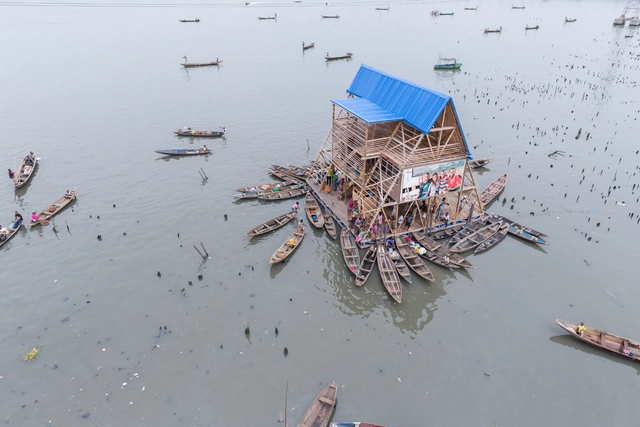
Kunlé Adeyemi, the 38 year-old former disciple of Rem Koolhaas, made headlines last year with his Makoko Floating School, which enabled better access to education a slum community in Lagos. In this profile of Adeyemi and his Practice NLÉ Architects, originally published by Metropolis Magazine, Avinash Rajagopal explores what drives the young architect, explaining why he was selected as one of 10 designers in Metropolis Magazine's 2014 New Talent list.

When the Makoko Floating School was completed in March 2013, it received wildly enthusiastic critical acclaim from the international news media. The simple A-frame structure, buoyed by recycled plastic barrels in a lagoon in Lagos, Nigeria, was designed by NLÉ, a Lagos- and Amsterdam-based studio founded by the architect Kunlé Adeyemi. The project, intended as a model for how Lagos’s floating community could build simple, sustainable structures for themselves, subsequently faced a few challenges. One of the biggest was winning over local officials, who simply did not know what to make of such a building.

Gehry's Fondation Louis Vuitton in Paris: The Critics Respond

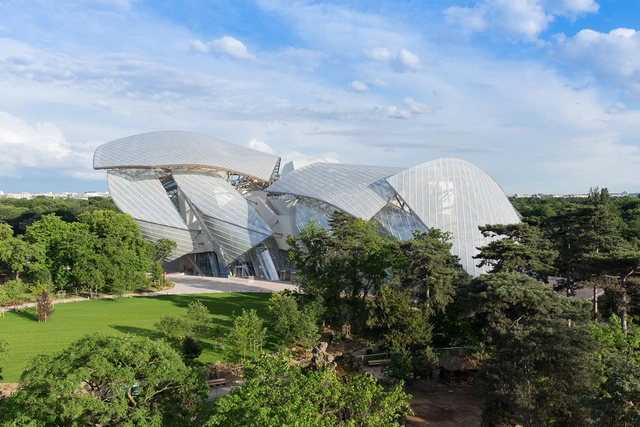
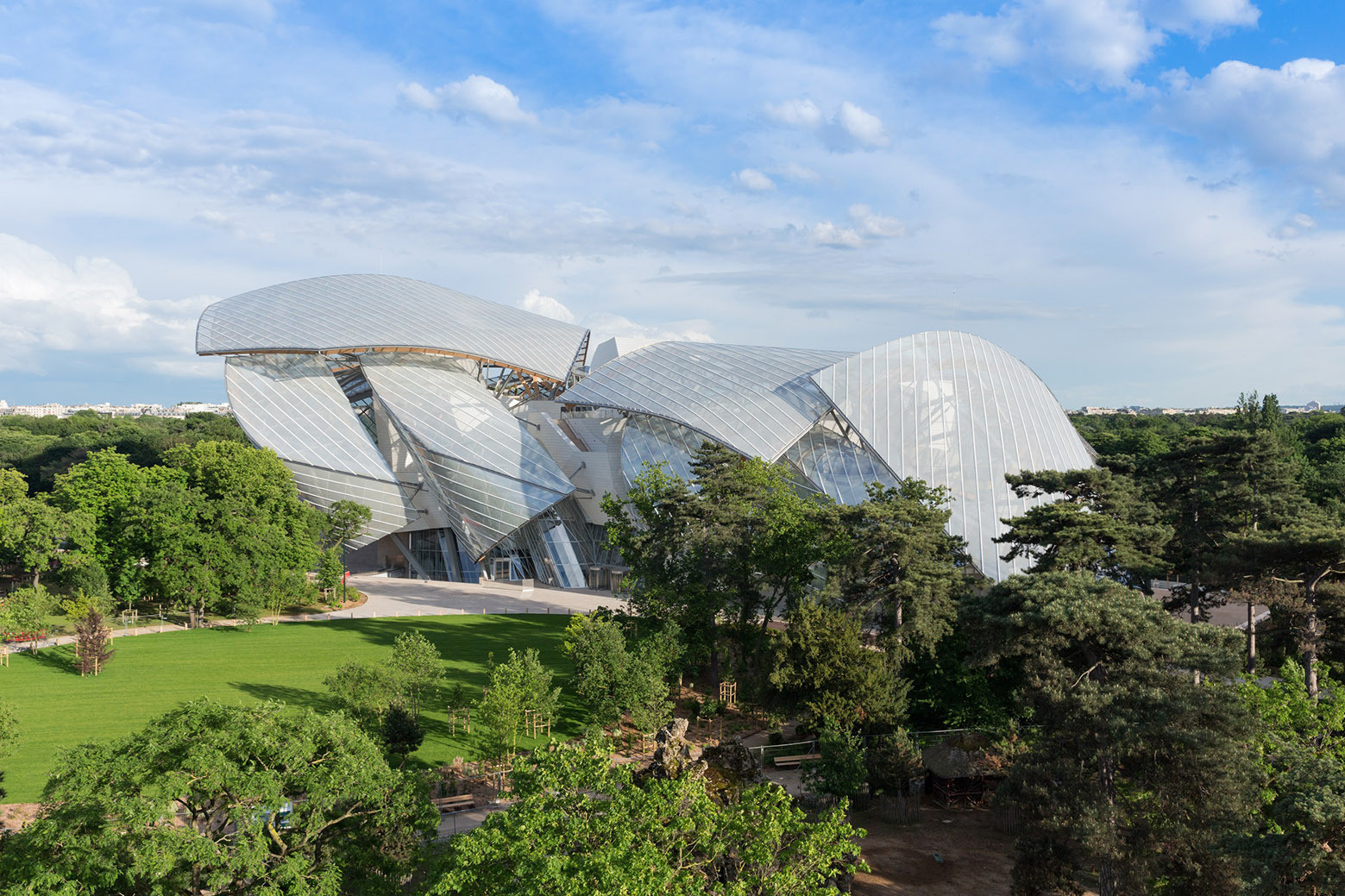
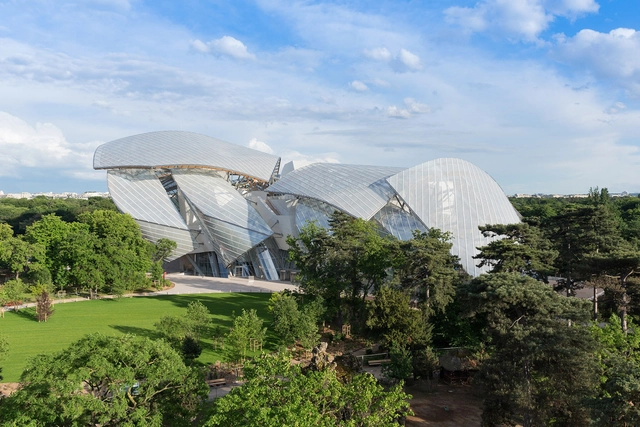
The people behind Frank Gehry's Fondation Louis Vuitton (FLV) in Paris, which is set to officially open on the 27th October 2014, recently invited a band of architecture critics to take a look around and pen their thoughts. Gehry's bold approach to architectural form, most evident in buildings like the Guggenheim Museum in Bilbao and the Walt Disney Concert Hall in LA, matches the foundation's aim to "promote and support contemporary and artistic creation" in France. According to their website, they in particular embody "a passion for artistic freedom." How, then, has the enormous sailed structure, challenged by local opposition from the outset, settled into its Parisian parkland surroundings?

See what The Guardian's Oliver Wainwright, The Observer's Rowan Moore, Vanity Fair's Paul Goldberger, The LA Times' Christopher Hawthorne, as well as the Architectural Digests' Mayer Rus, had to say about Gehry's latest completed building after the break.

Gehry's Fondation Louis Vuitton in Paris: The Critics Respond - More Images+ 1

Why China's President Says "No More Weird Buildings"

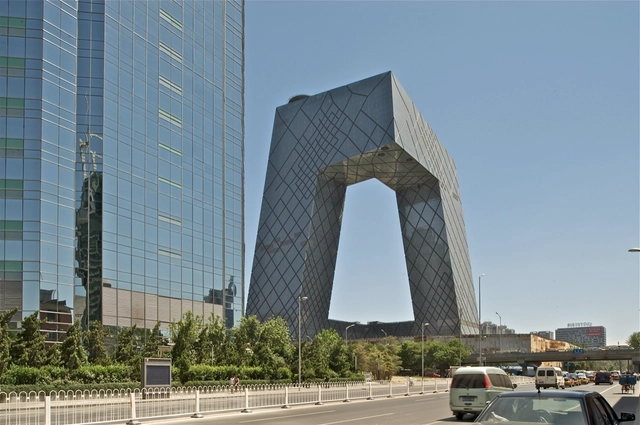
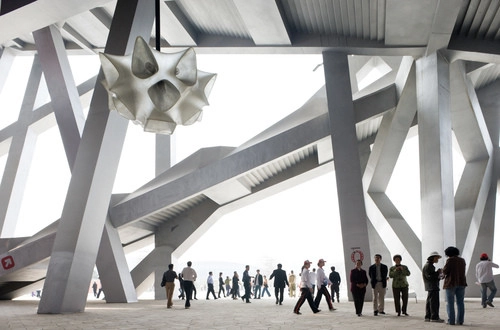
The President of the People's Republic of China, Xi Jinping, has reportedly called for an end to the "weird buildings" being built in China, and particularly in the nation's capital, Beijing. In a two hour speech at a literary symposium in Beijing last week, Mr Xi expressed his views that art should serve the people and be morally inspiring, identifying architectural projects such as OMA's CCTV Headquarters as the kind of building that should no longer be constructed in Beijing.

With China's construction boom being one of the most talked about features of today's architecture scene - and many a Western practice relying on their extravagant projects to prop up their studios - the Chinese leader's comments have the potential to affect the landscape of architectural practice worldwide. But what is behind these sentiments? Read on after the break to find out.

Fondation Louis Vuitton / Gehry Partners

Fondation Louis Vuitton / Gehry Partners - More Images+ 19

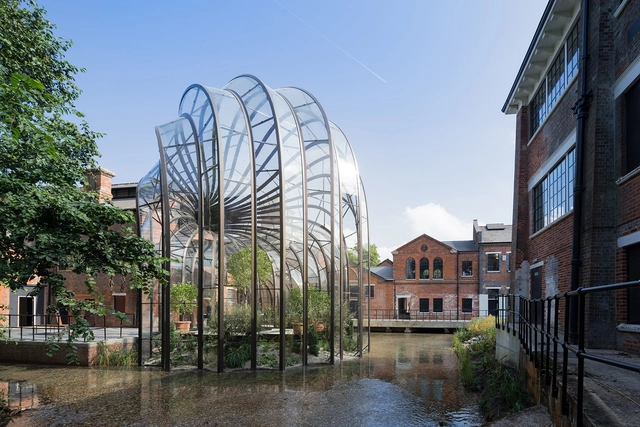
Bombay Sapphire Distillery / Heatherwick Studio

Bombay Sapphire Distillery / Heatherwick Studio - More Images+ 6

  • Architects: Heatherwick Studio
  • Area Area of this architecture project Area:  4500
  • Year Completion year of this architecture project Year:  2014
  • Manufacturers Brands with products used in this architecture project
    Manufacturers:  Bellapart, Kuraray, Adapta Color, Cricursa

The High Line's Final Chapter is Complete; But Don't Close the Book Just Yet

Subscriber Access | 

With the opening of the final section of New York's High Line last month, the city can finally take stock on an urban transformation that took a decade and a half from idea to reality - and which in the five years since the first section opened has become one of the great phenomena of 21st century urban planning, inspiring copycat proposals in cities around the globe. In this article, originally published by Metropolis Magazine as "The High Line's Last Section Plays Up Its Rugged Past," Anthony Paletta reviews the new final piece to the puzzle, and examines what this landmark project has meant for Manhattan's West Side.

The promise of any urban railroad, however dark or congested its start, is the eventual release onto the open frontier, the prospect that those buried tracks could, in time, take you anywhere. For those of us whose only timetable is our walking pace, this is the experience of the newly opened, final phase of the High Line. The park, after snaking in its two initial stages through some 20 dense blocks of Manhattan, widens into a broad promenade that terminates in an epic vista of the Hudson. It’s a grand coda and a satisfying finish to one of the most ambitious park designs in recent memory.

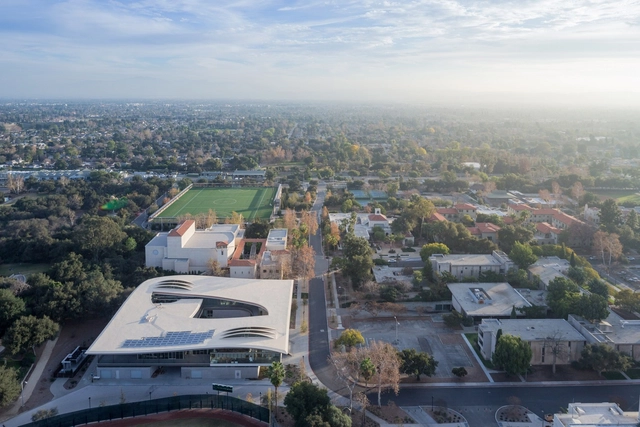
Pomona College Studio Art Hall / WHY Architecture

Pomona College Studio Art Hall / WHY Architecture - More Images+ 43

  • Architects

  • Location

    Pomona Hall, Amherst, Claremont, CA 91711, USA
  • Project Year

    2014
  • Photographs

  • Area

    35000.0 ft2

Callous Indifference or Fetishizing Poverty: What Exactly Can Architects Do About Slums?

In an excellent essay for the Architectural Review, Charlotte Skene Catling deftly ties together a number of recent debates in the field of morality in architecture, from the false accusations aimed at Zaha Hadid by critic Martin Fuller to recent debates over whether architects have any responsibility to tackle poverty, an ostensibly political issue. Taking aim at one article in particular - in which Dan Hancox argues that architects such as Urban Think Tank who engage in humanitarian work are often 'fetishizing poverty' - Catling dissects the work of many of those in the field to find that they in fact do vital work to connect the top-down and bottom-up approaches that would otherwise never meet in the middle. Or, as Urban Think Tank's Alfredo Brillembourg says, in opposition to the horizontal city of the 19th century or the vertical city of the 20th, "the 21st century must be for the diagonal city, one that cuts across social divisions." Click here to read the article in full.

Take a Walk on the High Line with Iwan Baan

Take a Walk on the High Line with Iwan Baan - Featured Image
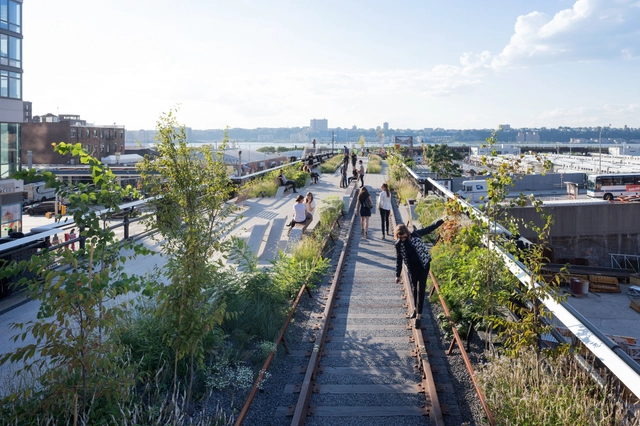
View looking west along one of the Rail Track Walks. Image © Iwan Baan, 2014 (Section 3)

Sunday marked the completion of the New York City High Line, a three-phased project that transformed the once disused elevated rail tracks on Manhattan’s West Side into one of the world’s most respected public parks. With the first section opening in 2009, architectural photographer Iwan Baan has been documenting the entire process. Now, for the first time we present to you a photographic journey through the completed High Line designed by James Corner Field Operations with Diller Scofidio + Renfro. Take a look, after the break.
Diébédo Francis Kéré and Architectural Energy in Burkina Faso

Subscriber Access | 

"Architecture is much more than art. And it is by far more than just building buildings" says award winning Burkina Faso architect Diébédo Francis Kéré. In the latest video from Louisiana Channel, Berlin-based Francis Kéré deliberates on the purpose of architecture in a changing society and the influence exerted by his home nation, Burkina Faso. For Kéré, context and medium are key: "I try to use local material: mostly clay and wood, to create buildings that are modern," he says. Kéré's clay modernism represents a new Burkina Faso, using natural and renewable materials as shown in School Library Gando. "If we build with clay we will have a better future, because we will use the resources we have," he adds.

"My people are proud, and that can deliver a lot of energy," says Kéré, optimistic for the future of architecture in Burkina Faso. Watch the video above to find out more about Kéré's approach to his European-based African practice, and read on after the break for ArchDaily's own Interview with Kéré from July.

Five Buildings Compete to be Named "World's Best Highrise"

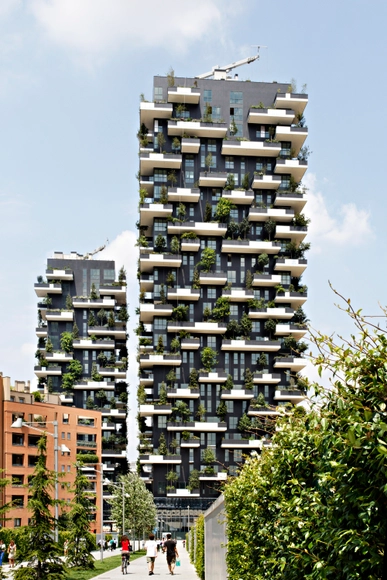
Rem Koolhaas, Steven Holl, Jean Nouvel and Boeri Studio are the masters behind five skyscrapers competing to be crowned the “World’s best.” Chosen as finalists for the 2014 International Highrise Award (IHA), the four practices are in the running for a prestigious title and €50,000 prize.

Award organizers from the City of Frankfurt/Main, Deutsches Architekturmuseum (DAM) and DekaBank at Frankfurt’s Paulskirche will announce a winner in mid-November. The chosen skyscraper will be selected by an esteemed, multidisciplinary jury based on the criteria ranging from future-oriented design and innovative building technology, to the building’s integrative urban development scheme and cost-effectiveness. 

“Good architecture requires a willingness to take risks and a desire to try things out. All the finalists took this approach – there can be no innovation without experimentation. Our shortlist comprises three different prototypes of the future,” commented Jury Chairman Christoph Ingenhoven.

View all five of the competing highrises and the jury’s comments, after the break… 

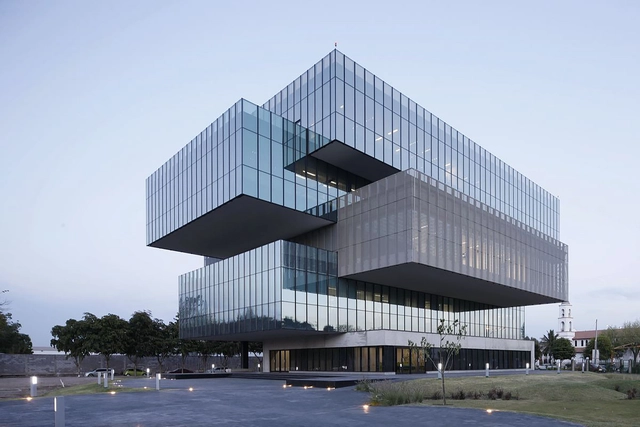
Bioinnova / Tatiana Bilbao

Bioinnova / Tatiana Bilbao - More Images+ 8

Culiacán Rosales, Mexico
  • Architects: Tatiana Bilbao
  • Area Area of this architecture project Area:  6260
  • Year Completion year of this architecture project Year:  2012

The Conflict Between the Global North and South at the 2014 Venice Biennale

Subscriber Access | 
The Conflict Between the Global North and South at the 2014 Venice Biennale - Featured Image
A view from the floor of the Latvian pavilion. The sheets of paper carry images of Modernist buildings; the ceiling asks, "There is no Modernism in Latvia", commenting on the lack of historical scholarship. Image © NRJA

“Absorbing Modernity: 1914-2014 is an invitation to the national pavilions to show, each in their own way, the process of the erasure of national characteristics in architecture in favor of the almost universal adoption of a single modern language and a single repertoire of typologies.” In this article, originally published on Metropolis Magazine as "Whose Modernity?", Avinash Rajagopal investigates the conflict this mandated theme at the 2014 Venice Biennale unintentionally created between the Northern and Southern pavilions - with Northern pavilions tending to declare sole ownership over Modernism and many Southern pavilions denying that their countries were passive recipients of the North's globalization. For more on how the Southern pavilions challenged the typical conveyance of architectural history, continue reading after the break.

World Photo Day: Iwan Baan by Steven Holl

In honor of World Photo Day (August 19th) ArchDaily wanted to thank the photographers who bring to life the projects that we publish every day. So we asked 15 architects to weigh in on the work of some of our most-appreciated architecture photographers. Here, Steven Holl writes on behalf of Iwan Baan.

World Photo Day: Iwan Baan by Steven Holl - More Images

Spatial Relations Take Centre Stage in MoMA's Newest Architectural Exhibition

What influence do art and space have on the contemporary architectural design process? MoMA's most recent exhibition on architecture and design Conceptions of Space strives to answer this question. Themed under the umbrella of spatial relations, Curator Pedro Gadanho ruminates on the subject in a broad and philosophical sense. The exhibition delves into the topic using an interdisciplinary approach, incorporating research from French philosopher Michel Foucault on the subject of the expanded field. The exhibition aims to explore the relationship between the development of space and its deep-seated roots in the creative arts.

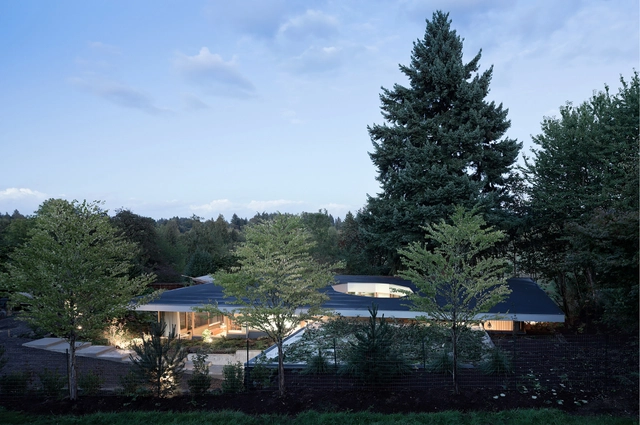
Courtyard House / NO ARCHITECTURE

Courtyard House / NO ARCHITECTURE - More Images+ 16

AD Interviews: Barkow Leibinger / Kinetic Wall at the Venice Biennale

Subscriber Access | 

The room dedicated to the Wall at the 2014 Venice Biennale’sElements of Architecture” exhibition traces the development and evolution of walls over time, starting with archaic walls and ending with Barkow Leibinger’s “Kinetic Wall.”

It was here that we caught up with the Kinetic Wall’s architects, Frank Barkow and Regine Leibinger, to learn more about the vision and thought process that went into the design of this expanding and retracting elastic wall.“It’s very ephemeral, very light, but an idea of a kind of maybe not too far away future, that’s spatial. It changes the space that we’re standing in by moving back and forth. It has a kind of front, it has a back, it’s a little tongue-in-cheek,” Barkow explained.

A series of motorized points extend and retract the wall’s translucent synthetic material, creating peaks and valleys. Two layers of gridded fabric produce a moiré effect, “a second scale of movement, that is translucent/ephemeral,” according to a project description on Barkow Leibinger’s website.

If you enjoyed this video interview make sure you check out the rest of our 2014 Venice Biennale coverage, here.

AD Interviews: Barkow Leibinger / Kinetic Wall at the Venice Biennale - More Images+ 10