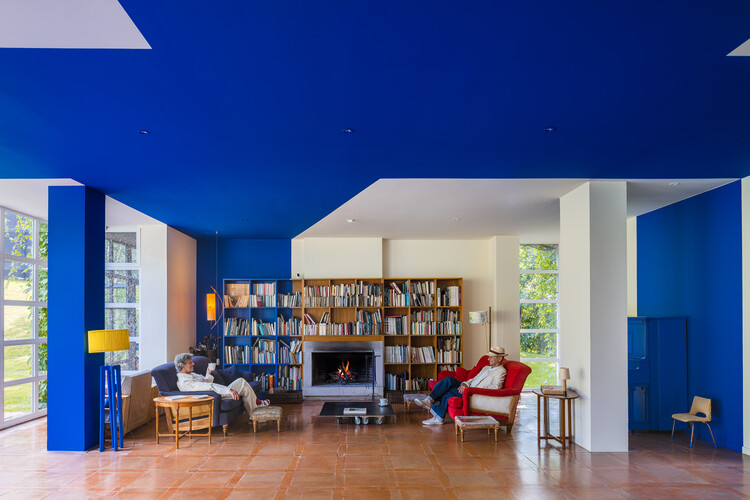
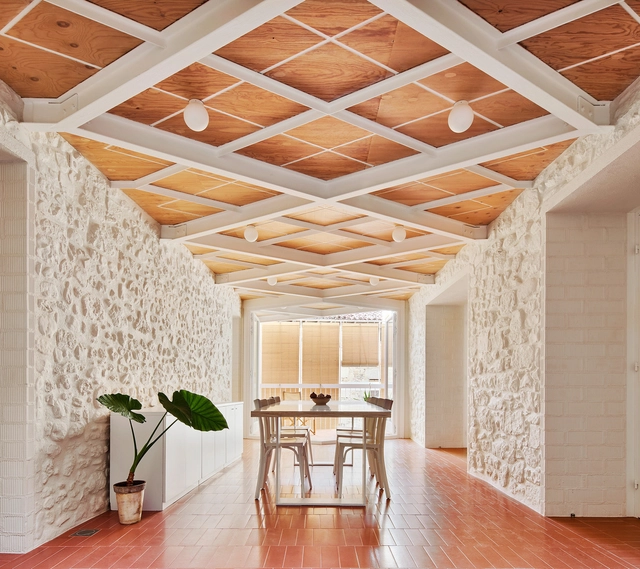
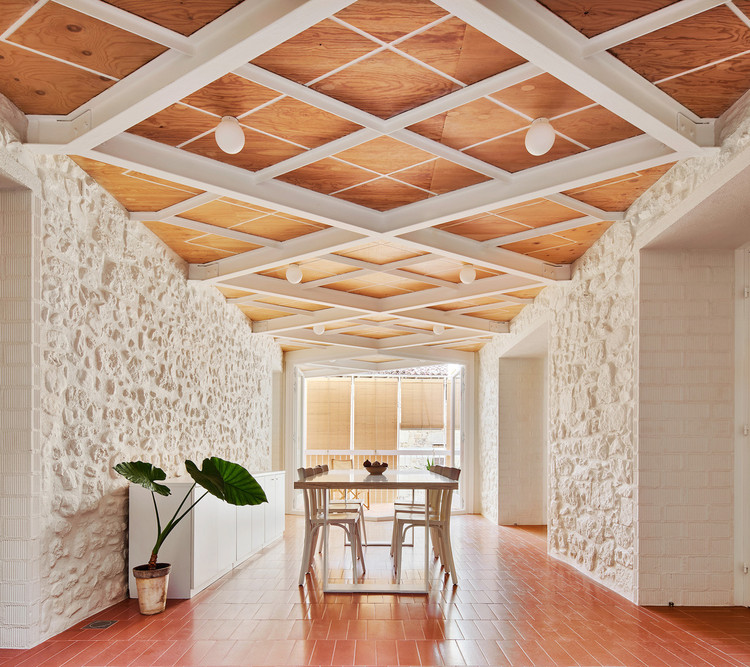
Imagen Subliminal (Miguel de Guzmán + Rocío Romero)

BROWSE ALL FROM THIS PHOTOGRAPHER HERE

Ideology of Performance: Sustainability and the Limits of Efficiency

This article is part of our new Opinion section, a format for argument-driven essays on critical questions shaping our field.

The modern sustainability project is built on the promise that evolving technologies can reconcile urban and economic growth with ecological responsibility. By the metrics developed by the built environment professions and the policies adopted by governments, progress is tangible and accelerating: buildings consume less energy per square foot than they did a generation ago, vehicles emit fewer pollutants per mile, and urban infrastructure is more integrated and measurably cleaner in many cities. And yet total resource consumption continues to rise. Sustainability, as currently practiced across the built environment professions, has become a strategy for optimizing consumption rather than reducing it. Until the profession is willing to question the scale and structure of demand rather than the efficiency with which that demand is met, its most celebrated achievements will continue to fall short of the problem they claim to address.

Ideology of Performance: Sustainability and the Limits of Efficiency - More Images+ 23

Experimentation, Learning, and Evolution in Architectural Design: Get to Know WORKac

Subscriber Access | 

WORKac is a New York-based firm founded in 2003 by Amale Andraos and Dan Wood. The firm has always believed in "the power of architecture and design to engage in environmental and social concerns, and to create new possibilities for the future." In that sense, the firm's principals define their approach to architecture as a constant evolution. For them, it is a continuous process of learning, questioning, and relearning, which is nurtured through the firm's engagement in local culture, climates, and histories, as well as discourse in the fields of ecology, landscape, and urbanism. In this way, they are able to bring these topics together with a focus on public, cultural, and civic projects that aim to reinvent how people live, work, and experience the world.

Experimentation, Learning, and Evolution in Architectural Design: Get to Know WORKac  - More Images+ 6

Beyond Universal Models: The Turn Toward Situated Architecture

Subscriber Access | 

Specificity has re-emerged as a central language in architectural discourse. In an increasingly globalized field, where projects often follow familiar models regardless of context, architects are now turning toward approaches rooted in the particularities of each site. This renewed attention to context reflects broader social, climatic, and political pressures: cities are facing extreme heat, ecological challenges, shifting demographics, and new forms of collective life that demand responses grounded in their immediate conditions.

Situated architecture describes this shift. It refers to design approaches in which form, program, and materiality emerge from the specific environment that produces them: its microclimates, cultural structures, and everyday rituals. Rather than beginning with universal templates, these practices start with observation, prototyping, and direct engagement with local dynamics. This logic is visible in the climatic and material experiments of TAKK in Spain, such as Portable Garden and 10k House, which operate as lightweight prototypes tuned to thermal and ecological gradients; in Studio Ossidiana's Art Pavilion M, shaped by layered soils and ecological cycles in the Netherlands; in Izaskun Chinchilla's reinterpretations of vernacular objects and her later experiments with 100 Sillas and 3 Salones Urbanos; in the narrative-driven domestic spaces explored by Common Accounts; and in Raumlabor's urban interventions that respond directly to the specificities of post-industrial Berlin.

Beyond Universal Models: The Turn Toward Situated Architecture - More Images+ 56

Miami Architecture City Guide: 22 Projects Shaping Tropical Density on the Atlantic Coast

Subscriber Access | 

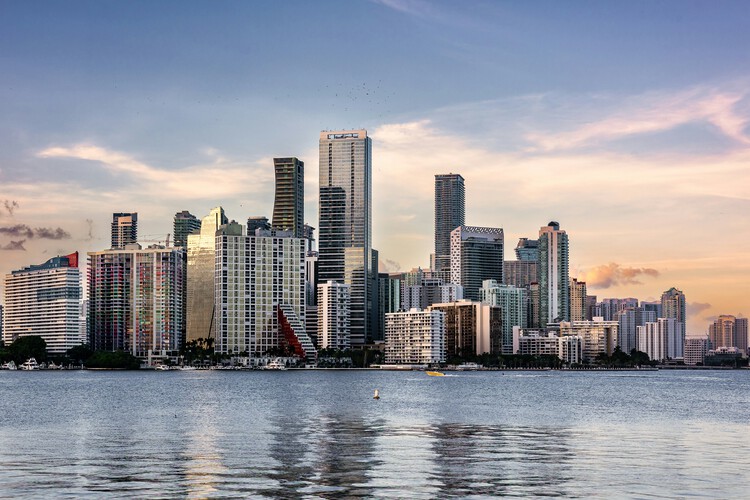
Stretching along the Atlantic coast at the southern tip of Florida, Miami is often introduced through postcard views of beaches, palm trees, and glass towers facing the water. Yet, behind this familiar image lies a city shaped by migration, tourism, and real estate cycles, where architecture has repeatedly been used to project new identities and reinvent the urban landscape. From early resort hotels and the Art Deco façades of South Beach to experimental high-rises and cultural institutions on the bay, the built environment offers a way to read how Miami negotiates climate, economy, and everyday life.

Over the past century, the city has grown through successive layers of development that remain visible in its streets and skylines. The streamlined geometry and pastel colors of the historic Art Deco District coexist with the exuberant forms of Miami Modern (MiMo) motels and postwar infrastructure along Biscayne Boulevard. Downtown and Brickell have transformed from low-rise business districts into dense clusters of residential and office towers, many designed by international firms working alongside local practices. At the same time, neighborhoods such as Little Havana, Allapattah, and Wynwood reveal how diasporic communities, industrial heritage, and creative industries occupy and adapt existing fabrics, often in contrast with the image-driven waterfront.

Miami Architecture City Guide: 22 Projects Shaping Tropical Density on the Atlantic Coast - More Images+ 36

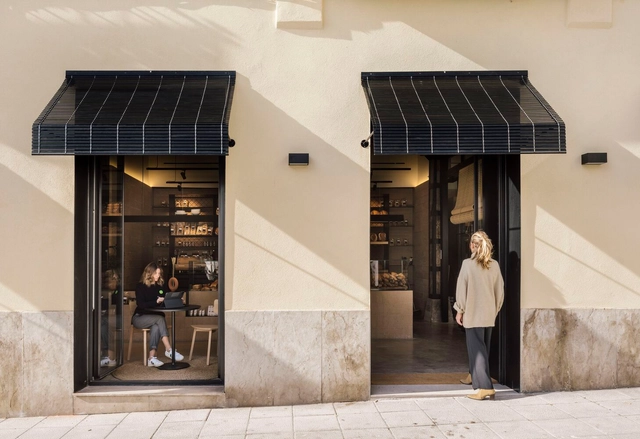
Ciel / gon architects

Ciel / gon architects - More Images+ 34

  • Architects: gon architects
  • Area Area of this architecture project Area:  151
  • Year Completion year of this architecture project Year:  2023
  • Manufacturers Brands with products used in this architecture project
    Manufacturers:  BANDALUX

La Posada Hotel / MARIANO

La Posada Hotel / MARIANO - More Images+ 18

La Pereda, Spain
  • Architects: MARIANO
  • Area Area of this architecture project Area:  450
  • Year Completion year of this architecture project Year:  2025

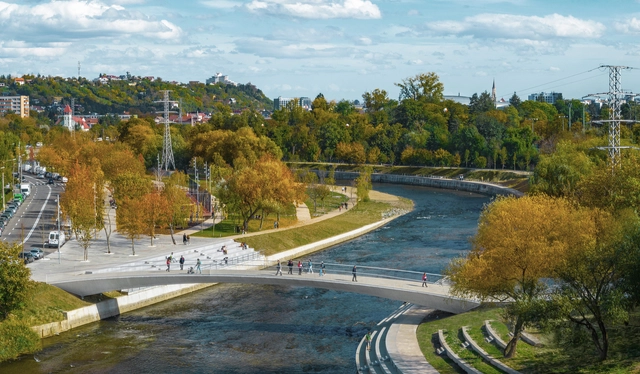
Someș River Regeneration / PRÁCTICA

Someș River Regeneration / PRÁCTICA - More Images+ 20

  • Architects: PRÁCTICA
  • Area Area of this architecture project Area:  332137
  • Year Completion year of this architecture project Year:  2023
  • Manufacturers Brands with products used in this architecture project
    Manufacturers:  iGuzzini, KRIN KG, Urbidemis, Woodcore

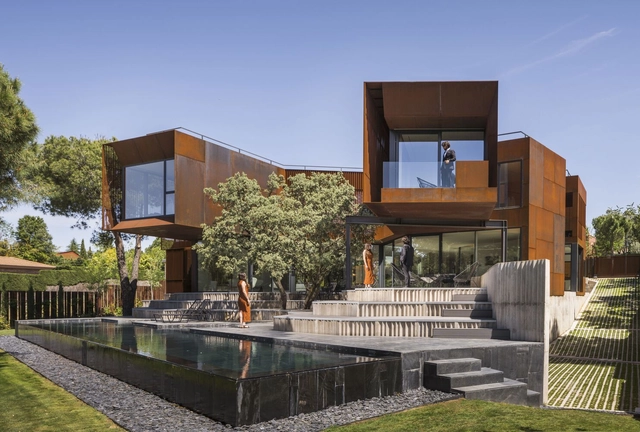
The House that Splits / Voluar Arquitectura

The House that Splits / Voluar Arquitectura - More Images+ 30

Madrid, Spain
  • Area Area of this architecture project Area:  600
  • Year Completion year of this architecture project Year:  2023
  • Manufacturers Brands with products used in this architecture project
    Manufacturers:  Aluminios Castuera, CALVO Y MUNAR, Cortizo, Naturpiedra, Porcelanosa Grupo, +1

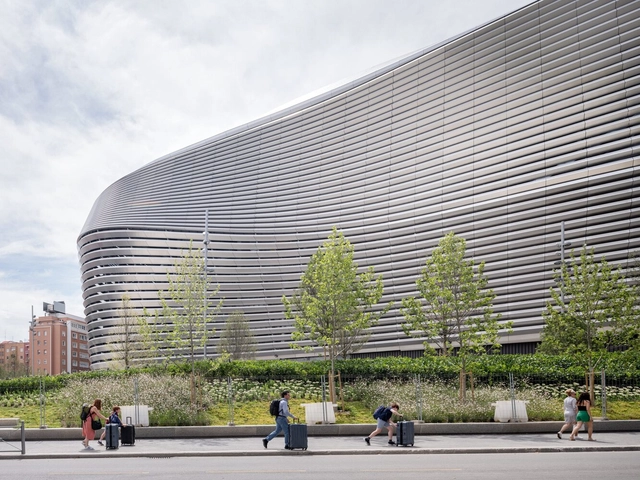
Santiago Bernabéu Stadium Conversion / gmp Architects + L35 + Ribas&Ribas Architects

Santiago Bernabéu Stadium Conversion / gmp Architects + L35 + Ribas&Ribas Architects - More Images+ 24

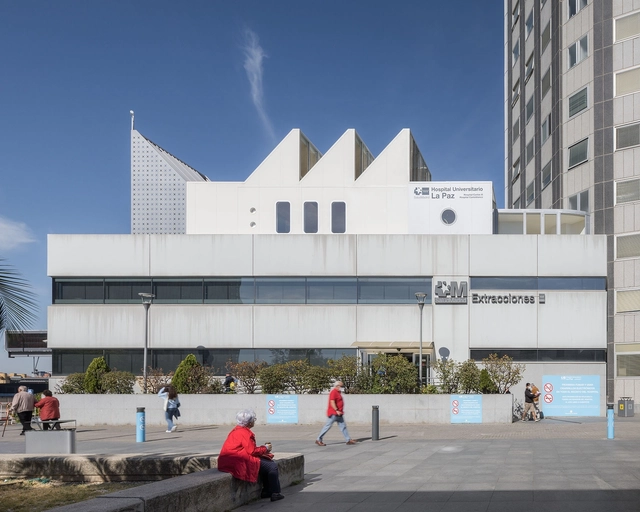
Aceleradora La Paz Hospital / Murado & Elvira Architects

Aceleradora La Paz Hospital / Murado & Elvira Architects - More Images+ 25

Madrid, Spain

How to Renovate Interior Spaces on a Budget

Perhaps one of the most common phrases you'll hear when talking about interior renovations is "whatever you initially planned on spending, double it, and double the time with it". Renovations, regardless of their scale, can be very time consuming and costly, especially when unexpected changes pop up last minute. However, we are often met with situations where the interior layout is no longer efficient or we feel that the interior design is a little outdated and its time for a change. 

Giving your space an upgrade does not necessarily mean spending all your savings, and spending less does not necessarily mean low quality work. From doing the construction work yourself, to giving furniture pieces completely new functions, here are different ways you can renovate residential and commercial interior spaces without breaking the bank.

How to Renovate Interior Spaces on a Budget  - More Images+ 22

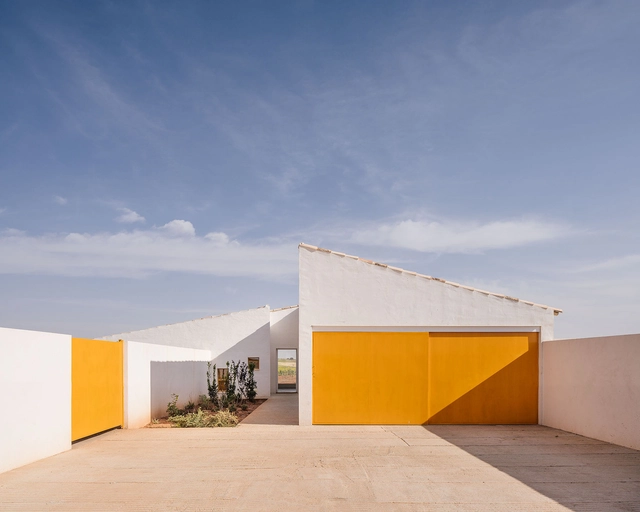
Countryside House Zafra de Záncara / Canobardin

Countryside House Zafra de Záncara / Canobardin - More Images+ 13

Zafra de Záncara, Spain
  • Architects: Canobardin
  • Area Area of this architecture project Area:  245
  • Year Completion year of this architecture project Year:  2022

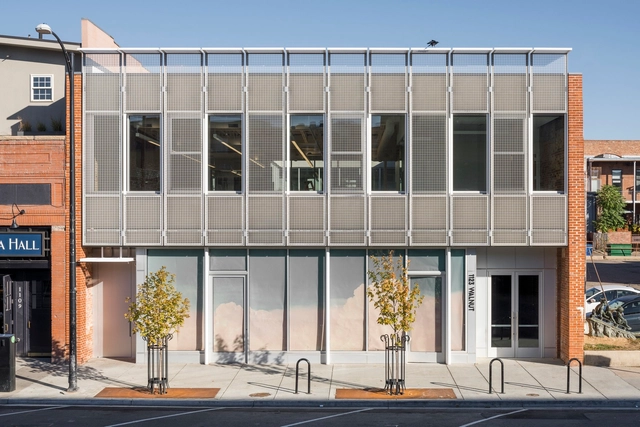
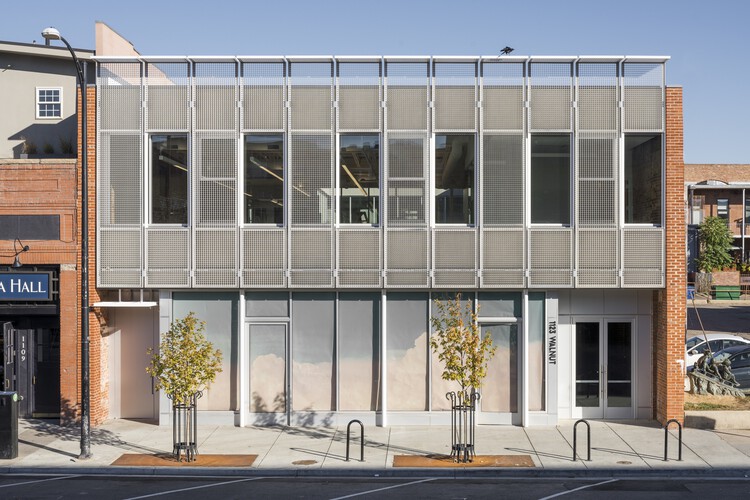
1123 Walnut St. / MQ Architecture

1123 Walnut St.  / MQ Architecture - More Images+ 9

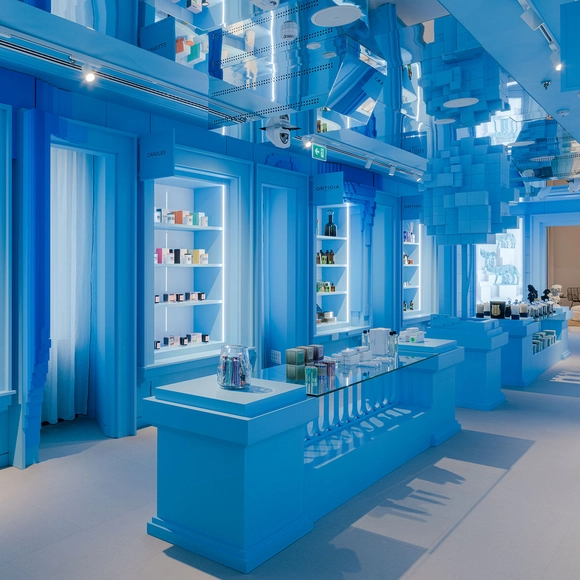
WOW Store/ External Reference Architects

WOW  Store/ External Reference Architects - More Images+ 19

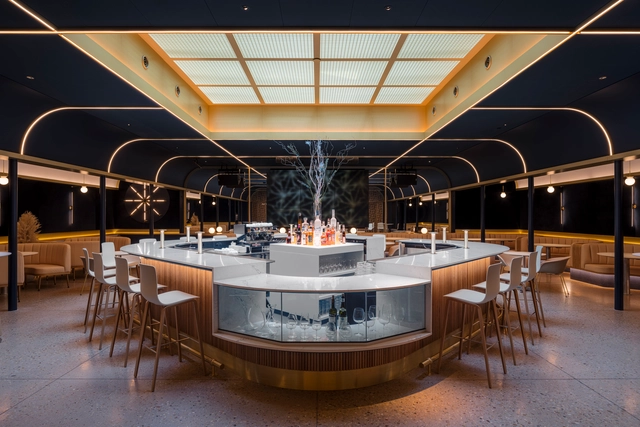
Stella's Cucina Restaurant / MQ Architecture

Stella's Cucina Restaurant / MQ Architecture - More Images+ 20

10 Innovative Cabins That Experiment With Their Materials

Subscriber Access | 

While the traditional image of the cabin is one of a rustic wooden home located far away from any trace of society, architects have been experimenting with these conventions alongside newer material and technological considerations to push the boundaries of the ‘cabin’ today. Whether it is by reimagining the aesthetics of the cabin, utilizing advanced fabrication techniques to modernize the rustic, or even reconfiguring the log cabin for the city setting, architects and designers have utterly transformed traditional cabin architecture for a more contemporary existence. Below, we consider 10 innovative cabins that achieve this transformation through experiments with different materials and construction technologies. While each explore different strategies and functions, many share similarities in their use of prefabrication systems, their dedication to sustainability, and their close attention to and optimization of specific material properties.

10 Innovative Cabins That Experiment With Their Materials - More Images+ 45

Panistas Bakery / Zooco Estudio

Panistas Bakery / Zooco Estudio - More Images+ 34

Santander, Spain
  • Architects: Zooco Estudio
  • Year Completion year of this architecture project Year:  2022
  • Manufacturers Brands with products used in this architecture project
    Manufacturers:  Hisbalit, Arkoslight, FETDETERRA, Marset, Persiana Barcelona, +1

Renovation of a Mill and Hayloft for Residential use / Funcionable arquitectura

Renovation of a Mill and Hayloft for Residential use / Funcionable arquitectura - Interior Photography, Historic Preservation, Beam, Handrail
© Imagen Subliminal

Renovation of a Mill and Hayloft for Residential use / Funcionable arquitectura - More Images+ 20

  • Area Area of this architecture project Area:  521
  • Year Completion year of this architecture project Year:  2021
  • Manufacturers Brands with products used in this architecture project
    Manufacturers:  AutoDesk, Adobe Systems Incorporated, Equipe, Hilti