-
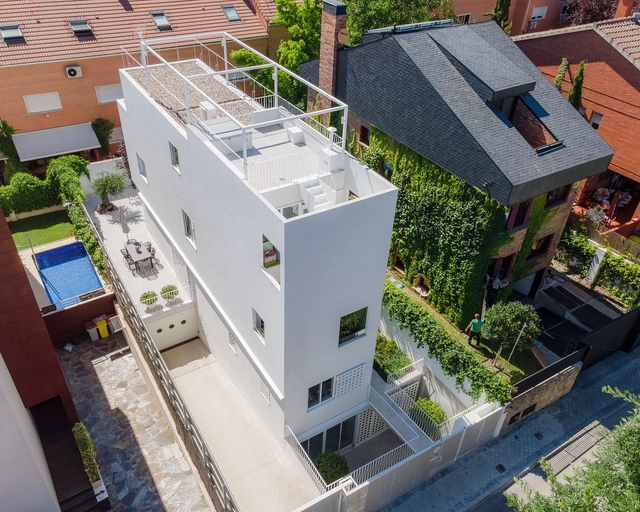
Architects: RuizEsquíroz
- Area: 287 m²
- Year: 2020


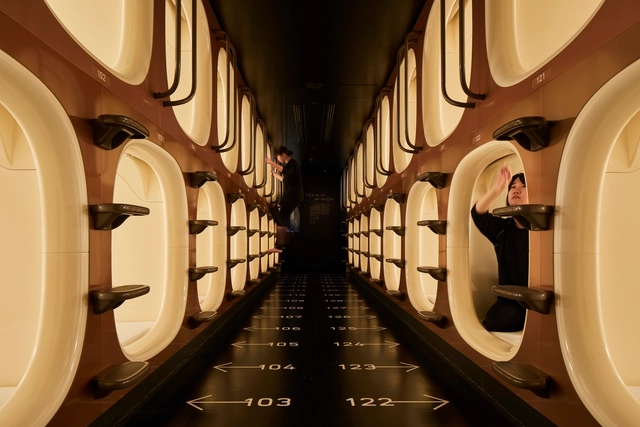
Hotels are a hub for commerce, transportation and culture. Today, interior designers are redefining hospitality spaces to accommodate new forms of travel, communication and rest. From historic renovations to contemporary ground-up hotels, these projects center around leisure and memorable guest experiences. In turn, they express brand identity to rethink what interior design and hospitality will be in the future.

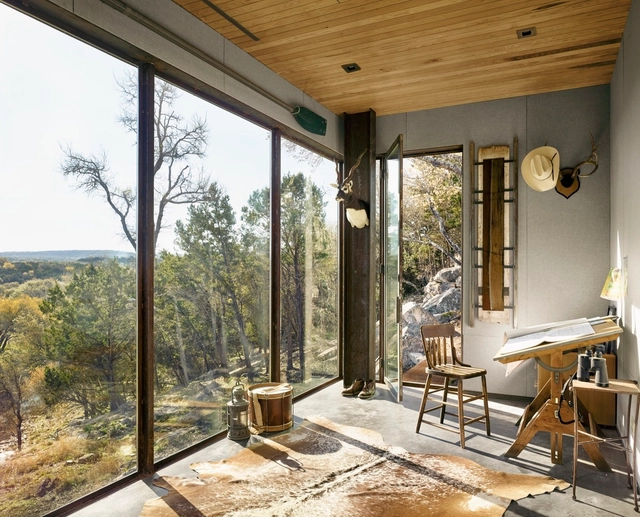
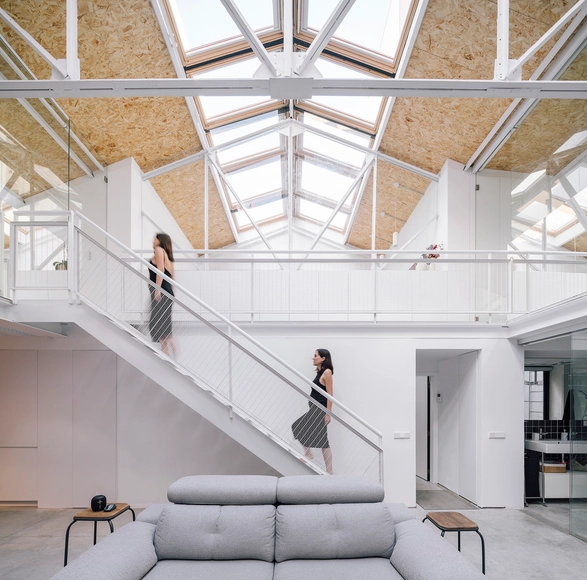
It's not uncommon to see housing complexes integrate commercial spaces at the ground level, but the challenge of mediating between the private and public realm on a smaller scale, especially with the rise of the home office, has forced architects to explore all aspects of the structure, from the topography it sits on, to the direction of light and wind, to the design and organization the domestic space. This interior focus explores different design solutions that show how architects and interior designers transformed their projects from a living space into a mixed-use typology, taking into account privacy, flexibility, functionality, and predefined spatial requirements.
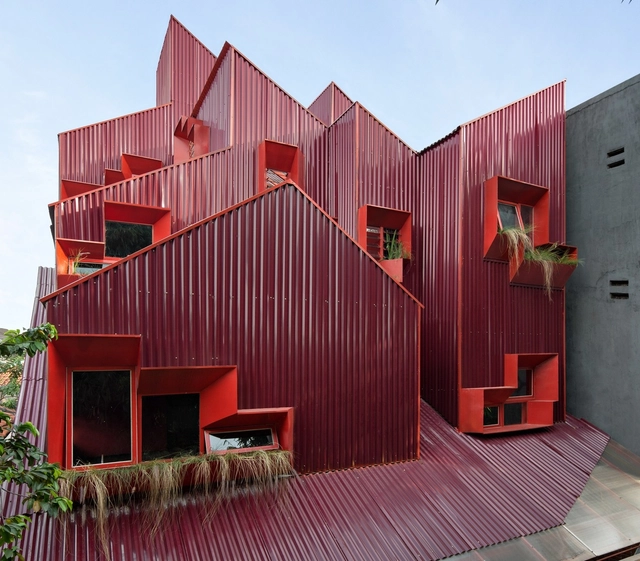
Communal living is nothing new. Throughout history, housing has long been tied to both shared needs and a concentration of resources. Today, between population growth and an increase in urban density and real estate prices, architects and urban planners have been pursuing alternatives for shared living. These new models explore a range of spatial and formal configurations with a shared vision for the future.



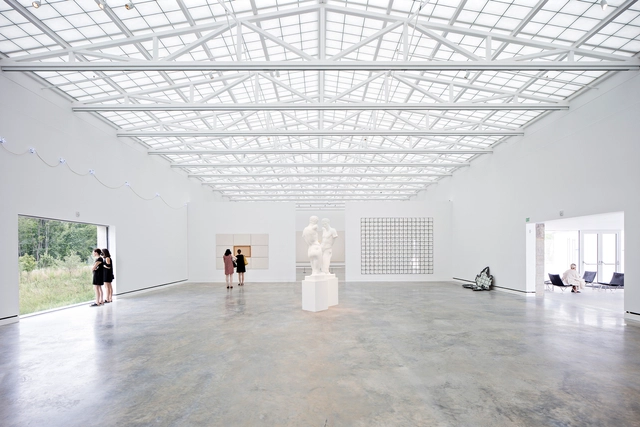
Ventilation serves two main purposes in a room: first, to remove pollutants and provide clean air; second, to meet the metabolic needs of the occupants, providing pleasant temperatures (weather permitting). It is well known that environments with inadequate ventilation can bring serious harm to the health of the occupants and, especially in hot climates, thermal discomfort. A Harvard University study demonstrated that in buildings with good ventilation and better air quality (with lower rates of carbon dioxide), occupants showed better performance of cognitive functions, faster responses to extreme situations, and better reasoning in strategic activities.
It is not difficult to see that ventilation plays a vital role in ensuring adequate air quality and thermal comfort in buildings. We have all felt it. But when we talk about ventilation, a light breeze from the window might come to mind, shifting through our hair and bringing a pleasant aroma and cooling temperature that brings fresh air and comfort. In mild climates, this experience can even be a reality on many days of the year. In harsh climates or polluted spaces, it could be quite different.
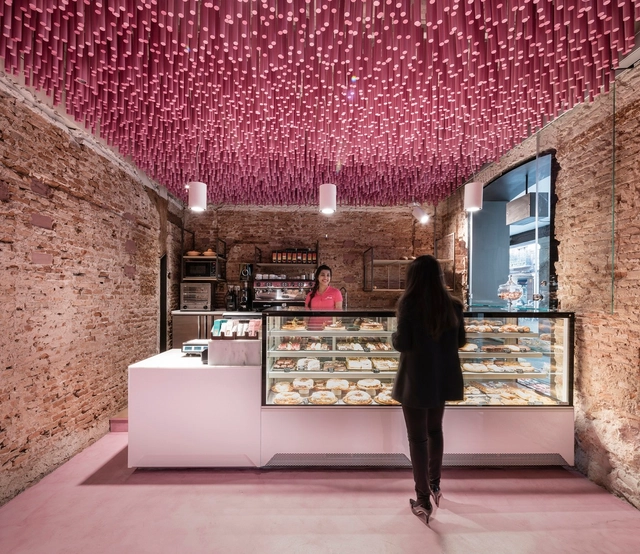
Few architectural typologies are as timeless as bakeries. A practice spanning thousands of years, the art of baking has diverse roots. Today, bakeries combine areas to gather, socialize, shop, and work. While industrialization and commercialization transformed the art of baking and baked goods, bakeries remain important community spaces for gathering and defining neighborhood identity.