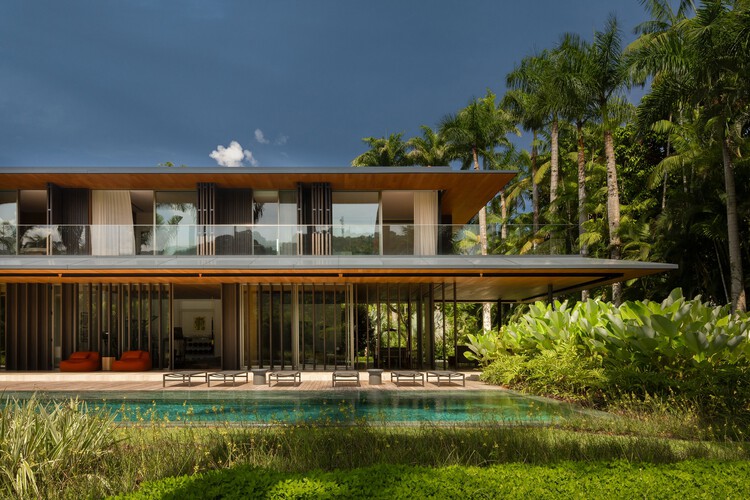
Fernando Guerra | FG+SG

Fernando Guerra has been a pioneer in the way architecture is photographed and divulged. Fifteen years ago, he opened studio FG+SG together with his brother, and both are responsible in large part for the diffusion of Portuguese contemporary architecture in the last fifteen years.

BROWSE ALL FROM THIS PHOTOGRAPHER HERE

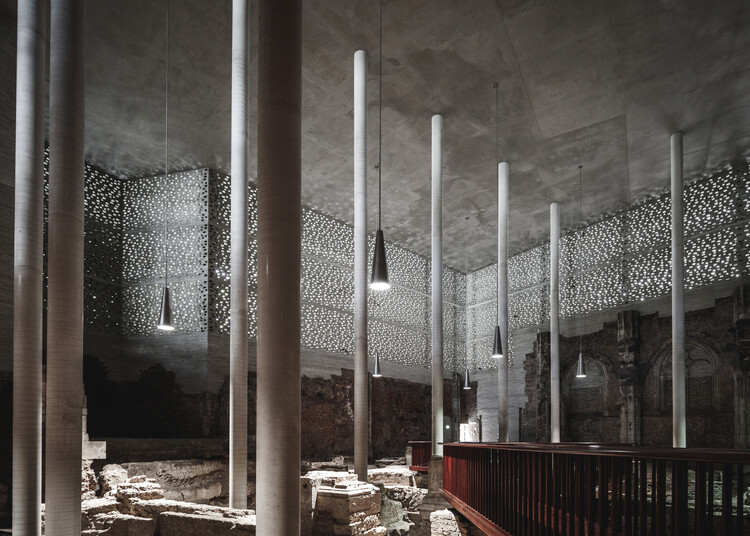
The Alchemy of Mass: Peter Zumthor and the Perception of Lightness

Architecture begins as an encounter with gravity. It is the ancient act of placing weight upon the earth, of persuading matter to stand, hold, and shelter. Within this fundamental condition of heaviness, however, lies a quieter possibility: density itself can generate a sense of lightness—a perceptual condition in which the body, fully convinced of matter's weight, begins to experience space as suspension.

Much of contemporary architecture has pursued lightness through reduction: thinner structures, smoother surfaces, increasingly seamless transitions between interior and exterior. Here, lightness is equated with disappearance, as if gravity could be overcome by withdrawing material presence. Yet there exists another register in which lightness is not the result of absence, but of intensification. It emerges when material presence becomes so precise, so fully asserted, that it begins to alter perception itself—when mass remains heavy, but no longer behaves as simply inert.

The Alchemy of Mass: Peter Zumthor and the Perception of Lightness - More Images+ 16

What Lies Beneath: 10 Projects Reshaping the Ground Level

Architecture has long been drawn to the idea of lightness. From early modernist experiments that sought to preserve landscapes, elevating buildings has been understood as a way to preserve the ground while maintaining continuity across the terrain. Volumes are lifted on columns, infrastructures detach circulation from the surface, and entire programs are suspended above the ground.

This was formalised in the early twentieth century through Le Corbusier's concept of the pilotis, which proposed the liberation of the ground floor from enclosure. By raising buildings on columns, architects sought to maintain continuity with the terrain, allowing movement, vegetation, and collective use to unfold beneath constructed volumes. The building would occupy the air, while the ground would remain open, accessible, and shared.

What Lies Beneath: 10 Projects Reshaping the Ground Level - More Images+ 19

The Built Path: Pilgrimage and Architectural Sequence on the Camino de Santiago

Subscriber Access | 

Pilgrimage is one of the oldest and most persistent cultural practices, a spatial expression of humanity's search for meaning that has taken form across geographies and religions. While traditionally tied to formal belief systems, its definition has expanded in recent decades, reflecting new understandings of what is sacred and where meaning can be found. This shift reveals something fundamental: the act of moving through space remains central to how people construct meaningful experience. Yet most built environments constructed today are designed to be approached at speed from roads, transit corridors, airports, and optimized urban cores. The Camino de Santiago stands as a sustained counterargument to this condition. It is a piece of distributed architecture, refined over centuries, that remains a sophisticated example of design organized around the moving human body.

The Built Path: Pilgrimage and Architectural Sequence on the Camino de Santiago - More Images+ 36

Zara Store at Rossio / Contacto Atlântico

Zara Store at Rossio / Contacto Atlântico - More Images+ 21

  • Area Area of this architecture project Area:  10110
  • Year Completion year of this architecture project Year:  2023

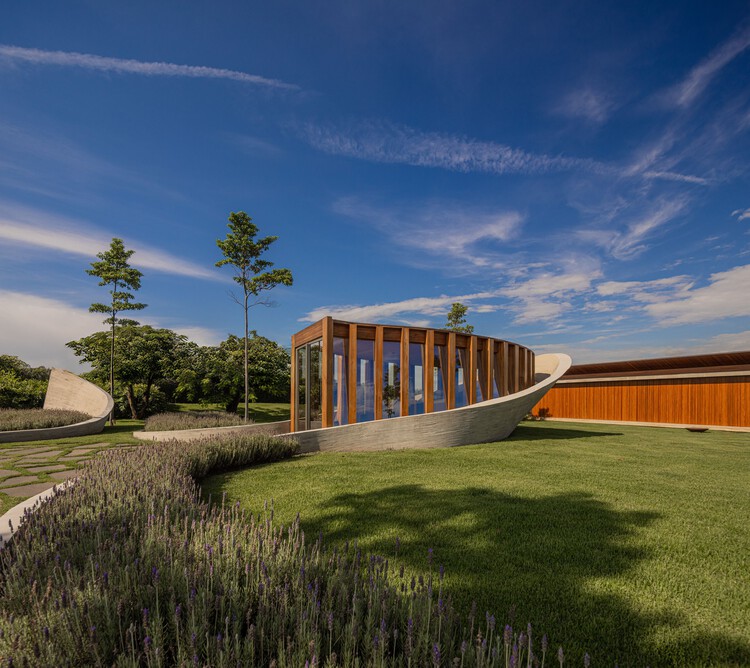
Nest Chapel / Felipe Caboclo Arquitetura

Nest Chapel / Felipe Caboclo Arquitetura - More Images+ 53

Meet the 15 Winning Projects of the 2026 ArchDaily Building of the Year Awards

A revitalized canning factory in a coastal Portuguese city, a memorial park in Ethiopia, a small-town Brazilian home, a wooden pavilion evoking Bahrain's heritage, and 11 other visionary projects comprise the winners of the 2026 ArchDaily Building of the Year Awards. Chosen over three weeks of public voting, the winners are representative of the current architectural landscape, reflecting a diversity of approaches, materialities and aesthetics, while also showcasing common threads across cultures.

In its 17th edition, this year's Building of the Year Awards received more than 120,000 votes from over 100 countries, marking a record-breaking year for the world's largest community-driven architecture award. The winners represent 14 different countries, cultures and perspectives, coming from Brazil, Canada, Chile, Colombia, Denmark, Ethiopia, Germany, India, Indonesia, Japan, Portugal, South Korea, United States and Vietnam.

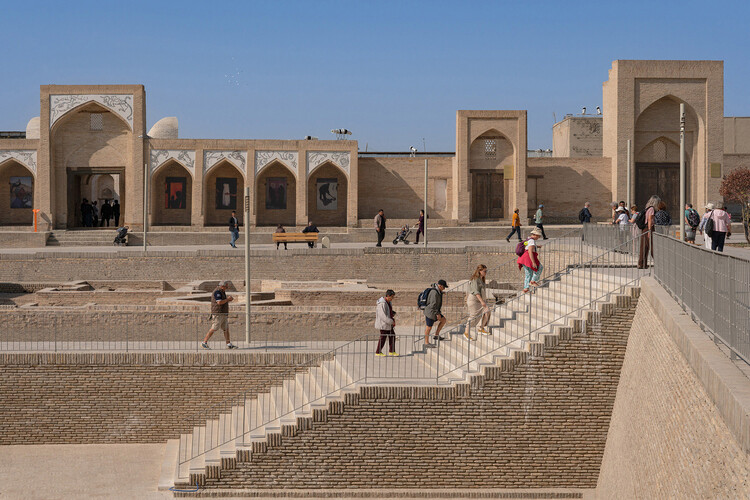
Shaping Architectural Continuity: 25 Revitalization Projects Across Historic, Industrial, and Natural Sites

Heritage sites constitute complex spatial archives in which architecture, history, and collective memory converge. They encompass a wide spectrum of contexts—from archaeological remains, ancient and historic townscapes, UNESCO-listed landscapes, to early modern civic structures and industrial infrastructures. Yet these environments confront challenges: climate change, urban transformation, disaster, shifting social needs, and the gradual erosion of material fabric. Revitalization and restoration projects respond to these conditions by positioning architectural and spatial practice as an active mediator between preservation and the contemporary topologies.

In current practice, conservation is understood as a creative process of adaptation and reinterpretation that serves both communities and inhabitants. At the same time, monumental architecture continues to define the identity and landscape of a place for wider audiences and future generations. Architects and planners are called upon to negotiate sensitive historic contexts while introducing new programs, techniques, and spatial experiences. They exemplify diverse design approaches, including precise structural interventions, climate-responsive strategies, and meticulous material restoration, alongside the thoughtful insertion of new architectural elements. Equally important is their engagement with vernacular knowledge and materiality, which preserves the locality and cultural specificity of each site.

Shaping Architectural Continuity: 25 Revitalization Projects Across Historic, Industrial, and Natural Sites - More Images+ 21

Introducing the 75 Finalists of the 2026 ArchDaily Building of the Year Awards

Two weeks and over 85,000 nominations later, the finalists of this year's Building of the Year Awards are in. The selection is much like the ArchDaily audience that chose it: diverse in geography, generous in ideas, and precise in intent. With projects from 46 countries, in a variety of typologies and scales, they present a beautiful snapshot of the current architectural moment.

We invite you to sit back, browse, and vote for your ultimate favorites. Below, you will find all of the 75 finalists in their respective categories. Voting is open until February 18th at 18:00 EST. Thank you—your participation is key to making this the world's largest community-driven architecture award.

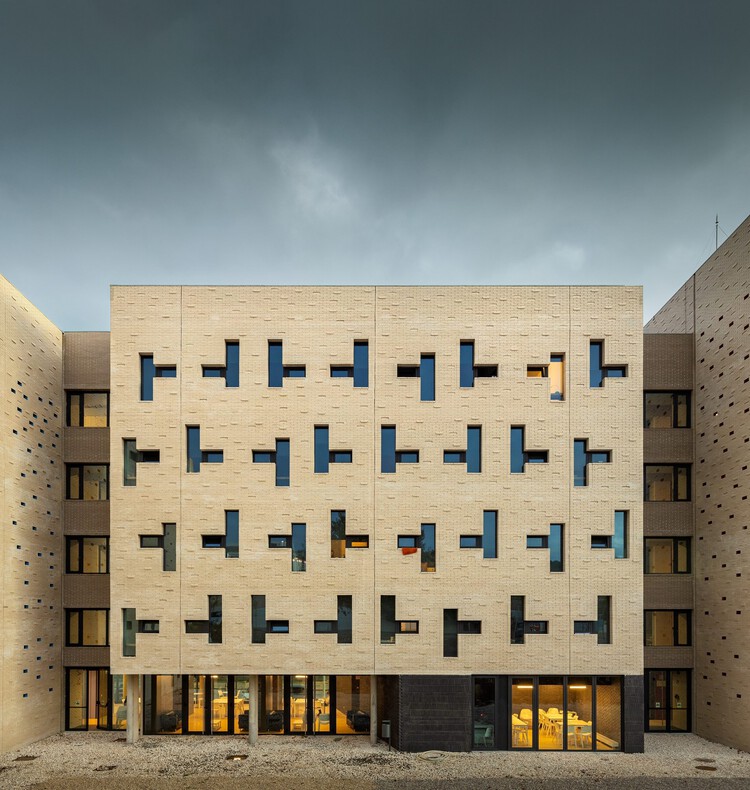
Ventura Terra University Residence - University of Lisbon / CVDB arquitectos

Ventura Terra University Residence - University of Lisbon / CVDB arquitectos - More Images+ 32

  • Architects: CVDB arquitectos
  • Area Area of this architecture project Area:  7100
  • Year Completion year of this architecture project Year:  2024

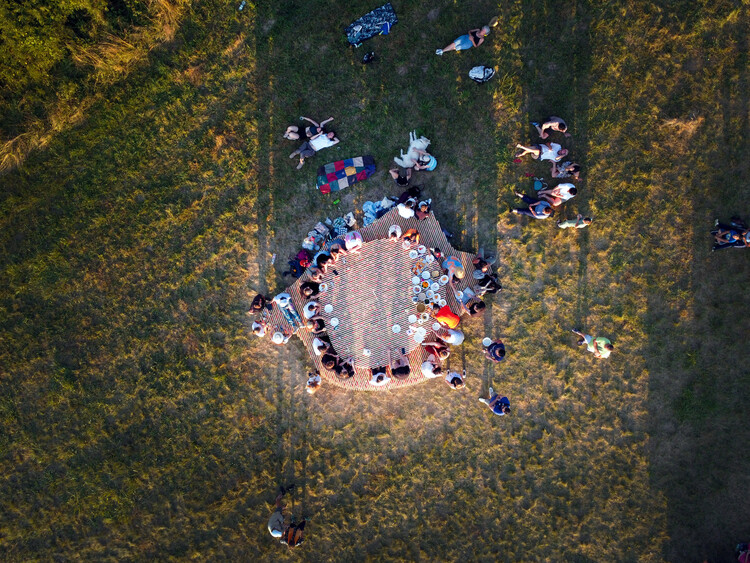
When Eating Becomes Spatial: 14 Projects Built Around Shared Meals

In recent years, food has taken on a renewed role within architecture, not simply as a program or typology, but as a shared spatial practice. Beyond restaurants or dining design, communal eating spaces are increasingly understood as environments where presence, ritual, and time intersect, allowing people to gather, stay, and coexist. In these settings, eating does not just happen within space; it actively shapes it, temporarily transforming ordinary, borrowed, or improvised environments into places of exchange.

This shift is visible across a wide range of built projects, installations, and community spaces that use shared meals as a way of bringing people together. Initiatives such as Fondo Supper Club frame dining as a social platform, using food to connect artists, designers, and local communities through conversation and collaboration. Similarly, sit.feast, presented during Milan Design Week 2024, approached the table as a spatial installation, one where sitting and eating together became the primary means of collectively producing space.

When Eating Becomes Spatial: 14 Projects Built Around Shared Meals - More Images+ 16

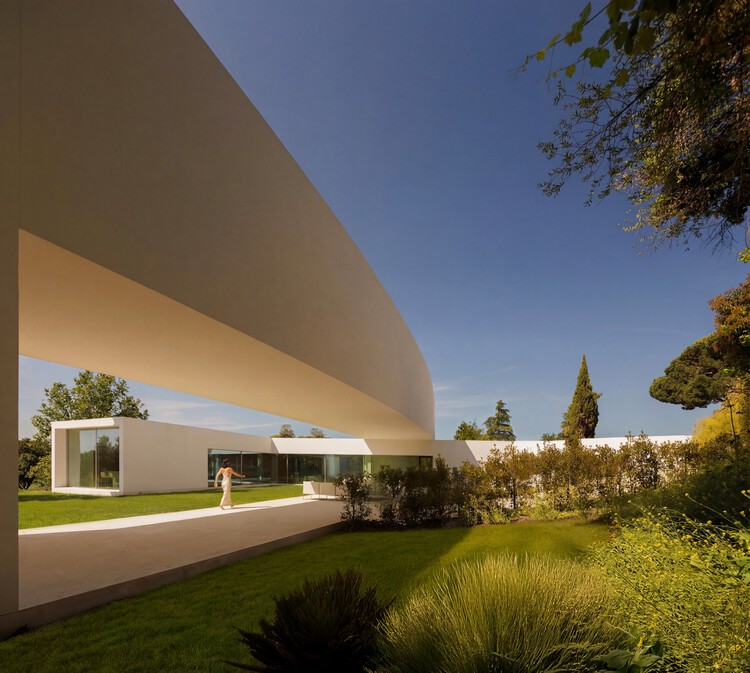
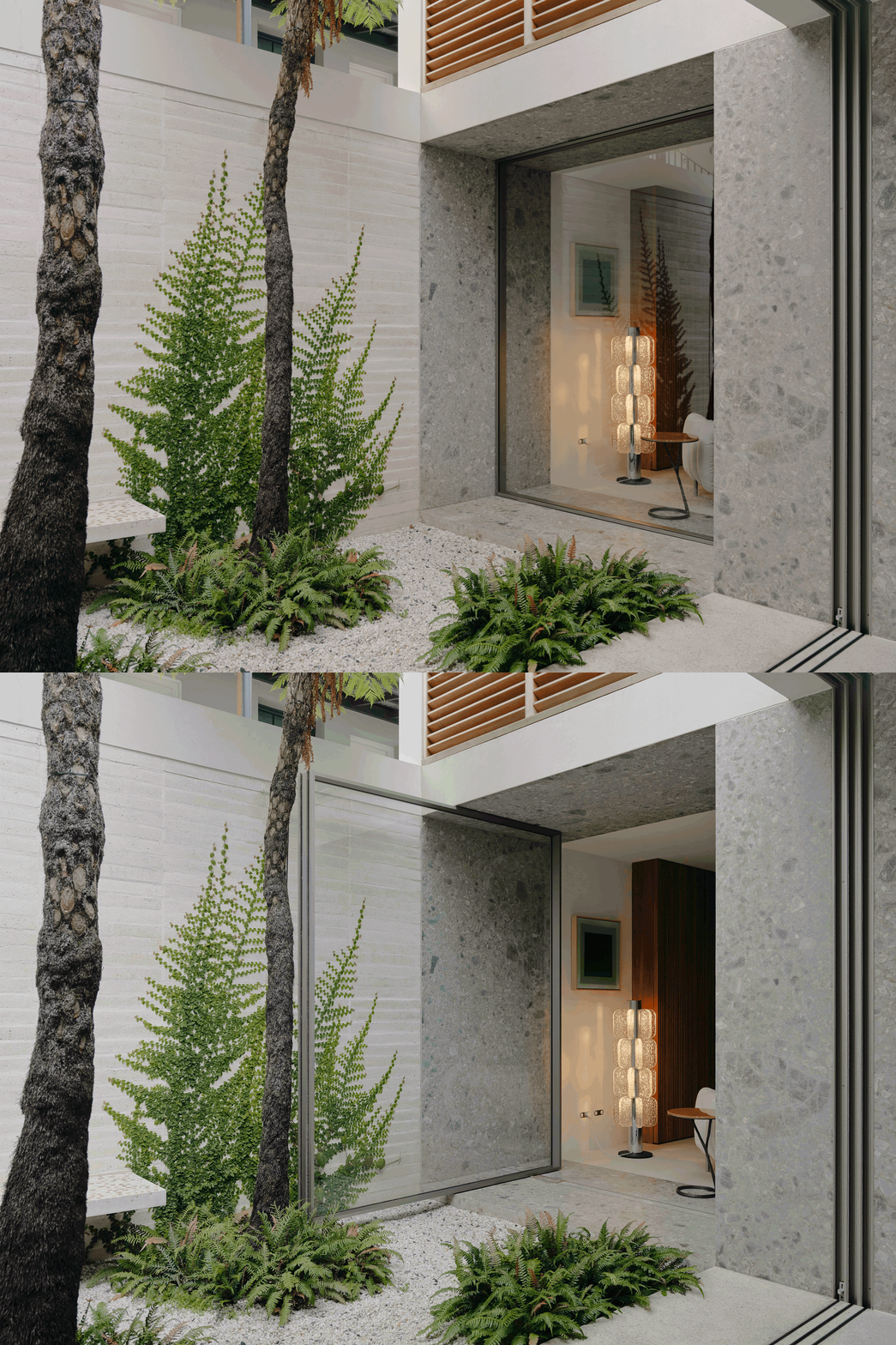
Villa Lago / Fran Silvestre Arquitectos

Villa Lago / Fran Silvestre Arquitectos - More Images+ 20

Alcobendas, Spain

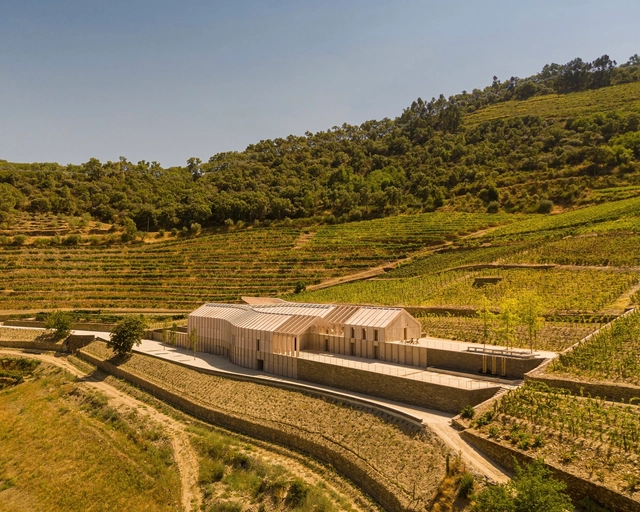
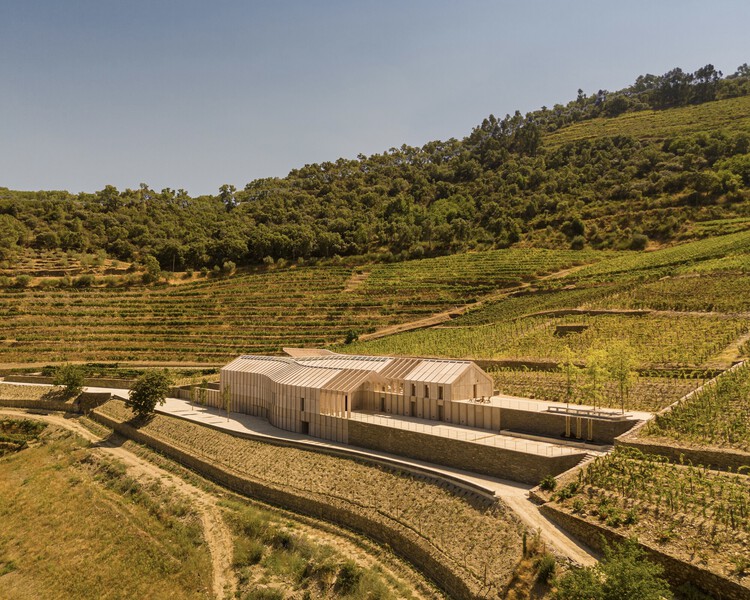
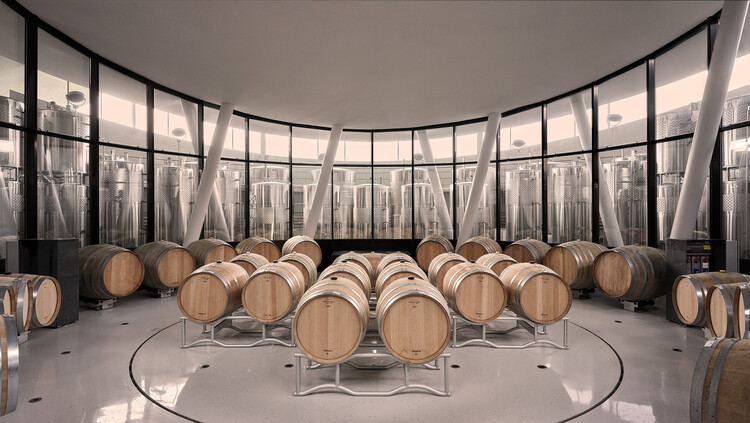
Adorigo Farm Winery / Atelier Sergio Rebelo

Adorigo Farm Winery / Atelier Sergio Rebelo - More Images+ 27

Tabuaço, Portugal
  • Architects: Atelier Sérgio Rebelo
  • Area Area of this architecture project Area:  1100
  • Year Completion year of this architecture project Year:  2024

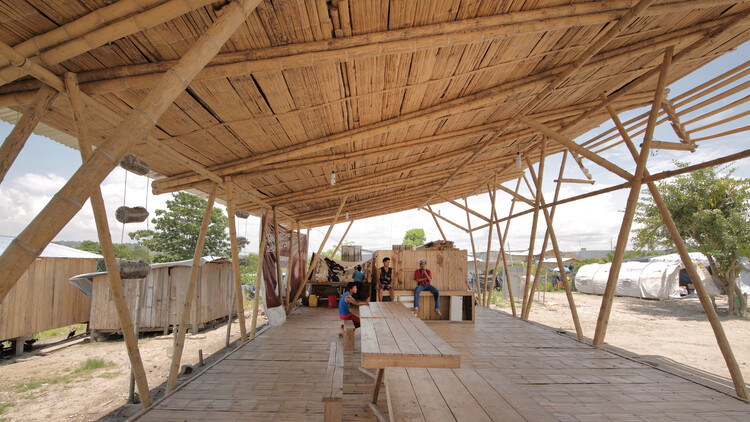
On International Migrants Day: A Look at Architectural Responses to Displacement

December 18 marks the United Nations' International Migrants Day, which aims to highlight the need for safer, fairer, and more inclusive migration systems. Proclaimed on December 4, 2000, the day seeks to recognize the multiple dimensions of migration beyond its economic and humanitarian aspects. According to the UN, mounting evidence indicates that international migration is beneficial for both countries of origin and destination. In this sense, International Migrants Day offers an opportunity to spotlight the value of the possibility to migrate and the contributions of millions of migrants worldwide to the cities and cultures in which they are integrated.

Aligned with this perspective, the UN's 2025 theme, "My Great Story: Cultures and Development," emphasizes how human mobility drives growth, enriches societies, and helps communities connect, adapt, and support one another. At the same time, International Migrants Day also acknowledges the increasingly complex environment in which migration occurs. Conflicts, climate-related disasters, and economic pressures continue to force millions of people from their homes in search of safety or opportunity. From both perspectives, it is essential to recognize the role of architecture in building integrated, multicultural communities and in responding to the conditions that lead people to migrate from their territories in the first place.

On International Migrants Day: A Look at Architectural Responses to Displacement - More Images+ 6

Architecture in Motion: Framing Spaces That Live and Breathe

 | Sponsored Content

Architectural space has long been framed by permanence: rooms for fixed functions, facades that clearly define where exterior ends and interior begins. Yet contemporary life is defined by overlap and transition: between work and living, interior and exterior, privacy and community. Spatial needs evolve continually, demanding architecture that can respond, adapt, and remain relevant over time. 

In this context, adaptability has emerged not only as a design ambition but as a sustainable necessity. Buildings that adjust to shifting uses, evolving climates, or new forms of living extend their lifespan and reduce the need for demolition or extensive retrofits. Flexibility becomes a measure of resilience, allowing structures to remain vital across decades. But how can architecture respond to the evolving ways we inhabit and experience space?

Designing for Horses: 8 Projects Shaping Space for Equine Life

Subscriber Access | 

Few commissions allow architects to focus on non-human users, and fewer still involve horses. While domestic pets like cats and dogs are common muses, the particular needs of horses present a unique challenge when designing stables. Since the horses, who are the stable's primary inhabitants, cannot articulate their needs, design relies on the rigorous requirements dictated by human caretakers, requiring a balance between streamlined human operations and maximized horse comfort and safety. Architects often seem to address this through three core principles: Equine Comfort & Well-being, Contextual Materiality, and Operational Efficiency. Thus, the resulting layouts are characterized by rigorous zoning that clearly separates the programs into residential (stalls), service (tack, storage, wash, feed), and training spaces (arenas, walkers). The designs also address visual well-being: Horses are social animals, so they strategically position stables to promote sightlines between animals and to the exterior, often employing louvered or open-frame systems. Furthermore, lighting is kept diffuse using materials such as translucent panels to prevent sharp, stress-inducing shadows in arenas. Similarly, circulation paths are designed for the safe, efficient movement of both people and animals.

Designing for Horses: 8 Projects Shaping Space for Equine Life - More Images+ 4

Architecture of Wine: 15 Contemporary Wineries Around the World

Subscriber Access | 

Wine production has long been tied to place, climate, and culture, and in recent decades, architecture has become a central part of this relationship. Wineries are no longer understood only as functional facilities for fermentation, storage, and distribution, but also as spaces where landscape, materiality, and visitor experience intersect. From subterranean cellars hidden beneath fields to sculptural landmarks rising in rural territories, these buildings shape the identity of winemaking regions while offering visitors a carefully choreographed encounter with the process of production.

At the intersection of agriculture, tourism, and culture, wineries present architects with unique opportunities to merge technical requirements with a spatial narrative. They must respond to environmental conditions, manage temperature and humidity with precision, and integrate with delicate ecosystems, while also providing spaces for tasting, gathering, and celebration. As a result, the typology has given rise to a wide range of architectural solutions. Some are rooted in tradition and local craft, others are exploring advanced technologies and contemporary forms.

Architecture of Wine: 15 Contemporary Wineries Around the World - More Images+ 45

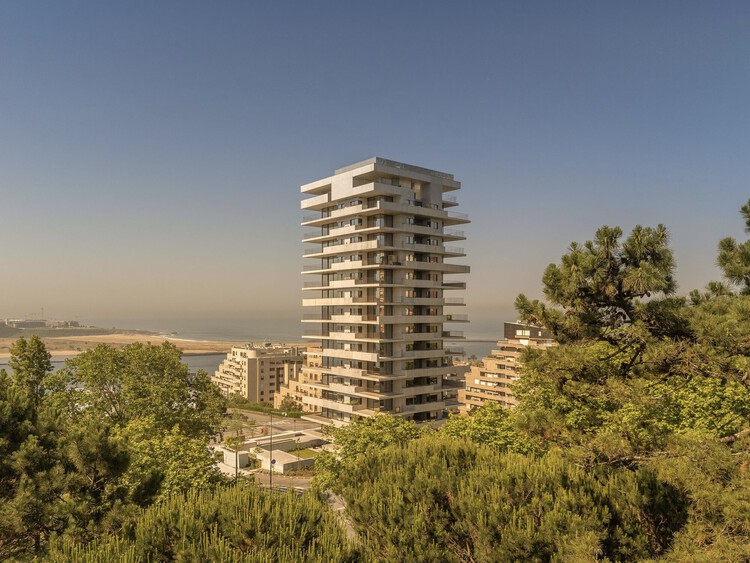
Miramar Tower / OODA

Miramar Tower / OODA - More Images+ 26

  • Architects: OODA
  • Area Area of this architecture project Area:  6000
  • Year Completion year of this architecture project Year:  2025

ART Residence / Jacobsen Arquitetura

ART Residence / Jacobsen Arquitetura - More Images+ 26

  • Area Area of this architecture project Area:  1878
  • Year Completion year of this architecture project Year:  2024