

-
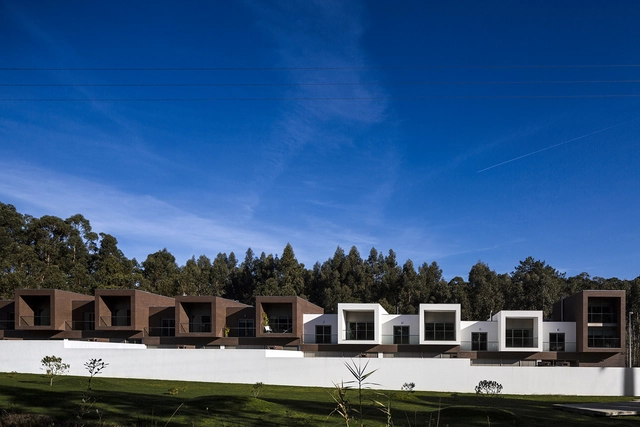
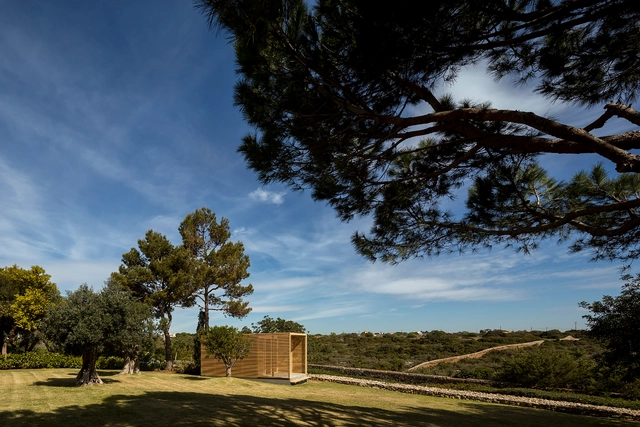
Architects: Marlene Uldschmidt
- Area: 22 m²
- Year: 2015
-
Professionals: Equipa Quatro, Comércio e Construções LDA.


Fernando Guerra has been a pioneer in the way architecture is photographed and divulged. Fifteen years ago, he opened studio FG+SG together with his brother, and both are responsible in large part for the diffusion of Portuguese contemporary architecture in the last fifteen years.
.jpg?1450409436&format=webp&width=640&height=580)


To talk about architecture and construction without ever mentioning cost overruns is not an easy thing to do. These kind of unforeseen problems happen in the majority of projects, as the dynamics of architecture and construction are extremely complex and often present challenges that aren't 100% controllable. Over the years, project management consultants have been integrating cost management into their services, making an effort to fill this market gap with a proper solution. Still, most of this work is performed by consultants with a financial background and little knowledge of architecture and construction solutions and processes.
With this increased attention to budgetary issues, the cost performance of projects has been steadily improving, but usually at the expense of the project’s aesthetic concept and final quality. Would it be possible to put architects in control of this kind of management? After all, they’re the ones with the conceptual sensibility and the technical knowledge necessary to perform this work in a truly integrated way.
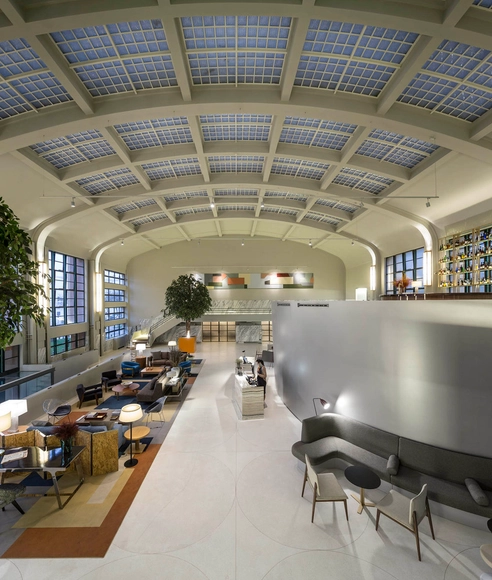
.jpg?1446160424&format=webp&width=640&height=580)
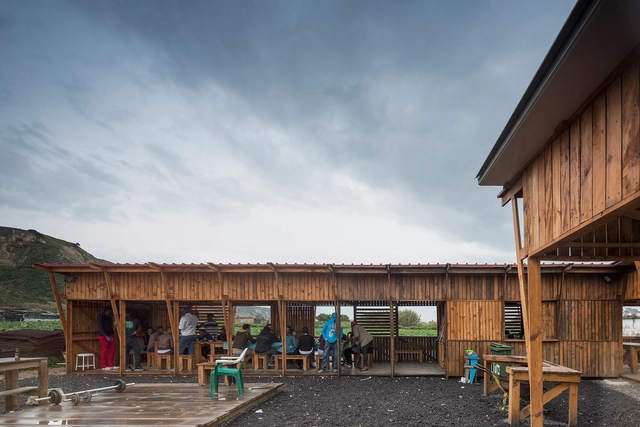
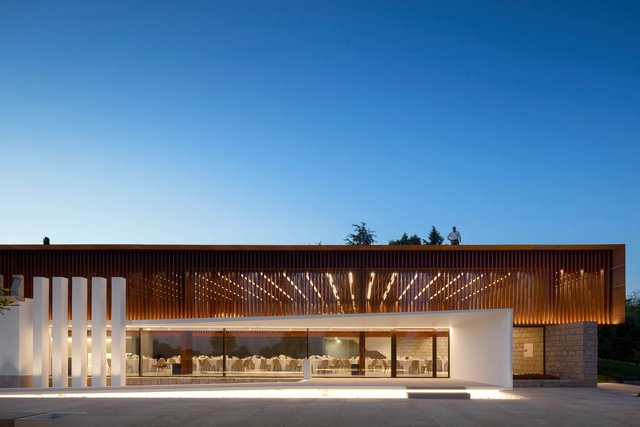
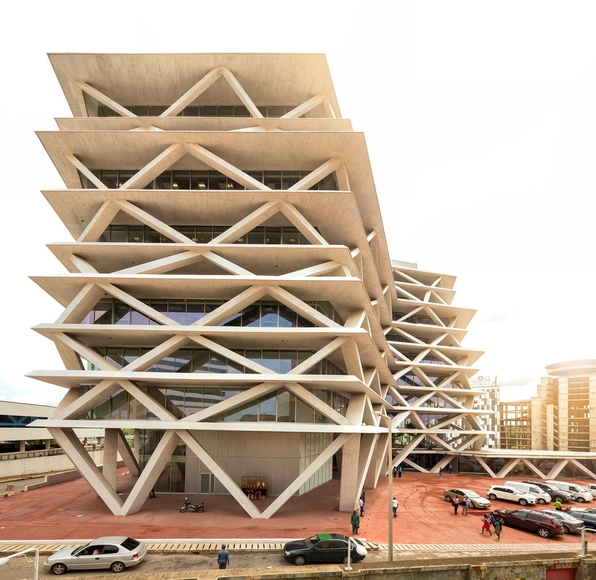
For the recent inauguration of the Museu dos Coches in Lisbon, between September and October Sopro Colectivo hosted their exhibition "Fado Tropical," including 26 photos by Fernando Guerra and an interview with the building's architect, Paulo Mendes da Rocha, who today turns 87 years old.
Constructed on the banks of the Tagus River, the first building in Europe by the Brazilian Pritzker Prize winner was surrounded by controversy during its construction, and today surprise visitors from all over, housing the world's largest collection of carriages. In the interview given at his own office, Mendes da Rocha talks about the specificity of the area, his approach to the historical context and memory related to coaches, and his concise adaptations of the extensive program to the complexity of the surroundings.
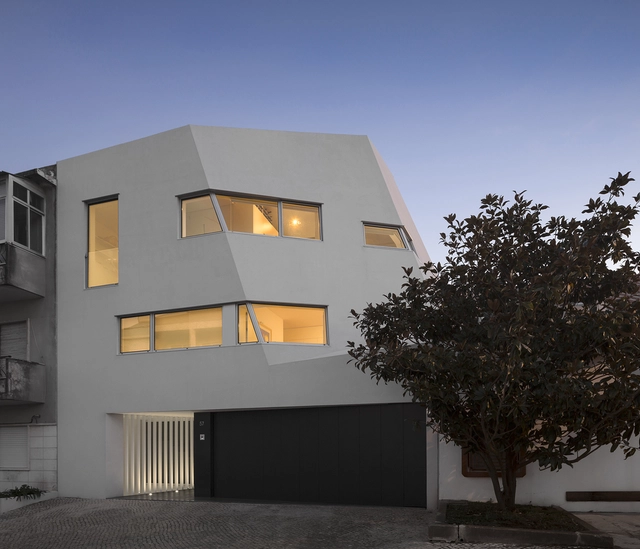

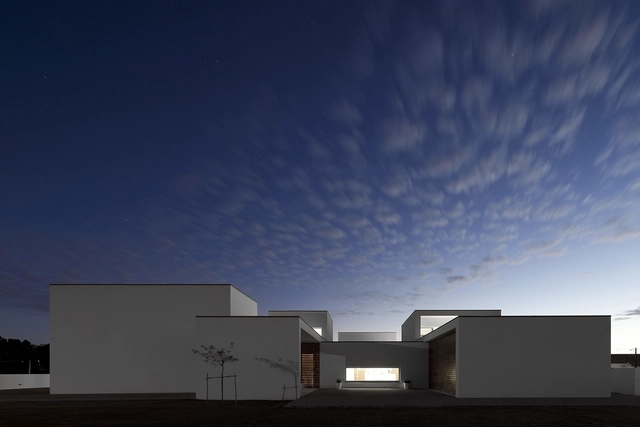

Created by the Union International des Architects (UIA) in 2005, World Architecture Day is celebrated on the first Monday of October with the aim of reminding the world about the collective responsibility of architects in designing our future cities and settlements.
This year, the UIA has selected “Architecture, Building, Climate” as the theme of the day, seeking to highlight the essential role that architecture, design and urbanism have in the reduction of greenhouse gas emissions. With international climate treaty negotiations set to happen later this year, the “UIA members, working bodies and partners will mobilize on 5 October to promote actions and solutions that apply the enormous power of architecture and urban design in coping with global climate change, one of the greatest challenges of our time.”
Through small actions architects can collectively make a big difference and create significant changes. To celebrate World Architecture Day, we have rounded up a selection of projects that have taken steps towards the challenge of protecting our environment.
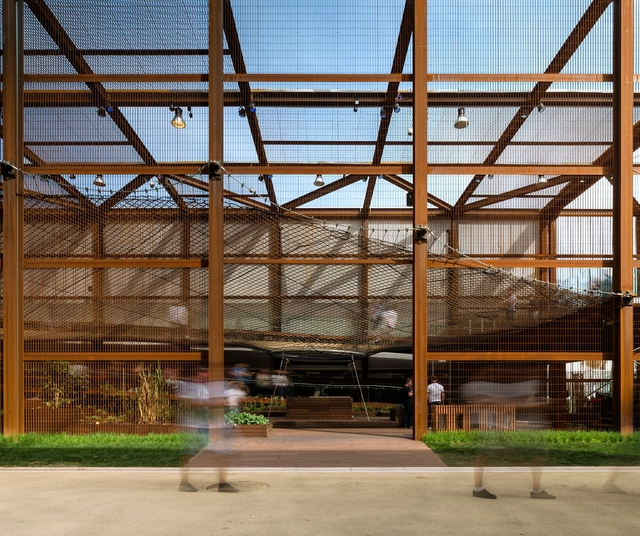
With the participation of 96 pavilions from diverse countries around the world, the Expo Milan 2015 tackles one of the most pressing global issues -- alimentation -- through its theme “Feeding the Planet, Energy for Life.”
The Brazilian Pavilion, designed by Studio Arthur Casas and Atelier Marko Brajovic, was considered one of the most attractive pavilions by the thousands of visitors who have passed through the Expo so far. Featuring a large open space traversed by an elevated net on which visitors can walk, the pavilion is as “as porous as the Brazilian culture,” and creates a pathway above plants native to the country.
Below is a beautiful series of photographs of the pavilion taken by Fernando Guerra, a partner at Últimas Reportagens, along with his brother Sérgio Guerra.
.jpg?1450407855&format=webp&width=230&height=230&crop=true)
.jpg?1450406630&format=webp&width=230&height=230&crop=true)
.jpg?1450406647&format=webp&width=230&height=230&crop=true)
.jpg?1450408008&format=webp&width=230&height=230&crop=true)
.jpg?1450409436)
_copy.jpg?1450333462&format=webp&width=230&height=230&crop=true)
_copy.jpg?1450333477&format=webp&width=230&height=230&crop=true)
_copy.jpg?1450333794&format=webp&width=230&height=230&crop=true)
_copy.jpg?1450333607&format=webp&width=230&height=230&crop=true)




.jpg?1446160010&format=webp&width=230&height=230&crop=true)
.jpg?1446160348&format=webp&width=230&height=230&crop=true)
.jpg?1446160781&format=webp&width=230&height=230&crop=true)
.jpg?1446160618&format=webp&width=230&height=230&crop=true)
.jpg?1446160424)