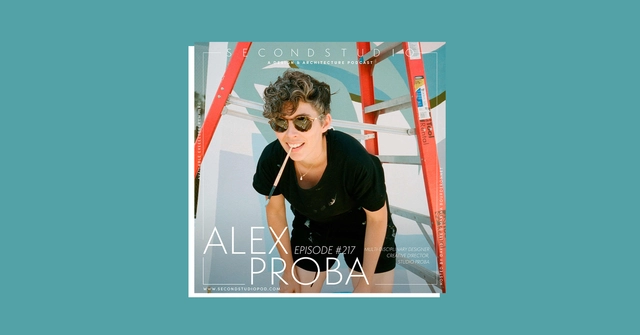
The Second Studio (formerly The Midnight Charette) is an explicit podcast about design, architecture, and the everyday. Hosted by Architects David Lee and Marina Bourderonnet, it features different creative professionals in unscripted conversations that allow for thoughtful takes and personal discussions.
A variety of subjects are covered with honesty and humor: some episodes are interviews, while others are tips for fellow designers, reviews of buildings and other projects, or casual explorations of everyday life and design. The Second Studio is also available on iTunes, Spotify, and YouTube.
This week David and Marina are joined by Alex Proba, Multi-Disciplinary Designer and Creative Director of Studio Proba to discuss her design process, finding her own style, the limitation and possibilities of a design style, blurring 2D and 3D works, spatial design, and much more. Enjoy!
https://www.archdaily.com/958824/alex-proba-on-the-limitation-and-possibilities-of-a-design-style-and-blurring-2d-and-3d-worksThe Second Studio Podcast
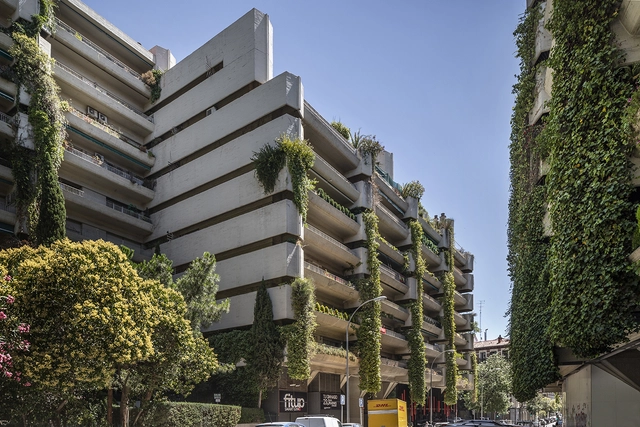
The city of Madrid can be viewed as a place that is representative of all the architectural styles found on the European continent. 16th-century Renaissance buildings and 18th-century Baroque buildings all co-exist in harmony with more modern architectural styles such as Art Deco or the expressive contemporary architecture of recent years. Iconic contemporary architecture firms such as Herzog & de Meuron and Rogers Stirk Harbour + Partners, with projects such as the BBVA Headquarters and Madrid-Barajas Airport Terminal, have all played a part in defining Madrid’s architectural character too, making for a city with highly varied and distinct streetscapes.
This video explores how the settings and spaces in the first season of HBO’s Westworld contribute to the overall interpretation of the show. From the lawless town of Sweetwater, to the tightly controlled offices of Delos, Westworld uses architecture precisely to establish its intricate worlds. While the show is set within a theme park of the near future, books like Michael Sorkin’s Variation on a Theme Park argue that we are already treating the cities we live in — in real life — as theme parks. So, while Westworld shares a number of architectural strategies with places like Disneyland, it is also not too far away from places like Chicago, New York, or London. After all, it was the architect Charles Moore that declared Disneyland the most influential urban environment built after World War 2. Getting to the bottom of this rabbit hole includes lots of train rides and an introduction to Michel Foucault’s concept of heterotopia, which helps explain what happens when worlds collide.
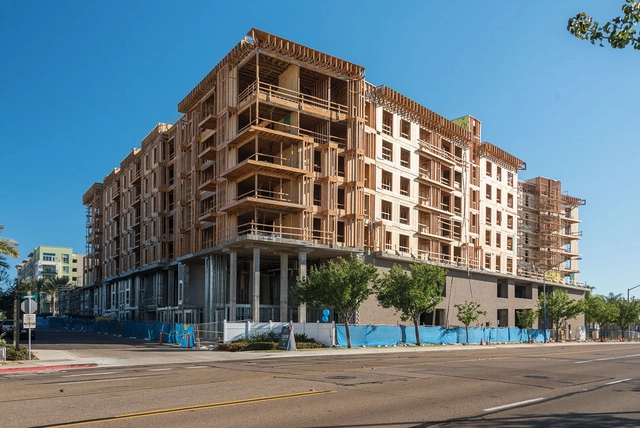
In an ideal world, architects would have free reign to design whatever they imagined. But the reality of the profession is that it comes with strings attached, and our visions are limited by clients, budgets, and perhaps the most dominating force, building codes. These codes have restricted and reshaped architecture so much, that it has forged a new type of building- the “stick frame over podium”, or “five over two” design. The result is a very distinct aesthetic of buildings and a notable monotony that has nearly redefined mid-rise residential architecture across the country.
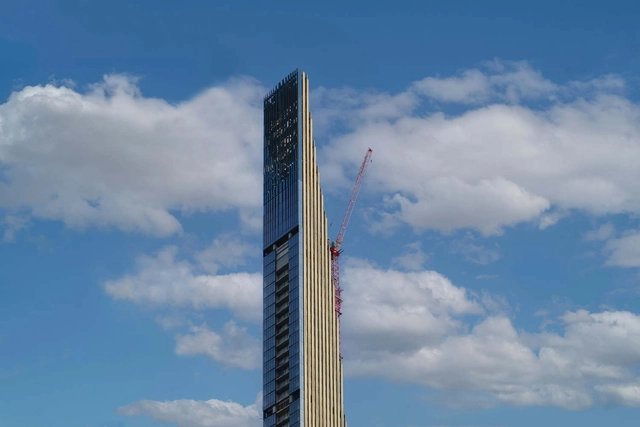
Paul Clemence has released a new series of images, showcasing the on-going construction works on 111 West 57th, designed by SHoP. Located in New York, the residential tower is set to become the second-tallest building in the city by roof height, and the most slender tall building in the world, once completed.
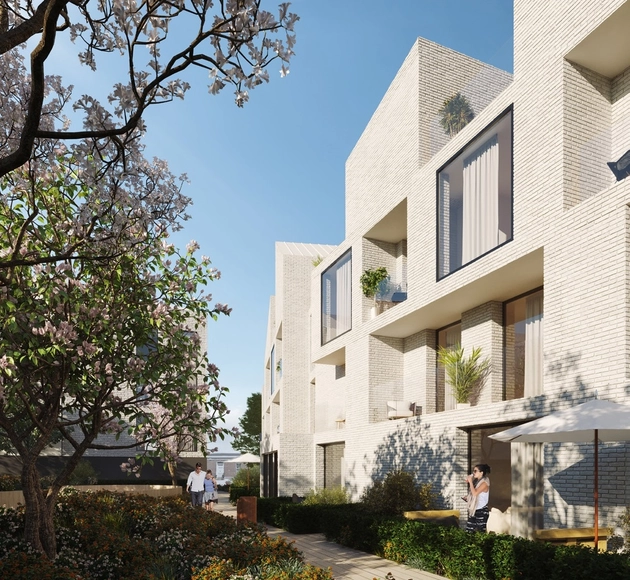
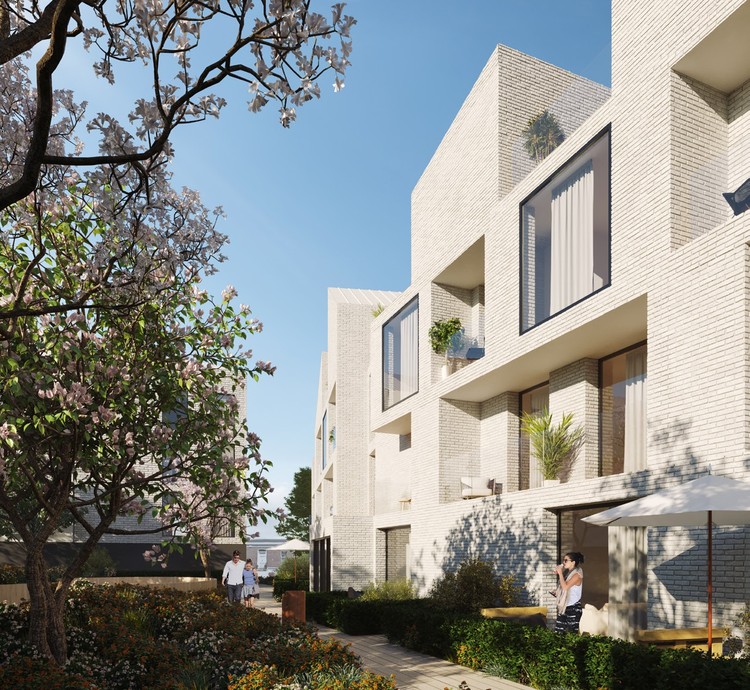
Architecture firm Urban Agency is currently working on the second project in the sister development Merronian Living in Dublin, Ireland. The new residential typology draws on the iconic Dublin terrace and reimagines the spatial potential of the roofscape. Like the first scheme, Merronian Living 2 is premised on architectural integration, drawing inspiration from the surrounding built heritage.
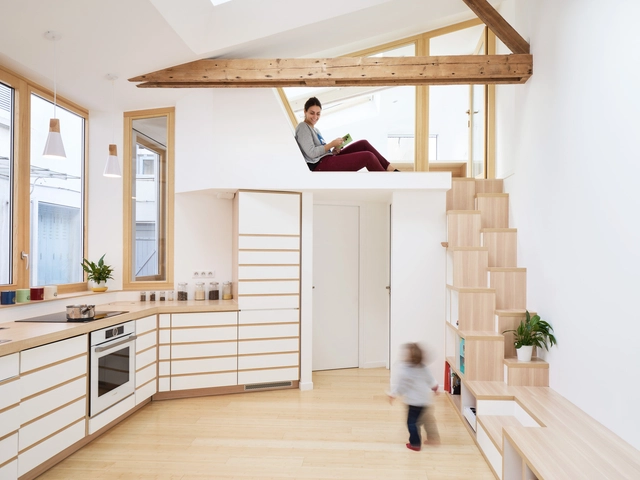
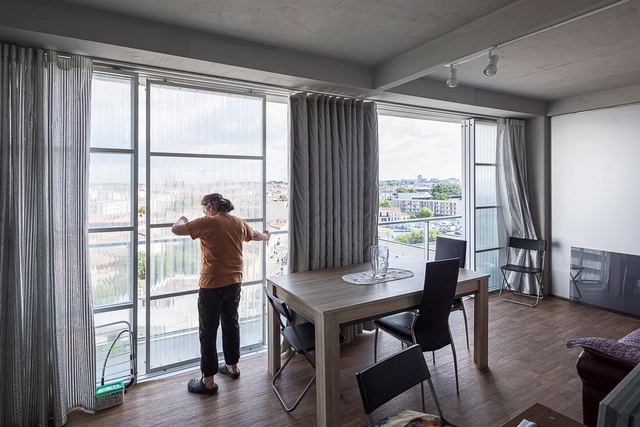
While some aspects of comfort and well-being in an indoor environment are related to external factors, such as natural lighting and ventilation, others are directly associated with the interior layout and the sensations created by architecture in the people living in that space.
It is always challenging to balance all of the elements that can provide greater comfort and well-being in interior design, particularly in small environments that must be fully optimized since it is not always possible to create large openings to the outside or even to accommodate the whole architectural program in a conventional manner.
Paulo Mendes da Rocha often says that the function of architecture is nothing more than ‘supporting the unpredictability of life’. Spaces stand everyday life, meetings, landscape, art. Something like a frame, which is often also considered a supporting element of a work of art, since it highlights and, mainly, directs the viewer's gaze to the main object. The phrase of the Brazilian architect combines well with the way that the Lacaton & Vassal office works. The French couple's award raises some questions about how accurate their choices are for the current moment in the world. This includes the philosophy of their work, the design solutions adopted and the material palette generally adopted.
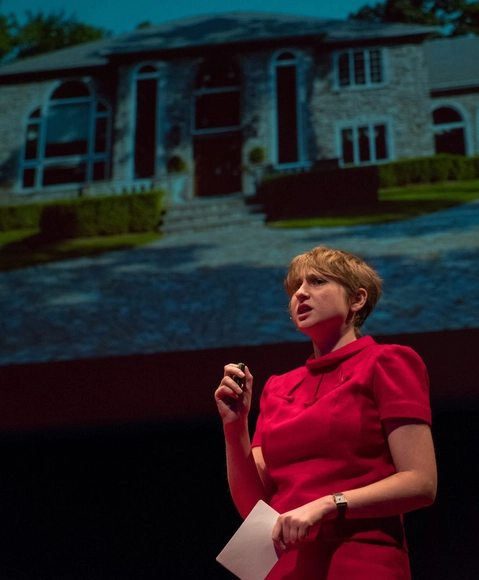
This article was originally published on Common Edge as "Kate Wagner on McMansion Hell, Criticism, and Her Love of Cycling."
Contrary to movie myth, there is no such thing as an overnight sensation. The moment when a cultural presence bursts upon the scene, seemingly fully formed, is almost always preceded by unwitnessed years of DIY training and single-minded obsession. Such is the case for Kate Wagner, who broke the architectural internet in 2016 with the introduction of McMansion Hell, a sharp and hilarious skewering of the bloated American home, in all its garish and desperate striving. A year later, the real estate listing site Zillow served the then-23-year-old Wagner with a cease-and-desist letter, claiming that her use of photographs violated copyright (even though they didn’t own the photographs either!). It was a clumsy move, resulting in an eventual corporate about-face and scads of free publicity for McMansion Hell.
CTO Lighting celebrates the British craftsmanship and tradition at the core of its collections – and nowhere more so than in its new luminaire family named after Arthurian legend.
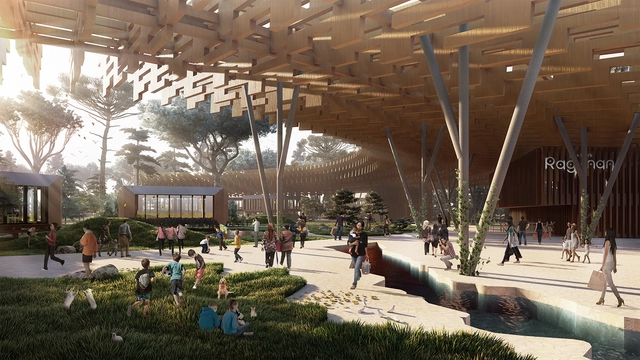
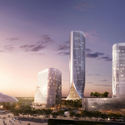
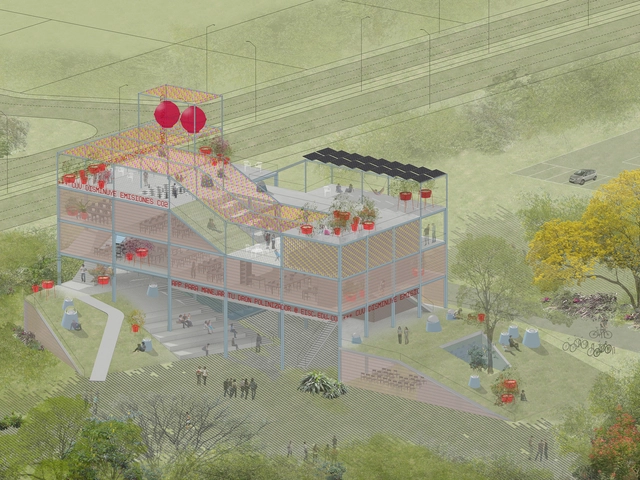
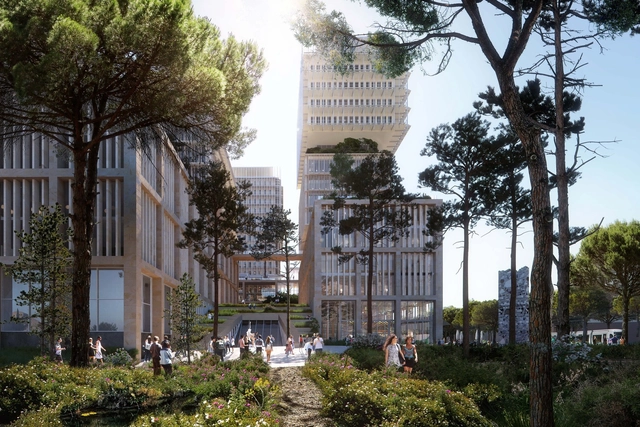
Focusing on competition entries, this week’s curated selection of the best-unbuilt architecture draws from proposals submitted by the ArchDaily Community to highlight award-winning design across the globe. Made for diverse programming, the entries each explore how to build upon the identity of local sites to win their respective competition. Together, they showcase contemporary formal, spatial and conceptual approaches.
The award-winning entries include a range of different projects: a mixed-use redevelopment proposal for a post war suburb of Antwerp, a high-rise on the site of a historic former Police HQ building in downtown Frankfurt, a leafy urban heat island proposal in Abu Dhabi, and a ‘Ireland House’ in Tokyo, which will bring diplomats and state agency personnel together under one roof. These are but a few of the best unbuilt architecture this week.
Videos
SaatRasta Photo by Giovanni Hänninen. Image Courtesy of Alvar Aalto Foundation
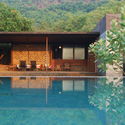
The fourteenth Alvar Aalto Medal has been awarded to the Indian architectural office Studio Mumbai and its director Bijoy Jain. The award, carrying the name of the Finnish architect and designed by Aalto himself, was founded in 1967 in order to honor creative architectural work. Given out every three years by the Alvar Aalto Foundation, the medal “can be given to persons who have gained merit in the field of creative architecture in a very significant way”.
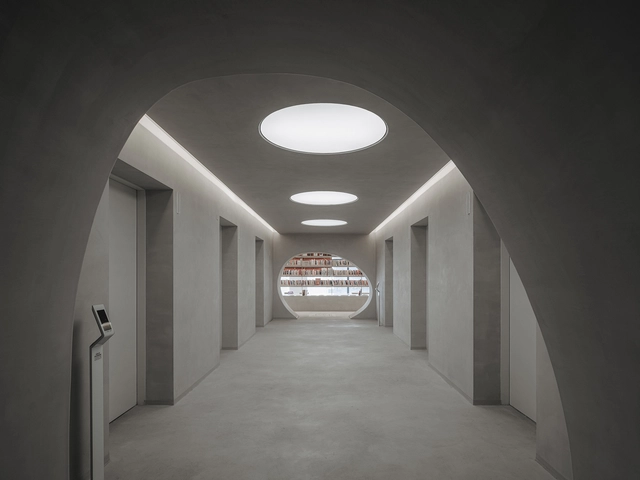
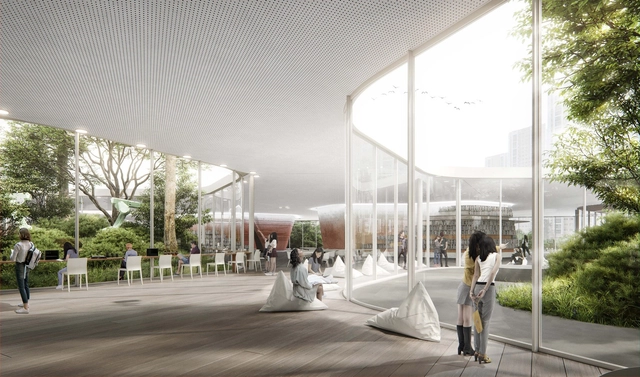
Salon Alper Derinbogaz has created an integrated and open proposal for a new library in South Korea. Named an honorable mention in the Songdo library competition, the project centers on education and innovation for future learners, and a flexible space in which knowledge, making, and technology intermingle. The library was designed to be an environment that will facilitate the construction of new knowledge and ideas
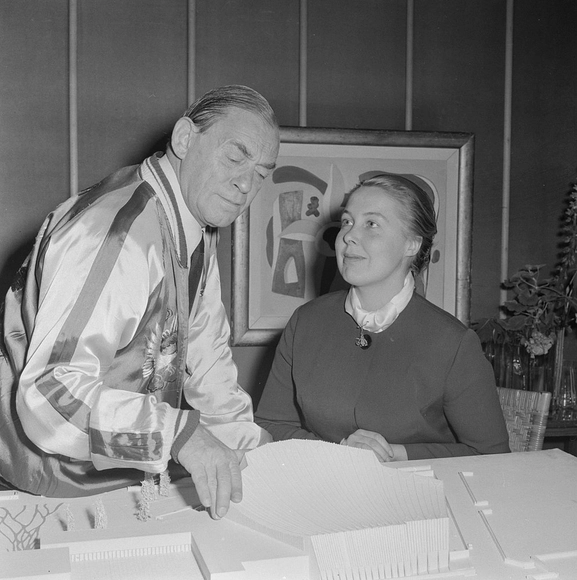
Alvar Aalto and Elissa Aalto in 1956. Via Wikimedia Commons, licensed under CC BY-SA 4.0
While women in architecture already face more obstacles than men in their careers, as proven by studies and research from across the globe, the disparities become even more obvious when it comes to partnerships involving both genders. In the history of the profession, there are many examples of office partnerships or collaborations that reveal the discrepancies in terms of recognition achieved by the work, reflected in awards, honors, citations, and salaries.
Many of these collaborations are between intimate couples who, as in any business partnership, design and make work decisions together. But in the particular case of architects in a heterosexual relationship, the role of the "wife" seems to have prevailed over that of collaborator, architect, or equal partner on many occasions.
Prototype for an Ecosocial Campus Building. Competition for the design of a computer science building at the Universidad del Valle. Cali, Colombia (2014). Image Courtesy of Husos
Husos Architects' work advances in an ongoing dialogue between design and research. Founded in 2003 between Spain and Colombia, the architecture and urban planning office stands out for addressing different scales, from the micro to the global, responding to the requirements of specific users but weaving deep contextual networks with the environment and beyond. How do they effectively approach this complexity, in turn promoting social transformation? We spoke with Diego Barajas and Camilo García Barona about their processes of approaching users and other agents involved –not only humans–, about how they address the colonization of the biosphere that has caused climate change, and about their inquiry into activism from a series of battlefields habitually neglected in traditional discourses of architecture.
We connect with Patrick Speck and Carina Buhlert, design experts at GROHE – one of the leading global bathroom-solutions and kitchen-fixtures brands – to discuss product innovation and the launch of its new digital-experience platform, GROHE X.
Following an exciting week of nominations, ArchDaily’s readers have evaluated over 675 projects and selected 10 finalists for the Building of the Year Award China. Architects and enthusiasts participated in the nomination process, choosing projects that exemplify what it means to push architecture forward. These finalists are the buildings that have inspired ArchDaily readers the most, which also reveal the growing trend of Chinese architecture.
The 2021 Building of the Year Awards China is brought to you thanks to Dornbracht, renowned for leading designs for architecture, which can be found internationally in bathrooms and kitchens.
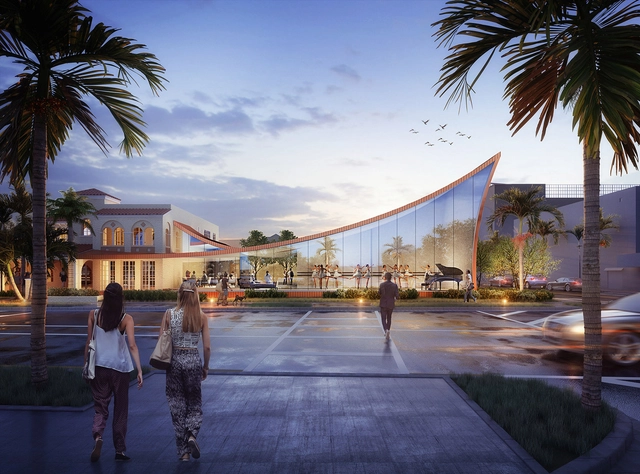
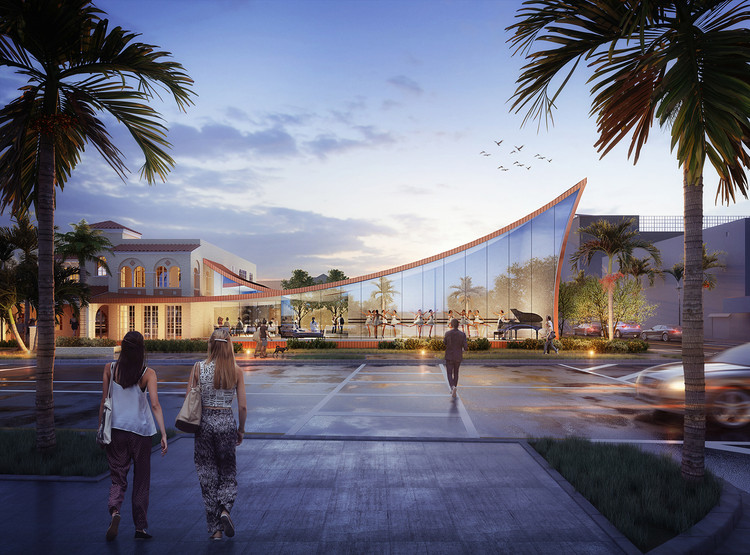
Architecture and design practice Brooks + Scarpa have designed a sweeping new arts & culture center for Hollywood, Florida. Located next to the Kagey Home facility at 1650 Harrison Street in downtown, the project is funded in part through a General Obligation Bond. As a civic place for social interaction, the center is made to bring people closer to art and each other, providing opportunities for new, immersive art experiences.
In recent years, several movements in Brazil and around the world have contributed significantly to society by emphasizing the need to occupy public spaces in the cities to claim quality and freedom of use for the community. The Ocupe Estelita movement in Recife, Brazil, for example, confronted the growing real estate speculation in the region and challenged the aggressive commercial urban planning on the banks of the Capibaribe River. Based on cases like this one, professor, critic, and curator Guilherme Wisnik, in an interview with Fora, addressed the issue of public space as a place of conflict.
There’s a bright world just beyond the COVID-19 pandemic, and Waterfront Toronto, the organization tasked with revitalizing the city’s waterfront, is working to deliver on that future with its vision for the Quayside Project—a 12-acre mixed-use development poised to transform the industrial lands at the foot of Parliament Street.
What elements and qualities does space need for a well-balanced physical and spiritual recovery? How to design spaces that are healthy for both our minds and our bodies? What makes an environment livable and sustainable in the long term?
These are the questions we need to address in the era of the rapidly developing real estate market. Why do we tend to inhabit more and more high-density residential towers? Are we necessarily more mentally secure? If not, what are the spatial solutions or cures for the current urbanites’ anxiety? In this article, we will explore ways of unwinding and finding cures in space.

















.jpg?1615997134&format=webp&width=640&height=580)

.jpg?1615997115 "SaatRasta Photo by Giovanni Hänninen. Image Courtesy of Alvar Aalto Foundation")

.jpg?1615997134)




.jpg?1615817314&format=webp&width=640&height=580)
.jpg?1615817428 "© Laurian Ghinitoiu")
.jpg?1615817448 "© Laurian Ghinitoiu")
.jpg?1615817463 "© Laurian Ghinitoiu")
.jpg?1615817414 "© Laurian Ghinitoiu")
.jpg?1615817314)






.jpg?1615390051&format=webp&width=640&height=580)
.jpg?1541081334 "Praça das Artes. © Nelson Kon")
.jpg?1541081352 "Image Cortesia de USINA CTAH. ImageVista do Mutirão Paulo Freire")

.jpg?1615390051)