

This guide explains how to structure multi-image prompts in the RunDifussion platform. Explore RunDifussion's product catalog.
News
How to Prompt and Annotate Multiple Images with AI
| Sponsored Content
https://www.archdaily.comhttps://www.archdaily.com/catalog/us/products/38860/how-to-prompt-and-annotate-multiple-images-with-ai-rundiffusion
Powerhouse Company Reveals IBM Headquarters in Amsterdam
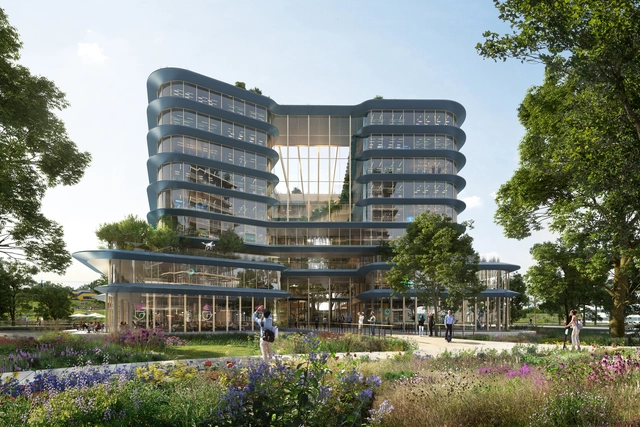
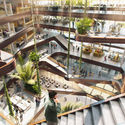
Powerhouse Company has revealed the design of the new IBM Headquarters in Amsterdam, Netherlands. The architects drew inspiration from the client’s ethos to create a building that functions as a vertical city, with a large atrium conceived as the central social space and multi-tenant offices as neighborhood units. The 35,000 square meter building will house startups and scaleups in addition to the various amenities like fitness areas, restaurants, and lecture halls.

https://www.archdaily.com/982732/powerhouse-company-reveals-ibm-headquarters-in-amsterdamMaria-Cristina Florian
Interior Design: 34 Kitchens in Mexico Exploring Different Spatial Layouts
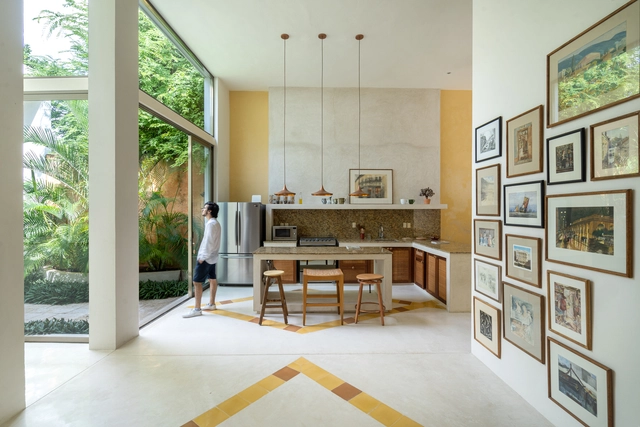
Over the years, interior design has evolved according to the needs that arise, but above all, according to the experiences it seeks to evoke in the user. Over the last two years, we have witnessed a radical change and a special interest in this subject because the pandemic forced us to pay specific attention to the configuration of the places we inhabit. This brought about much more holistic designs that seek to address the wellbeing of the user, combining colours, sensory experiences, technology and natural elements that promote health.


https://www.archdaily.com/982524/interior-design-34-kitchens-in-mexico-exploring-different-spatial-layoutsMónica Arellano
The First Dynamic Atlas on Access to Housing: The New Web Tool Developed by 300.000 Km/s
In the framework of the UIA 2022 International Forum "Affordable Housing Activation: Removing Barriers", the Consejo Superior de los Colegios de Arquitectos de España (CSCAE) has developed a useful tool: the first dynamic atlas on access to housing. This atlas brings together on a single platform more than 4,000 financial, urban context and development indicators from the main international organisations, from official and non-structured sources, making it easy to understand, read and interpret. These organisations include, for example, the World Bank, the Ibero-American Development Bank, the International Monetary Fund, and the World Health Organisation, among others.
https://www.archdaily.com/982579/the-first-dynamic-atlas-on-access-to-housing-the-new-web-tool-developed-by-3000-km-sMili Sánchez Azcona
A Recyclable and Modular Housing Complex in India and A Secluded Cliff House in Iran: 8 Unbuilt Residential Projects Submitted to ArchDaily

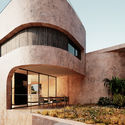
This week’s curated selection of Best Unbuilt Architecture highlights residential projects submitted by the ArchDaily community. From a small community-dwelling in Ghana to a villa tucked under a hillside in Portugal, this roundup of unbuilt projects explores how architects react to various site topographies, cultures, and material availability when designing spaces that provide more than shelter to their users. The article also includes projects from India, Iran, Ireland, Latvia, Georgia, and Saudi Arabia.



https://www.archdaily.com/982647/a-recyclable-and-modular-housing-complex-in-india-and-a-secluded-cliff-house-in-iran-8-unbuilt-residential-projectsMaria-Cristina Florian
"Design was crucial to our storytelling": How a German Coastal Hotel Changed the Landscape
| Sponsored Content

Not many architectural projects require maps of the area to be updated. But, then again, not many projects are as sensitively considered as the Lighthouse Hotel & Spa in Büsum, North Germany.
It could have gone so wrong. But local architect Thomas Ladehoff – in close collaboration with hotelier and creative sparring partner Jens Sroka – managed to deliver a 108-room destination that, through its clever voluminal articulation and constructional materials, respects both the scale and the vernacular language of its environs – and most importantly mitigates its partial obstruction of the 110-year-old lighthouse next to which it sits and from which it takes its name.
https://www.archdaily.com/982553/design-was-crucial-to-our-storytelling-how-a-german-coastal-hotel-changed-the-landscapeSimon Keane-Cowell
Breathing New Life into Coffee Shop Culture: A Focus on Multi-Functional Café Spaces
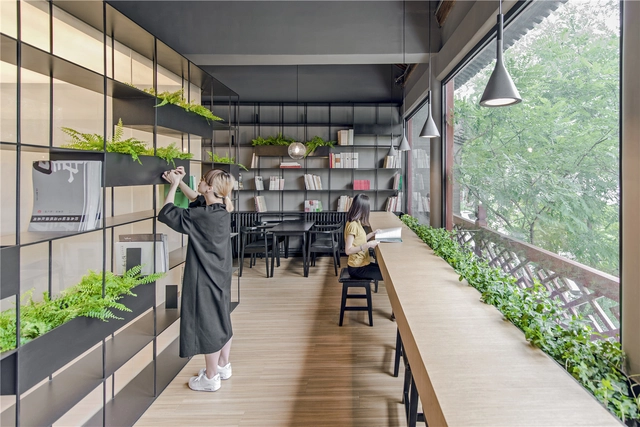
Throughout the years, coffee shops and cafés alike have become so much more than just a place to acquire a delicious brew. Since the first coffee shops were established, they have been used as social places to congregate and meeting points for the public. Alongside the development of coffee shops came the ‘coffee culture’, a set of traditions and rules regarding the way cafes are used, and the way these delicious brews are enjoyed.
Coffee shops are everywhere, not just on our city’s high streets, but globally beloved. They offer an atmosphere that is warm and inviting, with a focus on the ambiance and aesthetic of the space as well as the services they offer, with some cafes housing multiple functions beyond the brew. Therefore, the question stands: how are coffee shops today tapping into creating new spaces that are interesting and bring new life to the beloved culture?


https://www.archdaily.com/982585/breathing-new-life-into-coffee-shop-culture-a-focus-on-multi-functional-cafe-spacesJullia Joson
10 Contemporary Buildings Inspired by the Egyptian Pyramid Typology
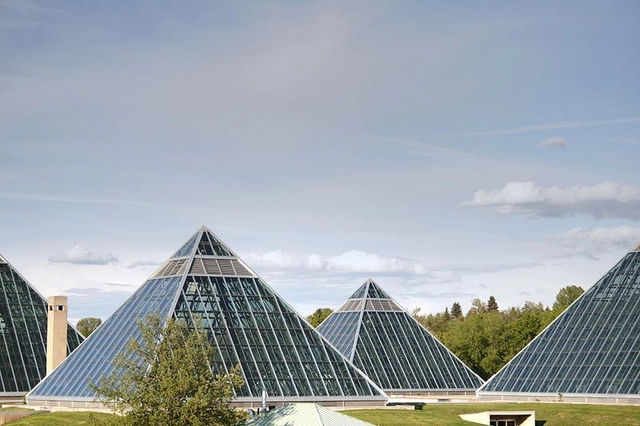
As one of the wonders of the world, the Egyptian pyramids are steeped in rich history and shrouded in mystery. Using their unparalleled resources to create structures on a scale that had never been seen before, the ancients used the pyramid shape to construct structurally resilient and visually powerful icons, surviving the ravages of time. Presenting a new definition in terms of monumentality, these architectural marvels remain a timeless and influential form for design concepts today.
Although its origins are historical in nature, this iconic structure is resurfacing in many architectural projects around the world, modern pyramid architecture for a range of different functions and applications. From sustainable building, museums, malls and residential structures, the pyramid typology is visually enthralling and can be constructed in a range of different materials and environments.


https://www.archdaily.com/982205/10-contemporary-buildings-inspired-by-the-egyptian-pyramid-typologyRebecca Ildikó Leete
Is Minimalism Dead?
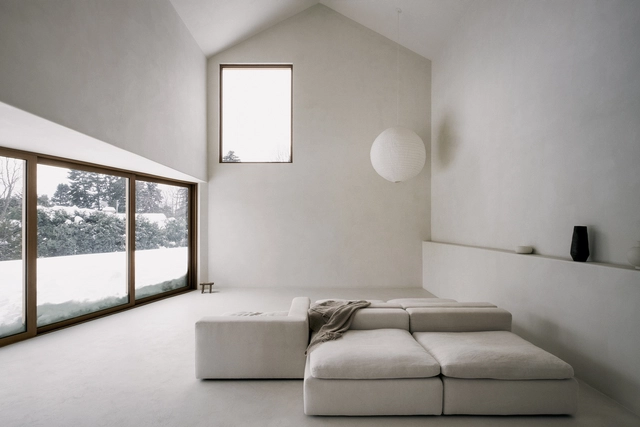
The visual aesthetic of the past few decades could be defined as designing with the principles of ‘nothingness’. Whether it’s through art, lifestyle, fashion, industrial, or interior design, there has been an alleged need to keep things at a bare minimum, promoting the globally-loved-yet-highly-criticized trend of minimalism. Minimalism is this notion of reducing something to its necessary elements, but who is deciding what is necessary, and who is deciding what is too much? With those questions in mind, combined with radical changes in consumerism and the way people live seen during recent years, current trends have shown that minimalism might be here to stay, but with a twist.


https://www.archdaily.com/982608/is-minimalism-deadDima Stouhi
MVRDV's Rotterdam Rooftop Walk has Opened to the Public
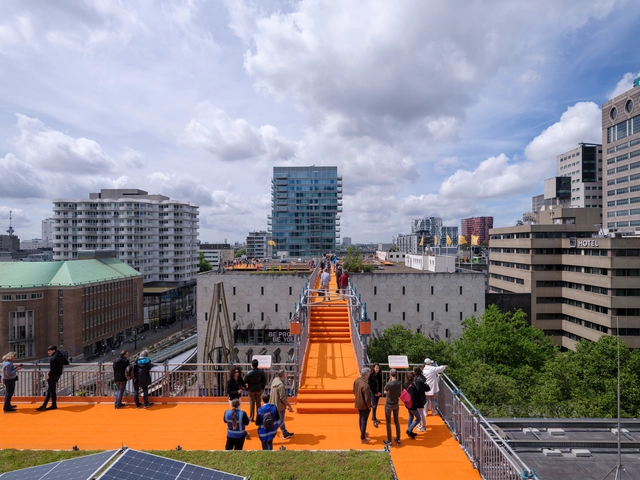
Designed by Rotterdam Rooftop Days and MVRDV, the Rotterdam Rooftop Walk has finally opened to the public. The installation offers visitors a new perspective on the city, with a 30-meter-high aerial bridge that spans across a variety of the city’s rooftops, from the roof of The Bijenkorf department store to the top of the World Trade Centre plinth. The project aims to showcase how rooftops can provide an added layer of public infrastructure in a dense city where public space is scarce. Rotterdam Rooftop Walk is open from May 26 to June 24 from 10:00 to 20:00.


https://www.archdaily.com/982681/mvrdvs-rotterdam-rooftop-walk-has-opened-to-the-publicDima Stouhi
Graham Foundation Announces the Names of 2022 Individual Grant Recipients

The Graham Foundation has announced the award of 56 new grants to individuals exploring ideas that expand contemporary understandings of architecture. The recipients have been selected from an open call that resulted in nearly 500 submissions. The selected projects are led by 81 individuals with diverse backgrounds. The funded projects, including exhibitions, publications, films, and podcasts, among other formats, encourage experimentation and foster critical discourse in architecture.


https://www.archdaily.com/982644/graham-foundation-announces-the-names-of-2022-individual-grant-recipientsMaria-Cristina Florian
Eva Franch I Gilabert: “We Need to Produce New Models With New Values”
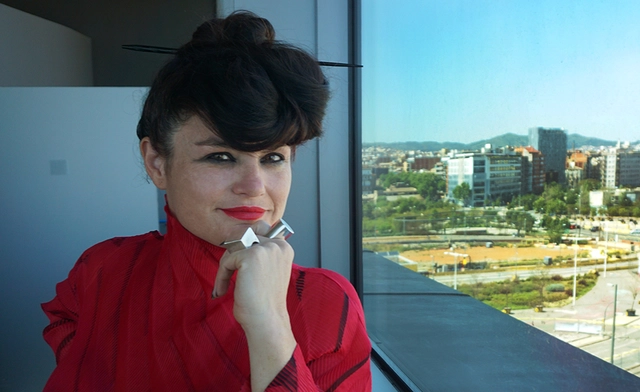
Eva Franch I. Gilabert is one of the three artistic directors of Model. Barcelona Architectures Festival, together with Beth Galí I. Camprubí and José Luis de Vicente. The first edition of a project that has taken the city of Barcelona as a place for experimentation and debate.
From the 5th to the 15th of May, they took the public space and transformed it into both a playground and platform for international voices, local architects, policymakers, politicians and citizens, to engage and discuss what the future of Barcelona and other cities could be.
https://www.archdaily.com/981931/eva-franch-i-gilabert-we-need-to-produce-new-modelsFabian Dejtiar
Queer Spaces and the Path of Positive Possibilities Within Architecture: an Interview with Adam Nathaniel Furman

"Growing up queer means experiencing the destabilizing absence of a broad and accessible queer history, most notably, in our case, in relation to spatial design". This account is what intrigued artist Adam Nathaniel Furman and architectural historian Joshua Mardell to bring together a community of contributors who bring new perspectives to the field of architecture and share stories of spaces that challenge cis-heteronormative morals, sheltering lives that seek to live their own truths. The result of this quest is a book titled Queer Spaces: An Atlas of LGBTQIA+ Places and Stories, which explores stories about distinct social, political, and geographical contexts within the community.


https://www.archdaily.com/982304/queer-spaces-and-the-path-of-positive-possibilities-within-architecture-an-interview-with-adam-nathaniel-furmanVictor Delaqua
Is It Time For Architects to Unionize?
This article was originally published on Common Edge.
Unions are a trend among college-educated young people, the New York Times reports. They seek solidarity—collective leverage—to bring about desired changes that are being resisted. While Amazon and Starbucks get the headlines, younger architects are also organizing. Doing so is urged on by The Architecture Lobby, a group that leans Democratic Socialist. The Manhattan-based firm SHoP was a recent, ultimately unsuccessful target of a group of its employees and a sponsoring trade union.


https://www.archdaily.com/982680/is-it-time-for-architects-to-unionizeJohn J. Parman
Making Buildings Bird-Friendly with Safety Glass
| Sponsored Content

Avian hazard – and that's hazard to birds rather than some Hitchcockian hazard to you – is an increasing concern for architects and developers. You may not have thought about it much, but build a tall glass building and sooner rather than later an unwitting bird is going to fly right into it. And then more and often with fatal consequences.
In fact, billions of birds collide with buildings every year, especially during migration. And given our insatiable appetite for putting up more and ever taller glass buildings, that tally is only going to rise. To tackle that death toll, more and more cities – including, not surprisingly, New York – have passed or are passing legislation that require architects and developers to install bird-friendly glass.
https://www.archdaily.com/982548/making-buildings-bird-friendly-with-safety-glassRene Submissions
Algorithms & Aesthetics: The Future of Generative Design
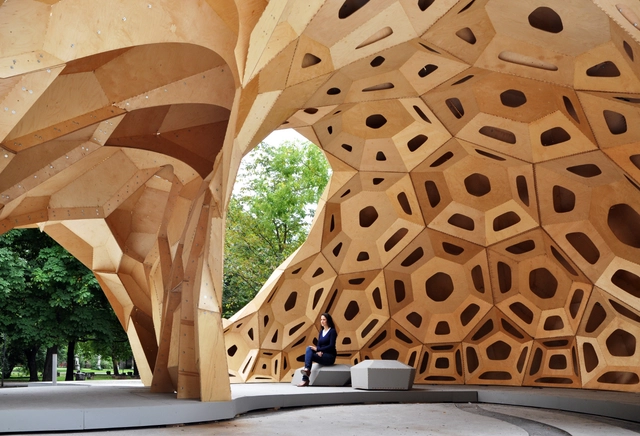
Machine learning and generative design are profoundly shaping modern life. A central critique to the value and advancement of artificial intelligence, especially in the context of architecture, is the ability for a machine to design, as well as the resulting fear that professional services may be limited. As cities continue to develop, new tools emerge to help envision and create the built environment. How can architects embrace generative design to reimagine models of sustainability, inclusive practice, and new aesthetics?


https://www.archdaily.com/982243/algorithms-and-aesthetics-the-future-of-generative-designEric Baldwin
Innovative Ceramic Surfaces for a Healthy Return to Movie Theaters
| Sponsored Content
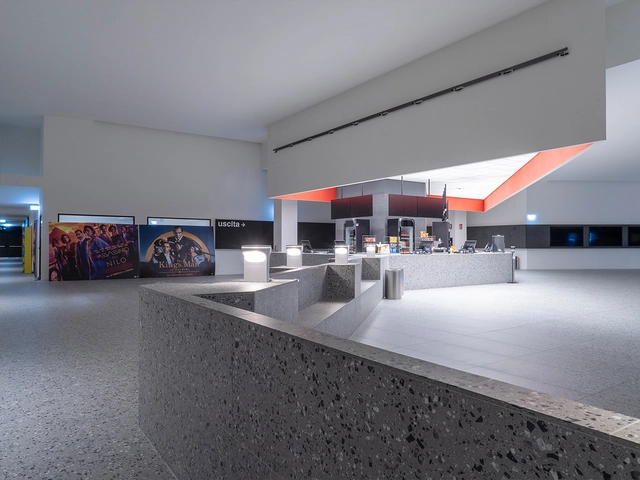
In the context of the pandemic, where several businesses were forced to close temporarily, movie theaters across the world were among the most affected. Fast forward more than two years later, and the lingering effects of COVID-19 are still present, marking a turning point in the traditional cinema experience. But even as attendance is still not close to pre-pandemic levels, certain segments of moviegoers are enjoying the benefits of the giant screen, comfortable seats, massive speaker systems and theater snacks.
https://www.archdaily.com/982320/innovative-ceramic-surfaces-for-a-healthy-return-to-movie-theatersValeria Montjoy
Sigurd Larsen and Tech Start-up Raus are Launching New Eco-Friendly Cabins in the German Forests
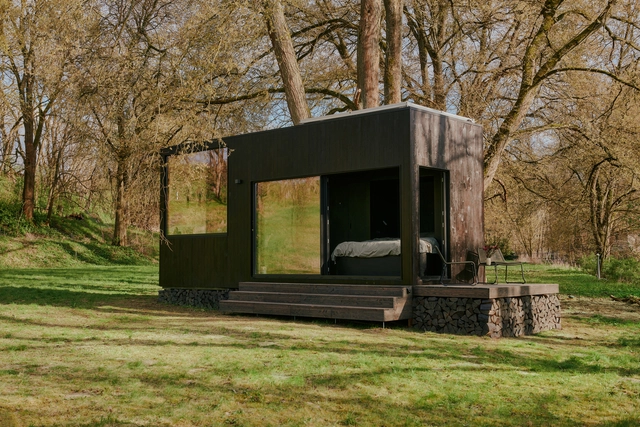
Berlin-based hospitality tech start-up Raus has collaborated with Danish designer and architect Sigurd Larsen to create nature-inspired cabins in the middle of nature. The small retreats are designed with eco-friendly features, offering city dwellers the opportunity to escape the bustling city life, and stay in a chalet that combines art, culture, and nature. The cabin will be temporarily located on the grounds of Wehrmuehle in Biesenthal, Brandenburg, and will soon expand beyond Germany and its borders.




https://www.archdaily.com/982604/sigurd-larsen-and-tech-start-up-raus-are-launching-new-sustainable-cabins-in-the-german-forestsDima Stouhi
ODA Reveals Design for a Duo of Residential Towers in Fort Lauderdale, United States
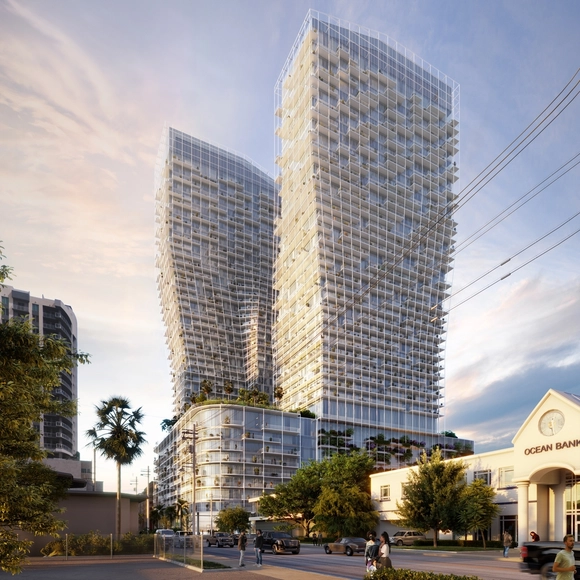
New York-based architecture studio ODA has revealed the design of Ombelle, a duo of residential towers in Fort Lauderdale, Florida. The two 43-story buildings will accommodate 1,100 rental units, completed with amenities and retail spaces. At the base of the building, an urban plaza connects the development to its neighboring area and Flanger Village. The Ombelle complex is ODA's second large-scale residential project in Fort Lauderdale. The first one, the Kushner tower, is located in the same district.


https://www.archdaily.com/982567/oda-reveals-design-for-a-duo-of-residential-towers-in-fort-lauderdale-united-statesMaria-Cristina Florian
Is It Possible to Transform the Port of Barcelona into a Large Urban Park?
.jpg?1651765800&format=webp&width=640&height=580)
'PARC BLAU' is an experimental proposal to reflect on the future of cities presented by the architecture studio ON-A in the framework of Model. Festival of Architectures of Barcelona - a space to rethink how we want to live together through new urban models.
The project addresses a possible transformation for the port of Barcelona into a large urban park, a future for the area that offers the opportunity to re-naturalise the space, turn it into a park, fill it with life and allow citizens to enjoy it without renouncing the services currently established in the area.
https://www.archdaily.com/982459/is-it-possible-to-transform-the-port-of-barcelona-into-a-large-urban-parkFabian Dejtiar
Neuroarchitecture: How Your Brain Responds to Different Spaces

Have you ever heard of neuroarchitecture? What would spaces look like if architects designed buildings based on the emotions, healing and happiness of the user? Hospitals that help with patient recovery, schools that encourage creativity, work environments that make you more focused…
This is neuroarchitecture: designing efficient environments based not only on technical parameters of legislation, ergonomics and environmental comfort, but also on subjective indices such as emotion, happiness and well-being.


https://www.archdaily.com/982248/neuroarchitecture-how-your-brain-responds-to-different-spacesMarília Matoso
Meet the 40 Finalists Selected by the Jury of the ArchDaily Architectural Visualization Award
The first stage of the Architectural Visualization Award has come to an end. 40 finalists, 10 from each category: Exterior, Interior, Conceptual and Real-Time Rendering were selected by the official ArchDaily jury.
https://www.archdaily.com/982509/meet-the-40-finalists-for-the-archdailys-architectural-visualization-awardsDiego Hernández
Explore the DAAily Bar's Space at the 2022 Milan Design Week
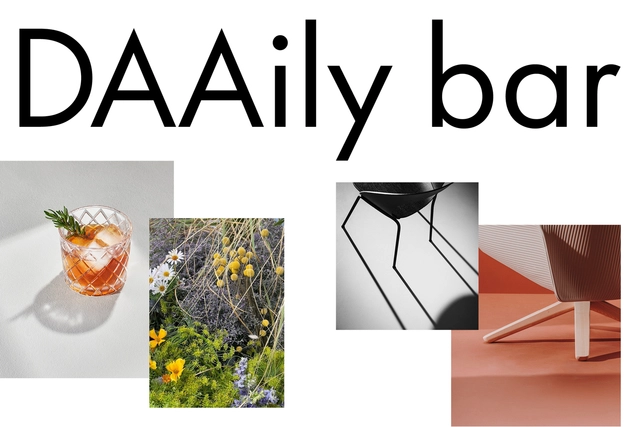
As the design world prepares for one of the most anticipated events of the year, Designboom, Architonic, and ArchDaily which make up DAAily platforms have put together for the visitors of Milan Design Week 2022, a unique, storytelling-programmed space, designed by architects and designers for architects and designers. This year, DAAily platforms are taking the opportunity to take to the stage together from 7 to 10 June at the Swiss Corner at Piazza Cavour / Via Palestro 2, hosting curated talk series and gathering spots, along with immersive art installations.


https://www.archdaily.com/982060/explore-the-daaily-bars-space-at-the-2022-milan-design-weekDima Stouhi
BIG Designs Proposal for Culinary Research and Innovation Hub in San Sebastian, Spain
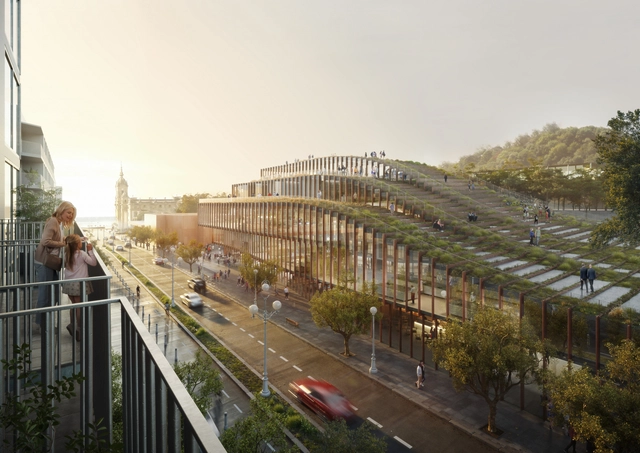
Selected among five invited architects including OMA, Snøhetta, 3XN, and Toyo Ito & Associates., the BIG-designed building for the Basque Culinary Center, is a new food tech hub located in San Sebastian, Spain. TheGastronomy Open Ecosystem (GOe) is in fact a 9,000 m2 project that seeks to push forward the art and science of gastronomic innovation, bringing together food start-ups, researchers, and chefs. Currently in progress, the building will focus on the development of alternative proteins, agricultural robotics, the prevention of food waste, and much more.


https://www.archdaily.com/982516/big-designs-proposal-for-culinary-research-and-innovation-hub-in-san-sebastian-spainChristele Harrouk
Squire & Partners, SAWA and Buro Happold: Design, Engineering and Local Resources Come Together for the Agri-Tech Center in Cambodia
In these fast-paced and constantly evolving times, architecture has been adapting to new building technologies and complexities to serve today’s world needs. Teams of experts from all areas, architecture, engineering, construction, and a long list of professionals, come together to bring these solutions to our built environment. At ArchDaily we have been highlighting these actors in the architecture we curate and publish every day, but we often come across other types of projects, in which we spot different needs, and ways of building in certain places and communities, that equally require a highly qualified team, specific local techniques, and knowledge that are worth sharing.
In this edition of the ArchDaily Professionals Video Interviews, we talked to Tim Gledstone, partner in Squire & Partners, Edward Dale-Harris founder of SAWA (Socially Active Workshop Architecture), and Matthew Duckett, Senior Structural Engineer in engineering and infrastructure firm Buro Happold. The three experts came together to design and build the community Agriculture Technology Center in Krong Samraong, Cambodia for the Green Shoots Foundation.


https://www.archdaily.com/982305/squire-and-partners-sawa-and-buro-happold-design-engineering-and-local-resources-come-together-for-the-agri-tech-center-in-cambodiaPaula Pintos