1. ArchDaily
  2. News

News

How Do Double-Skin Façades Work?

Subscriber Access | 

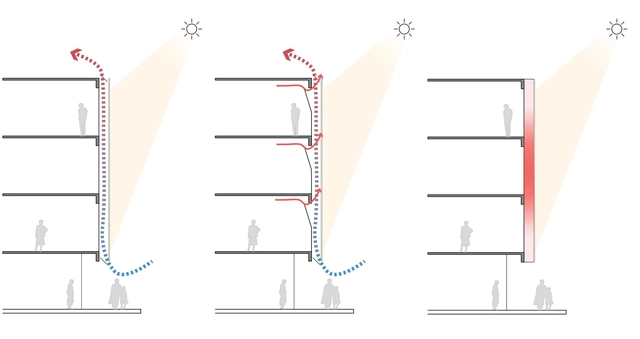
Double skin façades: Almost a self-explanatory name for façade systems consisting of two layers, usually glass, wherein air flows through the intermediate cavity. This space (which can vary from 20 cm to a few meters) acts as insulation against extreme temperatures, winds, and sound, improving the building's thermal efficiency for both high and low temperatures. Perhaps one of the most famous examples of double-skin facades is Foster+Partners' 30 St Mary Ax Building, "The Gherkin."

The airflow through the intermediate cavity can occur naturally or be mechanically driven, and the two glass layers may include sun protection devices.

From Wood, Stone, Steel, and Uni Colors: A Decorative Collection for Fast-Moving Trends

 | Sponsored Content

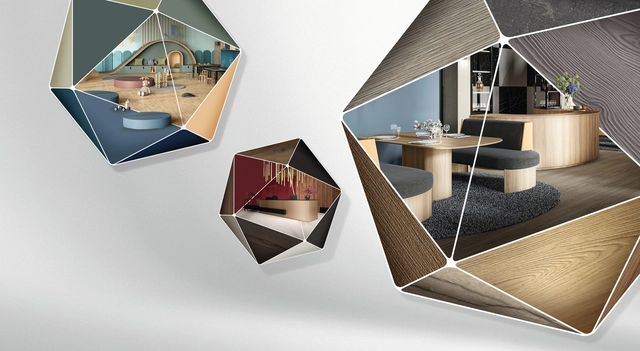
Nowadays, the cycles of change around society and architecture have generated new urban models, emerging technologies, and design trends that underline the need for constant adaptability in all areas. In this context, aspects such as flexibility, reliability, and simplicity emerge as distinctive elements, both in architecture and in the components that constitute it, including materials. This is why lines such as the EGGER Decorative Collection 24+, crafted from wood-derived materials, seek to redefine concepts through a rolling series, updated at most every two years. This dynamic enables a more agile response to new trends, influences, and product innovations that arise in the built environment.

Meet the 75 Finalists of the ArchDaily 2024 Building of the Year Awards

After two weeks of open voting in the 15th edition of the Building of the Year Awards, our readers have meticulously narrowed down a pool of over 4,000 projects to a select group of 75 finalists spanning 15 categories. This year's awards enthusiastically honor the pinnacle of design, innovation, and sustainability on a global scale, showcasing an exceptional range of projects within the shortlist. As a crowdsourced award, we take pride in affirming that your selections authentically mirror the current state of architecture, and the caliber of this year's finalists further underscores the excellence and diversity prevalent in the field.

The ArchDaily Building of the Year Awards is brought to you thanks to Dornbracht, renowned for leading designs for architecture, which can be found internationally in bathrooms and kitchens.

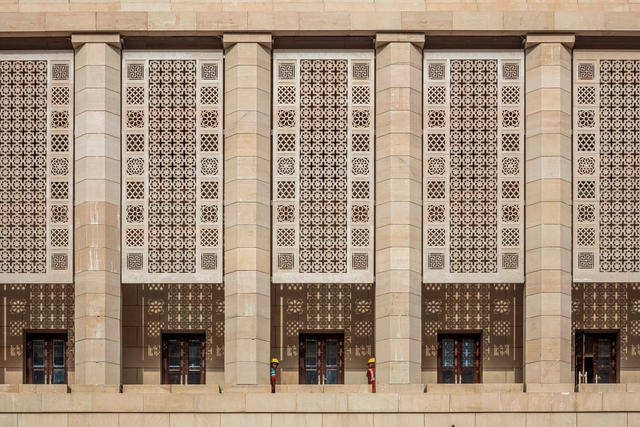
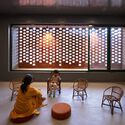
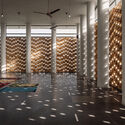
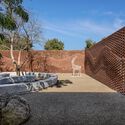
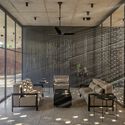
15 Projects in India Using Traditional Jali Wall Facades: Solution to Control Light, Temperature and Ventilation

Natural light, fresh air, and a constant, comfortable temperature. These are three of the most basic components we need in our interior spaces. By expanding and increasing the use of glass in contemporary building facades, we can increase natural light. However, to combine these wall-to-wall glazed surfaces with ventilation and temperature control, high-powered technical solutions are often required.

As the architecture industry shifts its focus towards greater sustainability and energy efficiency, many modern projects in the world’s hottest (and getting hotter) environments are unearthing more traditional ways to control temperature, light, and ventilation by learning from the past to save us from the future.

15 Projects in India Using Traditional Jali Wall Facades: Solution to Control Light, Temperature and Ventilation  - Image 1 of 415 Projects in India Using Traditional Jali Wall Facades: Solution to Control Light, Temperature and Ventilation  - Image 2 of 415 Projects in India Using Traditional Jali Wall Facades: Solution to Control Light, Temperature and Ventilation  - Image 3 of 415 Projects in India Using Traditional Jali Wall Facades: Solution to Control Light, Temperature and Ventilation  - Image 4 of 415 Projects in India Using Traditional Jali Wall Facades: Solution to Control Light, Temperature and Ventilation  - More Images+ 17

Streamlining the Bottleneck: From Concept to Schematic Design

 | Sponsored Content

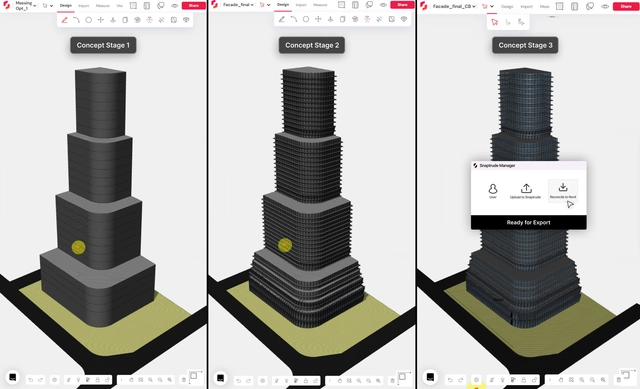
In any architectural design project, the transition from conceptual design to schematic design typically marks the evolution from broad ideas and massing studies to more detailed and refined planning. While this transition may seem straightforward, architects often find themselves facing a bottleneck that complicates the seamless flow of the creative process- particularly due to siloed tools and workflows.

During initial feasibility studies, conceptual surface modeling tools provide fertile ground for shaping spaces and manipulating forms. They allow for quick iterations and facilitate building the essence of the design. However, these models lack the inherent data understood by BIM software like Revit and ArchiCAD. As a result, eventually transitioning to such BIM tools for further detailing leads architects to face a series of technical limitations and rework.

Salone del Mobile 2024 Announces Program, Including Interventions by David Lynch

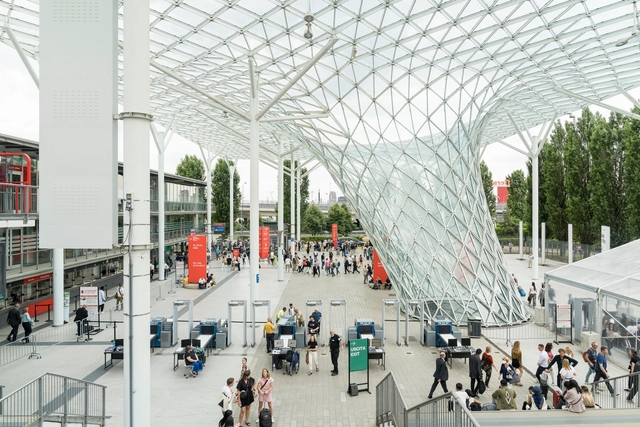
Salone del Mobile.Milano has announced the opening dates and events program, expanding the trade fair event to encompass more narratives and projects relevant to the design community. The 62nd edition will take place at Rho Fiera Ilano from April 16 to 21, 2024. It is expected to include over 1900 exhibitors from around the world, with contributions from emerging designers and several design schools under the recurring SaloneSatellite, now in its 25th-anniversary edition. The cultural program also includes immersive installations, like David Lynch’s “Thinking Rooms.”

Salone del Mobile 2024 Announces Program, Including Interventions by David Lynch  - Image 1 of 4Salone del Mobile 2024 Announces Program, Including Interventions by David Lynch  - Image 2 of 4Salone del Mobile 2024 Announces Program, Including Interventions by David Lynch  - Image 3 of 4Salone del Mobile 2024 Announces Program, Including Interventions by David Lynch  - Image 4 of 4Salone del Mobile 2024 Announces Program, Including Interventions by David Lynch  - More Images+ 3

Recently Restored Argentinian Icon La Casa sobre el Arroyo Receives 2024 World Monuments Fund/Knoll Modernism Prize

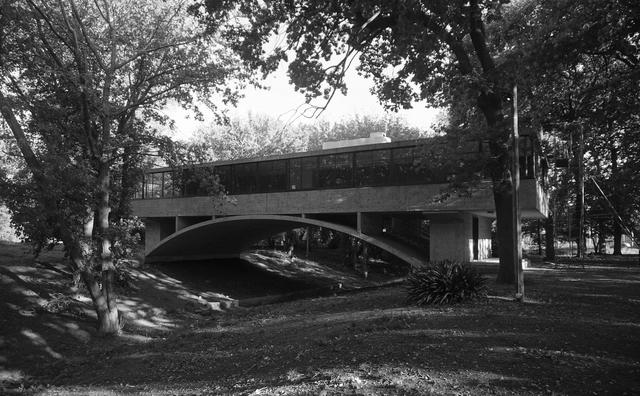
The 1940s architectural marvel Casa Sobre el Arroyo has been awarded the 2024 Worlds Monuments Fund/Knoll Modernism Prize for its outstanding restoration. Initially designed in 1943 by architects Amancio Williams and Delfina Galvez Bunge de Williams, this “house on the bridge” symbolizes Argentina’s modernist movement. The project is the first winner of the prestigious Modernism prize in the Global South, now standing as a museum for the protection of Argentina’s modern heritage.

Recently Restored Argentinian Icon La Casa sobre el Arroyo Receives 2024 World Monuments Fund/Knoll Modernism Prize - Image 1 of 4Recently Restored Argentinian Icon La Casa sobre el Arroyo Receives 2024 World Monuments Fund/Knoll Modernism Prize - Image 2 of 4Recently Restored Argentinian Icon La Casa sobre el Arroyo Receives 2024 World Monuments Fund/Knoll Modernism Prize - Image 3 of 4Recently Restored Argentinian Icon La Casa sobre el Arroyo Receives 2024 World Monuments Fund/Knoll Modernism Prize - Image 4 of 4Recently Restored Argentinian Icon La Casa sobre el Arroyo Receives 2024 World Monuments Fund/Knoll Modernism Prize - More Images+ 11

Bofedales: Natural Infrastructures and Andean Landscapes

Subscriber Access | 

In the highlands of the Central Andes, one finds the "bofedales." Known by some as 'high Andean wetlands,' bofedales are ecosystems and landscapes crucial for water regulation and storage in the Andes. Moreover, they are natural infrastructures that constitute a material and immaterial heritage to address contemporary climate crises and to sustain local Andean communities, which have nurtured them for generations.

The Future Beneath Our Feet: Soil-Cement Bricks and the Path to Sustainable Construction

Subscriber Access | 

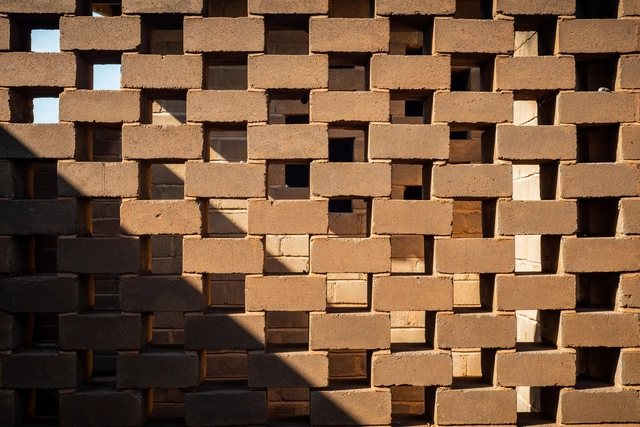
Bricks are part of the collective imagination when thinking about construction. These are elementary, ubiquitous, modular, light, and reliable materials for erecting buildings. However, traditional ceramic block manufacturing relies on burning clay in kilns at high temperatures, often powered by non-renewable fossil fuels such as coal or natural gas. Furthermore, the transportation process significantly increases its environmental footprint, as the materials are heavy and bulky. In light of this, there is a growing interest in alternative construction materials that offer a lower environmental impact and greater sustainability. Soil cement bricks –or Compressed Stabilized Earth Blocks– are a good example of an existing alternative, as they have a smaller environmental footprint due to their use of local raw materials and the elimination of the burning process, while maintaining many of the intrinsic qualities of traditional bricks.

BIG Designs Cantilevered Towers Surrounding the Freedom Plaza on Manhattan’s Waterfront

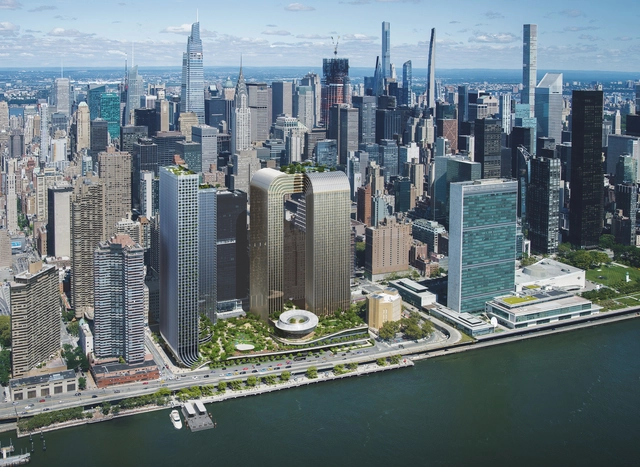
Located along Manhattan’s East River waterfront, the Freedom Plaza sets out to create a new civic and cultural hub, introducing a new open and green space in the crowded area, with plans to add an in-park Museum of Freedom and Democracy. Additionally, the scheme designed by BIG-Bjarke Ingels Group includes affordable housing units, two hotels, retail, and restaurants. Developed by Soloviev Group and Mohegan, the Freedom Plaza development reimagines one of the largest undeveloped plots in Manhattan, measuring 6.7 acres located south of the United Nations headquarters in the Midtown East neighborhood.

BIG Designs Cantilevered Towers Surrounding the Freedom Plaza on Manhattan’s Waterfront - Image 1 of 4BIG Designs Cantilevered Towers Surrounding the Freedom Plaza on Manhattan’s Waterfront - Image 2 of 4BIG Designs Cantilevered Towers Surrounding the Freedom Plaza on Manhattan’s Waterfront - Image 3 of 4BIG Designs Cantilevered Towers Surrounding the Freedom Plaza on Manhattan’s Waterfront - Image 4 of 4BIG Designs Cantilevered Towers Surrounding the Freedom Plaza on Manhattan’s Waterfront - More Images+ 5

Mirroring Desert Dunes, KPF's Terminal A at Zayed International Airport Opens in Abu Dhabi, UAE

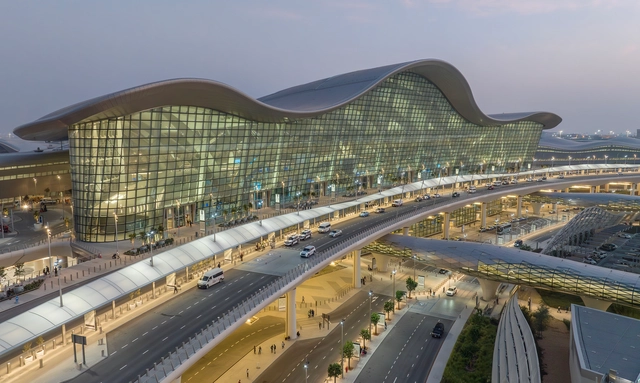
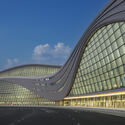
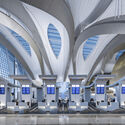
The Abu Dhabi International Airport has been officially renamed Zayed International Airport, Terminal A. Designed and executed by KPF, the revamped complex will accommodate up to 45 million passengers annually, doubling the airport’s capacity. Informed by the desert's natural landscape and Islamic culture's geometric motifs, the terminal was designed considering the Emirate’s surrounding context.

Mirroring Desert Dunes, KPF's Terminal A at Zayed International Airport Opens in Abu Dhabi, UAE - Image 1 of 4Mirroring Desert Dunes, KPF's Terminal A at Zayed International Airport Opens in Abu Dhabi, UAE - Image 2 of 4Mirroring Desert Dunes, KPF's Terminal A at Zayed International Airport Opens in Abu Dhabi, UAE - Image 3 of 4Mirroring Desert Dunes, KPF's Terminal A at Zayed International Airport Opens in Abu Dhabi, UAE - Image 4 of 4Mirroring Desert Dunes, KPF's Terminal A at Zayed International Airport Opens in Abu Dhabi, UAE - More Images+ 20

The New Life of Industrial Architecture in Cities: 20 Renovations and Conversions of Old Factories and Warehouses

Subscriber Access | 

In the same way that societies transform, times change, and cities evolve, industrial architecture modernizes and technifies, sometimes reaching a state of abandonment or ruin. Understanding its value as a built legacy and being vestiges of technological, social, and cultural changes, the renovation and/or conversion of numerous factories and industrial warehouses can lead to the revitalization, recovery, or growth of various areas in large cities, incorporating new uses and spaces for the enjoyment of their citizens.

How Can Architecture be Designed to Reflect Human Behavior?

Subscriber Access | 

Architecture is the design of spaces for human occupation. Despite architects’ skill in designing spaces to influence human behavior there often is a shortfall in anticipating and reacting to occupants’ behavior. To create environments that boost well-being, productivity, and social engagement, a symbiotic relationship between buildings and human behavior must be fostered. The intersection of architectural and anthropological studies forms an insightful framework for the design of physical spaces informed by human behavior and cultural context.

Herzog & de Meuron Reveals Design for Lusail Art Museum in Qatar

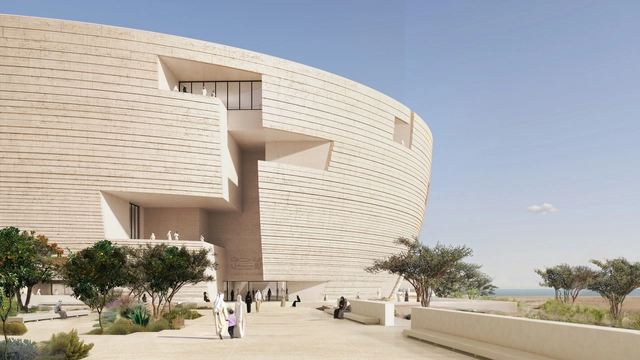
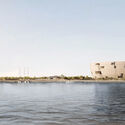
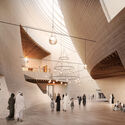
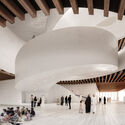
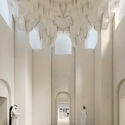
Qatar Museums has released renderings showcasing the future Lusail Museum, designed by Swiss architecture office Herzog & de Meuron. The museum will house one of the largest collections of Orientalist art, exploring the movement of people and ideas across the globe and over the centuries. The new institution also strives to provide opportunities for high-level study for scholars, academics, policymakers, and curators. Consequently, the building is conceived as “a vertically layered souk, or miniature city contained within a single building,” aiming to encourage conversations, debates, and meditation on global issues.

Herzog & de Meuron Reveals Design for Lusail Art Museum in Qatar - Image 1 of 4Herzog & de Meuron Reveals Design for Lusail Art Museum in Qatar - Image 2 of 4Herzog & de Meuron Reveals Design for Lusail Art Museum in Qatar - Image 3 of 4Herzog & de Meuron Reveals Design for Lusail Art Museum in Qatar - Image 4 of 4Herzog & de Meuron Reveals Design for Lusail Art Museum in Qatar - More Images+ 7

Revitalizing Shanghai's Waterfront: MVRDV's West Bund Dream Center Transforms Industrial Buildings into Cultural Hub

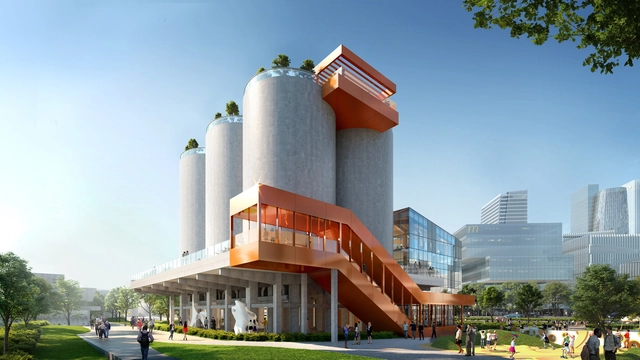
MVRDV has just introduced its comprehensive plan and architectural vision for the construction of the Gate M West Bund Dream Center in Shanghai. Formerly home to a cement plant factory, the design uses the existing structures for cultural programs and combines them with new structures to house new functions. The Dream Center aims to revitalize the riverbank area into a thriving cultural and recreational district.

Revitalizing Shanghai's Waterfront: MVRDV's West Bund Dream Center Transforms Industrial Buildings into Cultural Hub - Image 1 of 4Revitalizing Shanghai's Waterfront: MVRDV's West Bund Dream Center Transforms Industrial Buildings into Cultural Hub - Image 2 of 4Revitalizing Shanghai's Waterfront: MVRDV's West Bund Dream Center Transforms Industrial Buildings into Cultural Hub - Image 3 of 4Revitalizing Shanghai's Waterfront: MVRDV's West Bund Dream Center Transforms Industrial Buildings into Cultural Hub - Image 4 of 4Revitalizing Shanghai's Waterfront: MVRDV's West Bund Dream Center Transforms Industrial Buildings into Cultural Hub - More Images

The 4th Lagos Biennial: Exploring the Spatial and Socio-Political Implications of Refuge

Subscriber Access | 

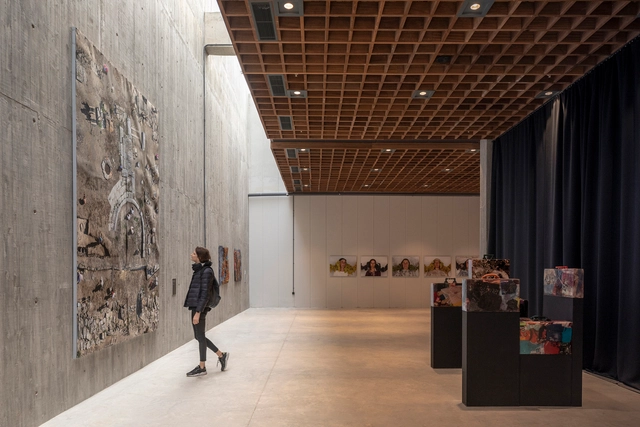
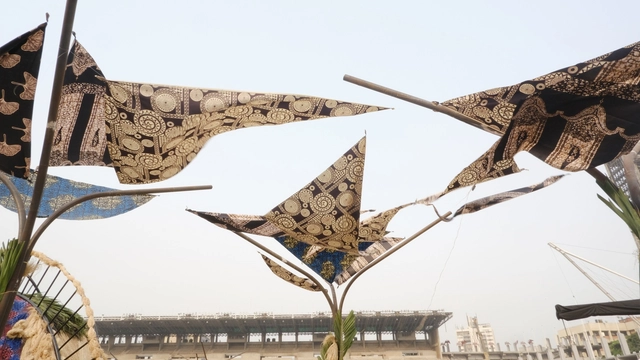
On the 3rd of February, this year's Lagos Biennial opened at the Tafawa Balewa Square, Lagos, an emblematic venue that was once the site of Nigerian independence celebrations in 1960. As the 4th edition of the art fair, it continues with its objective of using art to activate historic landmarks that have lost significance either through functional use or symbolic meaning to the residents of the former capital city.

The previous editions of the Biennial have explored various aspects of the city's architecture, its symbolic significance, political implications, sovereignty, ownership, notions of belonging, and its relationship with the public. This year, the theme of "Refuge" at the Tafawa Balewa Square takes this exploration even further. Curators Kathryn Weir and Folakunle Oshun highlight that this theme prompts the square to address the concept of a nation-state. It also brings together artists and architects from different disciplines to explore alternative approaches to constructing renewable communities and promoting climate justice.

The 4th Lagos Biennial: Exploring the Spatial and Socio-Political Implications of Refuge - Image 1 of 4The 4th Lagos Biennial: Exploring the Spatial and Socio-Political Implications of Refuge - Image 2 of 4The 4th Lagos Biennial: Exploring the Spatial and Socio-Political Implications of Refuge - Image 3 of 4The 4th Lagos Biennial: Exploring the Spatial and Socio-Political Implications of Refuge - Image 4 of 4The 4th Lagos Biennial: Exploring the Spatial and Socio-Political Implications of Refuge - More Images+ 12

Last Days to Vote for the 2024 ArchDaily Building of the Year Awards Finalists

With more than 70,000 votes, gathered up till now, ArchDaily Building of the Year Awards has shown to be, one of the most relevant and democratic in the architecture community.

You still have the opportunity to shape the outcome until February 14th at 00:01 (EST). Your vote is a powerful tool to honor the architecture that resonates with you most. Together, our collective intelligence will carefully sift through a vast array of over 4,000 projects, ultimately selecting only 75 finalists to stand in the spotlight.

The ArchDaily Building of the Year Awards is brought to you thanks to Dornbracht, renowned for leading designs for architecture, which can be found internationally in bathrooms and kitchens.


Urban Waterways Reborn: European Cities Leading the Change in River Restoration and Revitalization

Subscriber Access | 

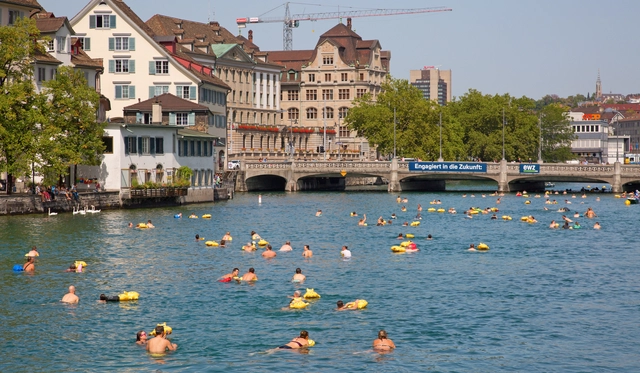
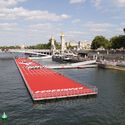
In 1988, Jacques Chirac made a never-fulfilled promise to make swimming accessible in the Seine River within 5 years. With swimming in the Seine officially banned by the French government in 1923, the river has been neglected for decades, flooded with high levels of bacteria and pollution resulting from industrialization and urbanization. With the XXXIII Olympic Games happening in Paris, Mayor Anne Hidalgo has drafted a “Swimming Plan,” aiming to finally transform the Seine River into a swimmable urban waterway. The billion-dollar effort outlines the river as a venue for this summer’s aquatic Olympic events.

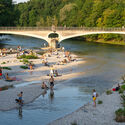
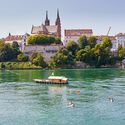
Throughout history, rivers played a crucial role in the social structures of cities. Along riverbanks, communities often congregated for socializing, swimming, and fishing. Swimming in rivers was a popular summertime activity enjoyed by people of all ages. Whether it was the Thames in London or the Seine in Paris, rivers were bustling with swimmers; integrated into urban lifestyles.

Urban Waterways Reborn: European Cities Leading the Change in River Restoration and Revitalization - Image 1 of 4Urban Waterways Reborn: European Cities Leading the Change in River Restoration and Revitalization - Image 2 of 4Urban Waterways Reborn: European Cities Leading the Change in River Restoration and Revitalization - Image 3 of 4Urban Waterways Reborn: European Cities Leading the Change in River Restoration and Revitalization - Image 4 of 4Urban Waterways Reborn: European Cities Leading the Change in River Restoration and Revitalization - More Images+ 1

Transforming Vacant Offices Into Dynamic Mixed-Use Hubs: Solutions for Unoccupied Buildings in U.S. Downtowns

Subscriber Access | 

Unoccupied office buildings in major US cities are sending their downtowns into a so-called “urban doom loop.” With the widespread adoption of hybrid work, the influx of office-goers to central business districts has drastically dwindled. As a result, retail and restaurant businesses in these areas are struggling, urban transit systems are losing ridership, and city governments are grappling with the loss of tax revenue necessary to maintain public safety and sanitation. So, how can cities bring people back into their central business districts? While discussions on transforming offices into housing have given fruition significant city and federal incentives across the United States, what solutions exist for offices that aren't viable for such conversions?

Transforming Vacant Offices Into Dynamic Mixed-Use Hubs: Solutions for Unoccupied Buildings in U.S. Downtowns - Image 1 of 4Transforming Vacant Offices Into Dynamic Mixed-Use Hubs: Solutions for Unoccupied Buildings in U.S. Downtowns - Image 2 of 4Transforming Vacant Offices Into Dynamic Mixed-Use Hubs: Solutions for Unoccupied Buildings in U.S. Downtowns - Image 3 of 4Transforming Vacant Offices Into Dynamic Mixed-Use Hubs: Solutions for Unoccupied Buildings in U.S. Downtowns - Image 4 of 4Transforming Vacant Offices Into Dynamic Mixed-Use Hubs: Solutions for Unoccupied Buildings in U.S. Downtowns - More Images+ 1

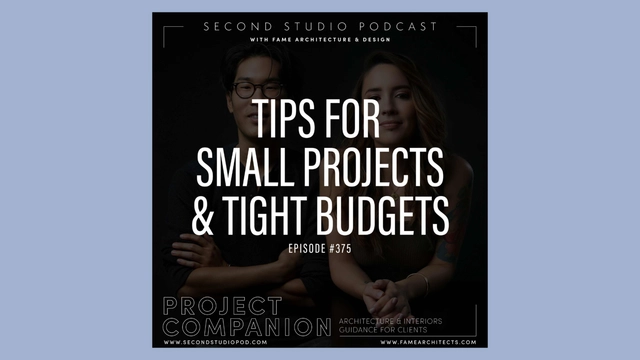
The Second Studio Podcast: The Challenges of Small Projects

Subscriber Access | 

The Second Studio (formerly The Midnight Charette) is an explicit podcast about design, architecture, and the everyday. Hosted by Architects David Lee and Marina Bourderonnet, it features different creative professionals in unscripted conversations that allow for thoughtful takes and personal discussions.

A variety of subjects are covered with honesty and humor: some episodes are interviews, while others are tips for fellow designers, reviews of buildings and other projects, or casual explorations of everyday life and design. The Second Studio is also available on iTunes, Spotify, and YouTube.

This week David and Marina of FAME Architecture & Design share advice and tips for clients with a project that is small and/or has a tight budget. The two discuss the things to look out for when hiring an architect/designer, a contractor, and engineer; material and design constraints; client involvement; workflows; and more.

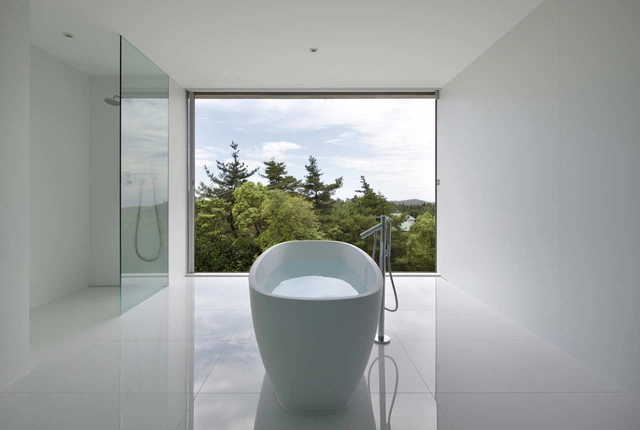
30 Open Bathrooms: Incorporating Breeze and Nature in Private Space

Subscriber Access | 

The private space is usually associated with hiding what goes on inside, allowing people to have certain moments of intimacy. Habitually, bathrooms have been designed for this purpose, reducing openings to a minimum or — sometimes — eliminating them completely.

However, being such an important space within a building, bathrooms have become an object of new exploration for architects. By blurring the limits of privacy — without losing it completely — these spaces are open to the outdoors, allowing the breeze to enter. How does this new experience feel? Check out 30 open bathrooms that play with the feeling of exhibitionism, without fully revealing what is happening inside.


30 Open Bathrooms: Incorporating Breeze and Nature in Private Space - Image 1 of 430 Open Bathrooms: Incorporating Breeze and Nature in Private Space - Image 2 of 430 Open Bathrooms: Incorporating Breeze and Nature in Private Space - Image 3 of 430 Open Bathrooms: Incorporating Breeze and Nature in Private Space - Image 4 of 430 Open Bathrooms: Incorporating Breeze and Nature in Private Space - More Images+ 32

A' Design Award Launches Call for Entries for Over 100 Design Categories

 | Sponsored Content

The A' Design Awards have been celebrating the best in international design since 2010. With a focus on recognizing all spheres of design and creative fields, it awards hundreds of submissions every year. The categories range from Architecture, Building and Structure Design to Bathroom Furniture and Sanitary Ware Design, Street Furniture Design, and many more.

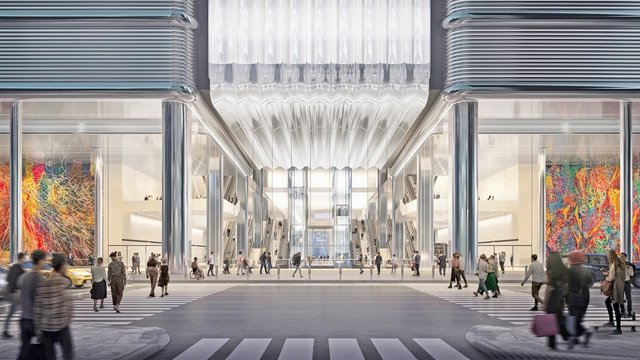
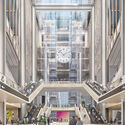
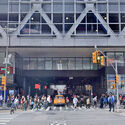
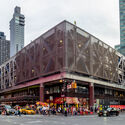
Foster + Partners Reveal Updated Designs for Manhattan’s Port Authority Bus Terminal

The Port Authority of New York and New Jersey has released a revised proposal for the Midtown Bus Terminal, designed by Foster + Partners and A. Epstein and Sons International Inc. After the first version of the redesign was released in 2022, now the authorities announced the publication of the revised project plans that take into account feedback from key stakeholders including commuters and the larger community. The $10 billion facility is designed to accommodate the projected 2040-2050 commuter growth and provide a better experience for one of the world’s busiest bus terminals.
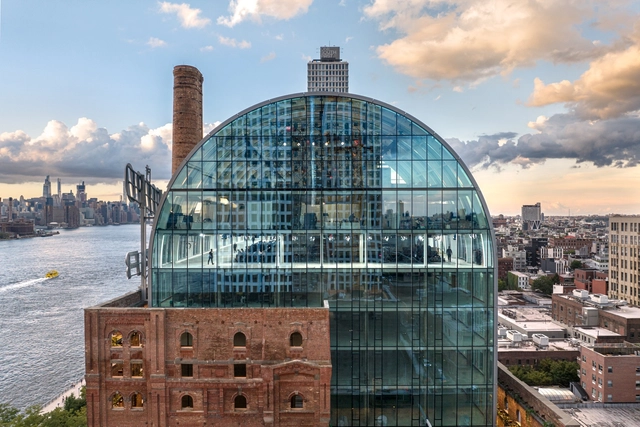
Foster + Partners Reveal Updated Designs for Manhattan’s Port Authority Bus Terminal - Image 1 of 4Foster + Partners Reveal Updated Designs for Manhattan’s Port Authority Bus Terminal - Image 2 of 4Foster + Partners Reveal Updated Designs for Manhattan’s Port Authority Bus Terminal - Image 3 of 4Foster + Partners Reveal Updated Designs for Manhattan’s Port Authority Bus Terminal - Image 4 of 4Foster + Partners Reveal Updated Designs for Manhattan’s Port Authority Bus Terminal - More Images

Iwona Buczkowska and Angela Davis Receive the Jane Drew and Ada Louise Huxtable Prizes 2023

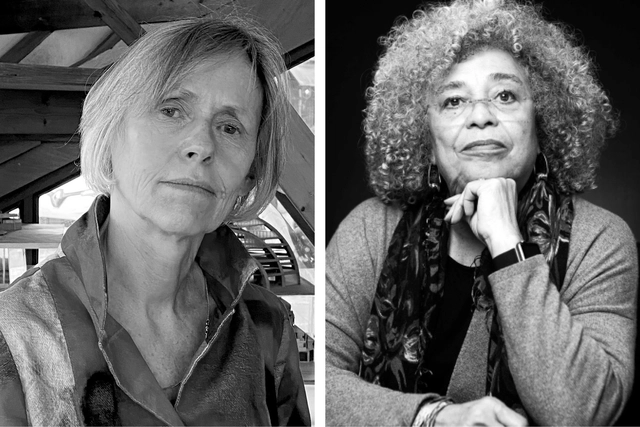
The Jane Drew Prize for Architecture 2024 and the Ada Louise Huxtable Prize for Contribution to Architecture 2024 have been awarded to Polish-French architect Iwona Buczkowska and American political activist and author Angela Davis, respectively. Honoring their work and commitment to their practices, the awards highlight their efforts to raise the profile of women in architecture. The Jane Drew Prize celebrates Buczkowska’s innovative approach to social housing and public buildings in France. Meanwhile, the Ada Louise Huxtable Prize recognizes Angela Davis’s leadership in the movement to abolish the prison system.

You've started following your first account!

Did you know?

You'll now receive updates based on what you follow! Personalize your stream and start following your favorite authors, offices and users.