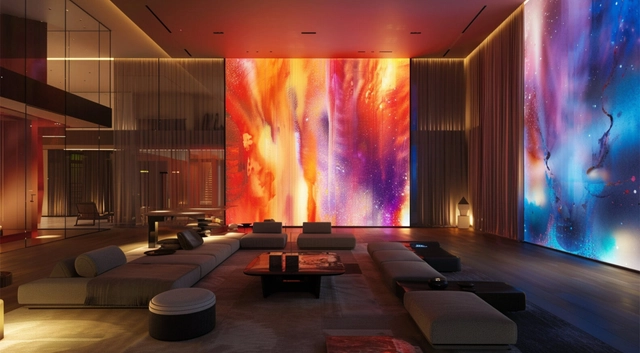
Walls have long been more than mere structural elements; they are canvases that narrate stories, reflecting desires for nature, spirituality, or the pursuit of tranquility and stimulation. With advancements in addressable LED pixels, walls have evolved into immersive digital surfaces capable of displaying any image in large format, adapting to the needs of the moment.
However, while universities continue to train architects and interior designers to create static buildings, the art of meaningful storytelling through digital screens—especially those with dynamics—remains largely unexplored in academic curricula.
Cities, like people, are dynamic and constantly evolving to keep pace with and adapt to the social, economic, and environmental changes of their time. Similarly, the vision of how the ideal city should be planned has been influenced by each era’s realities and prevailing thoughts.
Industrialization, the increasing migration of people from rural to urban areas, population growth, the development of new materials and construction technologies, the dominance of automobiles as a means of transportation, and, more recently, the search for alternative ways of occupying and moving through cities have all impacted urban planning theories throughout history. These influences have shaped the structure of modern cities—with their successes and challenges.
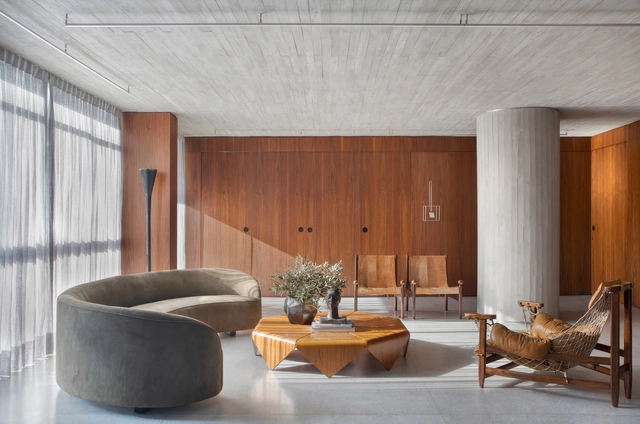
The pillar has adorned many of the greatest monumental examples of Western architecture since antiquity, from the Doric columns of the Parthenon to the Corinthian capitals of the Pantheon portico. In the West, the legacies of these classical forms have permutated over the centuries and into modern times: the Doric columns of the Lincoln Memorial, the Ionic columns of the British museum portico, and the Villa Savoye’s pilotis are just a few examples of the classical column’s continued transformation and use over the last few centuries. Today, the round pillar continues to be used in modern design, both functionally and aesthetically. Below, we look into these elements in more detail, including their materials, construction, structural qualities, and several contemporary examples of their use.
https://www.archdaily.com/948544/round-pillars-in-architecture-from-the-classical-column-to-the-modern-sculptural-supportLilly Cao
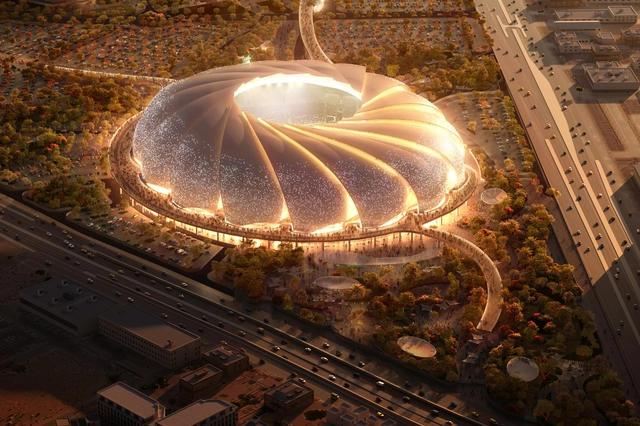
Sports-focused architecture office Populous has been confirmed as the lead designer of the Aramco Stadium, one of the main locations scheduled to host the upcoming 2027 AFC Asian Cup and the 2034 FIFA World Cup. The office has also been commissioned with the design of the surrounding master plan in Al Khobar, Saudi Arabia. The new 47,000-seat venue will be compliant with international standards for premier football competitions, aiming to establish Al Khobar as an international sporting destination.
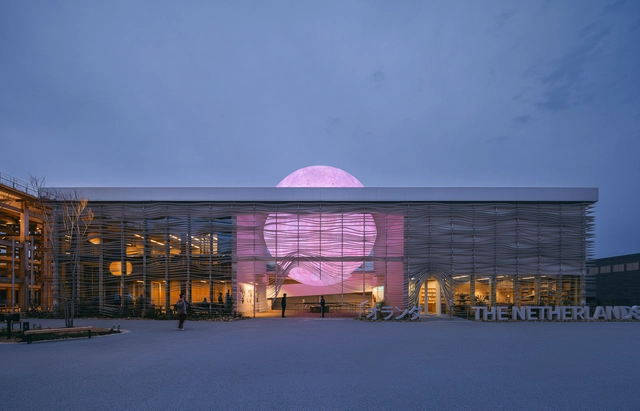
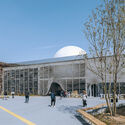
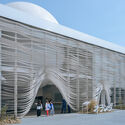
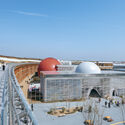
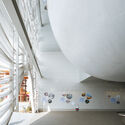
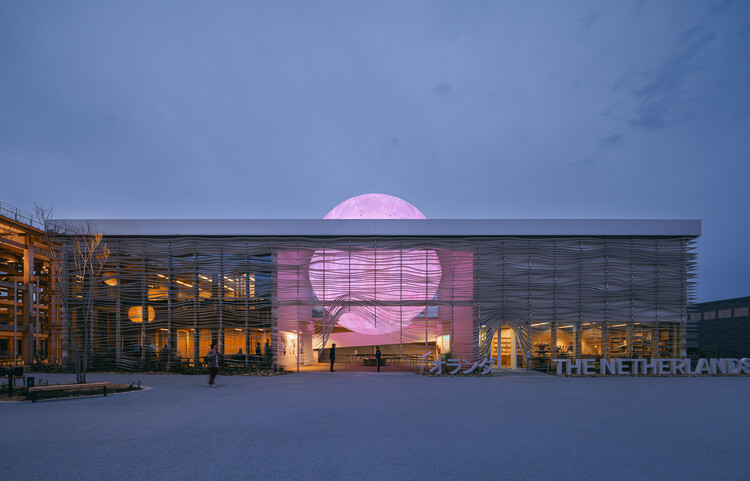
The Kingdom of the Netherlands's pavilion, presented at the Expo 2025 Osaka, Kansai, Japan, features the theme, "Common Ground: Creating a New Dawn Together," emphasizing the Netherlands' dedication to fostering mutual understanding to address global challenges. Designed by RAU Architects, the pavilion's circular design features a prominent illuminated sphere at its center, symbolizing a new era of unlimited clean energy, akin to a "man-made sun" signaling a future powered by sustainable resources.
The continuation of remote work practices has altered cities' bustling downtown areas along with the traditional office landscape, leaving behind many vacant spaces whose future purpose is a matter of speculation. Four years after the onset of hybrid working policies, office occupancy rates in urban centers remain lower than pre-pandemic levels, signaling a long-term shift in the work environment. Some developers have aimed to reposition these buildings while other are seeking alternative uses of vacant buildings in central location. While both approaches prove beneficial in their own ways, the potential for repurposing office buildings is vast and exciting. From residential living to cutting-edge research facilities, architects and developers explore diverse possibilities and challenges of transforming these underutilized structures into thriving new spaces.
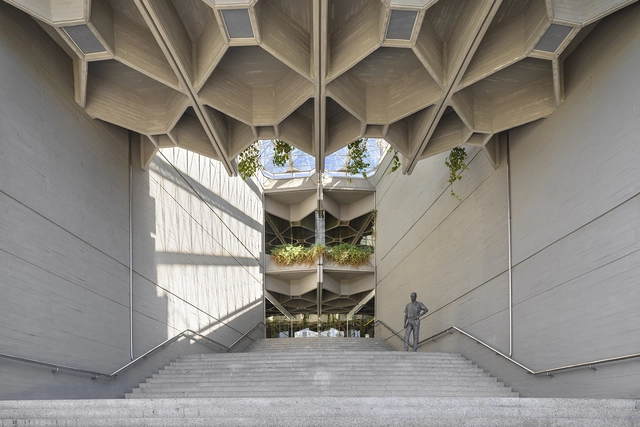
Beyond just a visual record, architectural photography is a powerful medium that holds the ability to reveal and explore architectural spaces from unique perspectives. Through the lens of a skilled photographer, architecture showcases its interplay of lights and shadows, the tectonics of its structural elements, the careful detailing of joined materials, and the larger narratives of cultural heritage. On World Photography Day 2024, we celebrate this unique art form by highlighting the work of 25 distinguished photographers who have captured architecture in its most evocative forms.
Among the featured photo series, Paul Clemence explores the minimalist precision of Swiss museums, Iwan Baan offers a visual narrative of Prague, while Simone Bossi highlights the contrast between man-made structures and their natural surroundings. Additionally, Marc Goodwin continues his series on architecture studios from around the world, providing a glimpse into the profession’s creative spaces. Erieta Attali’s work transports viewers to ancient ruins to explore historical juxtapositions and cultural landscapes.
The King Salman Charter for Architecture and Urbanism Award has just announced the winners for 2024. Recognizing outstanding achievements in architecture and urbanism in Saudi Arabia, The King Salman Charter for Architecture and Urbanism Award is an initiative designed to celebrate projects that are aligned with the values of the King Salman Charter in Saudi Arabia. This year, since projects were honored with the award from three categories: built projects, unbuilt projects, and student projects.
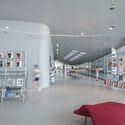
What is the vision for a 21st-century library? How can architecture professionals foster the interest of new and future generations in reading? Globally, the rapid growth of communication technologies, along with the increase in available information and the constant need to update knowledge, brings with it new educational approaches, cultural practices, and community activities that involve the creation of more dynamic spaces capable of adapting to different functions simultaneously. The connection with play, the integration of other uses, or even the incorporation of new technologies typically play a central role in the interiors of contemporary libraries designed for a young audience.
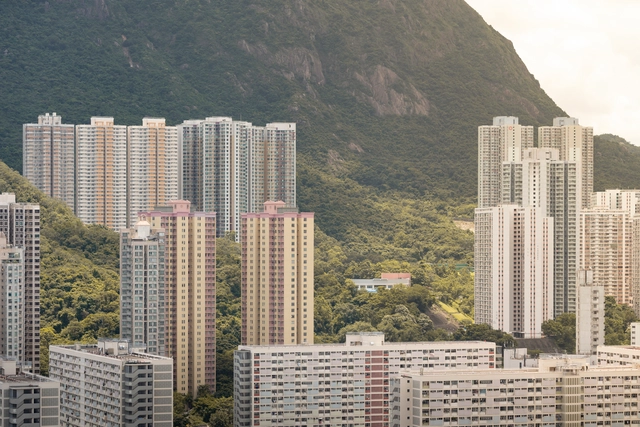
Naturally, a higher population density prevents the formation of ghost towns and vacant shops, which can become hotbeds for crime. However, these positive views on dense living environments often rest on optimistic assumptions about urbanism, such as minimal friction among individuals, easily maintained hygiene and a natural formation of diversity.
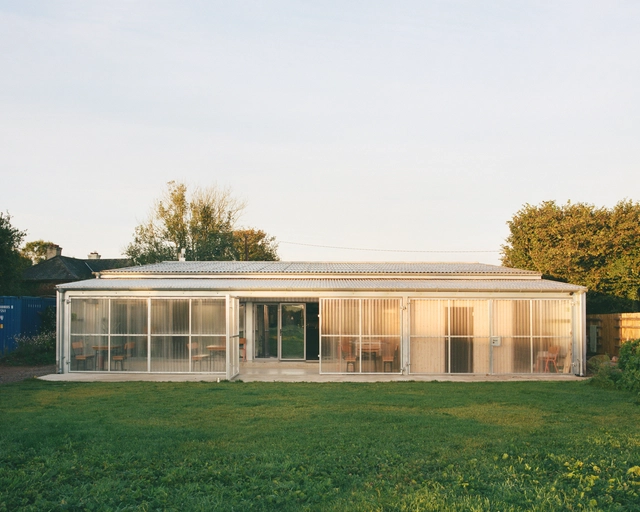
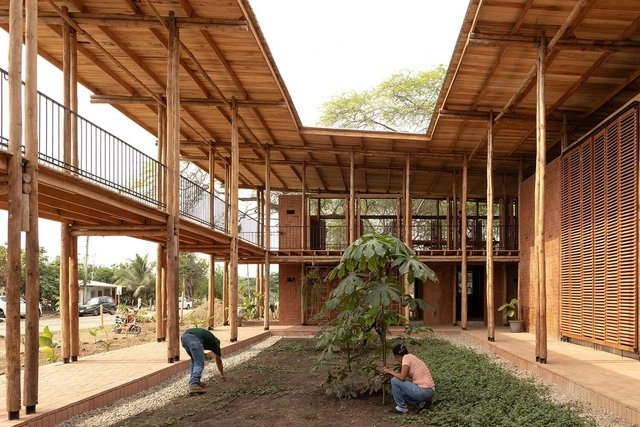
Selected by ArchDaily as one of the Best New Practices of 2024, IDK is injecting a fresh and dynamic approach to building communities with quality architecture. Mike Lim, James Pockson and Roddy Bow met while studying for their master's degree in Architecture at the Royal College of Art (RCA and founded their architecture practice, IDK in London in 2019. The three, driven by a strong mission, to help communities and progressive institutions, organizations and cultures thrive – have been researching and delivering community-oriented projects that embody experimental building with a holistic approach. Their work focuses on nurturing social development, with an emphasis on ecological awareness, local material use, smart resource and budget management, respectful refurbishments, and designing only what is necessary without "over-building."
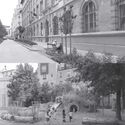
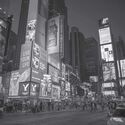
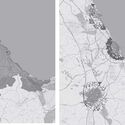
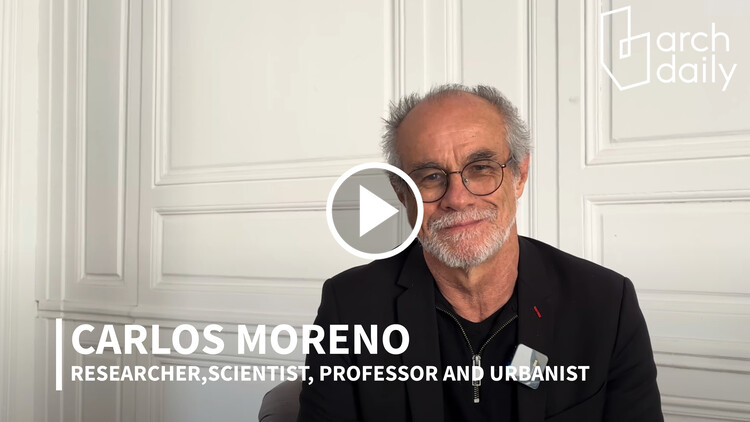
The 15-minute city has become an internationally recognized concept advocating for a people-centric urban model where residents should be able to meet most of their daily needs within a 15-minute walk or bike ride from their homes. The concept was introduced by Professor Carlos Moreno in 2015 following the COP21 conference in Paris, which concluded with the signing of the Paris Agreement. The idea proposes a practical and adaptable framework for introducing low-carbon mobility and creating a vibrant local economy to support more social interaction and more sustainable urban environments. Since then, the concept has been recognized with the 2021 Obel Award and has gained a notable recommendation in UN-Habitat's World Cities Report. Now, Professor Moreno is publishing the book titled “The 15-Minute City: A Solution to Saving Our Time and Our Planet” to showcase concrete examples and strategies for achieving better cities. ArchDaily had a chance to sit down with Professor Carlos Moreno to discuss these ideas, offering insight into Moreno’s urban thinking and the impact of this model.
The Mies Crown Hall American Prize (MCHAP), has just announced the four finalists for the 2024 prize. In the latest stage of its fifth cycle, this prize for emerging practices has been selected from a pool of over fifty nominated works designed by architects in the first decade of their training. The award recognizes the best-built works of architecture in the Americas completed between 2020 and 2023.
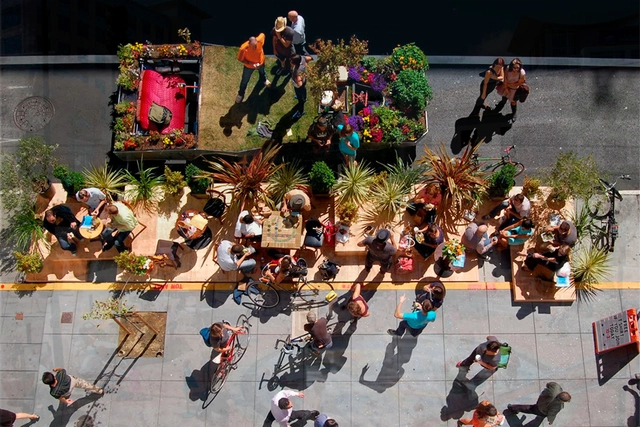
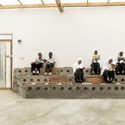
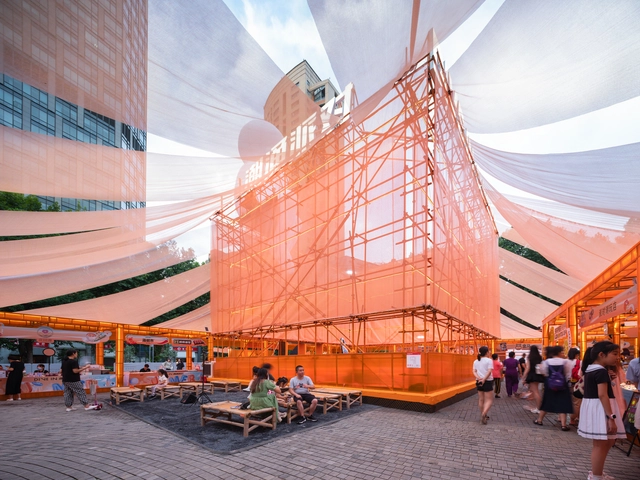
Ephemeral architectures, characterized by their temporary and flexible nature, have emerged as powerful tools for revitalizing urban spaces and fostering architectural creativity. These transient installations transform public areas, engaging communities, and prompting reflections on the potential futures of our cities. By temporarily transforming environments, ephemeral architectures encourage both architects and the public to reimagine the possibilities of urban living. This dynamic interplay, between the temporary and the permanent, challenges traditional architectural practices and opens up new avenues for sustainable and inclusive urban development.
We are thrilled to announce our upcoming September workshops in collaboration with our ArchDaily Plus partner, Parametric Architecture. These workshops have been thoughtfully curated to empower architects, designers, and enthusiasts by providing them with the latest insights and skills in the dynamic realm of parametric design. Guided by industry experts and visionaries, these immersive sessions will explore cutting-edge techniques, innovative tools, and practical applications, creating an inspiring and dynamic learning environment where participants can take their design expertise to unprecedented levels.
As a token of our appreciation, ArchDaily Plus will be entitled to exclusive benefits, including special discounts on any of the workshops offered by Parametric Architecture and one complimentary monthly workshop. Your commitment to advancing architectural innovation seamlessly aligns with the enriching experiences that these workshops promise to deliver. Stay tuned for more information on how you can fully unlock your creative potential and embark on an exciting journey of design exploration in September.
https://www.archdaily.com/1020116/parametric-architecture-september-workshopsArchDaily Team
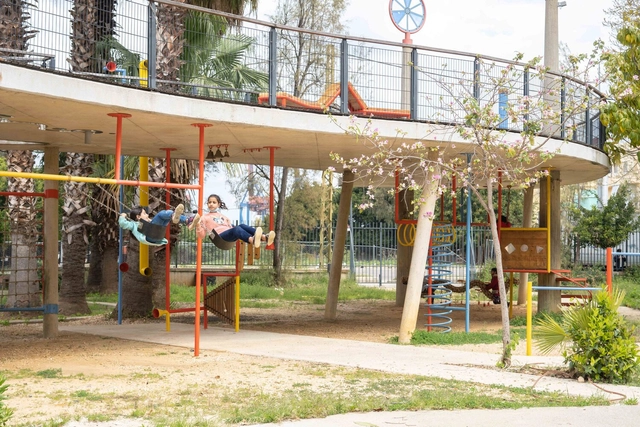
Karantina Public Park 2020-2023. Image Courtesy of CatalyticAction
Public spaces are not always shaped by planning but by the practices they host. Their existence stems from our inherent need for connection with others. As spaces of encounter, these urban, open, and accessible areas reflect how we interact with our surroundings and each other while offering places for exercise, play, socializing, and recreation.
Recognizing that public spaces are more than just physical environments, CatalyticAction is dedicated to fostering a sense of community, safety, and belonging, especially for children, who are among the most vulnerable in society. Their mission is not only to create spaces where children can play and grow but also to empower them, ensuring they have a voice in shaping their surroundings. To learn more about their work, Christele Harrouk, ArchDaily's Editor-in-Chief, spoke with Joana Dabaj, Co-founder and Director of Programmes at CatalyticAction.
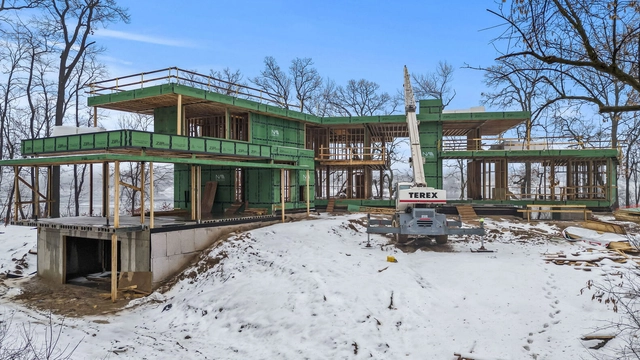
NA Structures with AZD Architects and Hemphill Builders. Orchard Lake, Michigan. Image from Way Up Media
In the construction industry, light wood-frame offsite construction has emerged as a game-changing approach, promising faster build times, higher quality, and reduced environmental impact. Member companies of the Quebec Wood Export Bureau (QWEB) have launched a digital tool that harnesses the benefits and potential of prefabricated light wood-frame products for projects.
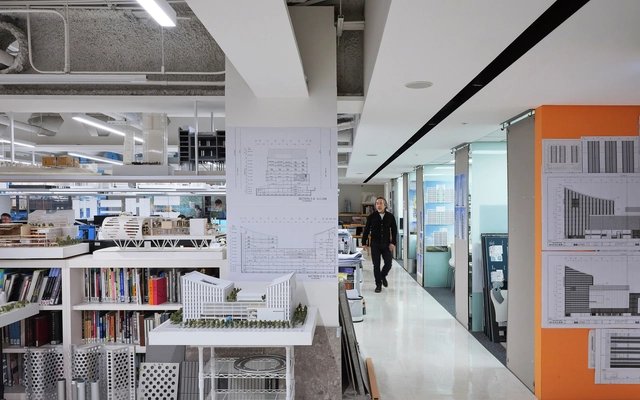
To create this collection, Marc Goodwin collaborated with Italian architect, publisher, teacher, and curator Alessandro Martinelli, who is based in Taipei. He selected the participants with the help of Mr. Chung-Hsiung Wang, the curator of the Taiwan Pavilion at the Venice Architecture Biennale 2018. The series will continue to develop with the creation of scale models for each studio, which will be exhibited alongside the photographs in the Taiwan Pavilion of the Venice Biennale.
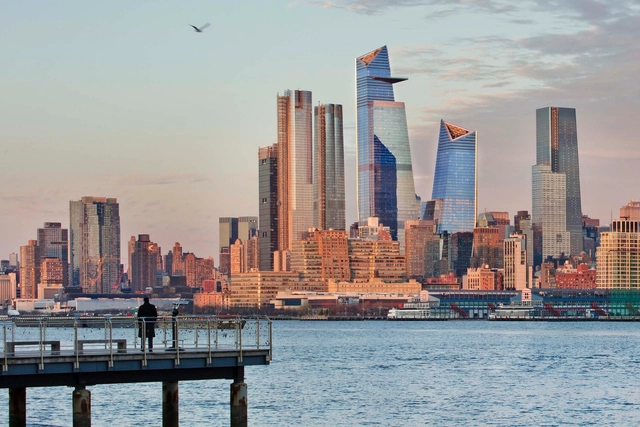
The office building typology emerged from the need to unite thousands of people within a relatively strict working environment. In major cities, these structures clustered into Central Business Districts (CBDs), which became dedicated neighborhoods accommodating commerce and businesses. However, the COVID-19 pandemic disrupted this model, leading to the rise of remote and hybrid work. Now, nearly four years later, occupancy rates in these urban centers remain lower than pre-pandemic levels, signaling a long-term shift in the work environment. To address this challenge, developers have been increasingly looking into “repositioning” their projects, seeking to redefine their image by adapting them to contemporary demands. This typology considers the surrounding urban fabric, aiming to expand the building’s use beyond its original purpose and attract people back to the CBDs.
New developments, companies, start-ups in the real estate industry are transforming perceptions and needs around home ownership and rental experiences. In a society where home ownership is attributed to personal success, innovations in the residential rental market seek to enhance the appeal of renting. Evolving consumer needs are resulting in a trend of exclusive, community-focused living models. This shift is redefining how people view their living spaces, interact with their communities, and perceive the value of their homes.
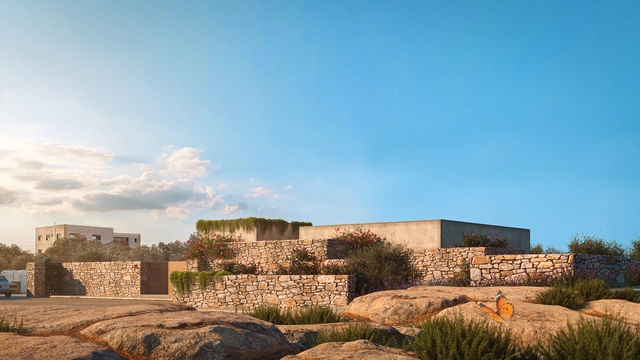
Throughout history, stone has been a vital building material because of its strength, beauty, and inherent appeal. Stone has been used to build long-lasting constructions for ages, from historic monuments to contemporary residences. Because of its resilience, it is suitable for both interior and exterior design projects, providing a diverse array of appearances. There are numerous varieties of stone, each with a distinct texture and color, including marble, granite, and limestone. Because of this diversity, stone may be creatively used by architects and builders to create accents or entire buildings. This curated selection of Unbuilt Architecture,submitted by the ArchDaily community, showcases how stone is still a dependable and adaptable building material that can combine old-world craftsmanship with contemporary style.
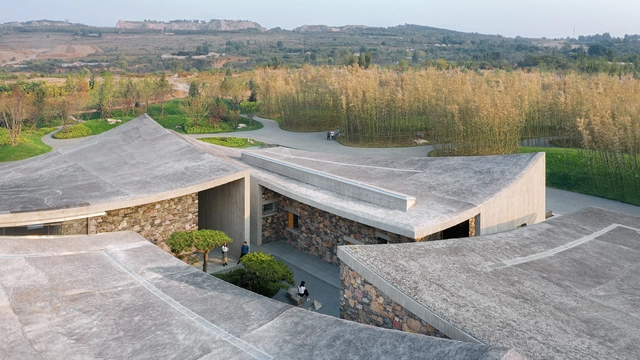
Oct Art Center, Photo by Xia Zhi. Image Courtesy of Zhu Pei Studio
“This is going to be amazing! I feel so excited,” says Zhu Pei about his now under-construction Majiayao Ruins Museum and Observatory in Lintao, Gansu province. The Beijing-based architect designed his building like a deeply embedded cavernous space evoking a giant fragment of ancient pottery, resembling an archaeological site from the Neolithic Age discovered here a century ago. The building is so unusual that it cannot be described in common architectural terms. For example, a vast cast-in-place concrete hyperbolic shell lies prone on the ground, blocking the cold wind from the northwest in winter. The architect used the sand and gravel from the local Tao River to produce a special rough concrete with horizontal scratches on the surface, symbolizing the traces of thousands of years of erosion. All of Zhu’s buildings are quite remarkable. Yet, despite their novelties, they are rooted in culture, nature, and climate. They are designed based on his architectural philosophy, Architecture of Nature, articulated in five fundamental points: incomplete integrity, sponge architecture, cave and nest, sitting posture, and structure and form.