1. ArchDaily
  2. Mathias Goertiz

Mathias Goertiz: The Latest Architecture and News

Mexico City Architecture City Guide: 38 Projects From Tenochtitlan to the 21st Century

Subscriber Access | 

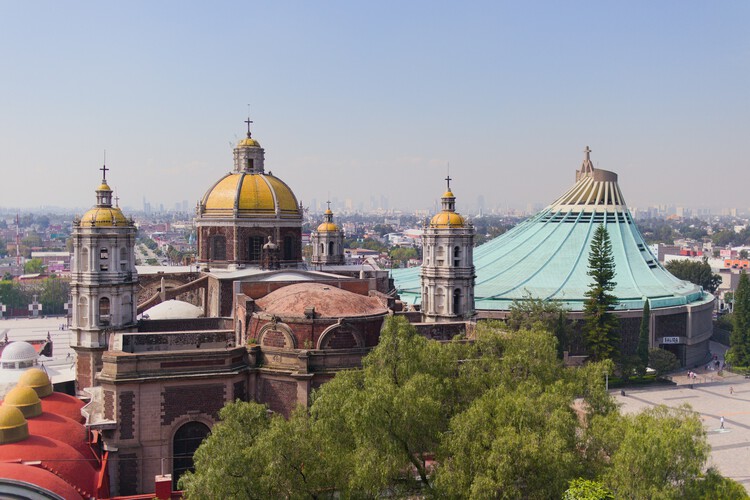
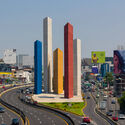
Mexico City is a sprawling metropolis of layered temporalities, where architecture operates as a continuous negotiation between deep-seated history and intense urban mutation. Built over the aquatic traces of Tenochtitlan, the city's fabric is an ongoing dialogue between eras: the monumental scale of the Pre-Hispanic Templo Mayor and the Viceroyalty architecture of the Catedral Metropolitana coexist with the modern and contemporary impulses that define its skyline. This dense juxtaposition creates a unique urban canvas where sacred geography, colonial imposition, and 20th-century ambition intersect.

The mid-century marked a definitive era of experimentation, forging a Mexican Modernism that masterfully synthesized international structural rationalism with local identity and materiality. This synthesis is epitomized by the sweeping, plastic integration of art and architecture at the Ciudad Universitaria, the structural poetry of Félix Candela's hyper-parabolic shells, and the raw, monumental brutalism of Teodoro González de León and Abraham Zabludovsky. Parallel to this, the intimate, introspective mastery of Luis Barragán and Juan O'Gorman redefined domestic space, experimenting with light, vernacular color, and tectonic honesty to create spaces of profound spatial stillness.
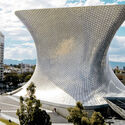
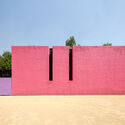
Mexico City Architecture City Guide: 38 Projects From Tenochtitlan to the 21st Century - Image 1 of 4Mexico City Architecture City Guide: 38 Projects From Tenochtitlan to the 21st Century - Image 2 of 4Mexico City Architecture City Guide: 38 Projects From Tenochtitlan to the 21st Century - Image 3 of 4Mexico City Architecture City Guide: 38 Projects From Tenochtitlan to the 21st Century - Image 4 of 4Mexico City Architecture City Guide: 38 Projects From Tenochtitlan to the 21st Century - More Images+ 53

When Art Came First: Spatial Experiments That Shaped Architecture in Latin America

Subscriber Access | 

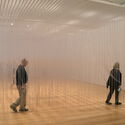
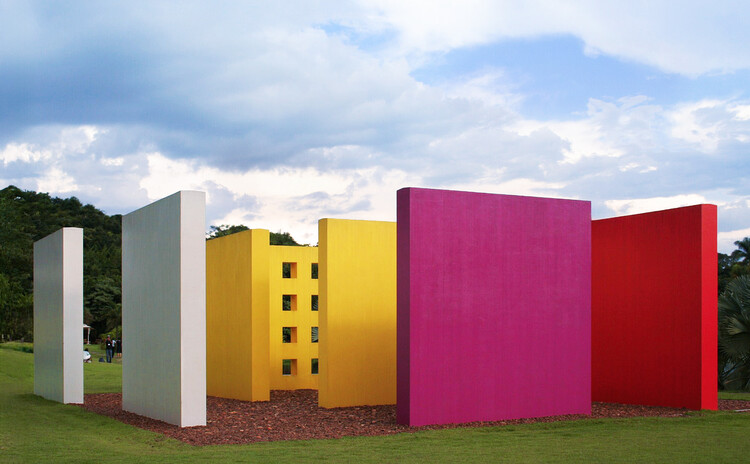
Many of the spatial ideas we now associate with contemporary architecture, collective use, and bodily experience did not originate in buildings alone. In Latin America, these ideas were often explored first through art, at a moment when artists were actively questioning how space could be occupied, shared, and experienced beyond traditional forms.

During the mid-20th century, the region underwent rapid urbanization and profound social change. Architecture was increasingly expected to respond to public life, collectivity, and new ways of inhabiting space. At the same time, art offered a more flexible ground for experimentation, one less constrained by function, regulation, or permanence. As a result, many spatial questions were tested through artistic practices before becoming part of architectural thinking.

When Art Came First: Spatial Experiments That Shaped Architecture in Latin America - Imagen 1 de 4When Art Came First: Spatial Experiments That Shaped Architecture in Latin America - Imagen 2 de 4When Art Came First: Spatial Experiments That Shaped Architecture in Latin America - Imagen 3 de 4When Art Came First: Spatial Experiments That Shaped Architecture in Latin America - Imagen 4 de 4When Art Came First: Spatial Experiments That Shaped Architecture in Latin America - More Images+ 11

Architecture Classics: Torres de Satélite / Luis Barragán

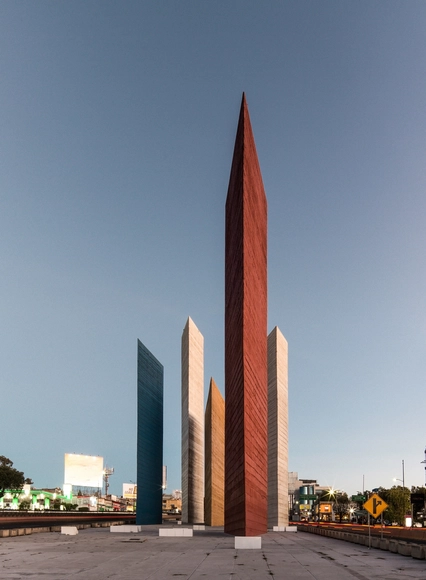
In the context of the ambitious project Satellite City in the outskirts of Mexico City, led by architect Mario Pani in the mid-20th century, Luis Barragán received from Pani the commission to make a fountain in 1958 that would serve as a distinctive motif of the entrance through the main road access to the master plan.

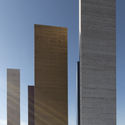
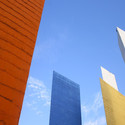
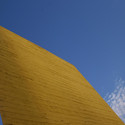
The renowned Mexican architect, together with the sculptor Mathias Goeritz, projected five concrete towers, with a triangular plan and different colors and heights, reaching up to 52 meters (170 feet). The towers are totally sculptural and the authors expected they could stand out viewed even from afar and in motion.

Architecture Classics: Torres de Satélite / Luis Barragán - Exterior Photography, Installations & StructuresArchitecture Classics: Torres de Satélite / Luis Barragán - Exterior Photography, Installations & Structures, FacadeArchitecture Classics: Torres de Satélite / Luis Barragán - Installations & StructuresArchitecture Classics: Torres de Satélite / Luis Barragán - Installations & StructuresArchitecture Classics: Torres de Satélite / Luis Barragán - More Images+ 1