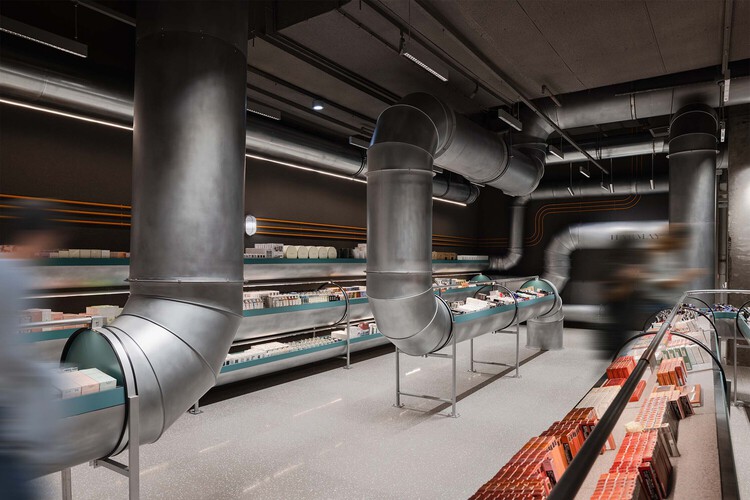
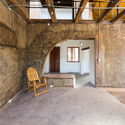
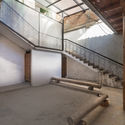
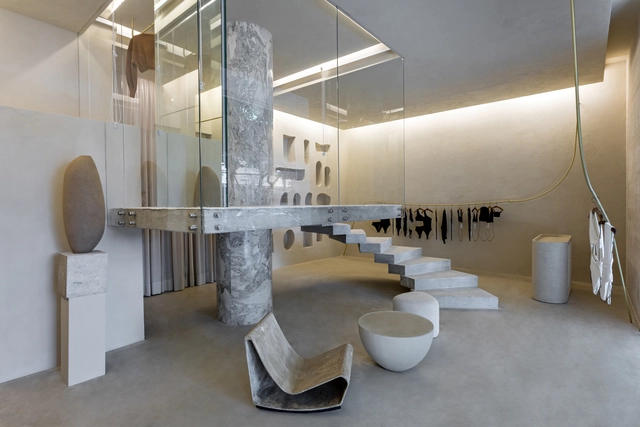
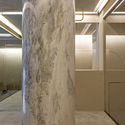
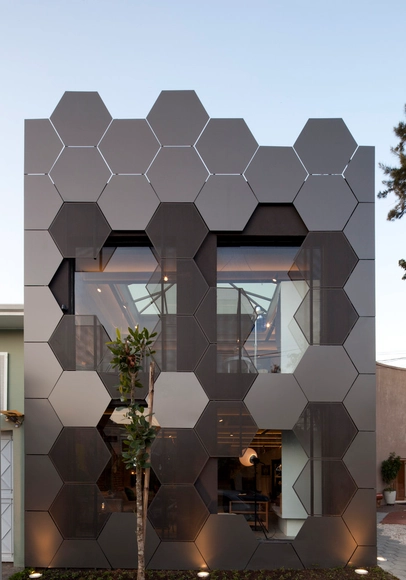
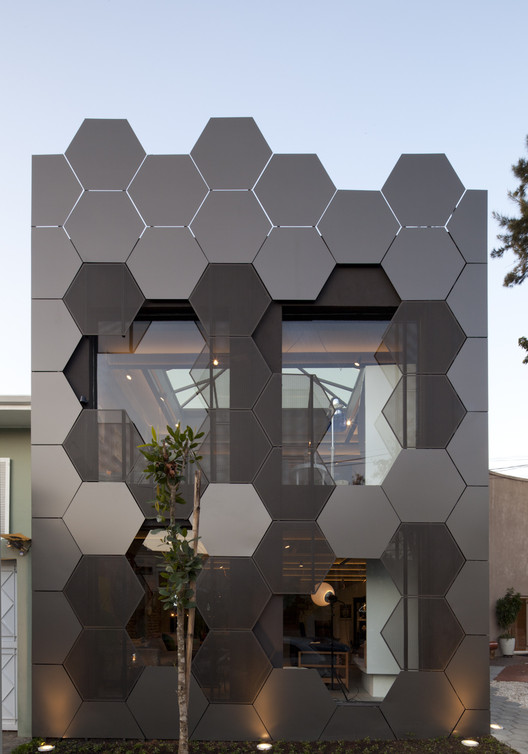
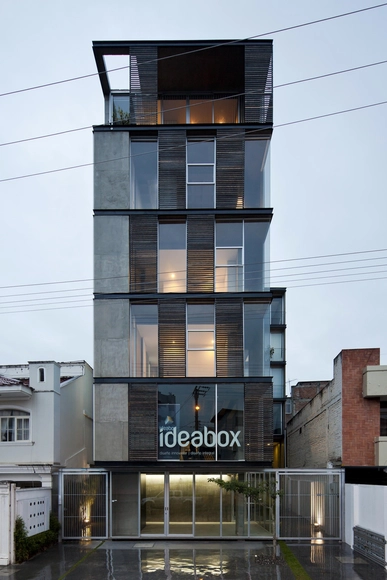
How did a material conceived for bridges, factories, and large structures find its way to the living room bench, the apartment bookshelf, or the coffee table? Metal has crossed centuries associated with labor, machinery, and monumentality—from the exposed structures of the 19th-century World Expos to the production logic of modern industry. Its presence in the domestic interior is not a given, but rather a cultural achievement: the transformation of an industrial material into an element of everyday, intimate use, close to the body.