The Ecological Intelligence of Sacred Landscapes

9:57

Subscriber Access

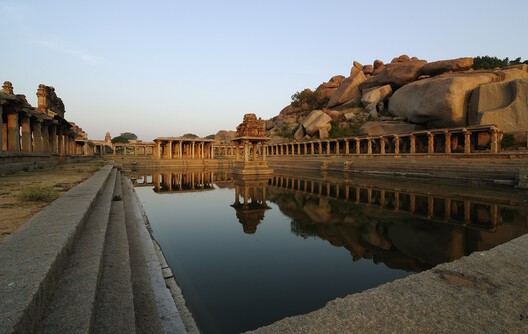
Architecture often speaks about ecological design as though it were a recent discovery. Biodiversity corridors, regenerative landscapes, sponge cities, and more-than-human urbanism are presented as emerging responses to contemporary environmental crises. Across India and the SWANA region, landscapes shaped through religious practice have long organized relationships between people, water, vegetation, and animals. Long before ecological performance became a design metric, temple tanks stored monsoon water, sacred groves protected biodiversity, and oasis settlements sustained life in some of the world's most arid environments. Few of these places emerged from explicit environmental agendas. They emerged through cultural and spiritual practices. Their environmental logic remains highly relevant today. Many of the conditions now discussed through more-than-human design have existed for centuries within landscapes architects rarely study as ecological infrastructure.
The Ecological Intelligence of Sacred Landscapes - Image 2 of 12The Ecological Intelligence of Sacred Landscapes - Image 3 of 12The Ecological Intelligence of Sacred Landscapes - Image 4 of 12The Ecological Intelligence of Sacred Landscapes - Image 5 of 12The Ecological Intelligence of Sacred Landscapes - More Images+ 7

Content Loader

Image gallery

See allShow less
About this author
Cite: Ananya Nayak. "The Ecological Intelligence of Sacred Landscapes" 28 Jun 2026. ArchDaily. Accessed . <https://www.archdaily.com/en/1042553/the-ecological-intelligence-of-sacred-landscapes> ISSN 0719-8884
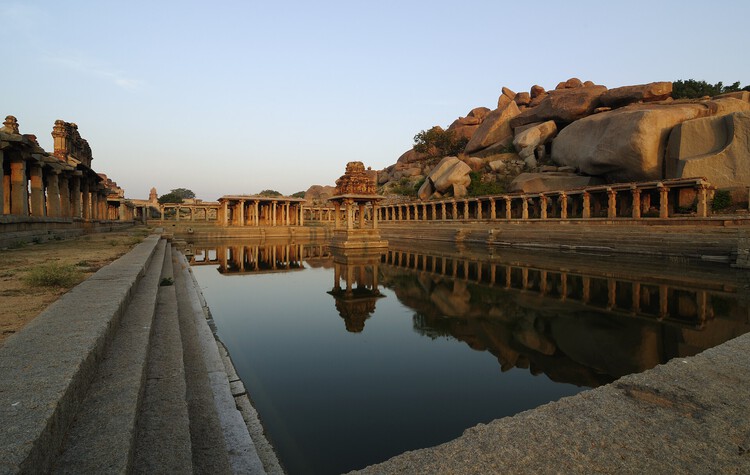
The sacred pushkarani, or tank, located on the eastern side of Krishna temple in Hampi, India. Image © Dey.sandip. License Creative Commons Attribution-Share Alike 4.0 International.

神圣景观的生态智慧

You've started following your first account!

Did you know?

You'll now receive updates based on what you follow! Personalize your stream and start following your favorite authors, offices and users.