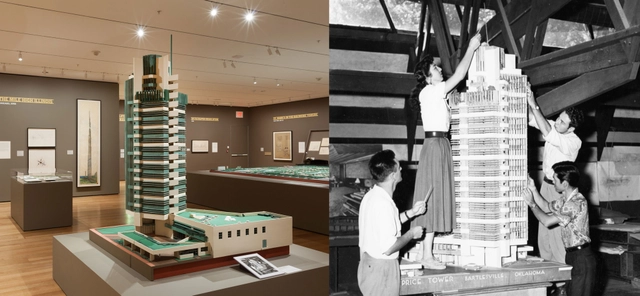
NOW ON VIEW


NOW ON VIEW

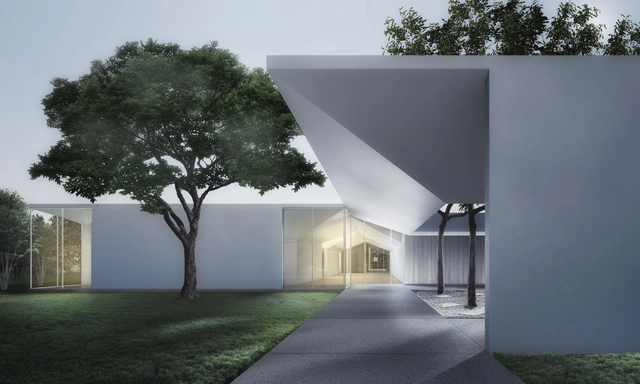
As we reported last week, The Menil Collection has unveiled details on the Menil Drawing Institute (MDI), designed by Los Angeles-based Johnston Marklee, in Houston, Texas. The building will be the first freestanding facility in the United States created especially for the exhibition, study, storage, and conservation of modern and contemporary drawings.
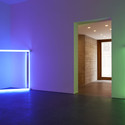
Situated in an extensive 30-acre masterplan designed by David Chipperfield Architects, the institute will be located amongst Renzo Piano's main museum building, Piano's Cy Twombly Gallery, the Dan Flavin Installation at Richmond Hall, and the Rothko Chapel. More info on the design, and all the renderings, after the break.
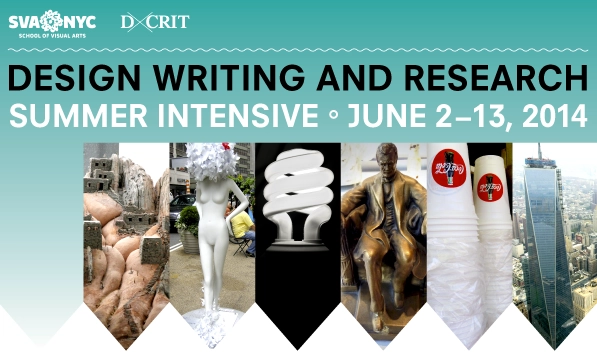
The School of Visual Arts MFA Design Criticism invites you to join them for a two-week intensive to research and write about design. Participants will be introduced to a range of techniques for constructing compelling narratives about images, objects,and spaces. You will experiment with different research methods, writing formats, and complete several projects across media, including a collaboratively produced publication.


What unites contemporary design? What is the through line that connects designers between continents and across decades? This spring, The MA program in Design Studies at Parsons The New School for Design presents a two-day symposium that will bring together a rare interdisciplinary group of professionals and academics to explore narratives surrounding the field of design, and attempt to answer these questions. The conference, Narratives and Design Studies: A Task of Translation, will be held March 7 – 8.
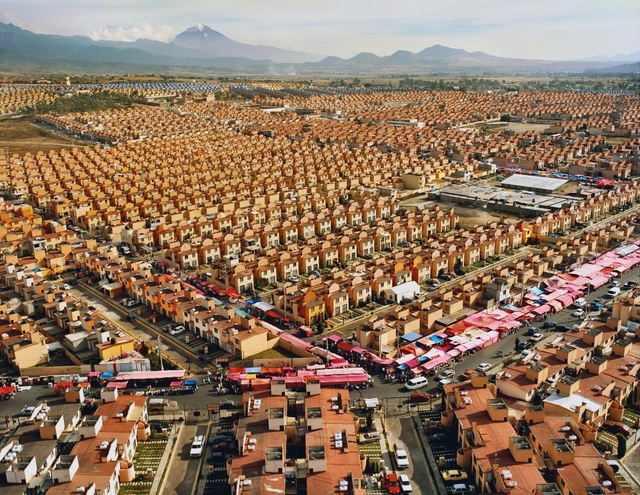
Beyond the Supersquare brings together a select group of contemporary artists whose insightful work addresses the remnants of the Modern Movement in Latin America and the Caribbean. While the exhibition will address how Modernism defined a number of decisive aspects related to contemporary architecture, urbanism, and art in Latin America, this exhibition will also examine the larger political and social underpinnings of these cultural and environmental developments.
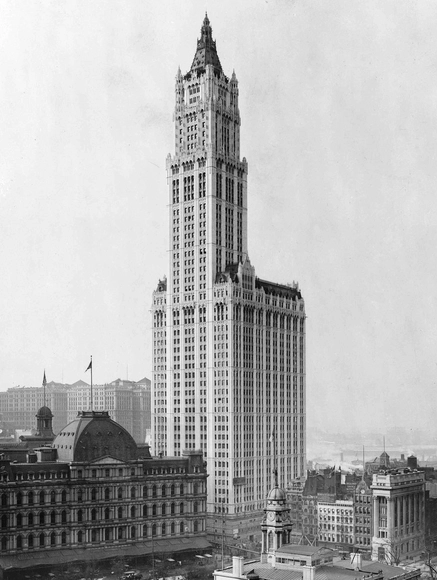
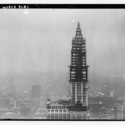
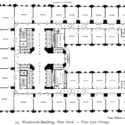
The Woolworth Building, an innovative and elegant early skyscraper completed in 1913, endures today as an iconic form on the New York City skyline. A historicist exterior sheaths a modern steel tower, embodying both the era’s modern spirit of progress and its hesitation to fully break from the past. Cass Gilbert, selected as the architect, believed the designer should “weave into the pattern of our own civilization the beauty that is our inheritance.”[1] An ornate monument to the growing economic dominance of New York City, the building was dubbed the “Cathedral of Commerce.”
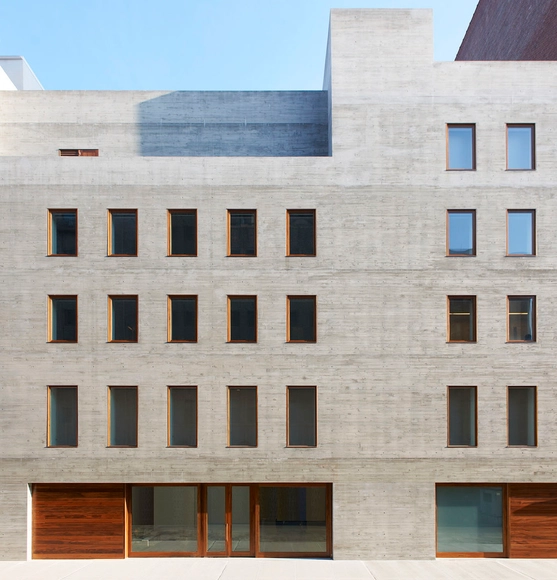

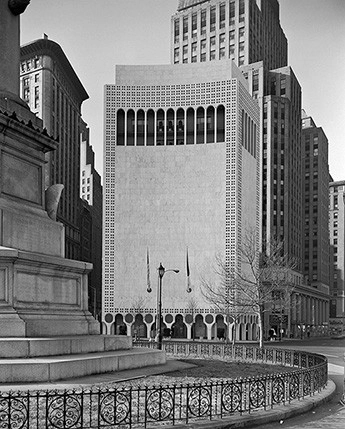
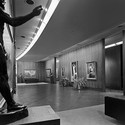
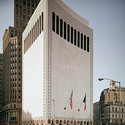
Located on a small and irregular shaped island at Columbus Circle, one of the busiest intersections in Manhattan, lies 2 Columbus Circle, formerly known as the Gallery of Modern Art. Famously described as a “die-cut Venetian palazzo on lollipops” by Ada Louise Huxtable, the New York Times architecture critic at the time, the 10-story poured concrete structure has been a source of consistent controversy and public response since the 1960s. Designed by Edward Durell Stone, an early proponent of American modern architecture, 2 Columbus Circle represents a turning point in his career. Uncharacteristic of Stone’s prior work, his use of ornament on an otherwise modern structure can be seen as an important precedent of the development of the soon-to-emerge Postmodern movement.

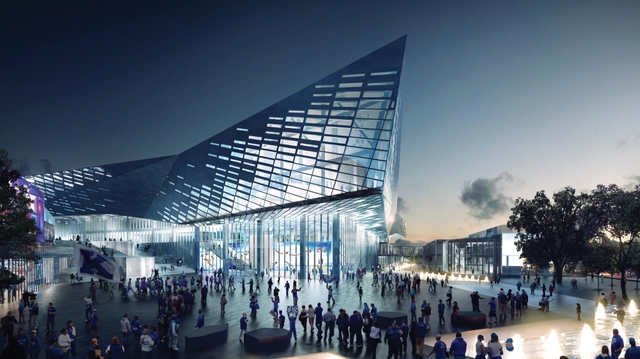
NBBJ, together with EOP Architects, has unveiled a massive renovation plan for Lexington’s famous collegiate basketball arena, Rupp Arena. An attempt to upgrade the 38-year-old arena’s facilities and strengthen its connection to the surrounding urban realm, the 23,500-seat stadium will be separated from the adjoining convention center, which is also undergoing renovation, while its enclosed facade is re-clad in glass and site sculpts a vibrant new public square within the heart of the city.









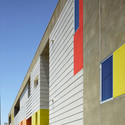
.jpg?1392090268 "Blue and yellow accents. Image © Aaron Sylvan")