Architect and MIT Lecturer Cristina Parreño has created this new prototype for a self-supporting glass facade, entitled "The Wall." The design is the first in Parreño's "Tectonics of Transparency," a series of planned prototypes that will "explore the relationship between formal design, spatial perception, structural efficiency and systems of fabrication."
More details about Parreño's prototype after the break
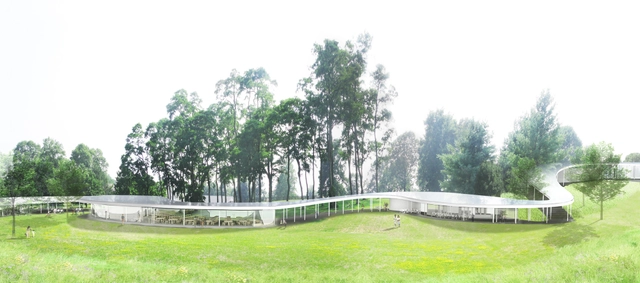
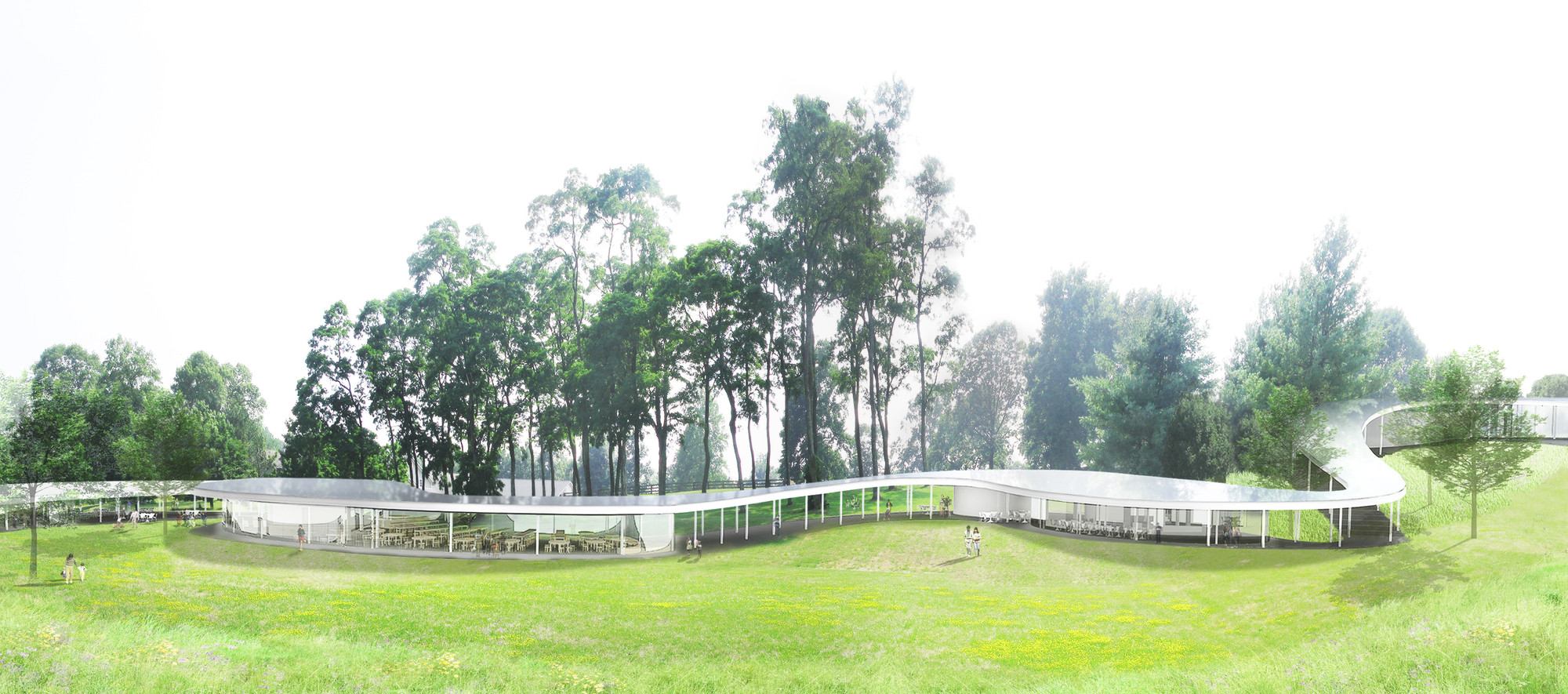
Exterior view of The River. Image Courtesy of Grace Farms and SANAA
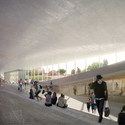
“The River,” SANAA’s first US commission since winning the 2010 Pritzker Prize, is currently underway in Connecticut. Designed by the Japanese practice in collaboration with OLIN, the meandering and almost transparent building will be built on a 75-acre preserve as a multi-use platform for events and initiatives put on by the community of New Canaan and non-profit Grace Farms Foundation.
“We are thrilled that Grace Farms will begin welcoming the public in autumn 2015,” Sharon Prince, president of the Grace Farms Foundation stated.
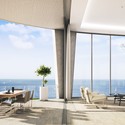
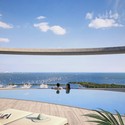
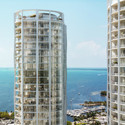
OMA is set to realize their first commercial residential project in the US: Park Grove. Planned to rise alongside the Biscayne Bay in Miami’s Coconut Grove, in close proximity to BIG’s “Grove” residences at Grand Bay, the three-tower luxury residential project will be the last building allotted for the “walkable” Floridan neighborhood.
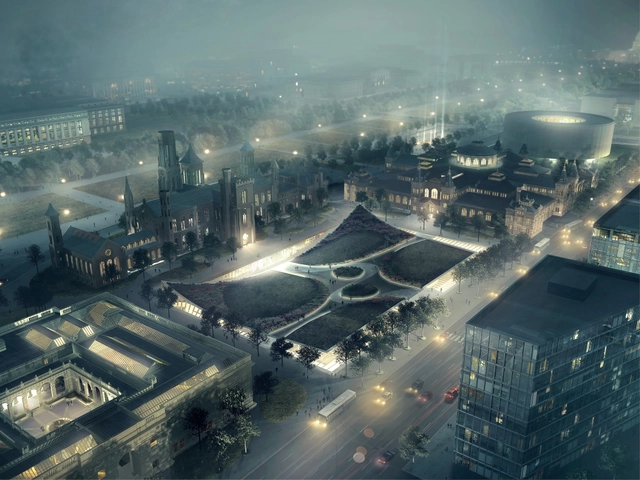
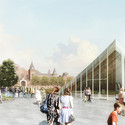
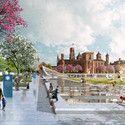
Nearly a year-and-a-half since the announcement of their selection, BIG has unveiled plans for a massive, 20-year-long overhaul for the Smithsonian’s southern campus in the center of Washington DC. With an overarching goal to unite the site by dissolving the notable impediments and discontinuous pathways that plague the area, BIG plans to also expand visitor, education and gallery spaces, while updating aging and inefficient building systems.
"Where today each museum is almost like a separate entity, in the future, it’s going to be a much more open, intuitive and inviting campus to meander around," Bjarke Ingels explained.
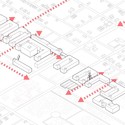
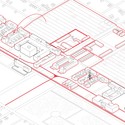
As the culmination of a 14-month initiative to examine new architectural possibilities for rapid growth in six megalopolises - Hong Kong, Istanbul, Lagos, Mumbai, New York, and Rio de Janeiro - the Museum of Modern Art is preparing to open Uneven Growth: Tactical Urbanisms for Expanding Megacities on November 22. The exhibition will present mappings of emergent modes of tactical urbanism from around the globe alongside proposals for a bottom-up approach to urban growth in the highlighted cities by six interdisciplinary teams made up of local practitioners and international architecture and urbanism experts.
Curator Pedro Gadanho, in collaboration with the Austrian Museum of Applied Arts (MAK), states:
“The exhibition features design scenarios for future developments that simultaneously raise awareness of the prevailing inequalities in specific urban areas and confront the changing roles of architects vis-à-vis ever-increasing urbanization. Each team in the exhibition was asked to consider how emergent forms of tactical urbanism can respond to alterations in the nature of public space, housing, mobility, spatial justice, environmental conditions, and other major issues in near-future urban contexts.”
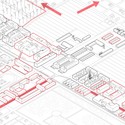
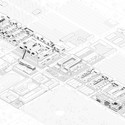
Nadau Architects, the winning team of the Reanimate the Ruins international ideas contest, have shared with us their proposal to revive Detroit's historic Packard Automotive Plant, the former factory which has become an icon of the city's post-industrial decline. By developing a proposal which frees the land from unwanted structures and knits the colossal 1 kilometer-long building back into the urban landscape, Nadau Lavergne Architects have created a design which returns both a sense of community and some economic hope back to the building.


.jpg?1417009867&format=webp&width=640&height=580)
.jpg?1417009941 "© John Horner")
.jpg?1417009867 "© John Horner")
.jpg?1417009859 "© Jane Messinger")
.jpg?1417009978 "© John Horner")
.jpg?1417009867)




































.jpg?1415911708 "Courtesy of BIG")