


-
Architects: Proj3ct
- Area: 4142 m²
- Year: 2016
-
Manufacturers: Saint-Gobain, Arconic, CIN, Sanindusa, Sosoares



.jpg?1477317674&format=webp&width=640&height=580)
Filming architecture comes to Lisbon, Portugal! This is an academic itinerant workshop about architecture representation and narratives through cinematography, and will be part of the closing activities of the 2016 Lisbon Architecture Triennale. As the final product, students will produce a short movie filmed at a Museu dos Coches, a paradigmatic building designed by Paulo Mendes da Rocha and Ricardo Bak Gordon.
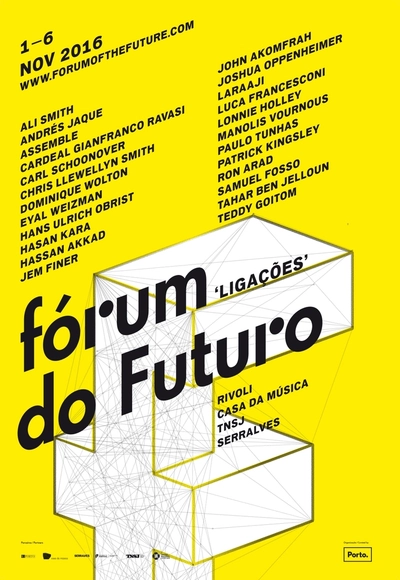
The Forum of the Future is an annual international festival dedicated to thought-provoking debates and performances, held in Porto, whose main objective is to invite guests from different disciplines to discuss key issues facing contemporary societies. Founded and organised by Porto Municipal Council since 2014, the Forum of the Future’s strategic partners are the Serralves Foundation, Casa da Música, the São João National Theatre and the University of Porto.
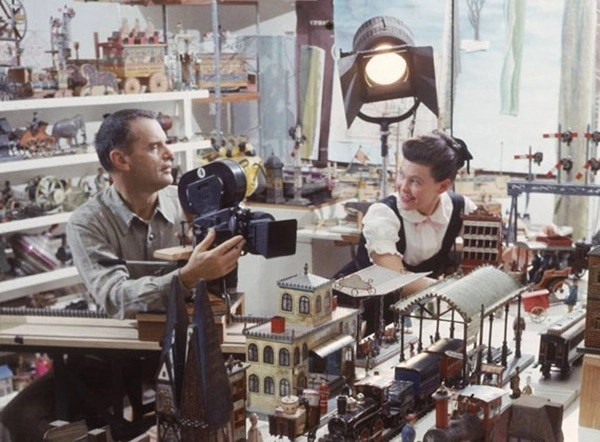
Charles and Ray Eames are among the most influential designers of the 20th Century. Enthusiastic and tireless experimenters, this husband and wife duo moved fluidly between the fields of photography, film, architecture, exhibition-making, and furniture and product design. The Eames Office was a hub of activity where they and their collaborators produced a wide array of pioneering designs, communicating their ideas with a boundless creativity that defined their careers. They embraced the joy of trial and error and approached design as a way of life.


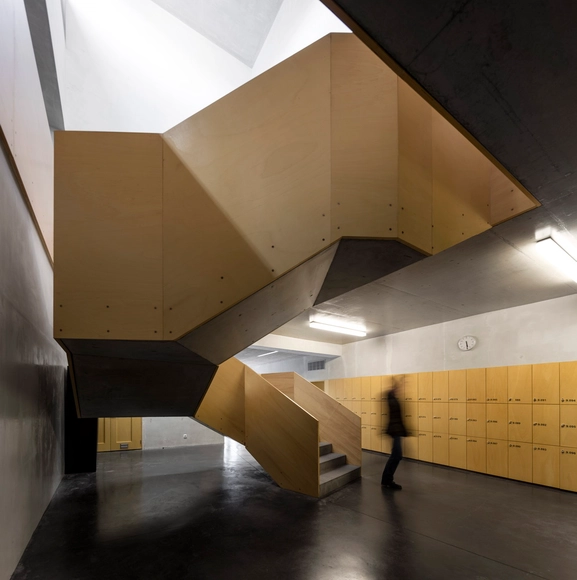
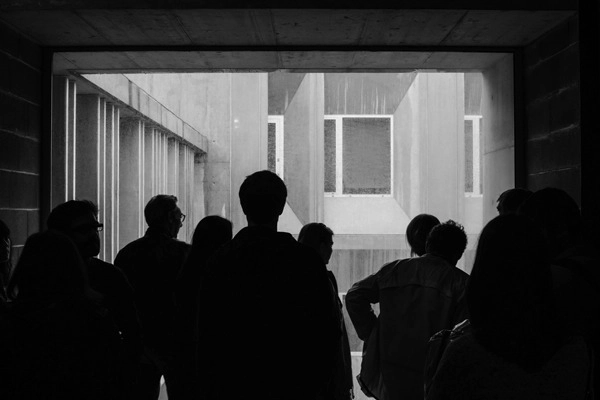
We’re only a few days away from the opening of the 2016 Lisbon Architecture Triennale, The Form of Form. Join us for an extended programme of activities designed for students that celebrate architecture.

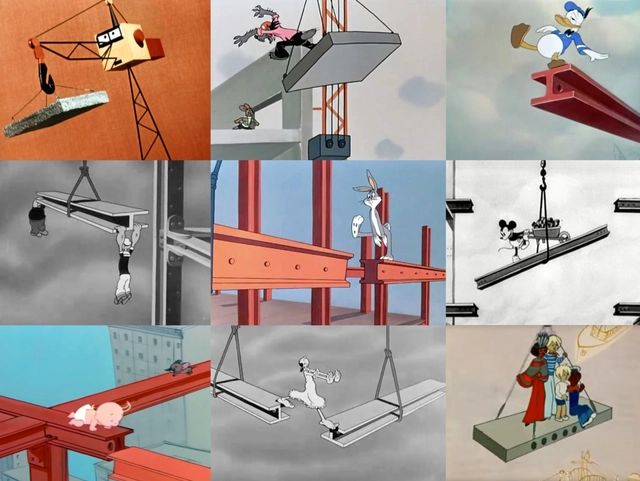
Choreographies, an installation at the 4th Lisbon Architecture Triennale by Pedro Alonso and Hugo Palmarola, presents the construction of building sites as cultural and political archetypes. By critically contesting comic films and animated cartoons released in the United States and the Soviet Union between 1921 and 1980, it presents construction sites as places in which ideology and imagination were combined through the choreographic movements of hanging steel-beams in the US, and flying concrete-panels in the USSR. These building components symbolize the construction of the modern world, the technological optimism of industrialization, the relevance of the building process over the completed building, and the standing of workers—welders, riveters and crane operators—against the vanishing figure of the architect.