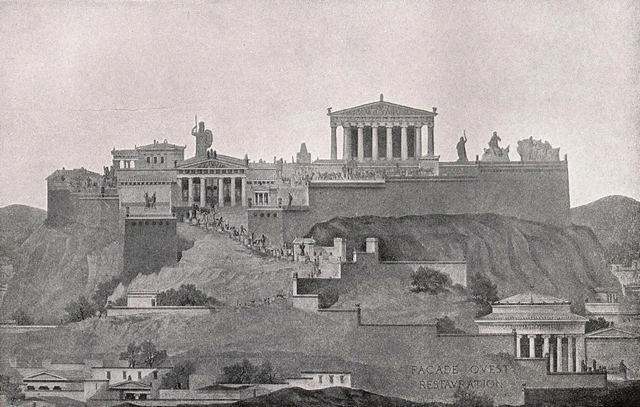
An elevation of the entire Acropolis as seen from the west; while the Parthenon dominates the scene, it is nonetheless only part of a greater composition. ImageCourtesy of Wikimedia user Quibik (Public Domain)
The Parthenon, perhaps the most celebrated example of Classical Greek architecture, was only the first of a series of remarkable buildings to be constructed atop the Athenian Acropolis in the wake of the Persian Wars. Led by the renowned statesman Pericles, the city-state embarked on an ambitious rebuilding program which replaced all that had been razed by the Persians. The new complex, while dedicated to the gods and the legends that surrounded the Acropolis, were as much a declaration of Athens’ glory as they were places of worship – monuments to a people who had risen from the ashes of a war to become the most powerful and prosperous state in the ancient world.
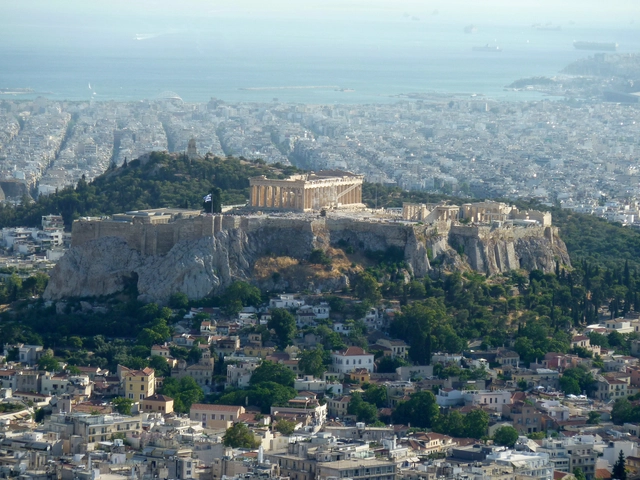
The Acropolis, the plateau on which the Parthenon stands, served as a fortified citadel in Athens’ Mycenaean past. ImageCourtesy of Flickr user Konstantinos Dafalias (licensed under CC BY 2.0)
It is unsurprising that Athens, the city widely considered to be the cradle of Western civilization, would have made as celebrated a contribution to architecture as it has to countless other human pursuits. Built on a hilltop above the contemporary city, the weathered marble complex known as the Acropolis stands as a faded remnant from the former city-state’s ancient glory years, surrounded by the products of the centuries that followed. The greatest of these landmarks, the Parthenon, captures an age long past when Athens was the wealthiest and most powerful city-state in Greece and beyond.
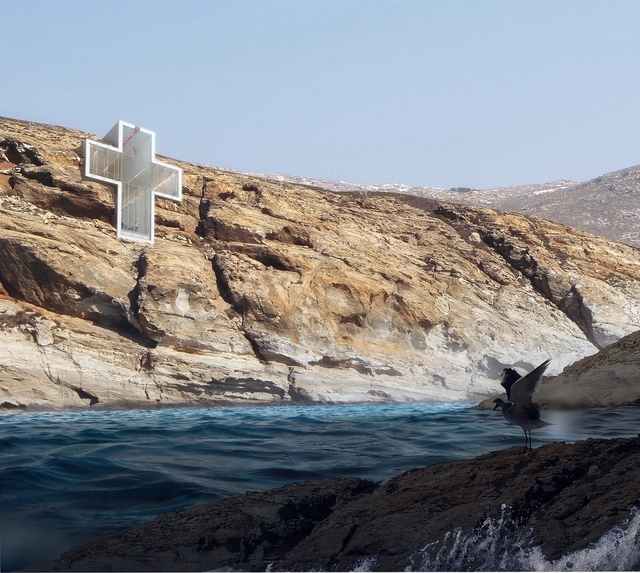
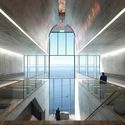
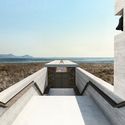
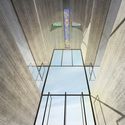
Open Platform for Architecture (OPA) has released designs for the latest in their series of cliffside buildings: Lux Aeterna / Holy Cross Chapel. Similar to their previous project, Casa Brutale, the chapel employs a style referred to by OPA as “Transcendental Brutalism,” and has been embedded into the side of a cliff. The front profile of the building takes the shape of a cross, to be a seen as a spiritual beacon as it is approached from the water.
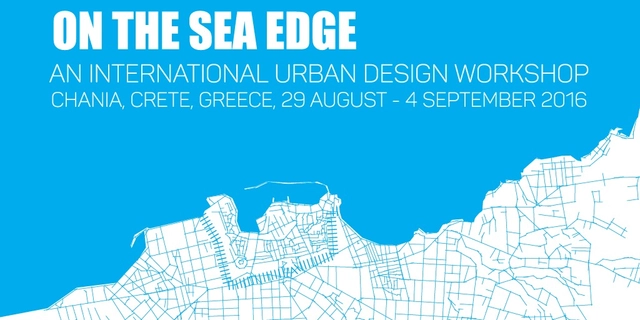
The workshop is organized by SADAS-PEA (Greek Architects Association) in order to promote the principle of environmentally friendly architecture. It is addressed to young architects and students of architecture. It will take place at the Stamos Stournas guesthouse near the city of Volos, Greece between September 17th and September 25th 2016. The language of the workshop is English. More information: http://www.sadas-pea.gr/international-workshop-2016/
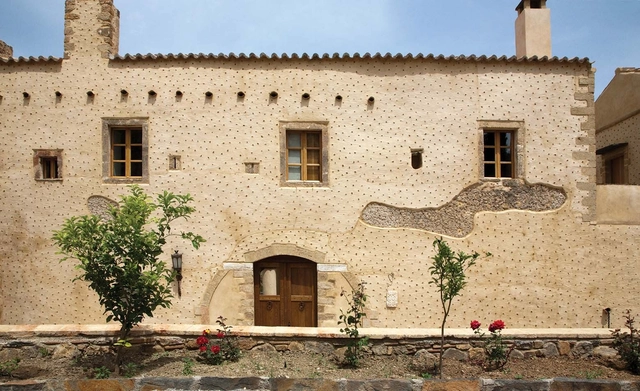
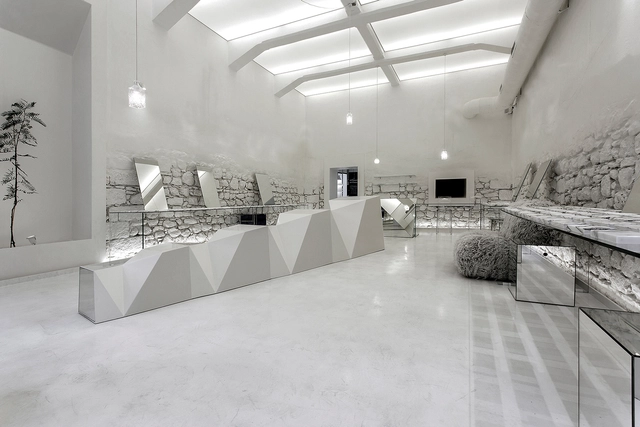
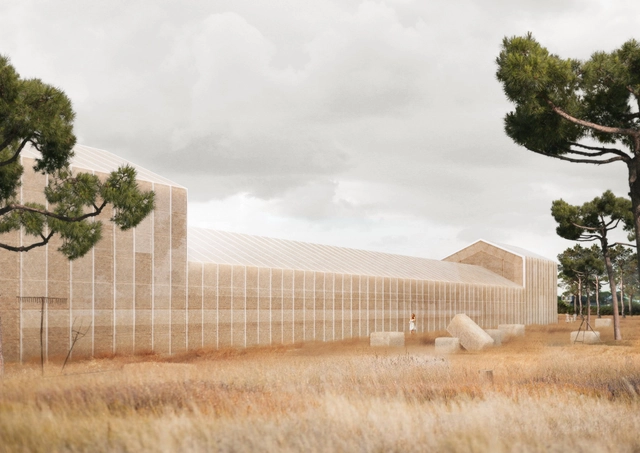
A proposal from George Batzios Architects for the Konaki Averof Cultural Center in Greece uses a cutting edge, sustainable approach to revive a deeply historical site. The design intertwines elements of architecture and agriculture to refit an existing structure with reference to the Thessalian plains on which it lies. The new architecture recreates the existing envelopes with straw cladding, regenerating the "golden environment" which defined the place in the late 19th century.




























.jpg?1455509204 "© Demi Karatzaferi")
.jpg?1455509135 "© Demi Karatzaferi")
.jpg?1455508983 "© Demi Karatzaferi")
.jpg?1455509111 "© Demi Karatzaferi")