
-
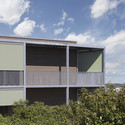
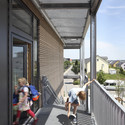
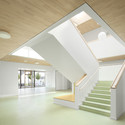
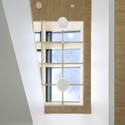
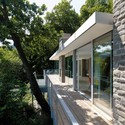
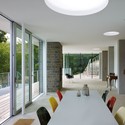
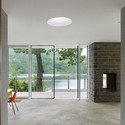
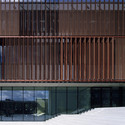
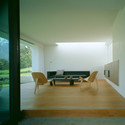
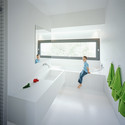
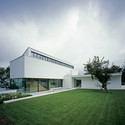
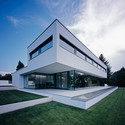
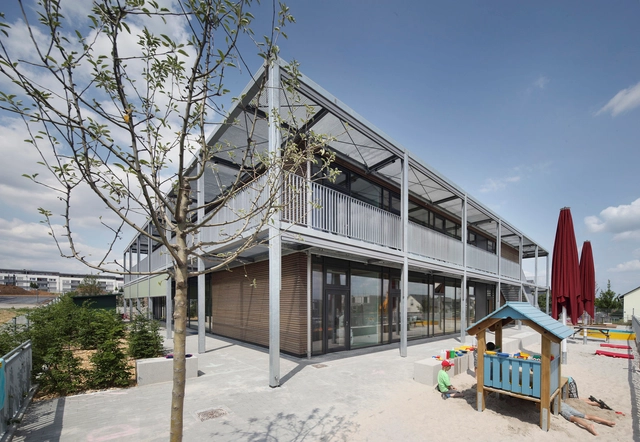
Architects: Philipp Architekten
- Area: 313 m²


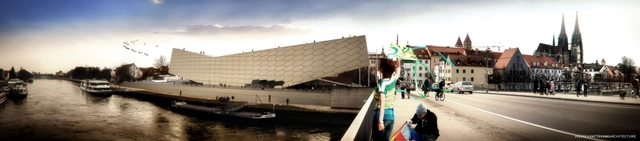
Designed by AVA (Andrea Vattovani Architecture), their proposal for the Museum of Bavarian History not only creates an icon for the city, but their intervention is able to emphasize and further develop the city structure. Since a box-like form didn‘t seem to be the best solution for integrating the museum in its surroundings, they took special notice of the urban surroundings and protected monuments in the development process. More images and architects’ description after the break.
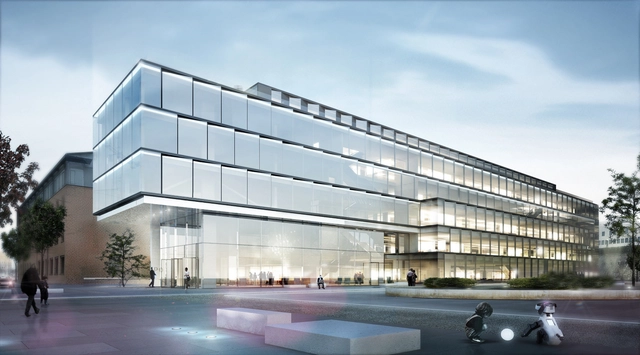
Developed for the architectural competition organized by real estate company, STI Immobilienmanagement, HENN's design for the Glazed Software Factory was just announced as the winning proposal. The company's new office building, located in Karlsruhe, consists of open, transparent spatial structures allowing for a varying range of office types. This strategy combines areas of communication and concentration with one another to provide a bright and diverse working environment for customers and staff. More images and architects' description after the break.


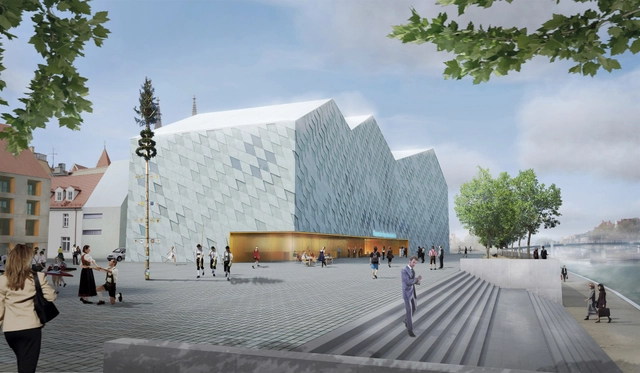
Designed by Irlenbusch von Hantelmann Architekten, their proposal for the Museum of Bavarian History in Regensburg accentuates its significance through its single urban block concept. The aim of the urban layout is a sensitive implementation of the new building in the world heritage surrounding, without disregarding the importance of the museum. Therefore the historical layout with its unique alleys is continued with the new setting. More images and architects' description after the break.
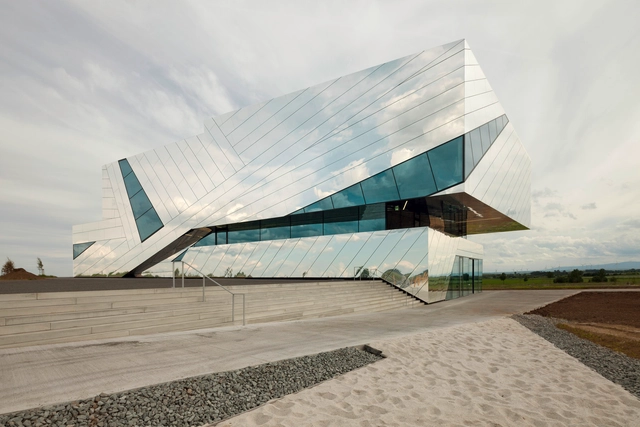
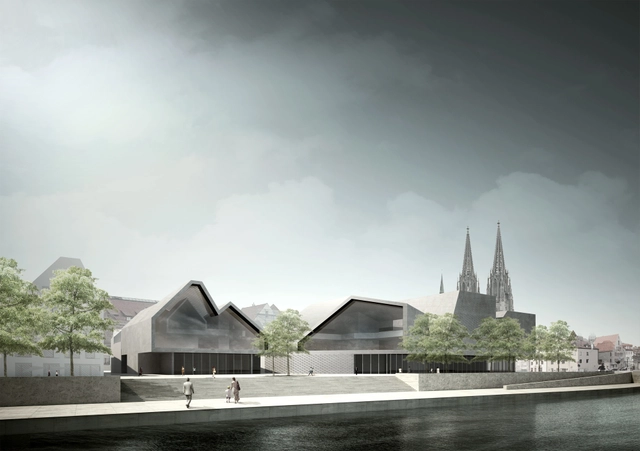
Aiming to seamlessly integrate into the UNESCO World Heritage site, this proposal for the Museum of Bavarian History is derived from the existing roofscape the building references to history. Designed by Simon Takasaki Architecture + Research Studio, their proposal develops a formal language which is triggered by the existing structures, overlaying the present and the future simultaneously. More images and architects’ description after the break.
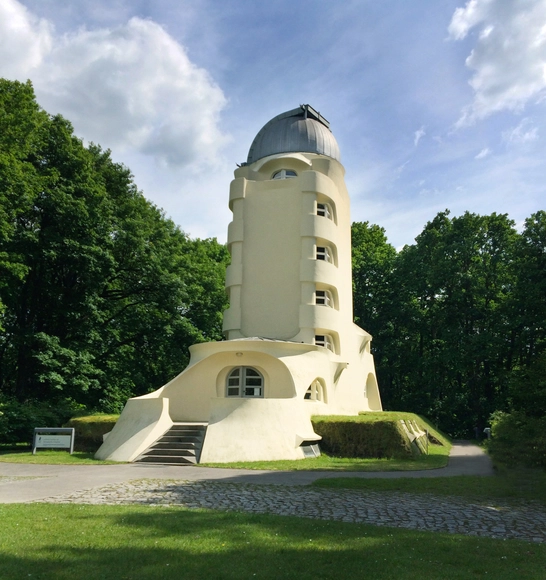
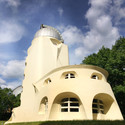
The Einstein Tower, designed by the German architect Erich Mendelsohn, is one of the best-known examples of German expressionist architecture. Designed as an amorphic structure of reinforced concrete, Mendelsohn wanted the tower to represent as well as facilitate the study of Einstein’s radical theory of relativity – a groundbreaking theorem of motion, light and space.
More on this expressionist monument after the break...
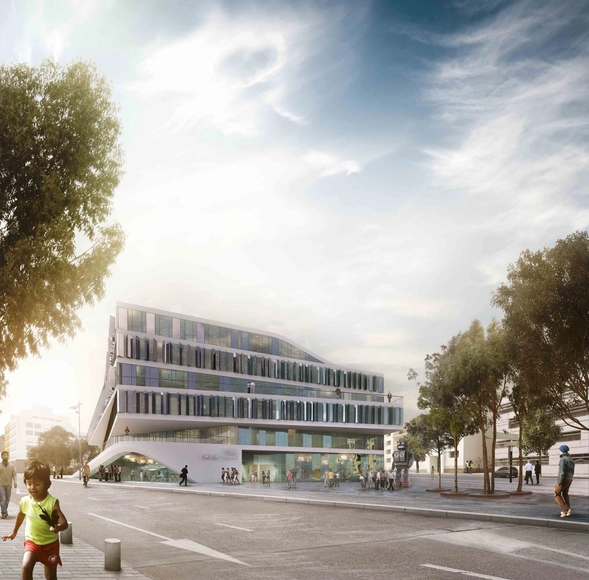
3XN just won the first prize in the international competition for their design of the new building for the technical faculty of the German university Duale Hochschule Baden-Württemberg (DHBW). With their vision to create an open, inspiring and social learning environment, the building is to be a lighthouse project for academic learning - an innovative and productive learning environment in which students, teachers and industry representatives can meet. More images and architects' description after the break.
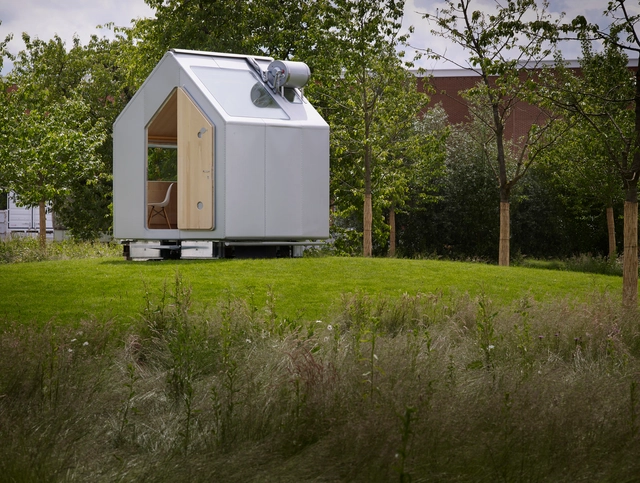
Text description provided by the architects. Over the years, furniture company Vitra has made a name for itself as one of the most architecturally-enlightened companies in the world, with their renowned campus featuring buildings by Nicholas Grimshaw, Frank Gehry, Alvaro Siza, Tadao Ando, Zaha Hadid, Herzog & de Meuron and SANAA.
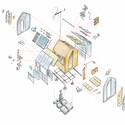
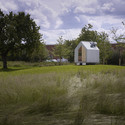
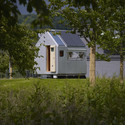
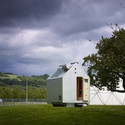
Now, Vitra has announced a collaboration with Renzo Piano that will bridge the gap between their sought-after furniture and their bespoke campus. Diogene, a self contained minimal living space with a floor area of just 2.5 x 3.0 meters, is billed as "Vitra's smallest building - but largest product".
More about the design of Diogene after the break