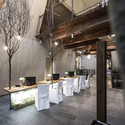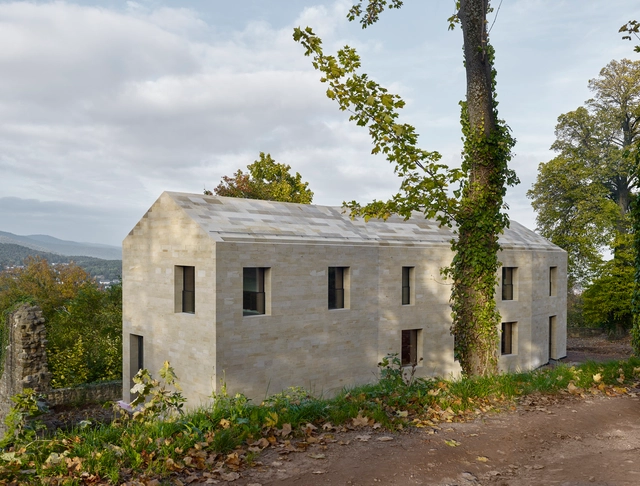
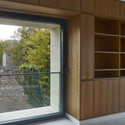
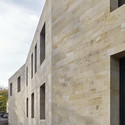
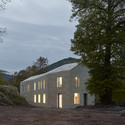

-
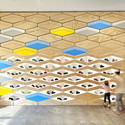
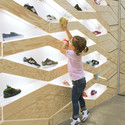
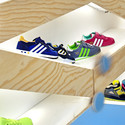
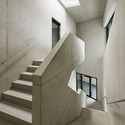
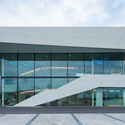
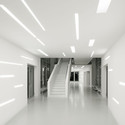
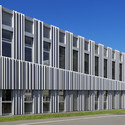
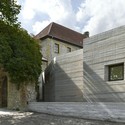
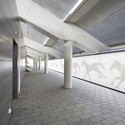
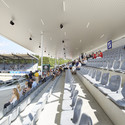
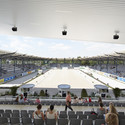
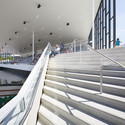
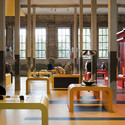
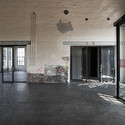
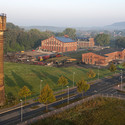
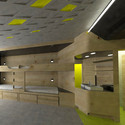
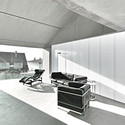
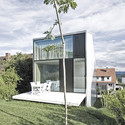
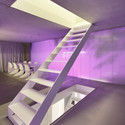
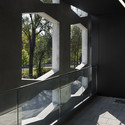
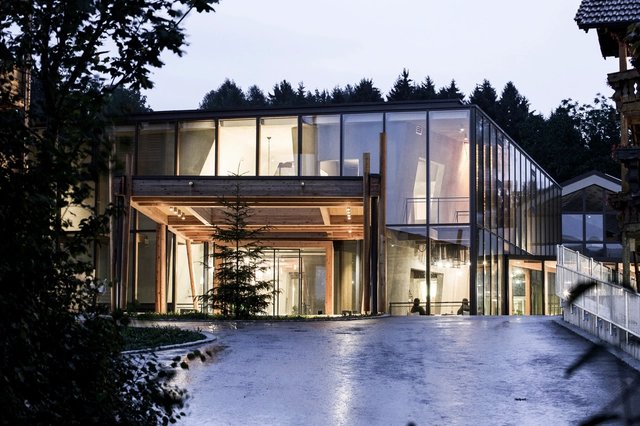
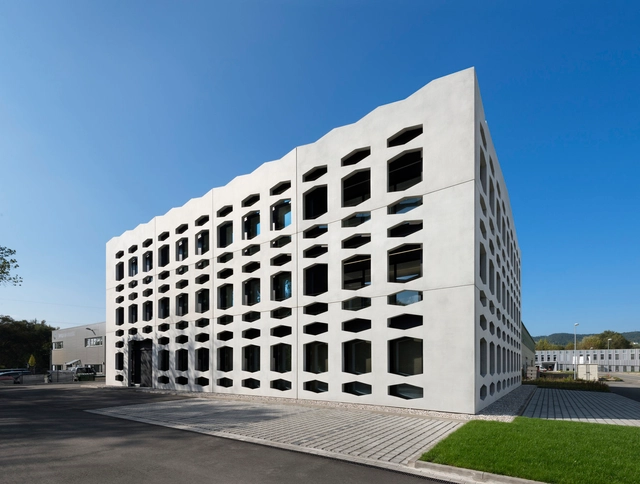
Architects: Max Dudler
- Area: 452 m²
- Year: 2014


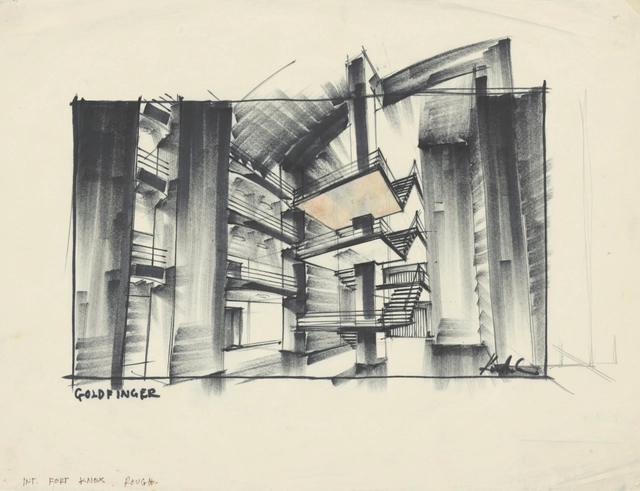
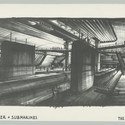
Although his name may not appear in most architectural history books, Sir Kenneth Hugo Adam has influenced architecture for over fifty years. Better known as Ken Adam, he has been responsible for the production design of over 70 films in his career, most notably for his work on the James Bond franchise. The architect of Fort Knox in Goldfinger, the Zero Gravity Satellite in Moonraker, and Super-Tanker Liparus in The Spy Who Loved Me, Adam has shaped architectural design in film since the 1940s.
Adam is the recipient of two British Film Academy Awards, including one for Dr. Strangelove, and in 2003 became the first film production designer to receive a knighthood. He has been at the helm of some of the world's most well-known and influential films – from Chitty Chitty Bang Bang to Crimes of the Heart – and his drawings are now on display for the first time. In 2012, Sir Adam donated his entire body of work to the Deutsche Kinemathek in his home city of Berlin, where the first retrospective of his work is now on display, entitled 'Bigger Than Life: Ken Adam's Film Design.'
Find out more about Adam's vast body of work after the break

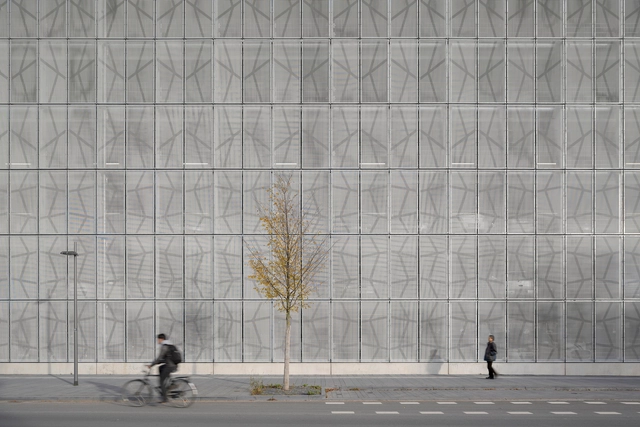

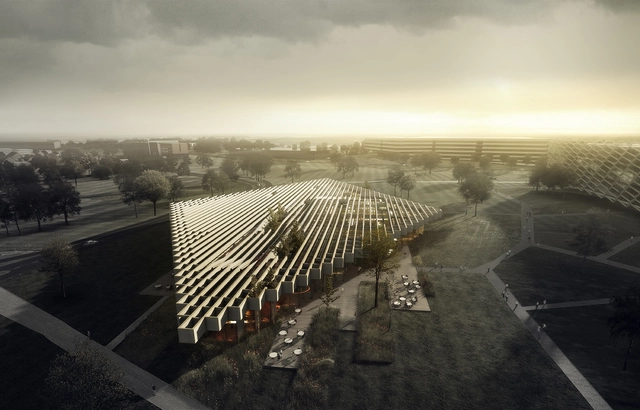
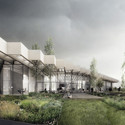
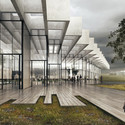
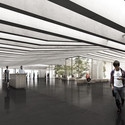
Danish architects COBE have won an international competition to design the Adidas Group’s “Meet & Eat” flagship building at their “World of Sports” headquarters in Herzogenaurach. The 11,000-square-meter “rhombus-shaped” structure is envisioned as a “distinctive landmark” that will provide the campus with a “flexible and user-friendly” public conference center, employee restaurant and showroom.
“The adidas brand has always been known for technique and functionality, and we have designed a building that reflects and encapsulates these values,” says Dan Stubbergaard, Founder and Creative Director at COBE. “Adidas Meet & Eat will house many functions, both internal and public, and therefore we have created a design that above all is multifunctional and flexible. A design that allows for the building to change and adjust to the different social contexts that the building will house.”

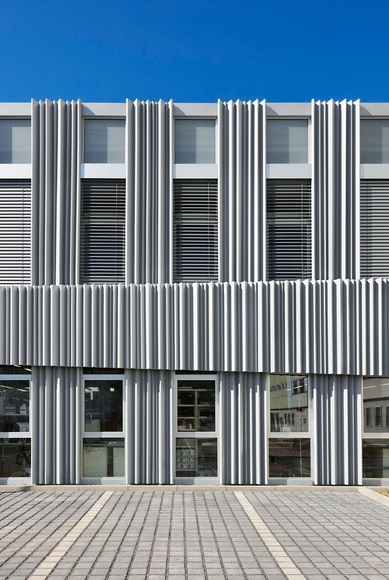
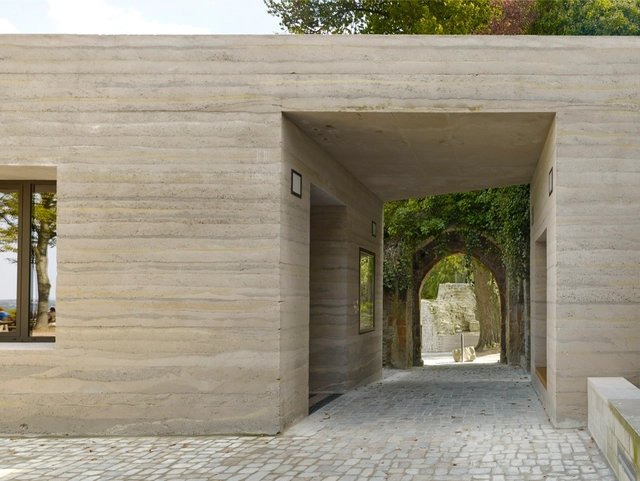
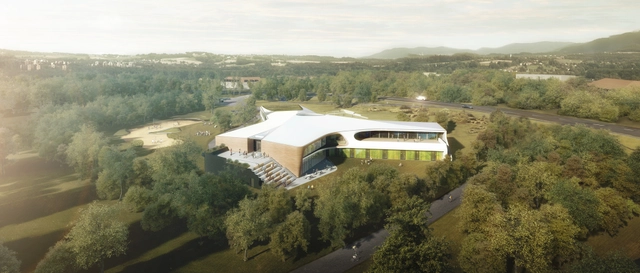
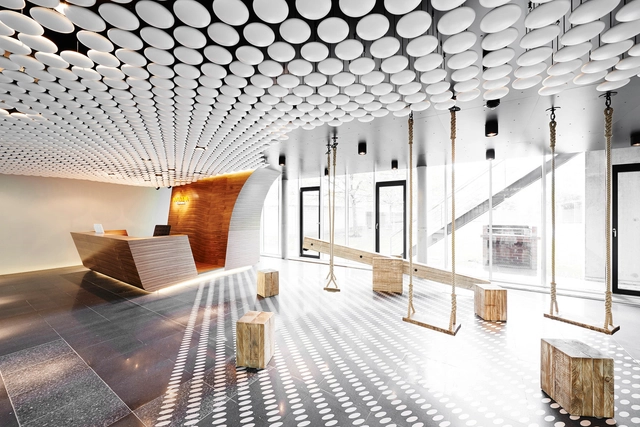
Berlin-based Laboratory for Visionary Architecture (LAVA) has designed a 180-room hostel for the Bavarian Youth Hostel Association in Bayreuth, Germany. Designed for the sociable Generation Y traveler, the hostel offers an abundance of flexible public spaces featuring bright colours and soaring windows overlooking the Bavarian landscape. Touted by the firm as a "yardstick for the sports hostel of the future," the futuristic building includes modular furniture and universal step-free access throughout all facilities, grounds, and sports fields. Circulation for the design centres on a Y-shaped plan designed to maximize natural light light while providing ample opportunities for athletic engagement.
Find out more about Bayreuth's futuristic Youth Hostel after the break

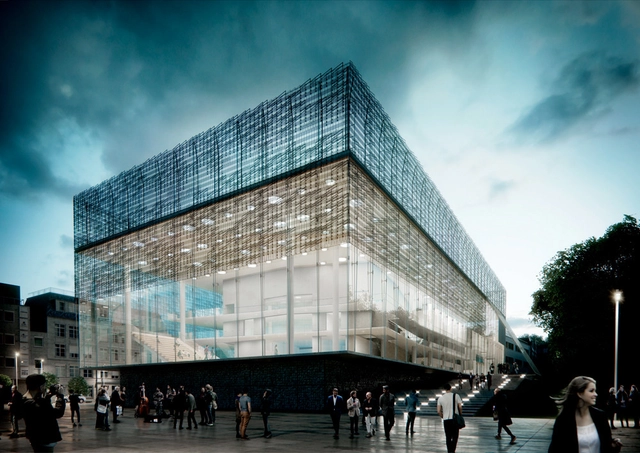
Designing an architectural homage to someone like Ludwig Van Beethoven is no easy feat. Yet that’s exactly what architecture firm Jahn has attempted to do. Their design is a submission for a privately-funded competition being held for Bonn, Germany’s new “Beethoven Festspielhaus.” Chosen from a group of over 50 candidates, Jahn’s project was among ten advanced to the second round of consideration. The proposal, a glass exterior encapsulating a concrete interior, exhibits “Beethoven’s own dual character which is described as both extroverted and introverted,” as described by the firm. Learn more about this inventive design, and the competition, after the break.
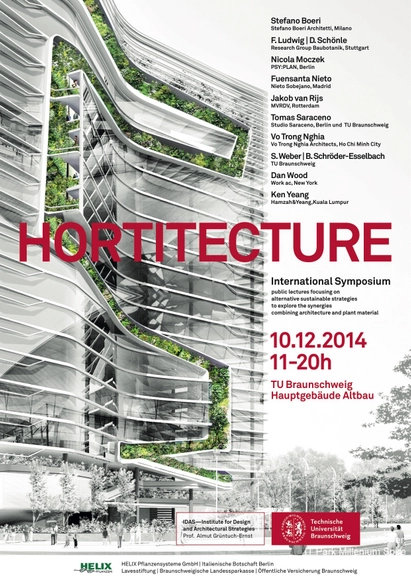
Starting December 10, the Hortitecture 01 Symposium will kickstart a (free) public lecture series in Braunschweig, Germany, centered around brainstorming synergistic strategies for integrating architecture and vegetal matter. Stefano Boeri, MVRDV and WORKac are among a list of interdisciplinary experts that will join together to offer discussions focused around the exploration of vernacular wisdom and contemporary architectural solutions to sustainable building problems.