



-
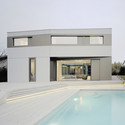
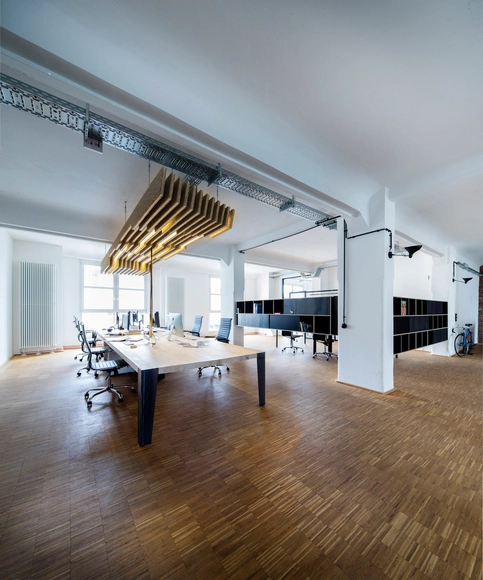
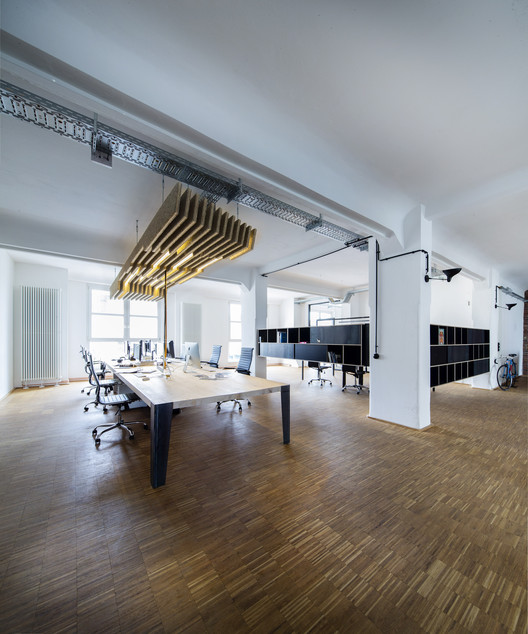
Architects: schöne räume architektur innenarchitektur
- Area: 480 m²
- Year: 2015
-
Professionals: Dering Elektro Michelstadt


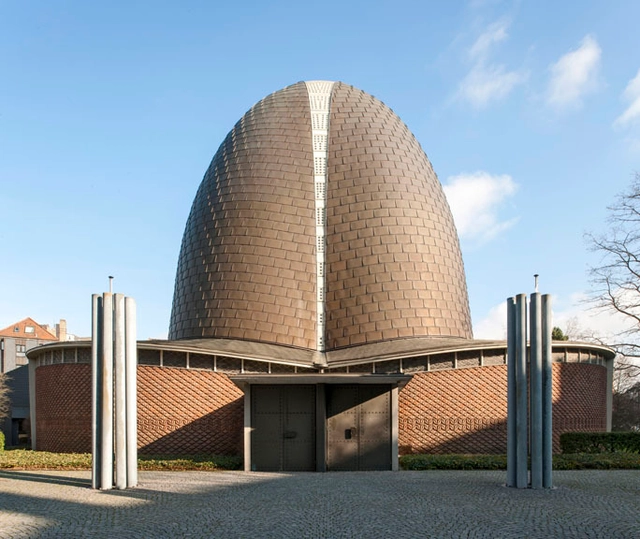
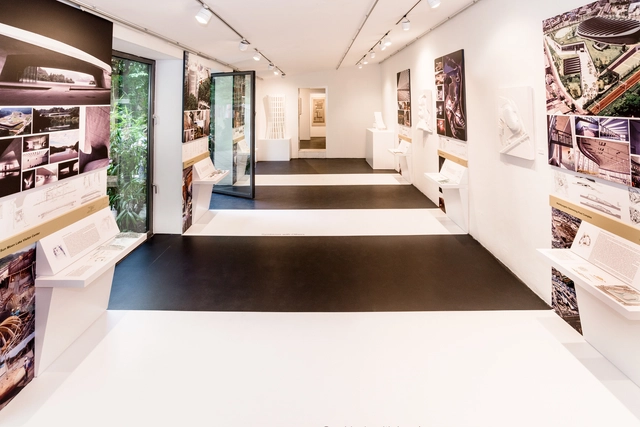
Exhibition Paul Schneider von Esleben – The Legacy of Postwar Modernism M:AI exhibitions and events to mark the 100th anniversary of the architect’s birthday. For this exhibition, Thomas Mayer photographed 5 of Paul Schneider von Esleben’s projects in Dusseldorf.
On 23 August, 2015 Paul Schneider von Esleben would have turned 100. With his projects he emphatically shaped the post-War architecture of West Germany until well into the 1970s. In North Rhine-Westphalia in particular he left behind a series of buildings that reflect the developments in architectural history in the first 20 years after the war. Von Esleben viewed buildings as gesamtkunstwerke, which he designed down to the last detail, be it art on the buildings or the furnishings inside.
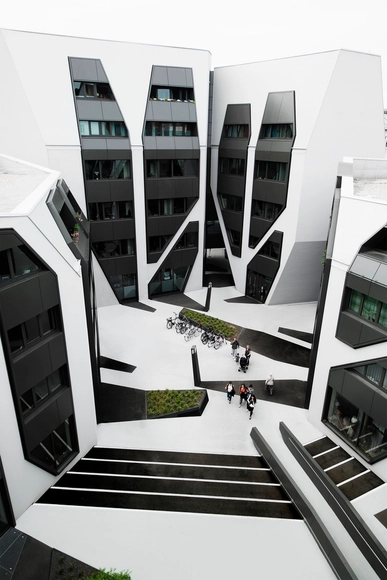
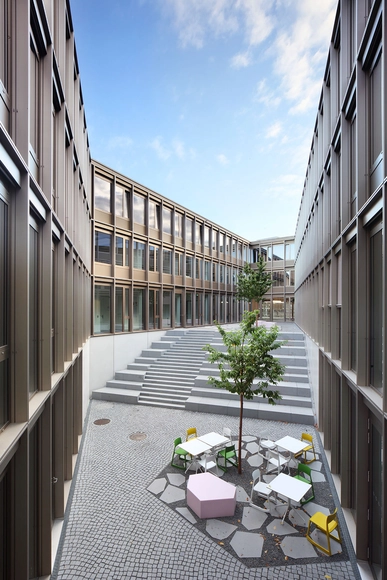
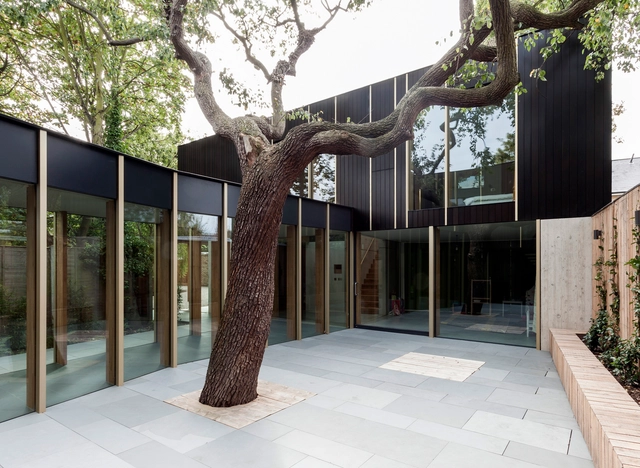
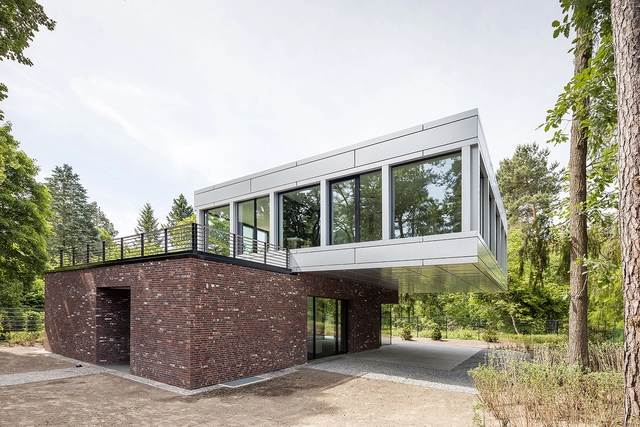
An exclusive architect-led, behind the scenes talk and tour of this RIBA London Award winning family home by Edgley Design. Discover the stories behind the building, what inspired the architect and what it means to have won this prize.

Argentine artist Leandro Erlich has created “Pulled by the Roots” – a massive construction crane carrying an entire house mid-air over the Karlsruhe Market Place in Karlsruhe, Germany. With a root system dangling from beneath it, the house takes its title literally. Read more about this sculpture installation after the break.


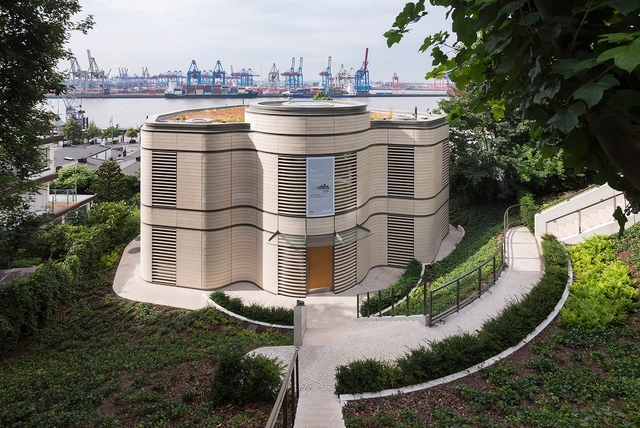
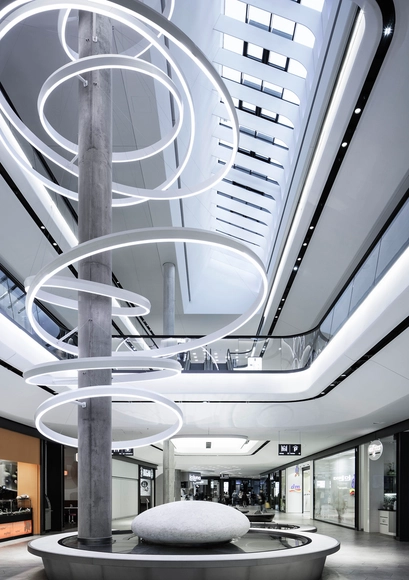
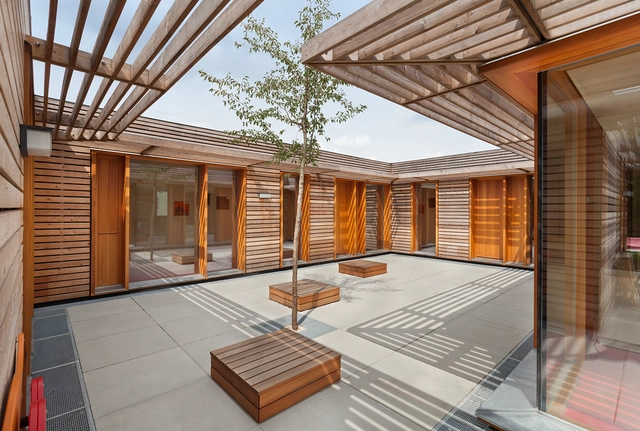
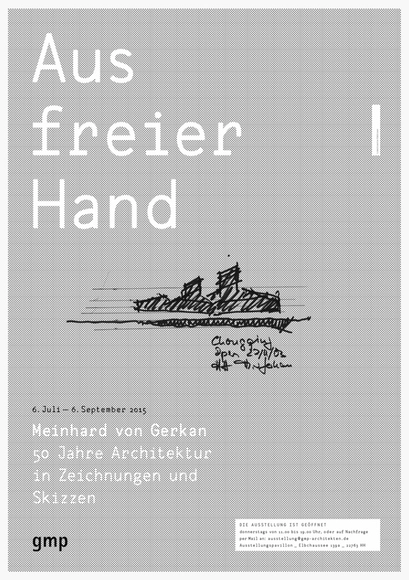
Together with his partners, Meinhard von Gerkan has written architectural history over the past 50 years: the practice started life with a drum roll, with the Berlin-Tegel Airport being the first project; today, over 380 projects have been completed.
To this day, von Gerkan develops his designs with the help of sketches. On the occasion of the 50-year anniversary of gmp – Architects von Gerkan, Marg and Partners and von Gerkan’s 80th birthday, the "Lines of Thoughts" exhibition in the newly built Architecture Pavilion at Elbchaussee presents selected projects from his archive, which includes well over 3,000 architectural sketches, in order to illustrate how his projects develop.
A concrete tree trunk growing in the middle of a commercial street in Tokyo, an airport terminal that looks almost like a bird’s wing, a skyscraper facade that seems to move like ocean waves, a visitors’ center perfectly integrated into the landscape of Taiwan’s largest lake – nature is everpresent in Japanese architect Norihiko Dan’s buildings. His architecture never stands alone, for Dan always seeks symbiosis; this appears in his combination of geometric-archetypical with organic forms, in his urban planning projects, which bring submerged historic and cultural identities back to light, as well as in the ecological orientation of his buildings. With dramatic contrasts in architectural language and choice of materials Norihiko Dan insistently calls for a relationship between human beings and their surroundings.

The emphasis on light and lighting now is more than ever and this is evident from the global initiative by UNESCO to declare and celebrate 2015 as the International Year of Light. With this in mind, Nightscape 2050 is a unique exhibition dedicated to Lighting and is aimed to explore a completely new horizon of lighting design. This exhibition aims to explore the interactions between people, light, and cities in the year 2050. “Nightscape” does not just mean the evening view; to us “nightscape = humans and cities at night.”
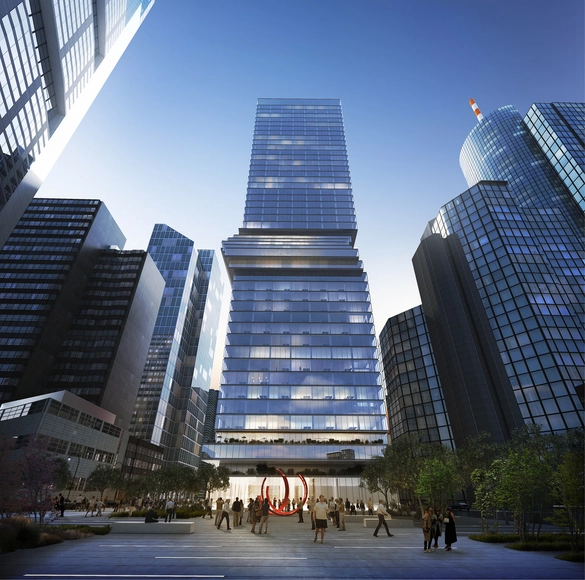
BIG has been selected through a competition to realize a 185-meter-tall, mixed-use tower in Frankfurt. With a shape that is "both rational and sculptural," the skyscraper is organized as a basic volume whose floor plates "shift" to provide the "best spaces for each specific program."
"Organized as a slender and rational stack of inhabited floors, the tower is interrupted by two sculptural moves where the program changes," says BIG.