English: Architect from the Faculty of Architecture, Design and Urban Planning of the University of Buenos Aires (FADU-UBA). Collaborator at ArchDaily. Her interests involve projecting and thinking about urban planning and architecture from people. Born and raised in Buenos Aires, Argentina. Instagram: @agustinainiguez_
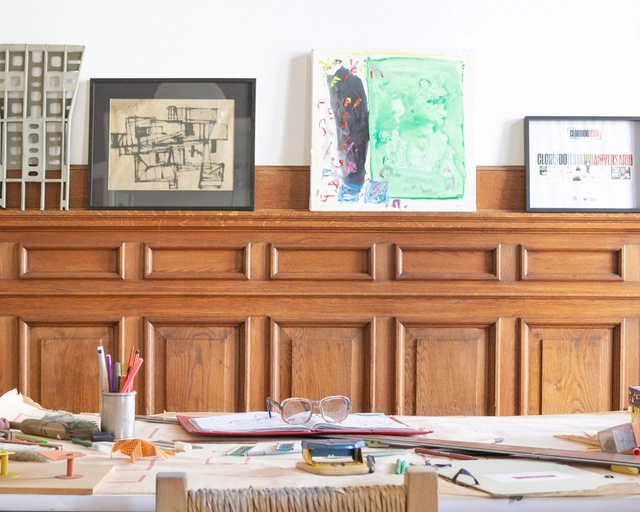
Amid questions, reflections, and debates, the work of Clorindo Testa embodies an innate connection between artistic and architectural experimentation, reflected in many of his built projects, sketches, models, and plans. From the Mariano Moreno National Library to the former Bank of London building in Buenos Aires, his production is of such scope, diversity, and complexity that it constitutes a major source of study, one that also includes unbuilt projects that deserve visibility and recognition on a global scale. In his final years of professional activity, two unbuilt projects of religious architecture highlight Testa’s work not only as an architect but also as a visual artist.
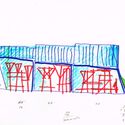
The use of primary colors, pure forms, and concrete represent some of the most distinctive characteristics of Clorindo Testa’s architecture, which is inseparable from his visual art. Reflecting on themes such as living in large cities or the conditions of life in urban spaces, the powerful expressiveness and plasticity of his works, together with the character of the line, his typical color palette, and the frequent presence of the human figure, reveal the importance and meaning he attributed to scales, uses, and perceptions as an architect who never settled for the first idea.
From the interior design of sports facilities to wellness spaces, contemporary architecture continues to experiment with incorporating different uses, installations, and materialities that make it possible to reach broader audiences, generate new spatial experiences, and enhance the simultaneous development of various activities. While each sport requires its own type of architecture, such as climbing training, for example, architecture and design professionals are striving to create atmospheres where exercise becomes more than just a physical experience, but also a psychological one, connecting mind and body through a state of physical renewal, relaxation, and sociability.
From the field of architecture and construction, the concept of material reuse is closely tied to circular economy and the reduction of carbon footprints, paving the way toward a more sustainable and responsible future. By incorporating recycling practices, recovery, restoration, and/or the reuse of demolition materials, resource efficiency along with the reduction of energy consumption makes it feasible to experiment with techniques, applications, and new materials that honor the memory of spaces while also bringing new life to both interiors and exteriors.
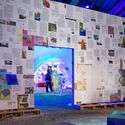
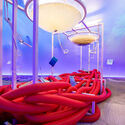
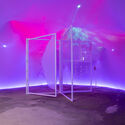
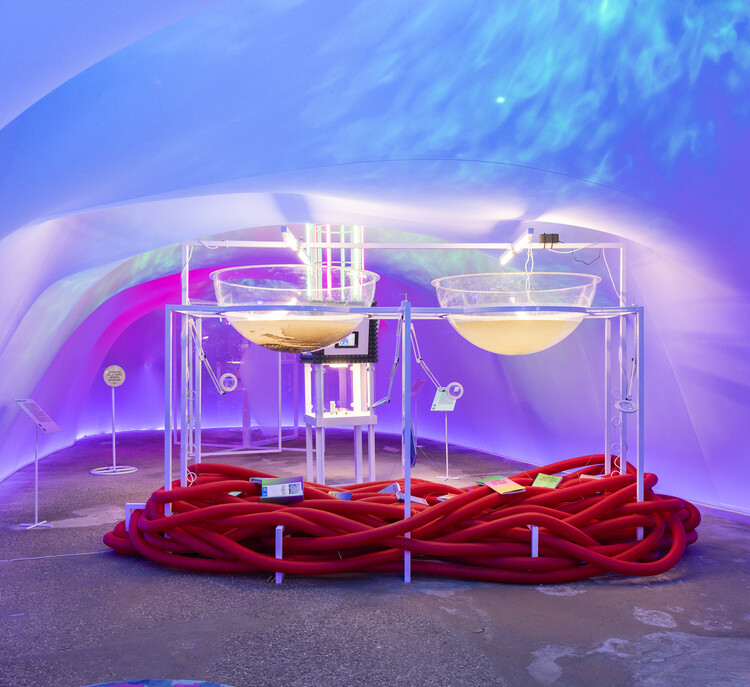
As part of the collateral events of the 2025 Venice Architecture Biennale, the Institut Ramon Llull presents the project "Water Parliaments: Projective Ecosocial Architectures", bringing together the waters of Lleida, Girona, Tarragona, Barcelona, Valencia, the Balearic Islands, and beyond to address the water crisis as an interconnected ecosocial, cultural, and political issue. Framing architecture as a tool for critical speculation and collective action, the project advocates for the imagining of future scenarios grounded in coexistence—interweaving the human and non-human, the natural and artificial, the technological and vernacular, the global and the local.
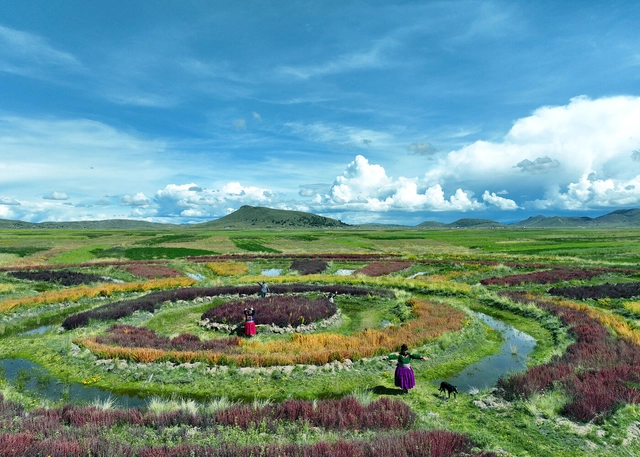
Waru Waru agricultural field. Image via World Monuments Fund
Offering a path toward resilience and food security in the alluvial plains of Lake Titicaca, the Waru Waru agricultural fields are spread across the Peruvian highlands and constitute an ancient agricultural system. Connecting an ancestral legacy with modern concerns about water and food security, climate resilience, and sustainable land management, these agricultural systems open the debate about efficient water management and the importance of agricultural biodiversity. At the same time, they are part of the sense of identity and pride of the local Aymara community, consolidating cultural knowledge that is passed down and preserved across generations.
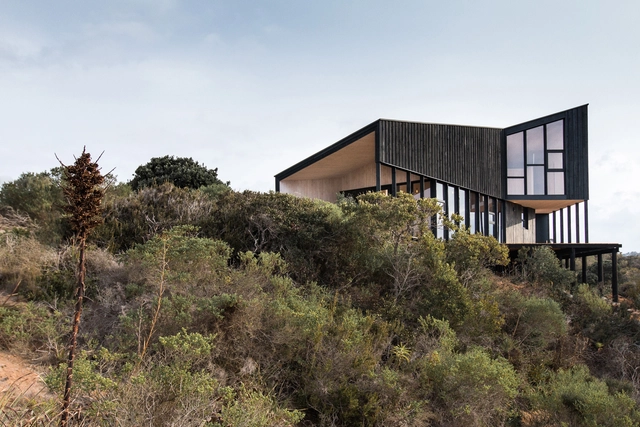
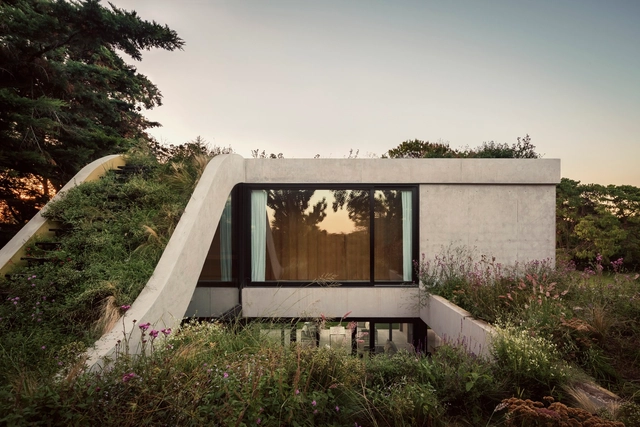
Seeking to create a fluid dialogue between architecture and its surrounding landscape, the study of topography embodies an awareness and exploration of the use of materials, self-sufficient strategies, low-maintenance solutions, and landscape designs that integrate into the natural environment and minimize the environmental impact of projects. Beyond recording variations in elevation, sun orientation, prevailing winds, or drainage slopes of the terrain, several architects in Argentina demonstrate a strong interest in developing architectural solutions capable of adapting to natural geographies and restoring the bond between nature and the human being.
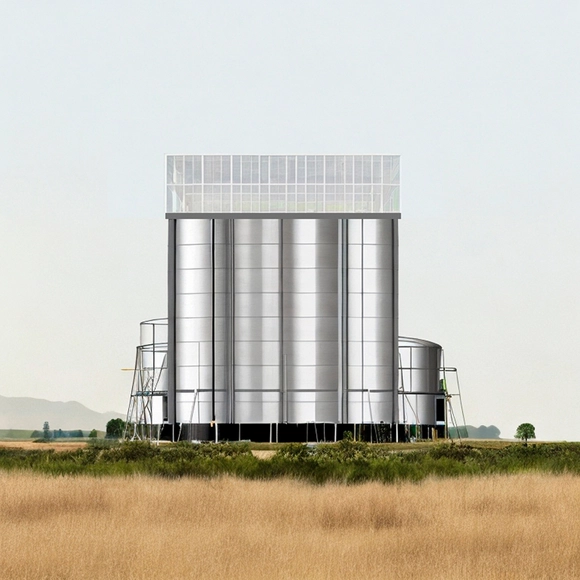
In response to today's environmental, political, economic, and social challenges, material experimentation in architecture invites us to recognize the importance of researching and analyzing the properties of construction elements, and to understand the role of spatial design and its immediate surroundings. While various textiles, plastics, and even waste from different sources are being recycled and given a new life, the debate around the use of salt as a building material encourages the development of more sustainable practices to reduce the industry’s impact on the environment, as well as to explore the renewed life of discarded minerals and mining waste for implementation in architecture.
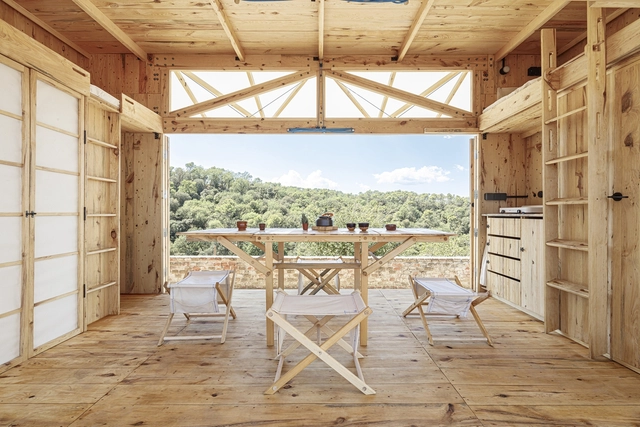
Amid coasts, rivers, lakes, and mountain ranges, Spain’s natural environment encompasses a wide variety of climates, topographies, and vegetation species. Aiming to raise global awareness of the impact of construction on the environment and the importance of addressing climate change through new ways of creating architecture, several architectural practices and research teams are exploring the design of cabins or small-scale lodging prototypes. While capable of integrating harmoniously with their surrounding natural context, they also demonstrate strategies for self-sufficiency, resource utilization, and space maximization, as well as broad applications of innovative technologies and material solutions adapted to each region.
How does the design of contemporary interiors create different experiences through its materials? How does the adaptability and reuse of certain materials make it possible to generate contrasting and/or complementary atmospheres within a single space? According to each material's textures, proportions, colors, or properties, interior architecture currently recognizes the opportunity to create environments where materiality plays more than just an aesthetic role. With special attention to the final experience of its users, El Equipo Creativo aims to combine designs where landscape, nature, culture, and art stand out in interior compositions that accommodate broad programs and audiences.
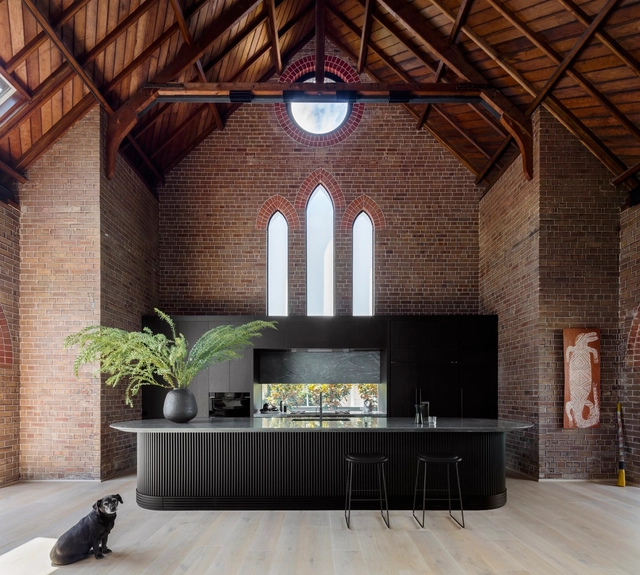
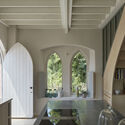
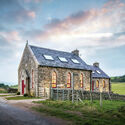
What does a change in use and/or scale in buildings imply? How can a church or chapel be transformed into a home? While the architecture of many contemporary sacred spaces shows a remarkable capacity for adaptation and evolution, the creative boundaries of many professionals extend beyond their conception as structures of spirituality or worship. Globally, the conversion of large churches and small chapels into private residences reveals a wide field for intervention and exploration, one that can preserve, restore, adapt, and/or renew the character of spaces originally conceived for other uses and scales, which for various reasons have been abandoned, become obsolete, or now require transformation.
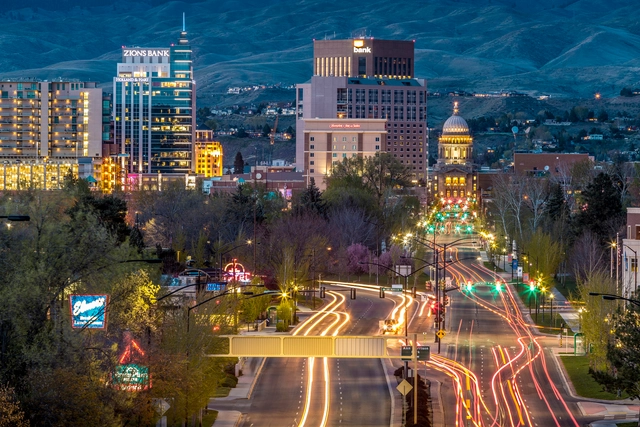
Boise, United States. Image via Wikipedia user: Fæ. License under CC0 1.0. Image Author: Alden Skeie
From greenhouse gas emissions and air pollution to deforestation, one of the leading contributors to global warming today is emissions from the transportation sector. Exploring its origins and evolution, as well as the major challenges it faces, the development of electric mobility in urban environments represents a global transition that requires a coordinated mix of policies and actions to achieve cleaner and more sustainable transportation systems. Designing safe and comfortable infrastructure for walking and cycling, promoting public transit and shared mobility, and designing more efficient streets that include electric vehicles, among other actions, are part of a growing worldwide effort to reduce carbon emissions.
What structures and infrastructures sustain the ties and relationships between the countryside and the city? How will architecture and emerging technologies maintain -or not- the coexistence of both worlds in the future? The reduction of ecological footprints, the impact of climate change, the decentralization of major cities, food security, and other contemporary issues challenge professionals in architecture and urbanism globally under the main shared goal of improving citizens’ quality of life and achieving physical, mental, and emotional well-being in both built and natural environments.
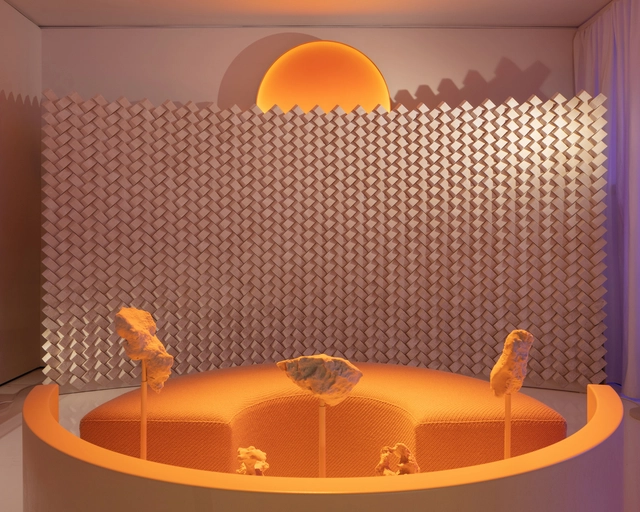
When creating exhibition spaces, the design of the experience, the proposed route, and the transmission of certain perceptions and senses contribute to establishing different bonds and connections between the displayed objects and their visitors. Understanding a showroom as a space designed to creatively and experientially showcase products and services, what design strategies could enhance users’ interior experiences? How does interior design engage in dialogue with exhibition architecture?
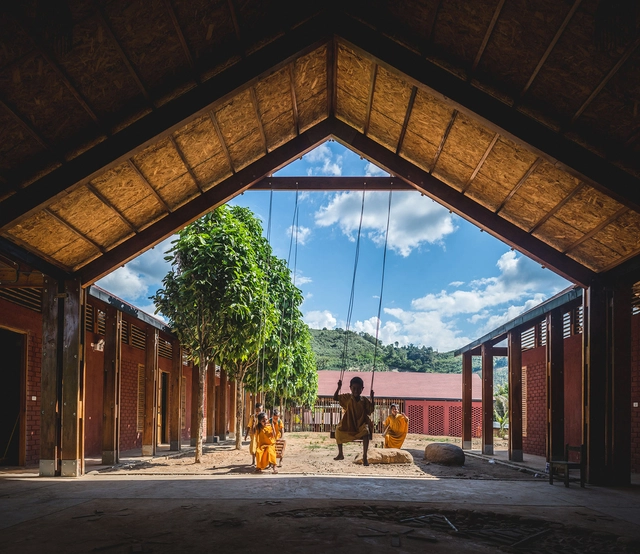
In an effort to foster a sense of belonging among its inhabitants, to value ancestral cultures, and to preserve identity, the Latin American region embraces an architecture rich in nuances and regional characteristics. The use of local materials and construction techniques, or the dialogue between modular and vernacular approaches, among other aspects, reflect the intention to promote the involvement of native communities, students and their families, Iindigenous peoples, and local builders in the design and construction processes of a wide variety of rural schools throughout Latin America.
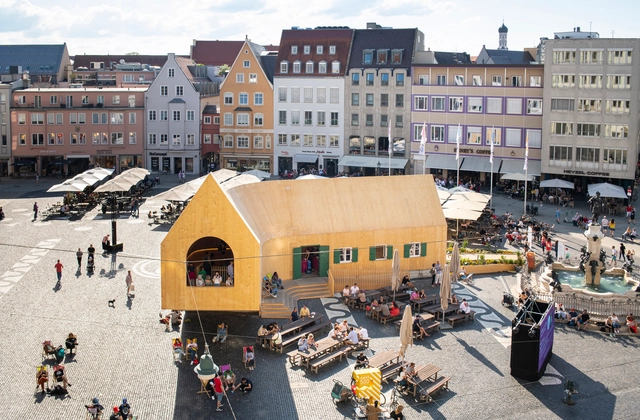
How do pavilions emerge in architecture? What role do they play in urban spaces? Beyond the multiple interpretations that exist around the world, the pavilion, as an architectural principle and typology, tends toward extroversion, often associated with a centrifugal nature and visual openness toward the horizon, which is linked to its origins as a tent offering shelter from the elements. Pavilions are usually identified as isolated and independent structures that can promote lateral openings in the urban space, panoramic or introspective views, technological reflections, and material experiments that are recognizable from the outside or once inside.
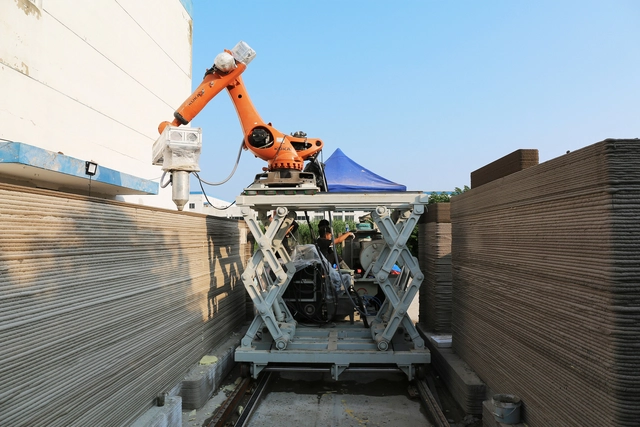
Impresión de paredes exteriores. Image Cortesía de XWG Archi Studio at Tsinghua University
According to the analysis firm Gartner, 3D printer sales surged by 75% around 2014, nevertheless, the technology continues to experience significant growth. While there are multiple debates in the field of architecture about whether 3D printing can be considered craftsmanship or if it is feasible to mix local materials with 3D printing, its implementation from academia aims to create new experiences, research, and knowledge that contribute to its development and practical application. Now, how might the integration of 3D printing in academia provoke future changes in the construction industry? And how could education in architecture and design encourage collaboration with other disciplines to create new applications across different fields?
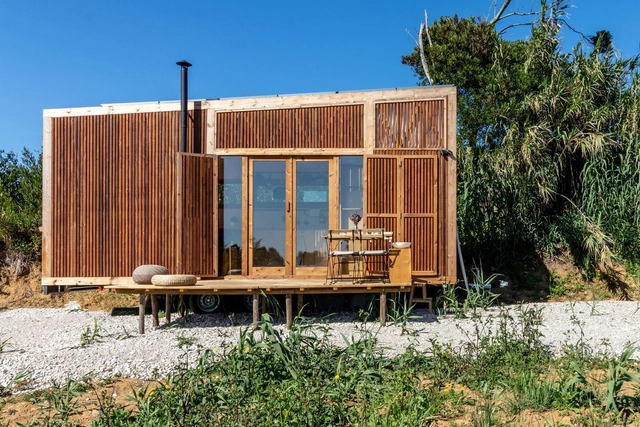
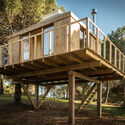
How is it possible to maximize livability in small spaces? What design decisions contribute to functionality and the fulfillment of the inhabitants' essential needs? Over the past decade, small-scale architecture has gained prominence in the quest to find new ways of living in connection with nature and in pursuit of relative self-sufficiency, among other reasons. From minimal homes or tree houses to fine carpentry solutions and sculptures, the Portuguese design studio Madeiguincho is dedicated to developing timber-based projects with the aim of promoting knowledge of wood craftsmanship as both a raw material and a building medium.