English: Architect from the Faculty of Architecture, Design and Urban Planning of the University of Buenos Aires (FADU-UBA). Collaborator at ArchDaily. Her interests involve projecting and thinking about urban planning and architecture from people. Born and raised in Buenos Aires, Argentina. Instagram: @agustinainiguez_
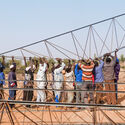
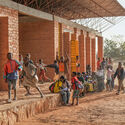
"My only concern is that my work must have a positive impact on the communities in which it is embedded," states Francis Kéré in his book Francis Kéré: Building Stories. His own life story, the context in which he was raised, and the experiences he has lived through all shape his approach to architecture. It is a commitment that extends to people and the places they call home—one that values materiality, collective learning, and the exchange of knowledge. Discovering the stories behind projects such as Primary School in Gando and Naaba Belem Goumma Secondary School inspires reflection on how to design spaces that truly serve humanity.
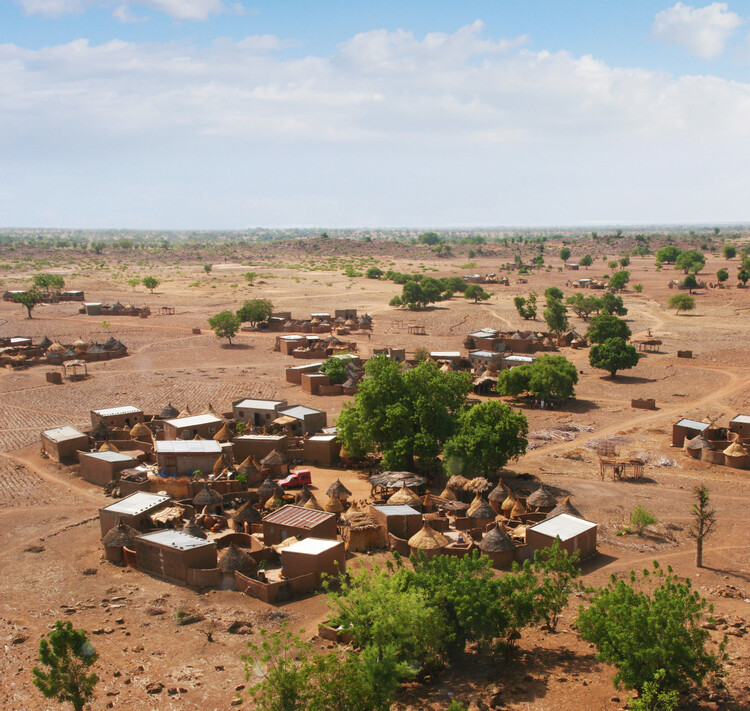
Francis Kéré's story begins in a village in sub-Saharan Africa and extends across many places. Gando was the setting of his first education, where he absorbed the essence and principles that later shaped the core values of his career alongside influences from other cultures. The structure of Gando is formed by different families who organize themselves, according to established customs, within courtyards scattered across the savanna. Growing up in this remote village in the Burkina Faso savanna fosters a strong sense of community, made tangible by the understanding that each resident of every courtyard is part of the life of the whole.
In Six Memos for the Next Millennium, Italo Calvino explores lightness from a literary perspective and argues, "Opposed to lightness is weight. Removing weight produces lightness; it is a value, not a defect." Drawing on Greek mythology, he reflects on one of Perseus's feats after severing the head of the terrible Gorgon Medusa without being turned to stone. Assisted by the gods Hades, Hermes, and Athena, Perseus flies with his winged sandals and uses a bronze shield as a mirror to reflect her image. Relying, like many architects, on what is lightest—the wind and the clouds—he also fixes his gaze on what is revealed through indirect vision: an image reflected in a mirror.
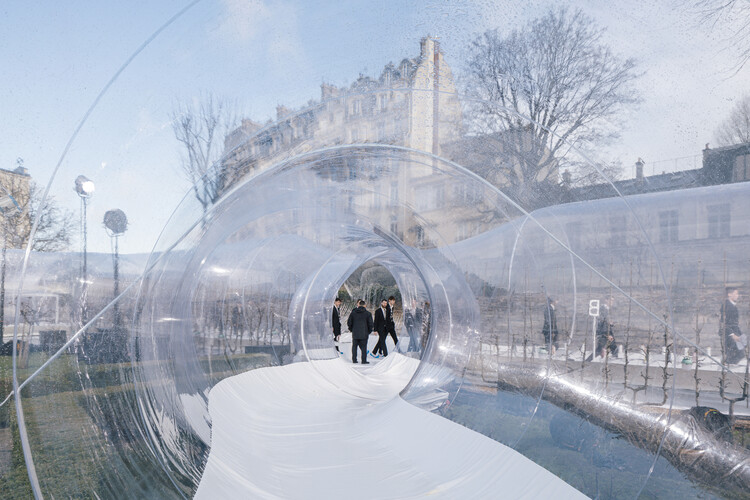
Historically, transparency has been naturalized as an inherent condition of modern architecture. With the shift from the heavy load-bearing wall to the lightweight glass envelope, glass was introduced into the discipline, blurring the boundaries between interior and exterior spaces. In connection with inflatable architecture, transparency is linked to lightness and impermanence, leaving temporary traces on the landscapes it inhabits. By using textiles or plastics as main materials and air as a structural system, the search for lightness in the built environment now recognizes more than a single atmosphere of application.
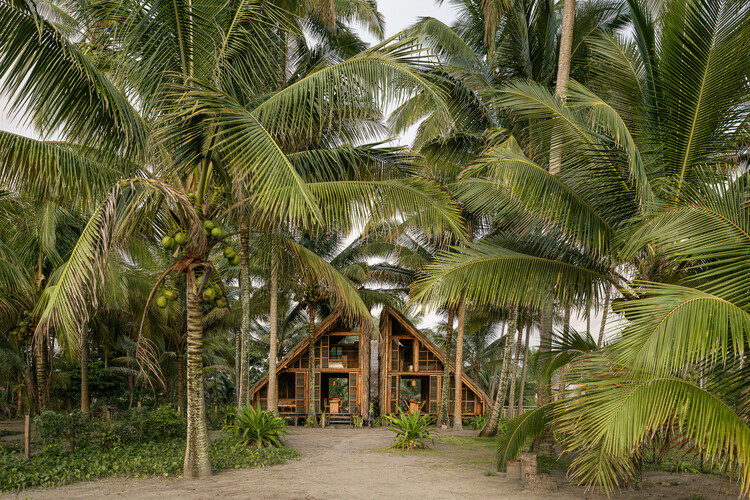
Ecuador's territory embraces a remarkable diversity of landscapes, ranging from the Pacific Coast to the peaks of the Andes, the vast expanse of the Amazon rainforest, and the volcanic Galápagos Islands. Each region of the country presents its own distinctive characteristics, reflected in its varied environmental, cultural, and social contexts. While Latin American architecture is rooted in rich ancestral traditions, native construction techniques, and local materials, contemporary Ecuadorian architecture expresses an evolving identity that blends these elements with actual demands. Tradition and innovation, local resources and modern techniques, along with social responsibility and aesthetics, interact with the natural environment, urban conditions, and social contexts.
How does an architectural installation express the identity of a region? How can a building material connect with the essence of a nation? Throughout its history, Spain has been shaped by a wide range of cultures and civilizations, including Muslim, Phoenician, Roman, Greek, Carthaginian, and Visigothic influences. From flamenco to ceramic tiles adorning façades and historic monuments, each region of Spain embraces its own customs and traditions, reflected in its architecture, history, art, and design. During Milan Design Week 2026, Tile of Spain presents Spanish Design as a Souvenir at the Fuorisalone—an installation that transforms ceramic tile into a narrative medium through a series of sculptural objects reinterpreting everyday icons of Spanish life.
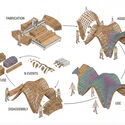
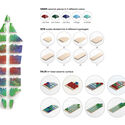
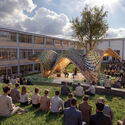
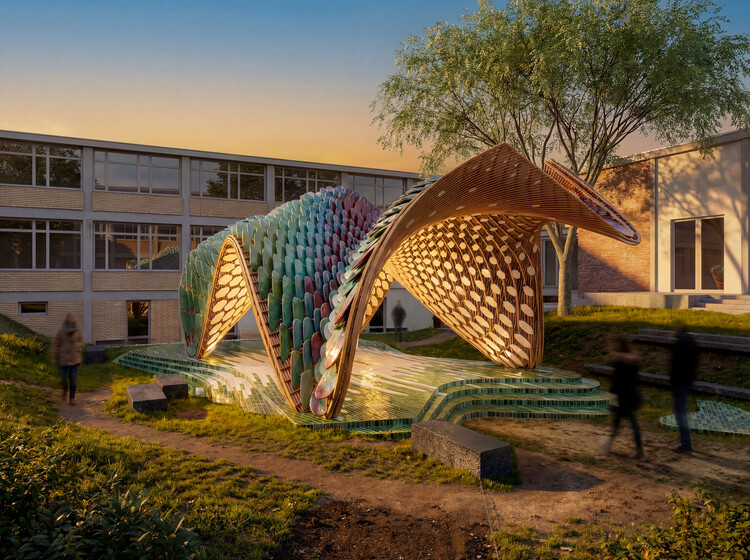
At a moment when architecture is being pushed to respond more directly to environmental and social pressures, Spain's pavilion for World Design CapitalFrankfurt Rhein-Main 2026 positions itself as more than a temporary installation. While materiality is at the center of its design, the project explores how a reversible cultural infrastructure can activate public space without permanent construction. Discussions about material use, circularity and reutilization in architecture are closely tied to cultural contexts, environmental conditions, and historical influences that reveal how time shapes the built environment. Beyond its construction, Spain's pavilion expresses identity by reinterpreting the architectural method of Antoni Gaudí, the creator of the Sagrada Familia and Park Güell. It also demonstrates how Spain's creative and industrial sectors address current challenges with innovative construction solutions.
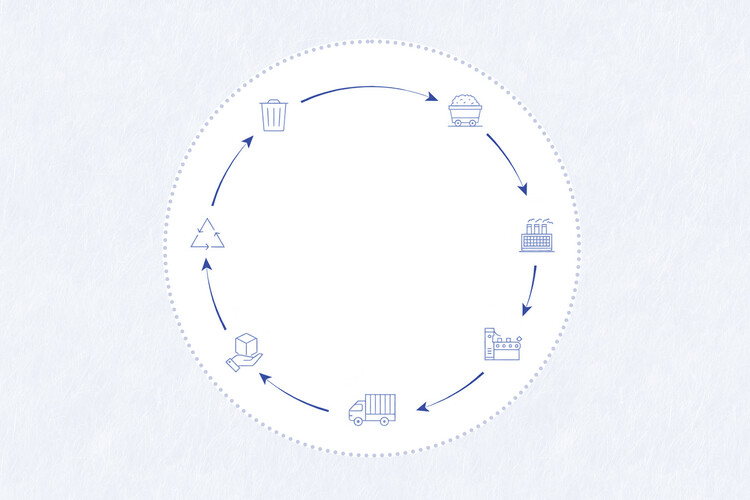
As a major driver of natural resource consumption, energy use, and greenhouse gas emissions, the construction industry has a significant impact on the environment, consuming 32% of global energy and contributing to 34% of global CO₂ emissions. Building materials play a crucial role in shaping the built environment. Through principles of circular economy, renewable and self-sufficient solutions, and technological innovations, analyzing the environmental performance of each material highlights the opportunity to review and assess the different stages of its life cycle.
By establishing a common framework for measuring and managing the environmental impact of building materials, Life Cycle Assessment (LCA) emerges as a key approach. This methodology provides a comprehensive evaluation of the environmental impacts associated with products, processes, or activities throughout their entire life cycle. From raw material extraction, manufacturing, and transportation to construction, use, and end-of-life treatment, the analysis considers the environmental burdens linked to each stage. In the context of building materials, LCA offers a holistic and systematic approach to assessing environmental performance and identifying opportunities for design optimization, among other improvements. In this way, it quantifies impacts such as carbon emissions, energy consumption, water use, air pollution, waste generation, and ecosystem depletion.
Beyond being a source of life, the power of the sun in architecture has long been tied to humanity's need to harness and control it as a vital resource. Since ancient times, solar energy has been used to measure time, support planting and harvesting, and provide protection from heat and cold. Today, solar radiation plays a significant role in global energy consumption. Architectural solutions based on materials, technologies, and environmental analysis are developed with an understanding of solar energy's capacity to transform the interior environment of buildings. But how can buildings be transformed into sources of clean energy?
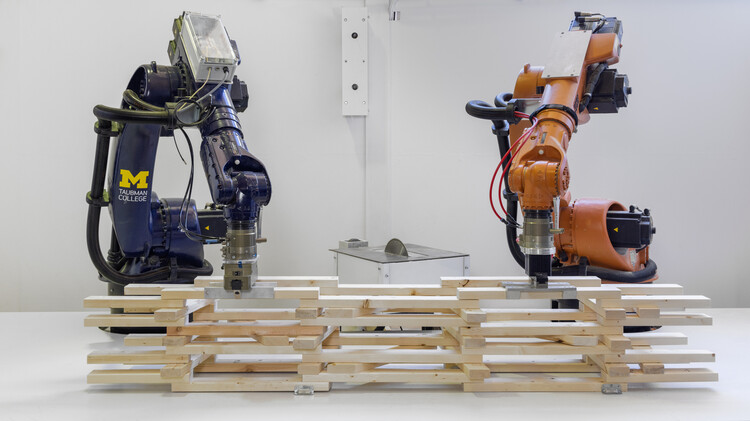
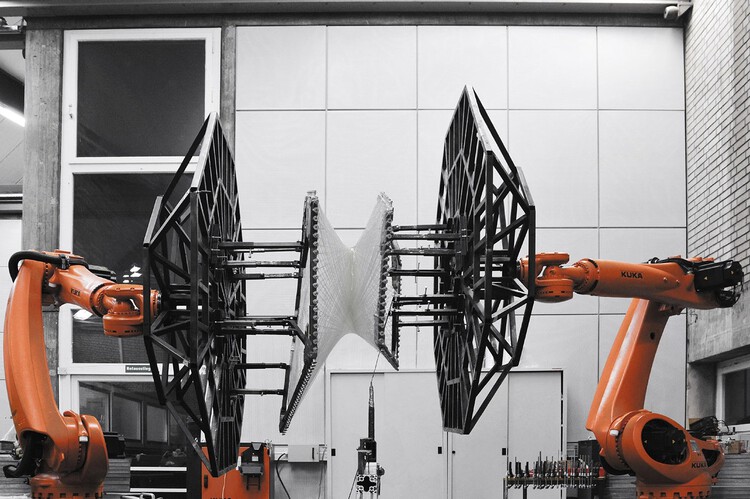
By exploring the art of robotics in construction, advances in architectural technologies are increasingly shaping multiple aspects of human life. From robotic arms and drones to robots that move across large surfaces and even 3D printing robots, their use in construction is accelerating research and the development of new working methods, as well as structural and material experimentation. In collaboration with multiple disciplines and spanning various facets of architecture, the role of robots in the contemporary landscape demonstrates a potential that extends beyond merely automating processes or reducing construction times and costs. This raises the question: Are we building architecture to serve technology, or technology to serve architecture?
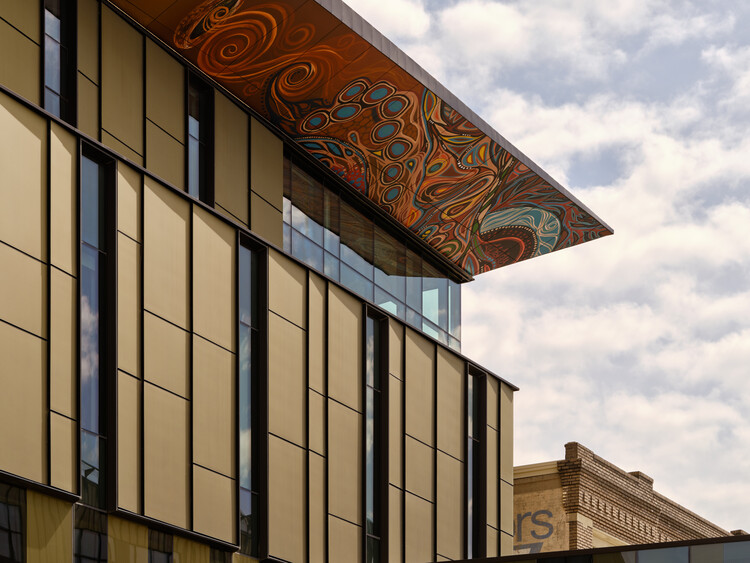
Courtesy of SolarLab, Photo by doublespacephoto.com. Image RRC Polytech Manitou a bi Bii daziigae / Diamond Schmitt Architects & Number TEN Architectural Group
As environmental accountability becomes embedded in design culture, the building envelope is being reconsidered not just as a protective skin, but as an active energy-producing surface. Treating solar technology as a material rather than an attachment reshapes how architecture is conceived and detailed. Color, texture, rhythm, and assembly become inseparable from performance. Building-Integrated Photovoltaics (BIPV) operate within this expanded definition of materiality. By integrating solar technology into façades and rainscreens from the earliest project stages, architects can reduce redundancy, align energy goals with design intent, and rethink how envelopes are composed. Yet translating this ambition into buildable systems requires technical precision and construction intelligence.
Contemporary workplaces promise collaboration, yet they increasingly struggle to provide spaces for privacy. In an era dominated by open-plan layouts, small acoustic spaces like phone booths and focus pods have become essential for maintaining productivity and privacy. However, the paradox of "booking conflicts" alongside "underutilized spaces" has turned these areas into operational challenges. The question, then, is how workplaces can balance efficiency, productivity, and individualized user experiences within increasingly complex environments.
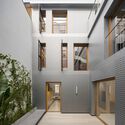
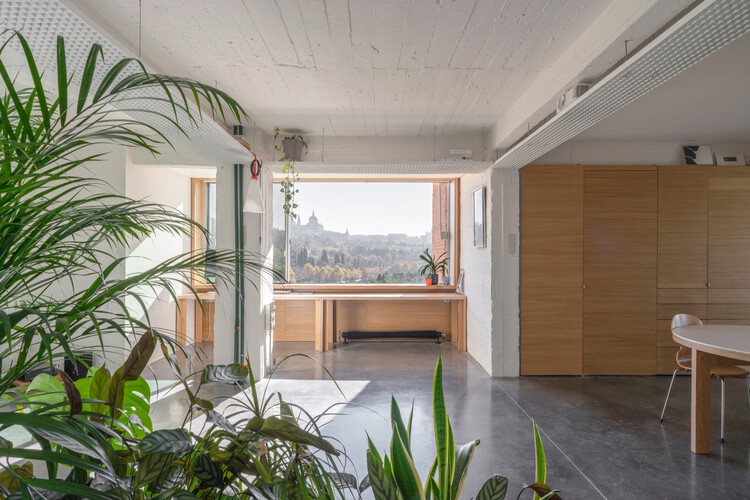
The role of heritage rehabilitation in the contemporary architectural landscape is shaped by a wide range of research, beliefs, memories, and efforts aimed at redefining and strengthening our built environment. When undertaking a transformation, renovation, or preservation project, architects can employ diverse strategies and tools to encourage a meaningful coexistence between what already exists and what is newly introduced. Together with three Madrid-based architecture practices—SOLAR, Pachón-Paredes, and BA-RRO—we set out to engage in conversation and explore their creative processes and ideals, recognizing the complexity and value of historic buildings as repositories of materials, structures, and construction techniques from other eras.
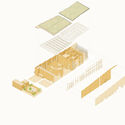
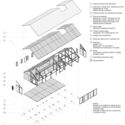
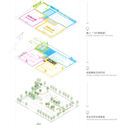
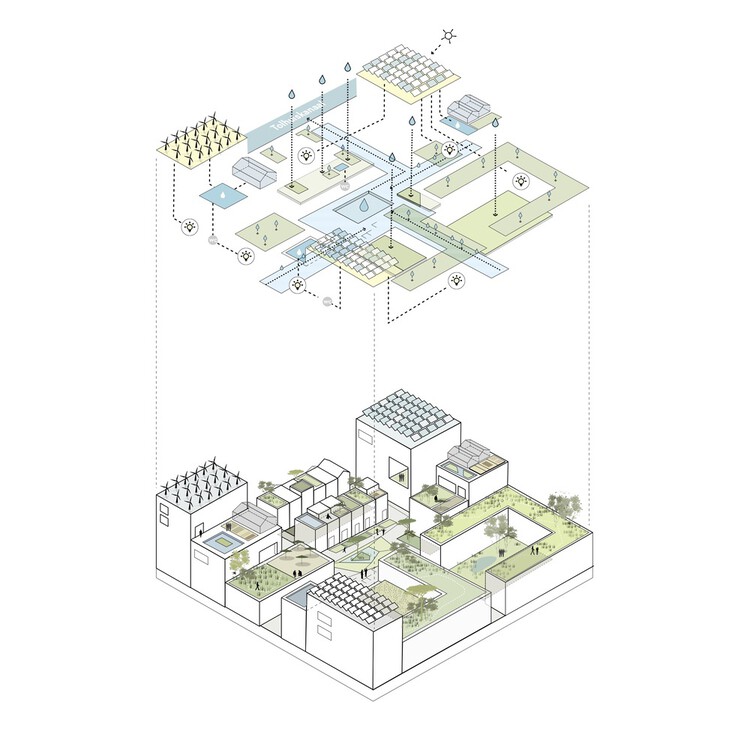
In the translation of three-dimensional reality onto a two-dimensional plane, axonometry stands as one of the graphic systems of representation that form the foundation of the language used by architecture and design professionals. Alongside plans, sections, and elevations, its exploded views often stand out for their ability to study the multiple layers that compose a project. Although axonometry is also employed in other disciplines such as engineering and urban planning, it consistently proves its capacity to function as more than a mere representational tool, strengthening the understanding not only of a project's construction processes, materials, and structural systems but also expanding the communication of the ideas and design processes that shape a project.
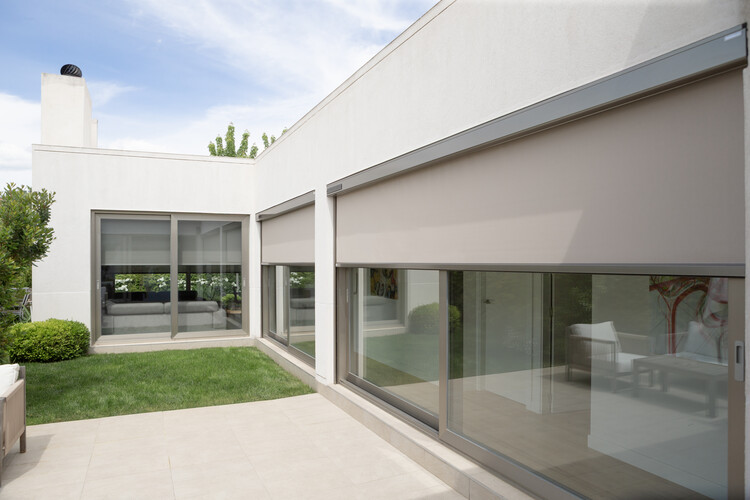
Taking a deeper look at the interplay of light and shadow in architecture seems to be a recurring topic on the agenda of many professionals in the field. Spaces of light and darkness are conceived to enhance circulation and spatial directionality, as well as to highlight the colors, textures, and forms of specific architectural elements. That said, the impact of natural light on building facades reveals the need to develop strategies that support energy savings, improve the thermal and visual comfort of interior spaces, and promote the reduction of carbon emissions. Considering light as another material in architecture, in what ways could its power contribute to the architectural experience?
Which materials have taken center stage in the architectural discourse of 2025? Which projects have rediscovered new construction practices and methods through material innovation? While the future of building materials still appears uncertain, year after year, experimentation and research continue to reveal diverse practices, initiatives, and efforts dedicated to understanding their value and responsibility within the built environment. From agricultural waste that reduces carbon footprints to recycled plastics given new life, and living materials that engage with emerging technologies while reconnecting with nature, 2025 has highlighted and strengthened the role of architects as mediators between materials, disciplines, knowledge, and interests from diverse origins.
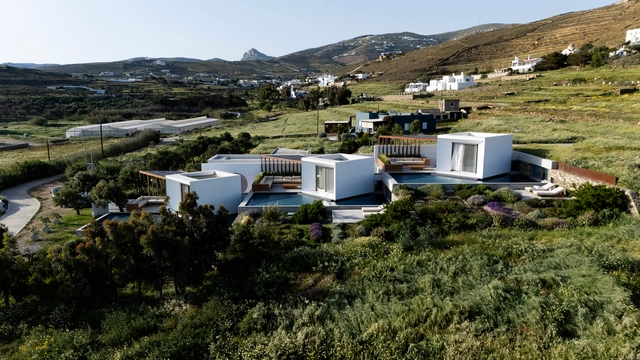
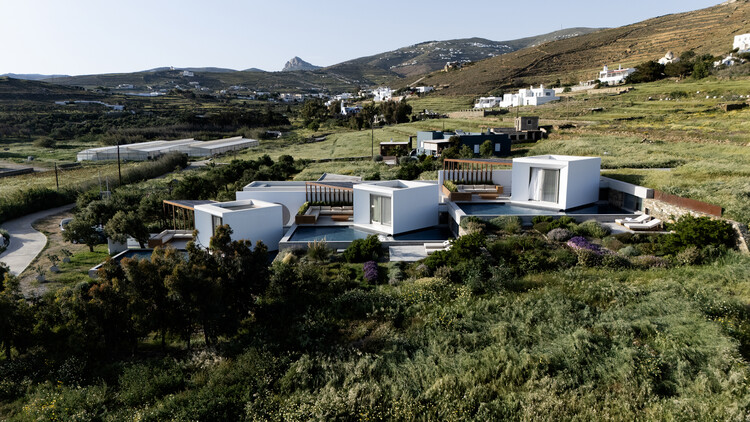
Amid countless questions, reflections, and debates about rethinking what a hotel can be, current hotel architecture faces growing complexities that span user experience, environmental responsibility, and the relationship with local context. Contemporary hotel design shows a clear—and increasingly prominent—intention to blend seamlessly and harmoniously with its surroundings, building a sense of identity that responds to local cultures, traditions, and character. The interconnection with nature, along with the reinterpretation of hotels as spaces for engaging with their surroundings, creates a direct relationship that expands their boundaries beyond the history and origins of the many practices that have shaped—and continue to define—their local characteristics and philosophy of life.
In a time when many hotels are designed to look like destinations, the real challenge is to design hotels that grow from their destination. But how can large-scale urban projects be integrated into sensitive landscapes without overpowering them? How is it possible to build with density while preserving a sense of intimacy and create identity in places that already carry strong local character?
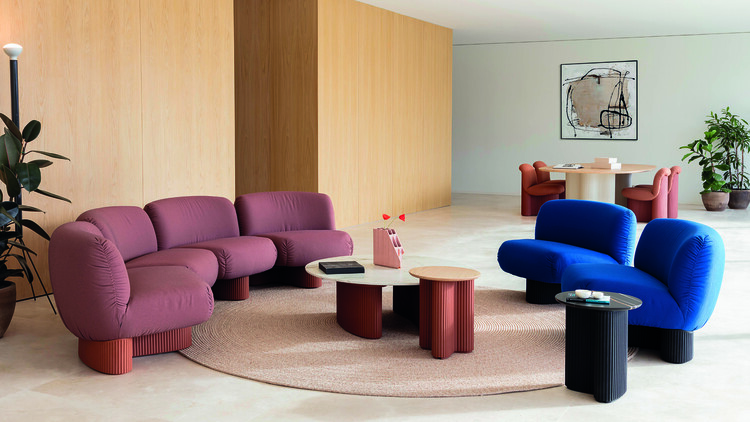
Bolete Lounge BIO®. Image Courtesy of Andreu World
What is the current global outlook on the recyclability of materials used in architecture? To what extent are contemporary societies truly committed to reducing environmental impact? In the effort to live in balance with nature, replacing fossil fuels with renewable energy sources is one of the key strategies for cutting greenhouse gas emissions and addressing global warming. Looking to nature for inspiration as a way to protect it means creating designs that incorporate sustainability, circularity, and recyclability from the very first sketch. From building systems to surface finishes, the use of biomaterials in architecture reflects a mindset rooted in long-term responsibility for a material's full life cycle.
NPO Aoyama Design Forum (ADF), a non-profit organization, has announced the ADF Design Award 2026, celebrating architecture that does more than please the eye—it aims to make a meaningful impact on society, culture, and the environment. The award aims to recognize outstanding works that challenge existing conventions, demonstrate innovative thinking, and enrich people's lives through visionary, responsible design. Architects and designers around the world are invited to submit their proposals on a unique platform that fosters connections, promotes the exchange of ideas, and encourages meaningful cross-cultural collaboration.
How does the construction sector shape the future of cities? What challenges does it face? At the crossroads of demographic, social, energy, and climate pressures, the construction sector is changing fast. Professionals, institutions, and citizens are working together to build environments that improve health and well-being, encourages durable and place-responsive solutions, cut carbon emissions, withstand climate risks, and provide affordable, high-quality housing.