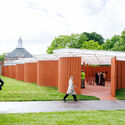
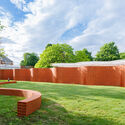
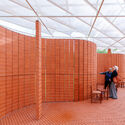
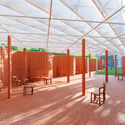
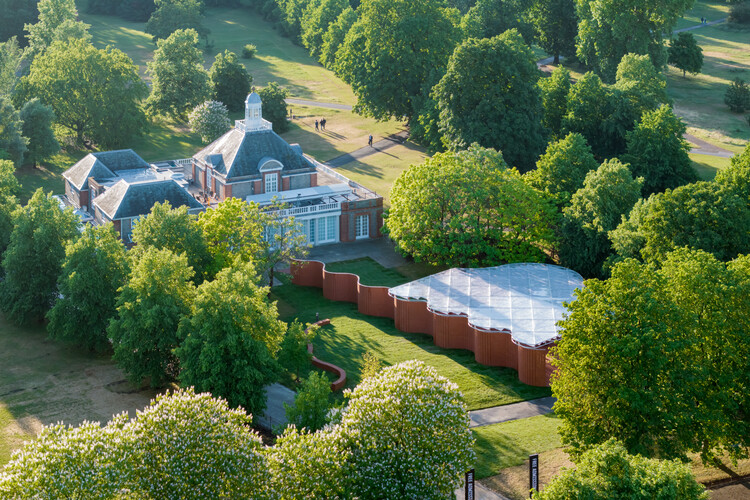
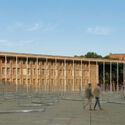
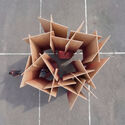
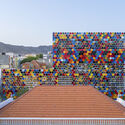
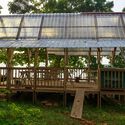
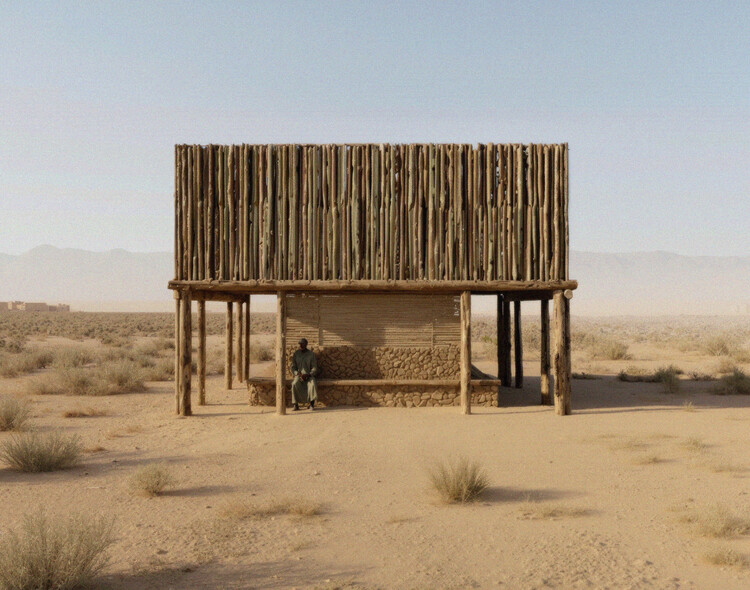
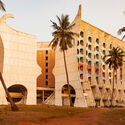
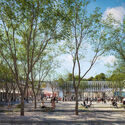
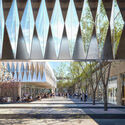
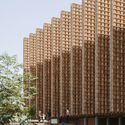
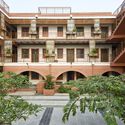
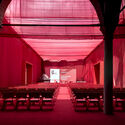
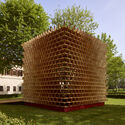
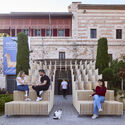
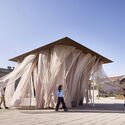
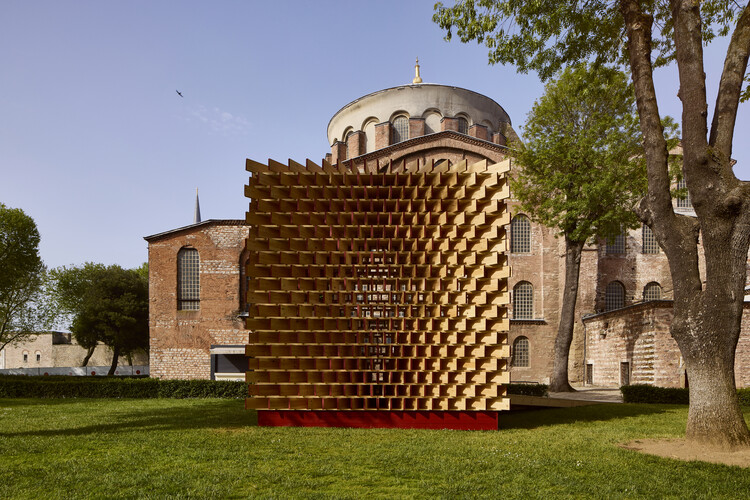
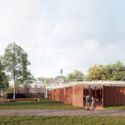
The 2026 Serpentine Pavilion, titled "a serpentine," designed by Mexico City-based architecture studio LANZA atelier, will open to the public on 6 June 2026 at Serpentine South in London. Newly released preview-days images show the completed structure ahead of its seasonal activation, which will run through 25 October 2026 and include Serpentine's annual programme of public events. Now in its 25th edition, the Serpentine Pavilion marks a milestone for the annual commission first launched in 2000 with Zaha Hadid's inaugural project. To commemorate the anniversary, Serpentine Galleries will also collaborate with the Zaha Hadid Foundation and the Architectural Association on a parallel programme reflecting on the Pavilion's legacy and its role in contemporary architectural discourse.
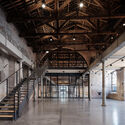
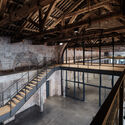
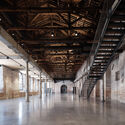
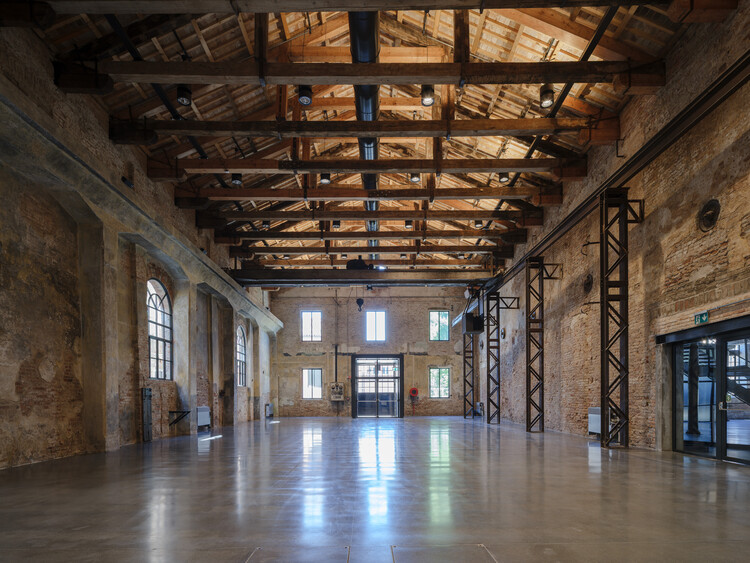
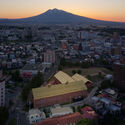
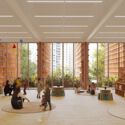
La Biennale di Veneziahas inaugurated the new home of its Historical Archive – International Centre for Research on Contemporary Arts at the Arsenale, relocating the institution's archival collections and research activities to a restored complex within one of its principal exhibition sites. The opening introduces a new permanent headquarters for the archive, bringing together facilities for conservation, research, public consultation, and cultural programming within the historic Arsenale. To mark the occasion, La Biennale organized a three-day program of performances, lectures, conversations, and public visits, highlighting the archive's role within the institution's broader ecosystem of exhibitions, festivals, and educational initiatives.
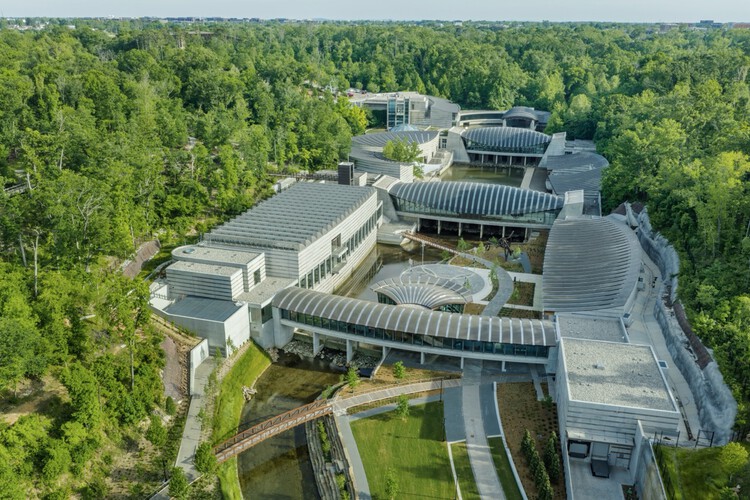
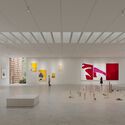
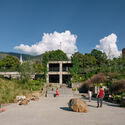
Crystal Bridges Museum of American Art in Bentonville, Arkansas, will open a major 114,000-square-foot expansion to the public on June 6–7, 2026. Designed by Safdie Architects, the project extends the museum's original architecture while introducing new galleries, educational facilities, public gathering spaces, and landscape connections across the institution's 134-acre campus. The addition represents the completion of a long-term development strategy for the museum, enhancing both its exhibition capacity and its engagement with the surrounding Ozark landscape.
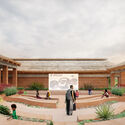
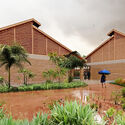
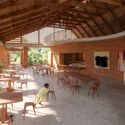
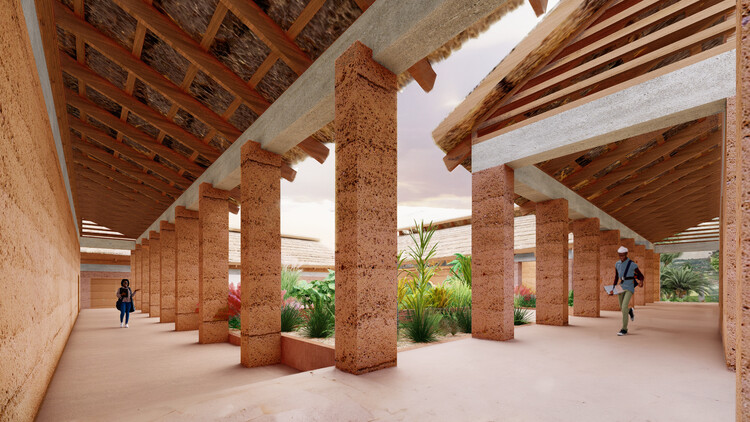
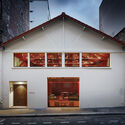
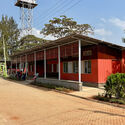
Designed by Studio NEiDA, The Falcon Cinema is a community and art centre located in Berekuso, Ghana, commissioned by film curator and Founding Director Jacqueline Nsiah. The cinema's mission is to create a home for cineastes to preserve Africa's cinematic legacy while hosting critical and creative thinking about contemporary filmmaking on the continent, designed and curated with a pan-African approach. The programme includes a 250-seat and a 150-seat screening room, a restaurant, an archive, communal spaces, an education hub, and an outdoor cinema. A second compound is planned for a future phase, to house living quarters for filmmakers in residence. Still in the design phase, the project started in 2024 and is expected to be completed in 2027.
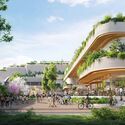
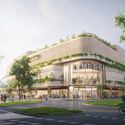
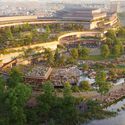
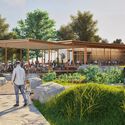
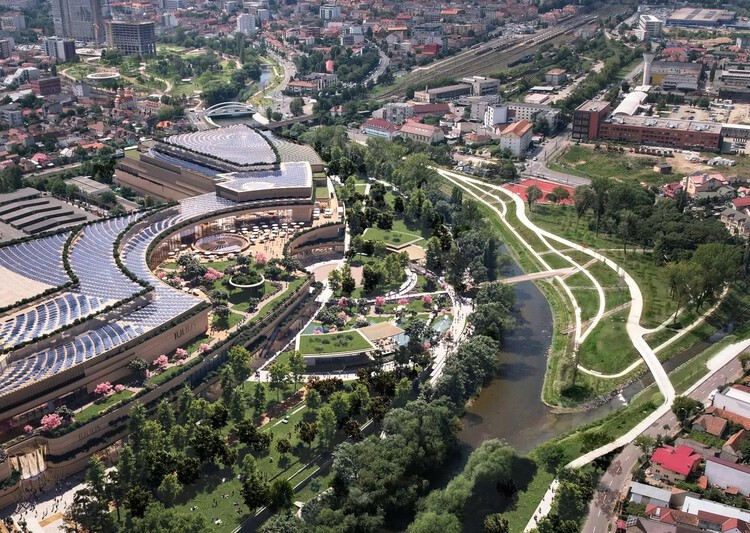
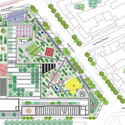
A former industrial site along the Someș River in Cluj-Napoca, Romania, is being transformed into a large-scale mixed-use district that reconnects the city with its waterfront. Designed by UNStudio in collaboration with Felixx Landscape Architects and Planners for developers IULIUS and Atterbury Europe, the RIVUS project combines urban regeneration, adaptive reuse, landscape design, and new public infrastructure within a single framework. Developed through a public participation process involving local residents, the proposal will transform the former Carbochim industrial platform into a river-oriented district organized around public space, mobility, and everyday urban activity.
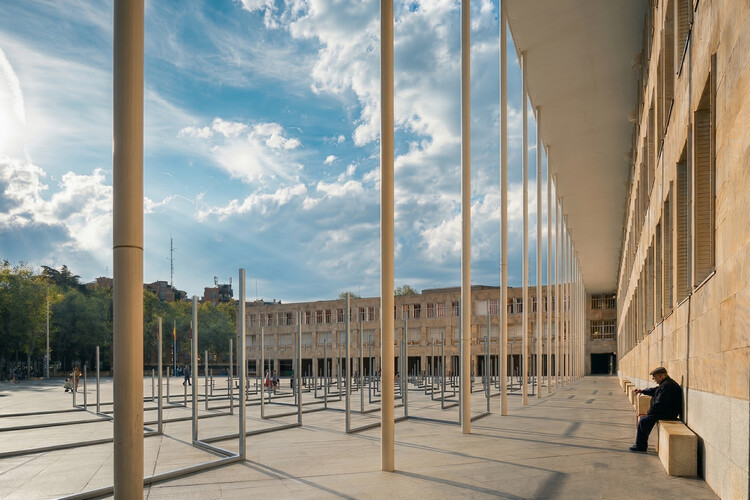
Concéntrico Festival 2026 will take place in Logroño, Spain, from June 18 to 23, transforming the city into a large-scale laboratory for architecture, design, and urban experimentation. Over six days, more than twenty interventions will be distributed across squares, vacant plots, streets, bridges, and emblematic spaces throughout the city, bringing together leading studios, researchers, and creators from the international scene, including Chilean architect Smiljan Radić, the raumlabor collective, Matilde Cassani, AAU Anastas, and Sahra Hersi, among others. This edition introduces a shift towards more collective, festive, and performative practices in public space, with a strong emphasis on sonic experiences and projects linked to accessibility, inclusion, and urban transformation. The programme is structured around three thematic axes: Identity and Fiction, Urban Ecologies, and Ephemeral Agents, ranging from architectures that understand public space as ritual or celebration to experimental approaches exploring materials, sound, and processes of reuse.
This week, we revisited the ideas currently shaping the design of 21st-century cities, with a view toward a longer timeframe than that which characterised modern design. These examples of today's urban design point toward the cities of tomorrow, seeking to reflect collective memory and social identity while addressing the climate challenges we face today. From a new museum in Panama drawing on Latin American architectural tradition to an inflatable installation on Paris's oldest bridge over the Seine, built and not-yet-built projects rescue architecture as a repository of collective memory, while others explore its transformative potential through the lens of contemporary well-being. In this weekly news compilation, we present ongoing projects from Panama, numerous African countries, France, Canada, Italy, Australia, and the United States.
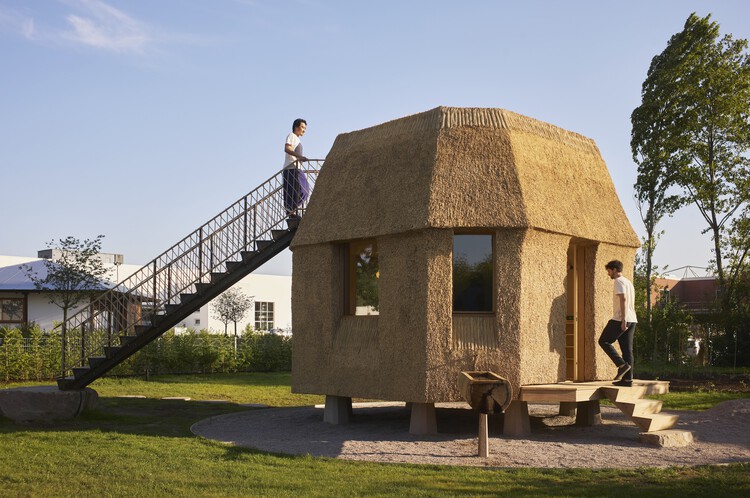
Tsuyoshi Tane is a Japanese architect born in 1979 in Tokyo and based in Paris, where he founded ATTA – Atelier Tsuyoshi Tane Architects in 2006. Working across cultural, institutional, and landscape-related projects, Tane has developed an architectural approach that positions memory as a fundamental design driver. In his interview with Louisiana Channel, filmed in his Paris studio, Tane reflects on architecture as a discipline of observation and thought, arguing that meaningful design emerges from carefully reading the traces embedded within a site. For him, architecture is not produced on a blank slate but begins with an inquiry into what already exists, physically, culturally, and emotionally, beneath the surface of a place.
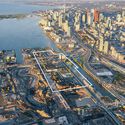
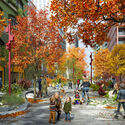
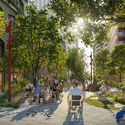
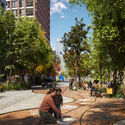
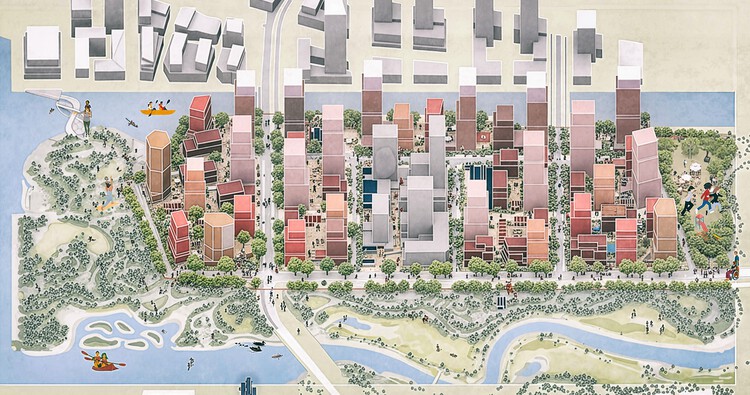
Landscape and urban design studio SLA has unveiled the design for the public realm and streetscapes of Toronto's new 39.8-hectare waterfront community. The urban landscape project "Ookwemin Minising" is located in the Port Lands, an industrial and recreational district southeast of downtown Toronto, currently undergoing urban revitalization to transform the area from a former industrial zone into a naturalized river valley, mixed-use neighbourhoods, and public parkland. The overall transformation is being led by Waterfront Toronto, a publicly funded, not-for-profit corporation established in 2001 to oversee the regeneration of the area, as part of a broader government initiative to renaturalize urban areas and increase housing density. The redevelopment of Ookwemin Minising is expected to be completed in phases between 2031 and 2040.
Stefano Boeri Architetti, Depositi Delle Vittorie Render. Image Courtesy of Stefano Boeri Architetti
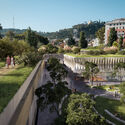
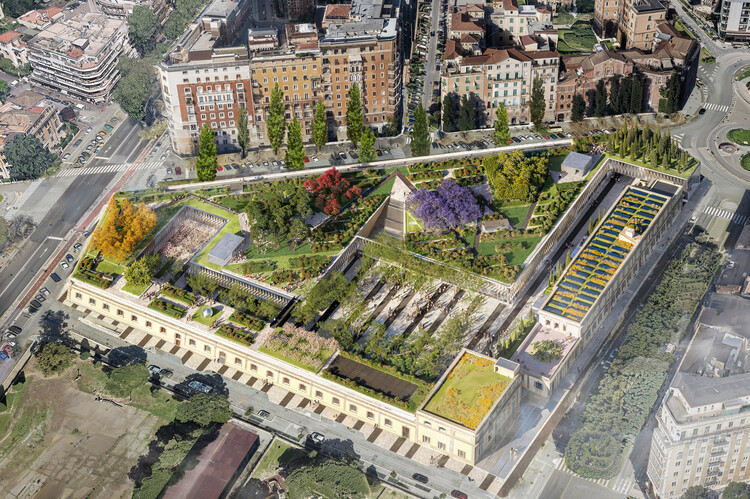
The Rome City Council has approved a Memorandum for the urban regeneration of the Depositi delle Vittorie in Piazza Bainsizza, a former ATAC depot in Rome dating back to the early 1900s. Abandoned for nearly two decades and now privately owned, the site is set to be transformed into a multifunctional complex designed by Stefano Boeri Architetti. The project envisions the adaptive reuse of the former transportation infrastructure through the introduction of cultural, educational, commercial, co-working, and leisure functions, alongside new public spaces and extensive landscaped areas.
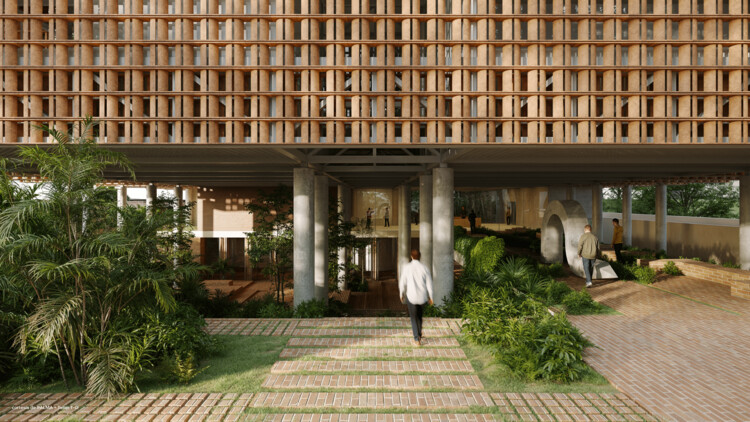
Following an international design competition launched in January 2026, the Museum of Contemporary Art of Panama (MAC Panamá) announced the selection of Mexican architects Palma + Taller TO to design its new building. The museum is described as "a new cultural infrastructure open to the city, conceived from the identity, climate, and landscape of Panama." The future museum headquarters will be located in the corregimiento of San Francisco, to consolidate the area as a hub of cultural activity. The selection criteria involved the relationship between the museum and the city, prioritizing proposals with integrated elements for community engagement and framing the building as a cultural infrastructure, enriching the contemporary urban environment of Panama City.
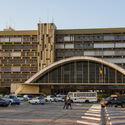
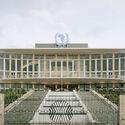
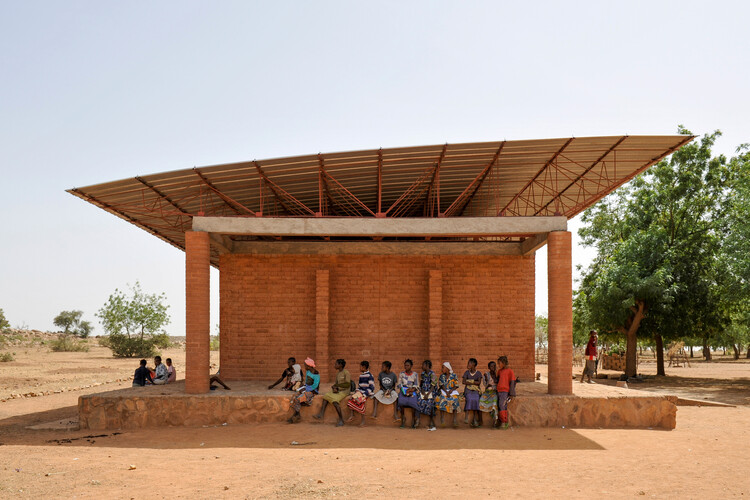
Observed annually on May 25, Africa Day commemorates the founding of the Organization of African Unity in 1963, now the African Union. Established during a period marked by independence movements across the continent, the day recognizes not only political solidarity but also the cultural, social, and intellectual histories that continue to shape African societies today. Within architecture and urbanism, these histories are reflected in evolving conversations around nation-building, heritagepreservation, climate-responsive design, material innovation, and community-centered practice.
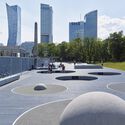
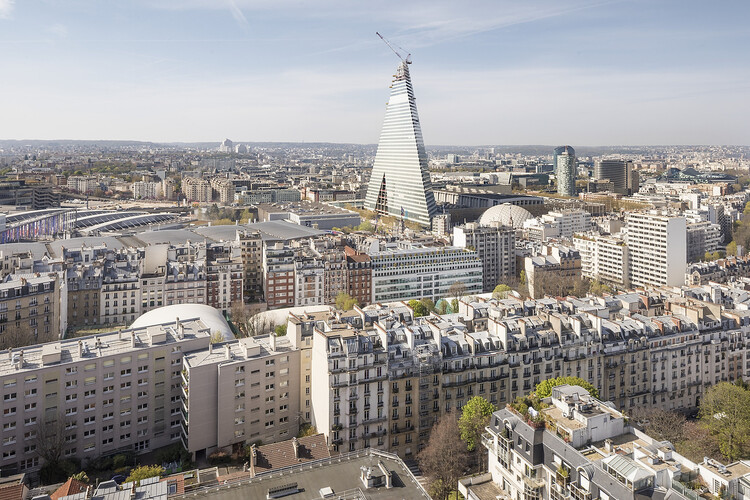
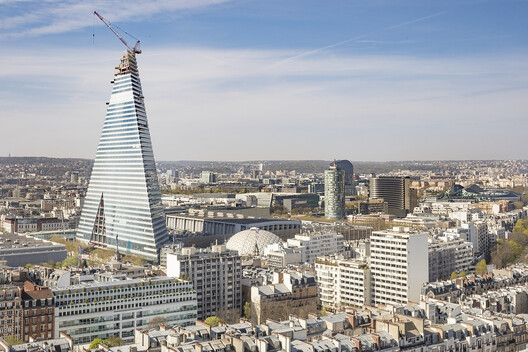
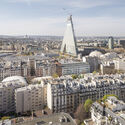
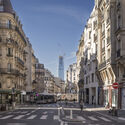
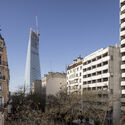
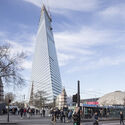
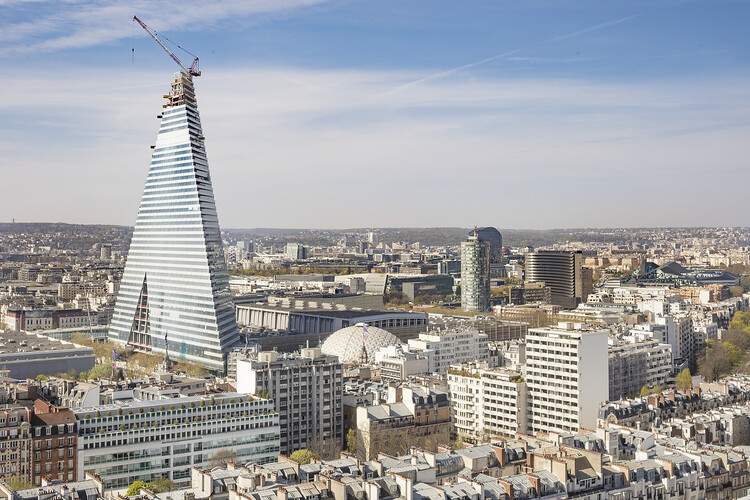
Twenty years after its ideation, Herzog & de Meuron's controversial Tour Triangle in Paris is reaching completion. The triangular, all-glass tower located in the city's 15th arrondissement topped out at 42 stories on April 24, 2026. The project's progress was marked by opposition, financial roadblocks, and legal disputes before construction began in 2022. The 180-meter tower is now the third-tallest building within Paris city limits, behind the 330-meter-tall Eiffel Tower, the 231-meter-tall The Link in La Défense, and the 210-meter-tall Tour Montparnasse. The building will retain this title indefinitely due to a skyscraper ban reinstated in 2023 by Mayor Anne Hidalgo, following persistent opposition to tall buildings in the city. The recent progress was documented by photographer Stefano Candito, ranging from an urban view of the building to a close-up look at its nearly completed structure.
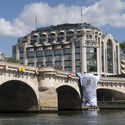
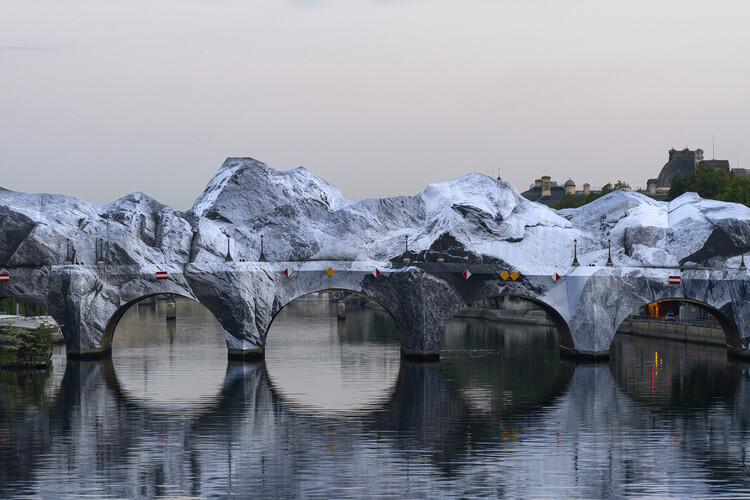
On May 21st, a realistic cave took shape on Paris' Pont Neuf, the oldest standing bridge across the Seine. The inflatable artwork was designed and built by French photographer and street artist JR, along with an extensive multidisciplinary team. La Caverne du Pont Neuf was conceived in honor of Christo and Jeanne-Claude's 1985 work The Pont Neuf Wrapped, an environmental artwork in which the artists wrapped the historic bridge in sandstone-colored fabric for two weeks. The structure creates a trompe-l'œil effect that mimics a textured rock formation through photographic printing in tones of white, black, and gray. The shape of the exterior already gives the public the optical illusion of the artwork, while paving the way for the final stage of the interior design.
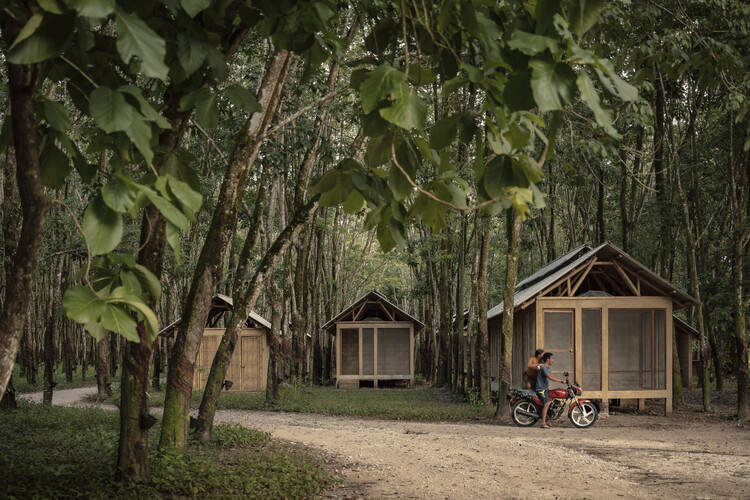
Parque Prado, Colombia, by Connatural Arquitectura en el Paisaje, Category 5 Winner of the UIA 2030 Award. Image Courtesy of International Union of Architects (UIA)
This week's stories reveal a growing focus on reconnecting design with physical reality, whether through construction, landscape, public space, or collective participation. From the curatorial direction of the upcoming Venice Architecture Biennale 2027 to internationally recognized projects addressing flood resilience, affordable housing, and ecological restoration, many of the week's discussions challenged architecture's increasing detachment from material, environmental, and social conditions. At the same time, major cultural interventions, temporary structures, and public forums explored how institutions and civic spaces can become more accessible, adaptable, and engaged with everyday urban life.
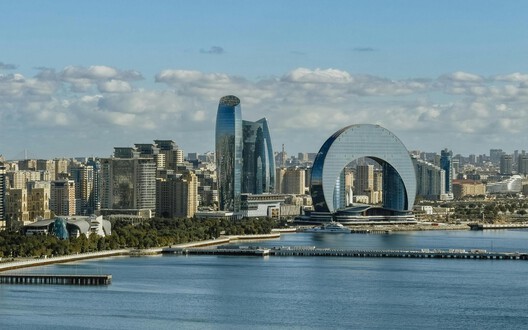
Global Design Forum Istanbul concluded its inaugural edition between May 13 and 16, 2026, bringing together architects, designers, urbanists, and cultural practitioners through a city-wide programme of installations, talks, screenings, and public events. Presented by London Design Festival in collaboration with People Places Ideas, the forum was developed and curated by Artistic Director Melek Zeynep Bulut and Forum Content Advisor Beatrice Galilee. Organized around the theme "Worlds in Contact," the programme featured contributions from figures including Lina Ghotmeh, Marina Tabassum, Liam Young, Tom Dixon, Lesley Lokko, Ma Yansong, Andrew Waugh, and Olaf Grawer, positioning Istanbul as a platform for interdisciplinary discussions on design and the built environment.
On UNESCO's International Day of Light, celebrated annually on May 16, the Daylight Award announced its 2026 laureates. Established to support research into the scientific understanding of daylight and its significance for health, well-being, ecosystems, and architectural design, the award recognizes achievements in two categories: Daylight in Architecture and Daylight Research. This year, Japanese architects Momoyo Kaijima and Yoshiharu Tsukamoto of Atelier Bow-Wow were honored for demonstrating how daylight can shape shared spaces and everyday life, while marine biologists Brittany N. Zepernick, Steven W. Wilhelm, and R. Michael McKay of the United States and Canada were recognized for their research on aquatic microorganisms and their implications for planetary health and biodiversity.
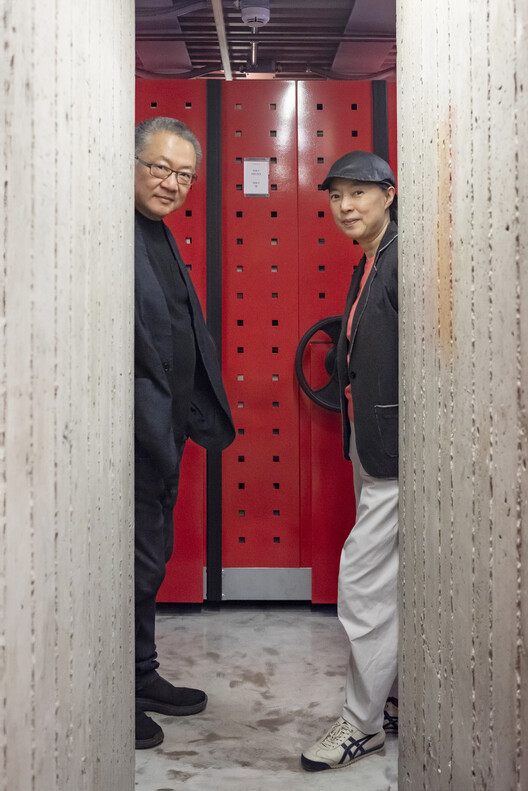
The curatorial direction reflects many of the ideas developed through the work of Amateur Architecture Studio, founded by Wang Shu and Lu Wenyu in 1997. Their projects have consistently explored the reuse of salvaged materials, regional construction techniques, and the continuity between historic and contemporary forms of building. Across both urban and rural contexts, the studio's work often emphasizes craft traditions, collective memory, and the spatial qualities embedded within everyday environments.
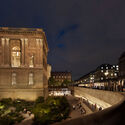
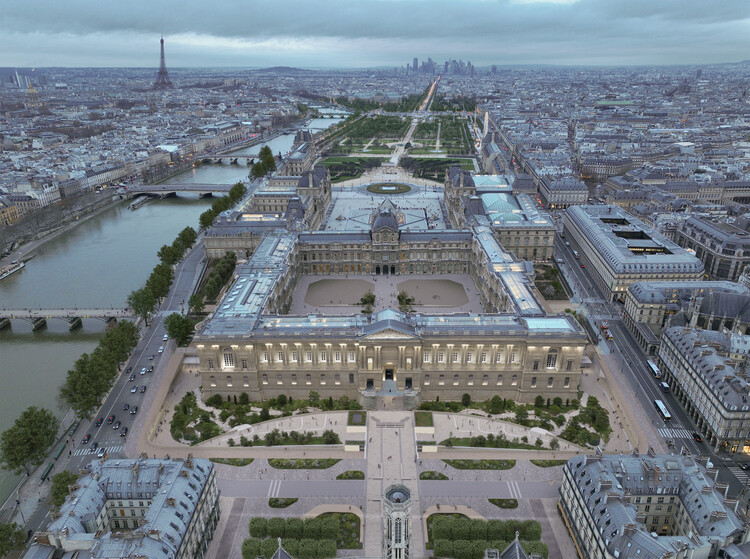
The French Minister of Culture announced on Monday, May 18, 2026, the winner of the "Louvre–Nouvelle Renaissance" competition. The team selected to transform the world-renowned Musée du Louvre is led by STUDIOS Architecture, New York-based Selldorf Architects, and landscape architecture firm BASE Paysagiste. The renovation initiative was announced in January 2025 as a major intervention for the historic complex following concerns expressed by the museum's director regarding its deteriorating condition. The first round of the competition took place in June, with a shortlist of five teams revealed in October. According to French authorities, the project has a dual objective: to repair and transform the building to preserve its collections while updating it to meet contemporary public expectations, including sustainability requirements that will pose significant challenges for the museum in the coming decades.
Mexican architecture practice LANZA atelier has unveiled new details for the 2026 Serpentine Pavilion, titled "a serpentine," which will open to the public on 6 June 2026 at Serpentine South. Designed by studio founders Isabel Abascal and Alessandro Arienzo, the project reinterprets the historic serpentine or crinkle-crankle wall through a lightweight brick structure integrated into the landscape of Hyde Park. Marking the 25th edition of the annual commission, the pavilion will remain on view through October 2026 and serve as a venue for Serpentine's public programme of performances, talks, screenings, and community events.