
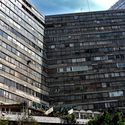
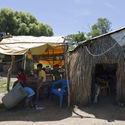
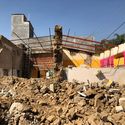
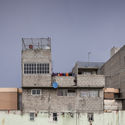

In Latin America, the concept of emergency architecture refers to spaces that serve as temporary shelter in the face of adverse circumstances, such as earthquakes, floods, and migration. Various countries, including Mexico, Chile, Colombia, Ecuador, Uruguay, and Panama, have faced events that required redefining emergency housing according to each nation's specific needs.
Yet, as with every crisis, the response of both government and the architectural profession to these adversities exposes the harsh reality of social housing. The truth of emergency housing in Latin American countries is that the fortunate live in temporary camps for a year or two, while the less fortunate are born and die in uninhabitable "emergency" spaces, searching for a future that never arrives.


