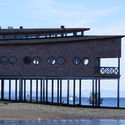
Chile's history can be read through its towns. Blending the architectural and building traditions of its indigenous peoples with the influence of European immigrants, these small localities reveal how their inhabitants have occupied and appropriated the territory according to their needs, customs, and specific contexts.
With a landscape that changes drastically from north to south, certain patterns emerge, shaped by climate and geography. From the use of adobe and stone in desert regions to meticulous craftsmanship with native woods in the south, along with the rich colonial architecture of the central valleys, these 24 examples offer significant lessons that every architect should study closely. Read on to discover them below.