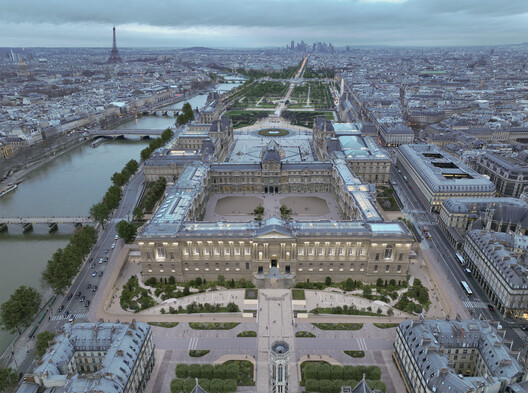
The French Minister of Culture announced on Monday, May 18, 2026, the winner of the "Louvre–Nouvelle Renaissance" competition. The team selected to transform the world-renowned Musée du Louvre is led by STUDIOS Architecture, New York-based Selldorf Architects, and landscape architecture firm BASE Paysagiste. The renovation initiative was announced in January 2025 as a major intervention for the historic complex following concerns expressed by the museum's director regarding its deteriorating condition. The first round of the competition took place in June, with a shortlist of five teams revealed in October. According to French authorities, the project has a dual objective: to repair and transform the building to preserve its collections while updating it to meet contemporary public expectations, including sustainability requirements that will pose significant challenges for the museum in the coming decades.
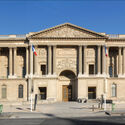
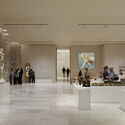
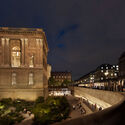
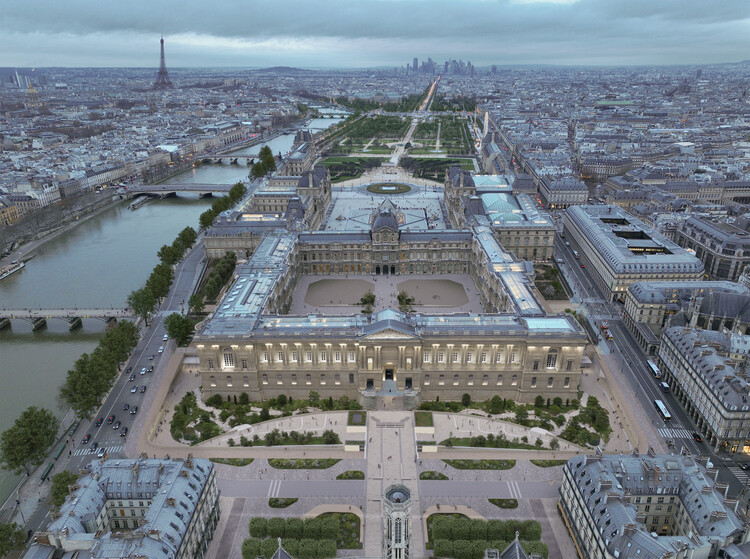
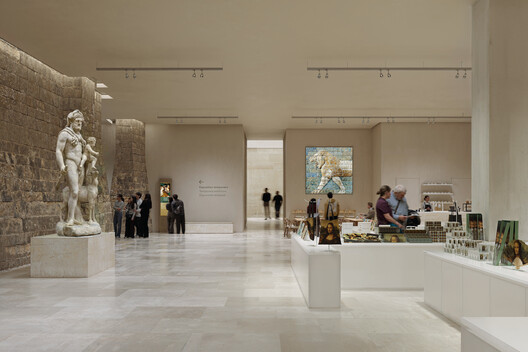
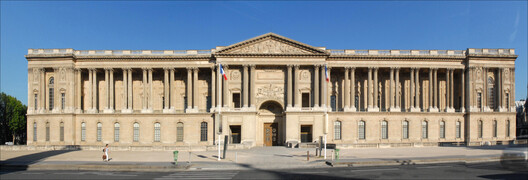
The proposal by STUDIOS Architecture, Selldorf Architects, and BASE Paysagiste responds to the competition brief focused on enhancing the Louvre Colonnade, the eastern façade of the palace. The "Grande Colonnade" competition called for reconnecting the heritage site with the city, improving accessibility through new entrances and circulation routes, and redeveloping the surrounding urban areas with the aim of improving both visitor experience and staff working conditions. Other important objectives included enhancing the historic value of the entrance, introducing a new vegetated composition for the esplanade, creating a dedicated space for the Mona Lisa, designing a modular temporary exhibition space with high technical standards, and integrating new relaxation areas and visitor services.
The other shortlisted teams included Diller Scofidio + Renfro with Architecturestudio, Atelier Brückner, LAMAYA, and TER; Amanda Levete Architects with NC Nathalie Crinière, Carole Benaiteau, VDLA, and Atelier SOIL; Dubuisson Architecture with SANAA and Dan Pearson Studio; and Sou Fujimoto Architects with Ducks Scéno and Vogt. The jury confirmed its selection by highlighting the high quality of the architectural proposal, its integration within the heritage, urban, and landscape context, and its response to the objective of creating "a welcoming environment for visitors, clear circulation paths, simplicity, and greenery, while appropriately addressing safety concerns." This final point gained particular relevance following the widely discussed theft of eight pieces from the French Crown Jewels collection in the museum's Galerie d'Apollon on October 19, 2025.
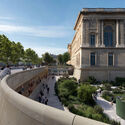
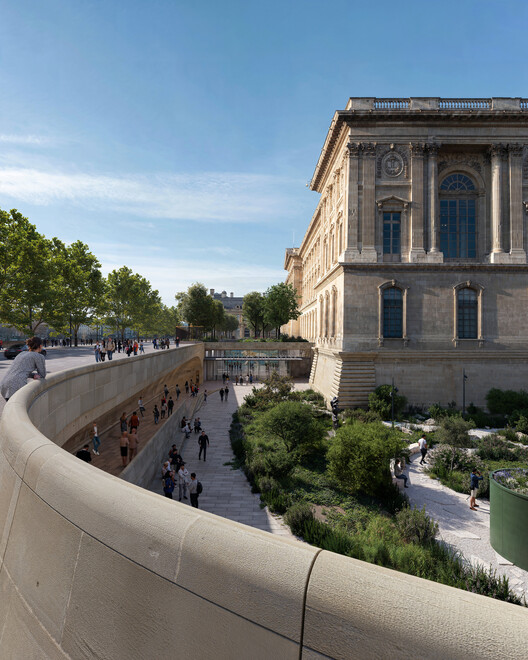
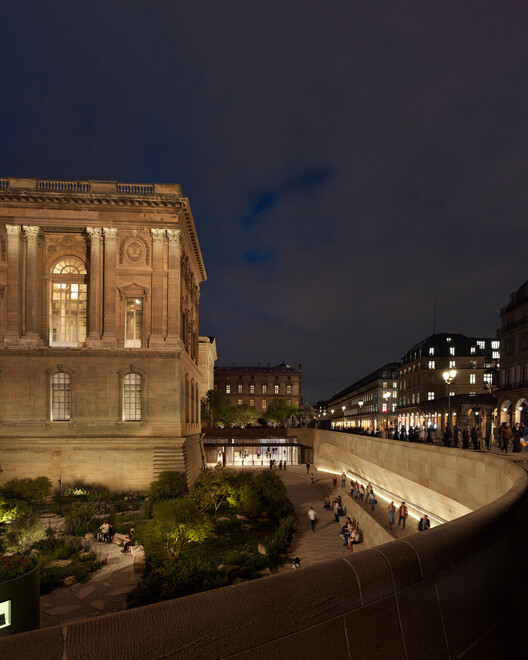
The selected proposal introduces a new urban, architectural, and landscape vision for the Colonnade, reconfiguring the relationship between the city, the palace, and the museum. The design establishes a strong symmetry along the east-west axis to improve clarity of circulation and guide the overall composition. Visitor arrival is organized through a renewed public space extending from Église Saint-Germain-l'Auxerrois to the Louvre esplanade and toward "a legible entry point" positioned opposite the Colonnade. The project also restores the historic visual axis connecting the Grande Arche de la Défense to the Cour Carrée and the Pyramid through the Arc de Triomphe du Carrousel and the Arc de Triomphe, while introducing an open gallery for viewing the façade. Two symmetrical ramps descend toward the moats along gently sloped pathways partially sheltered by the counterscarp wall. Climatic comfort is addressed through a balance of mineral and planted surfaces, while new dining and bookstore spaces are integrated beneath the ramps and within the wall recesses, remaining accessible from the moat level. Two new underground museum entrances are positioned on either side of the moats, along the Seine side and the Rue de Rivoli, connecting directly to the new exhibition spaces and the Mona Lisa route.
The next phase of the project will involve consultations between the Louvre and the selected team in the coming months in order to refine the proposal. The consultation process will include museum staff, stakeholders such as the City of Paris, state services responsible for heritage and security, and eventually the public. Other recent developments in France include community mobilization efforts to protect Îlot 8, the brutalist housing complex in Saint-Denis designed by Renée Gailhoustet in 1975 and currently subject to partial demolition. In Paris's 19th arrondissement, Parc de la Villette, originally masterplanned by Bernard Tschumi in 1982, is undergoing a major transformation combining a newly opened urban farm with biodiversity restoration as part of a climate adaptation strategy. Meanwhile, the Centre Pompidou, currently closed for renovation works, has announced the opening of a new branch in collaboration with the Hanwha Foundation of Culture in Seoul.


