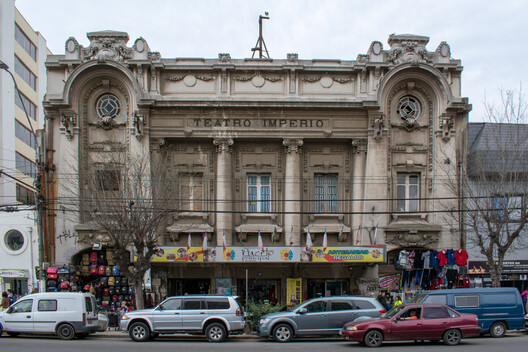
Between 2005 and 2021, French photographers Yves Marchand and Romain Meffre developed a long-term project titled Theaters. Recently exhibited at KYOTOGRAPHIE 2026, the work documents a phenomenon that continues to unfold gradually around the world: the decline of infrastructure originally designed for public entertainment in the early twentieth century. Theaters, cinemas, and performance venues that once accompanied the modernization of cities are increasingly being abandoned, repurposed, or "left suspended as hybrid ruins." This process is often associated with the growing individualization of cultural consumption, from the widespread adoption of television to the rise of the streaming industry, as well as the impact of the COVID-19 pandemic on cultural institutions. Below are three cases located in England, Chile, and Japan that illustrate different stages in this transformation, while also highlighting community-led efforts to preserve modern cultural heritage.


Oxford's Ultimate Picture Palace Seeks Long-Term Lease for Renovation Plans
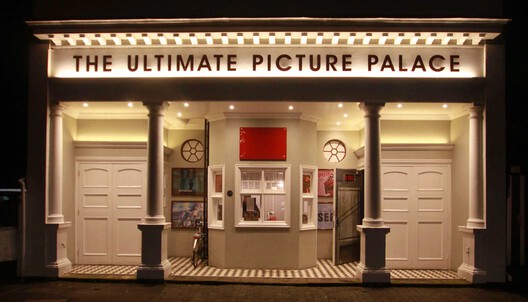
The Ultimate Picture Palace, described as Oxford's oldest independent cinema, was founded in 1911 and continues to screen independent, international, and classic films in a 106-seat single-screen auditorium. The institution is currently campaigning for its landlord, Oriel College, to grant a long-term lease that would allow the cinema to secure funding and undertake essential renovations to the building. After decades of instability, the UPP became community-owned in 2022 following a campaign in which approximately 1,200 supporters contributed funds to keep the cinema operating in its historic Grade II-listed building. According to a report by The Guardian, a younger audience has recently contributed to increased ticket sales despite the broader post-pandemic decline in cinema attendance across England. However, this growth has not been sufficient to offset rising operating costs. Oriel College's reluctance to extend the lease has been linked to the possibility of future real estate development, as the college owns surrounding properties and has expressed intentions to expand its educational facilities. A campaign and petition to preserve the Ultimate Picture Palace building is currently underway and has gathered more than 22,000 signatures.
Related Article
Following Oscar Niemeyer's Legacy: The Story Behind the Araras State Theater in BrazilValparaíso's Teatro Odeon Closes After Community-Led Restoration Efforts
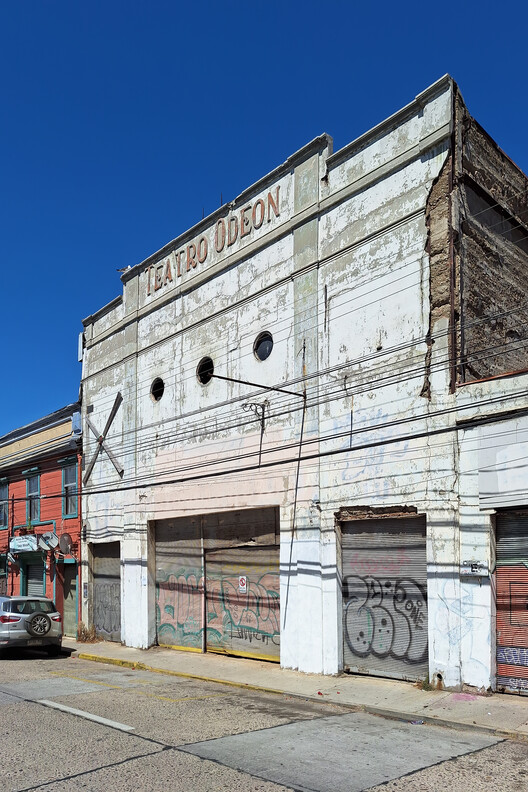
Real estate pressure also contributed to the closure of one of the last surviving twentieth-century theaters in Valparaíso. The Teatro Odeon, inaugurated in 1917, had fallen into disrepair before being taken over by a community organization and held its final event on April 30, 2026. The rehabilitation process began in 2016, although it was not until 2021 that residents leased the theater in an effort to save it after 47 years of neglect, committing to self-management and community participation. The organization created for this purpose focused on reactivating cultural activities at the site to gradually finance restoration works. In 2025, the initiative received support from local authorities, who announced they were evaluating the possible purchase of the property as part of a future restoration strategy.
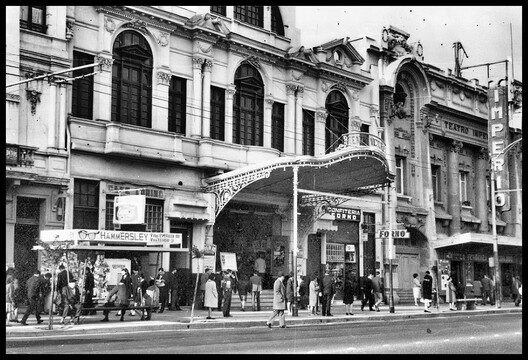
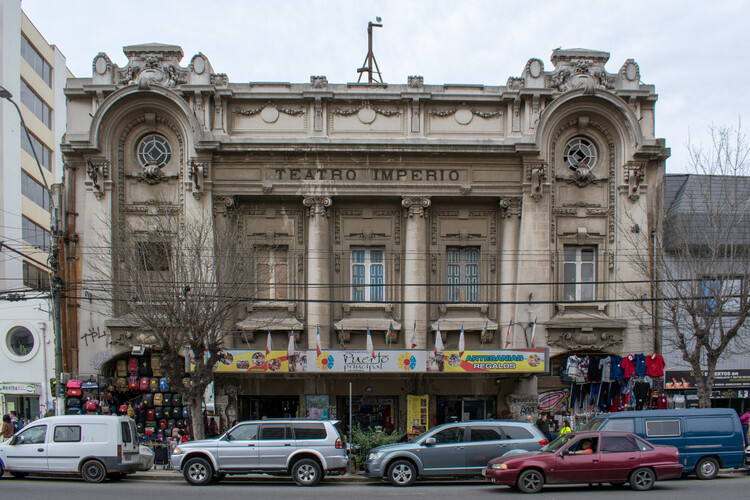
Privately owned, the building represents one of the last remaining traces of the vibrant cultural life that characterized Valparaíso during the twentieth century, when the city functioned as Chile's principal port. While the case demonstrates the potential of community organization, the loss of the cultural space following the property's resale for real estate development also reveals the lack of institutional tools available for preserving and restoring cultural heritage. The Odeon Theater joins a long list of entertainment venues built during the early 1900s that have since been demolished, abandoned, or converted into commercial spaces, including the Teatro Imperio, now used as an open-air market, and the former Metro cinema, later acquired by Cine Hoyts and currently occupied by a Chinese shopping center in central Valparaíso, only a few blocks from the National Congress of Chile.
Osaka Shochikuza Theatre Reviews Closure Plans Following Preservation Discussions
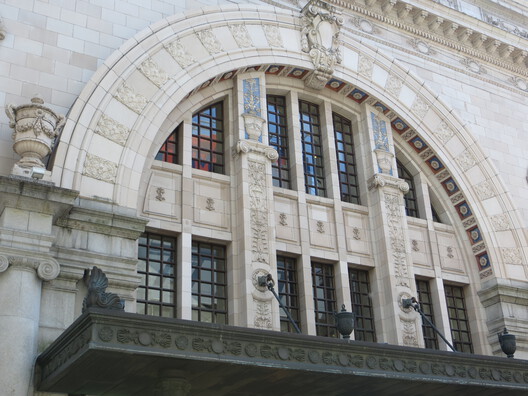
In September 2025, the historic Osaka Shochikuza Theatre announced it would close its premises indefinitely after May 2026 due to the deterioration of the building. The institution organized a two-month farewell season featuring kabuki classics and tribute performances before the owning company, Shochiku Co., suggested a possible reversal of the decision in response to public pressure. However, preserving the institution does not necessarily imply preserving the existing building itself, originally constructed as a cinema in 1923 and later transformed into a live performance venue following a major renovation in 1997. Commonly nicknamed "Dotonbori's Arc de Triomphe," the theater remains a landmark within one of Osaka's principal tourist and nightlife districts. Speculation surrounding the building's future has included the possibility of reconstruction, although no timeline or specific plans have been confirmed. Japanese media have described the current uncertainty as "a minor obstacle for a theatre that has survived for more than a hundred years."
Beyond this specific building typology, these three examples illustrate broader questions regarding the tools, ownership structures, and policies currently available for maintaining sites and services of collective cultural interest, particularly when their value cannot be measured primarily through profitability. Other recent community-led heritage preservation initiatives include organized opposition to the partial demolition of Îlot 8, the brutalist housing complex in Saint-Denis designed in the 1970s by French architect Renée Gailhoustet. Southbank Centre in London recently received heritage protection after a 35-year campaign, while the city's Battersea Power Station, the former coal-fired power station featured on the cover of Animals by Pink Floyd, announced Studio Egret West as the lead for future renovation phases. Other landmark buildings, such as Casa Batlló by Antoni Gaudí and Fallingwater by Frank Lloyd Wright, have also recently reopened following extensive restoration works.


