This week's selection of architecture news and projects invites a rethinking of the social, cultural, and environmental role of design across diverse scales and geographies. From community-led efforts to preserve modern heritage, such as the campaigns surrounding the Îlot 8 housing complex in France and a renewed photographic attention toward Croatia's Split 3 district, to broader reflections on architecture's agency in the face of climate change and social transformation, many of the featured works question how architecture adapts over time and how it engages with collective life. This week's compilation also highlights architects expanding their practice beyond buildings through furniture, lighting, and object design, while three projects explore immersive relationships between landscape, climate, and observation in remote or environmentally sensitive contexts, from Arctic Norway to the oasis environments of the United Arab Emirates and the desert landscapes of Saudi Arabia.

Beyond Beauty: Projects and Reflections Examining the Role of Architecture
During an interview for Louisiana Channel, Chinese architect and DnA founder Xu Tiantian shared ideas on how, in a context of climate change and growing inequality, architecture must evolve into a practice concerned less with what can be created and more with what architecture can do. This week, we have seen projects that reflect this approach by incorporating new perspectives on time, sustainability, and the value of architecture itself. In the Netherlands, local practice ORGA designed a carbon-negative, biobased housing prototype aimed at developing scalable housing solutions that minimize CO₂ emissions and reduce reliance on fossil resources. In France, professional and community associations have organized to preserve the modern heritage of the Îlot 8 housing complex in Saint-Denis, designed in 1975 by Renée Gailhoustet. New ideas on architecture are also expected to be shared in Mexico City on Tuesday, May 12, during Smiljan Radić's Pritzker Prize Laureate Lecture.
Related Article
"Beauty in Itself Is Dangerous:" Xu Tiantian on Moving Beyond Starchitecture in Louisiana Channel InterviewRenovation and Contemporary Design on Every Scale
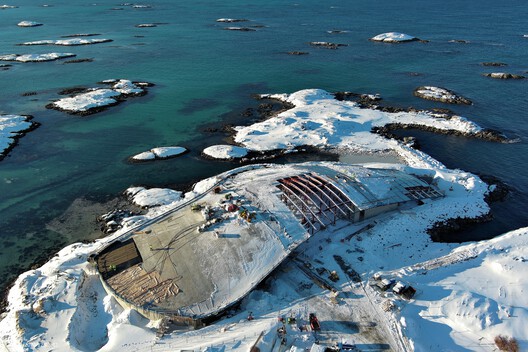
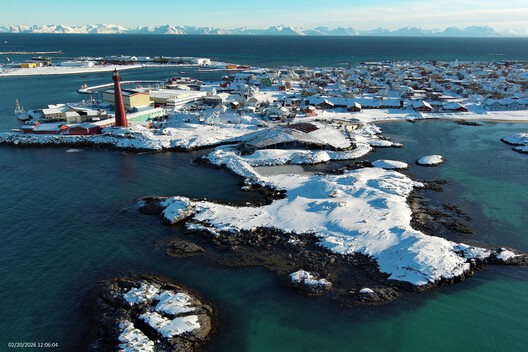
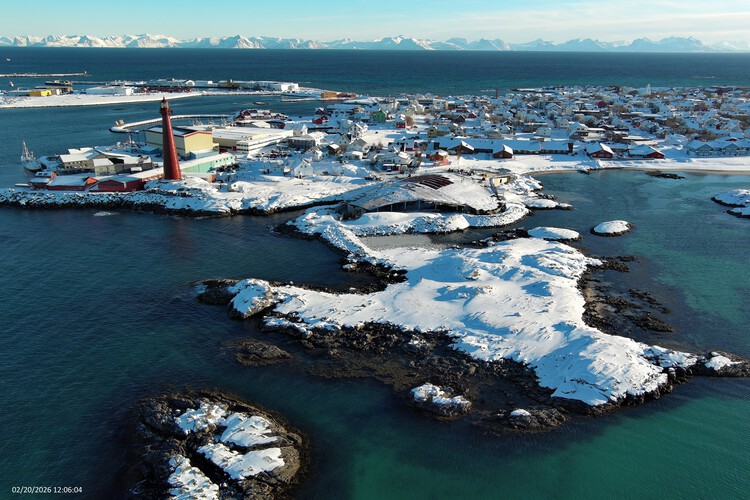
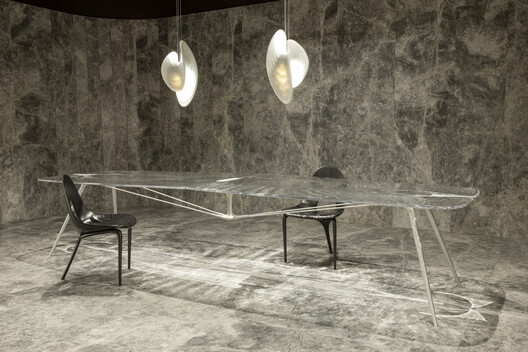
The new projects announced this week include examples of densification, adaptive reuse, cultural infrastructure, and architect-designed objects. In Taiwan, Henning Larsen, in collaboration with KHL Architects & Planners, Arup, and Flaviano Capriotti Architetti, designed a 14-story residential building adjacent to Daan Forest Park. On the island of Andøya in northern Norway, The Whale by Dorte Mandrup, an Arctic observation building containing exhibition spaces, offices, a café, a retail area, outdoor paths, and viewing points, is starting to take shape. In Sweden, Cobe and IKEA announced the adaptive reuse of one of the company's unused warehouses, which will be transformed into the new physical location of the Museum of Furniture Studies. Finally, among the numerous product launches presented this year during Milan Design Week 2026, the ArchDaily team curated a selection of architect-designed lighting, objects, and furniture pieces that operate as extensions of broader design research.
On the Radar
Photographer Piotr Bednarski Documents the Evolving Modernist Legacy of Split 3 Housing District in Croatia
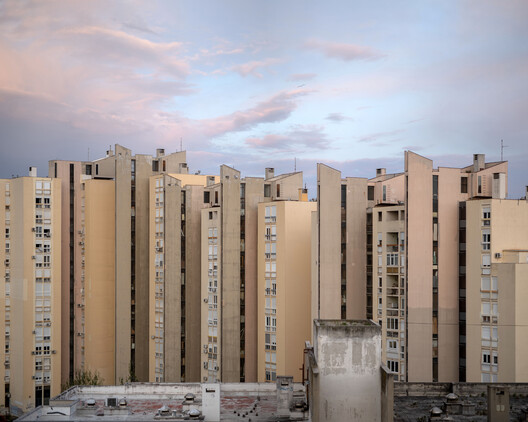
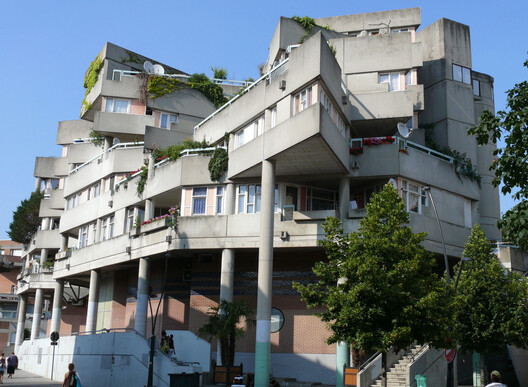
Between 2023 and 2025, photographer Piotr Bednarski documented Split 3, a modernist housing district in Split conceived between 1968 and 1982 as part of the ambitious Split Development Model. Designed by the Mušič-Bežan team following a 1968 competition, the 341-hectare master plan envisioned a self-sufficient urban organism accommodating approximately 50,000 inhabitants across seven local communities and 14,000 dwellings, complemented by schools, kindergartens, commercial areas, sports facilities, university buildings, hotels, and public infrastructure. Emerging from the social ambitions of modernist urban planning, Split 3 positioned architecture as a tool for shaping collective life and urban equity. Bednarski's photographic study examines how the district's original spatial logic has evolved through climate, vegetation, and everyday use. The project reflects on the endurance and adaptability of the design, tracing the ways in which its modernist framework has changed decades after its construction.
Aedas Designs Al Ain Oasis Hub Landscape Project Adjacent to UNESCO-Protected Oasis
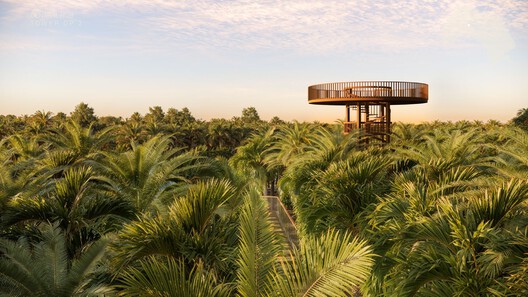
Located at the edge of the UNESCO-protected Al Ain Oasis, the Al Ain Oasis Hub by Aedas redesigns the boundary between the historic palm groves and the contemporary city as an immersive "civic landscape." Rather than emphasizing a singular architectural object, the project unfolds through a sequence of shaded courtyards, pathways, and sensory experiences structured around reinterpretations of the traditional falaj irrigation system. Water is deployed as both a climatic and spatial element through reflective pools, flowing channels, and misted edges, enhancing thermal comfort and guiding movement across the site. Organized around three primary courtyards responsive to existing palm rhythms and microclimatic conditions, the masterplan also incorporates food and beverage outlets, retail kiosks, and seating areas within the East Gate zone, maintaining low building heights to preserve uninterrupted views of the oasis canopy.
Studio Symbiosis Designs Eternal Horizon Sculpture Roundabout in Al Qatif, Saudi Arabia
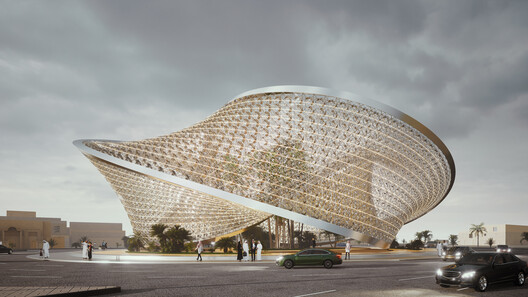
Conceived by Studio Symbiosis as a sculptural roundabout in Al Qatif, Eternal Horizon reinterprets Saudi Arabia's cultural heritage through a contemporary parametric form inspired by the Möbius band. Currently in schematic design and spanning a 2,912-square-meter site, the project adopts a continuous looping geometry symbolizing infinity, continuity, and transformation, while referencing the undulating desert landscape and the notion of an endless horizon. A reflective metallic surface mirrors its surroundings, visually dissolving the boundary between object and environment. Integrated wind turbines generate renewable energy to power embedded LED lighting, transforming the sculpture from day to night. Arabic calligraphy derived from classical poetry and spiritual texts traces the underside of the loop, reinforcing themes of unity, eternity, and cultural continuity. Eternal Horizon was designed as an immersive spatial landmark to reflect Saudi Arabia's architectural identity.
This article is part of our new This Week in Architecture series, bringing together featured articles this week and emerging stories shaping the conversation right now. Explore more architecture news, projects, and insights on ArchDaily.


