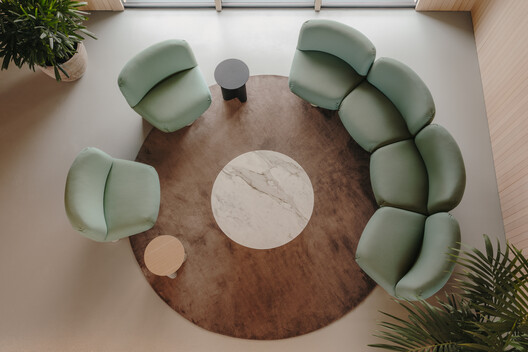
When walking into a large living space, a hotel lobby, or an open-plan workplace, the first thing that can be noticed is not what divides the space, but what holds it together. There are rarely clear boundaries, no obvious rooms, no strict partitions, yet the space still feels organized. Some areas invite a pause; others dictate movement; others foster community. The transitions are subtle, but legible.
At the same time, these interiors are expected to do more. They must accommodate constant change, withstand intensive use, and respond to environmental pressures by reducing waste, extending lifespans, and avoiding frequent replacement. The question is not only how a space looks, but how it performs over time. What is actually doing the heavy lifting?
The Role of Furniture in Defining Open Spaces
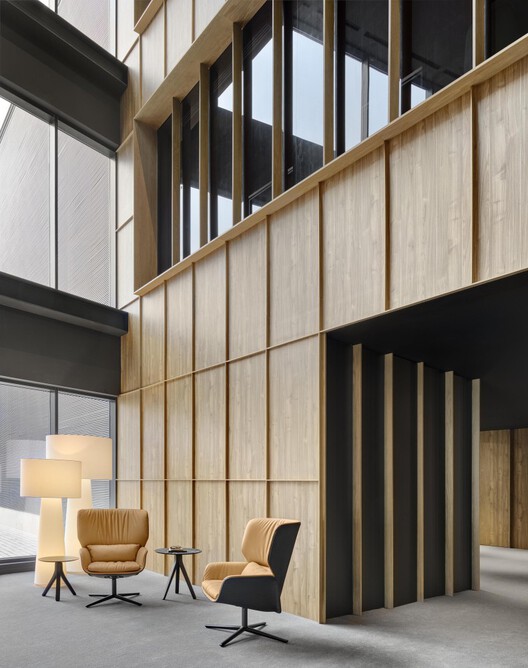
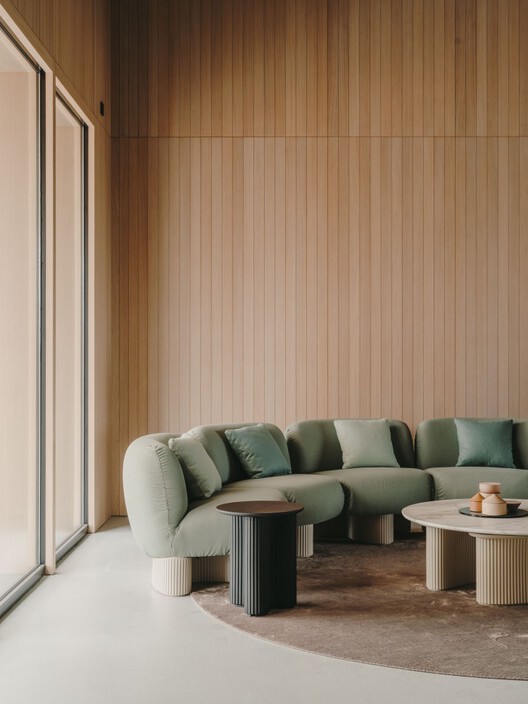
In many cases, it comes down to placement of objects, of color, of material. Seating, in particular, has taken on a more active role in shaping these interiors, beginning to carry part of the design narrative. Arranged in clusters, lines, or organic curves, furniture structures space from within, creating "neighborhoods" without fully enclosing them.
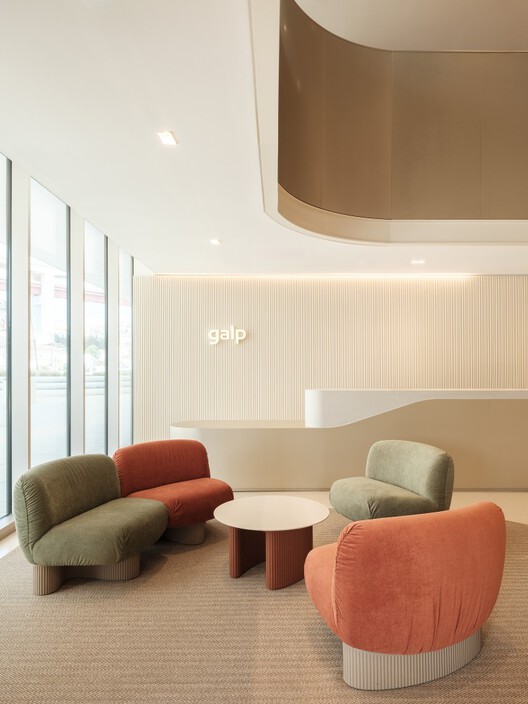
This shift places a heavy burden on material choice. Apart from functionality or durability, it should contribute to spatial logic while engaging with circularity and longevity. Material and color become key tools in this process, shaping how space is perceived, structured, and used over time.
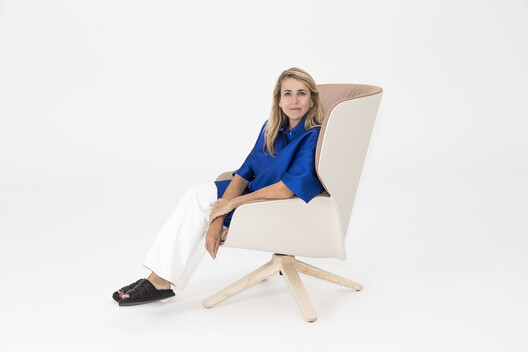
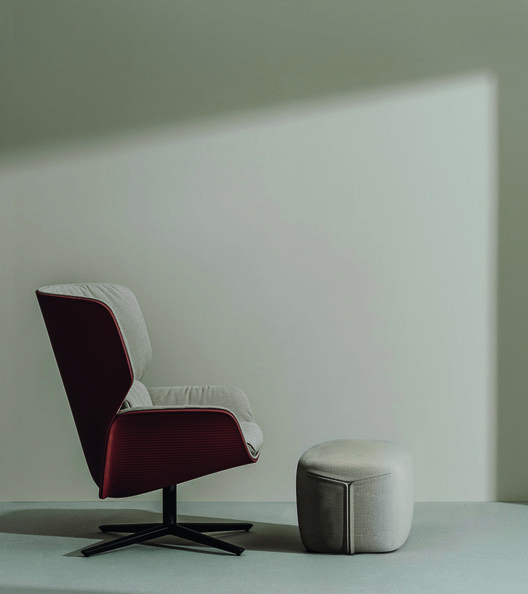
This is already evident in seating systems developed by Andreu World, where BIO® thermopolymer derived from the fermentation of natural microorganisms and plant-based additives supports both durability and consistency in open interiors that are constantly reconfigured. Building on biomaterial research developed in Asia, the material was further adapted for industrial production in Europe, linking experimental bio-based processes with the performance requirements of contemporary interiors. This development is part of a broader shift away from fossil-based production and toward renewable energy and carbon-neutral manufacturing, with products such as the Nuez Lounge BIO® armchair measured at a carbon footprint of 36.96 kg CO₂ eq (GHG, Scope 3, ex-works). In this context, material development extends beyond performance, aligning environmental impact with the spatial and functional demands of contemporary interiors.
Designing with Resilient Materials
In expansive interiors, a single chair might go unnoticed, but clustered across a space, it contributes to the atmosphere. Materials must withstand the friction of daily use while maintaining a visual softness over time. BIO® thermopolymer operates within this tension, offering the resistance required in high-traffic environments, replacing fossil-based materials and avoiding the rigidity often associated with plastics. The result is a material that can be used at scale without overwhelming the space, present enough to define it, but neutral enough to integrate within a broader palette of finishes.
For designer Patricia Urquiola, who collaborated closely with Andreu World to pioneer this material, this approach is rooted in a specific design attitude and a way of framing materials and palettes as elements that are expected to absorb use, change, and time within these environments:
I always think that the project I'm working on will be the best one, where the design and materials are anti-fragile and resilient.
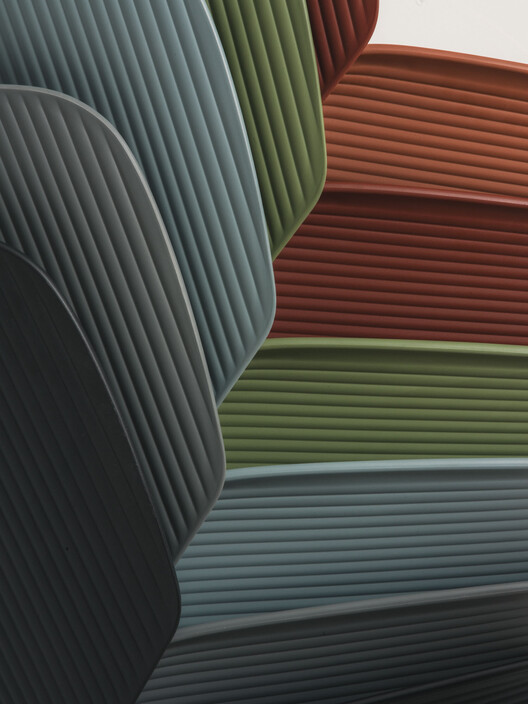
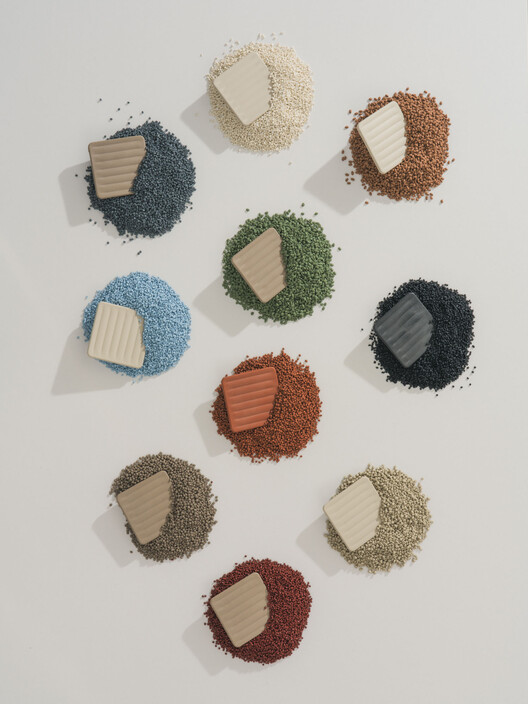
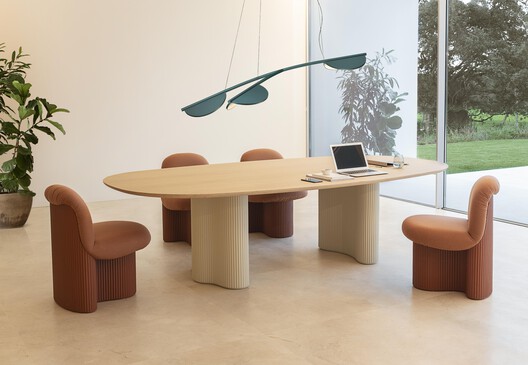
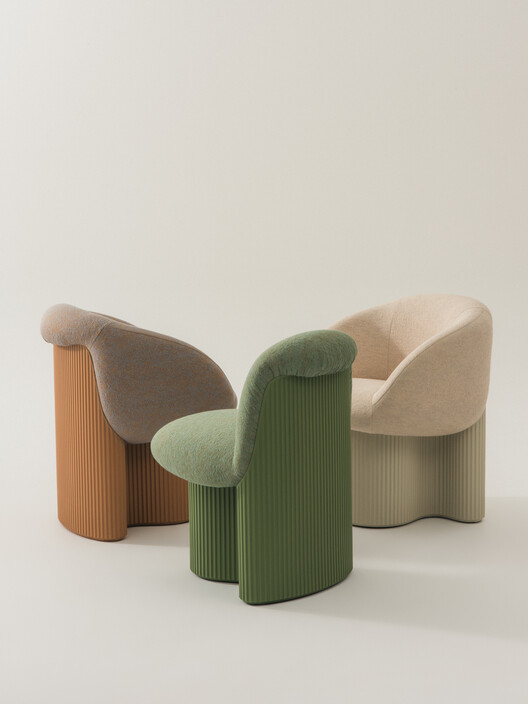
The palette she developed for BIO® thermopolymer leans into this approach: ten hues ranging from White, Sand, and Basalt Grey to Olive Green, Mist Blue, Terracotta, and Rust Red. Calibrated to sit within natural and architectural contexts, the tones echo materials such as wood, earth, or stone. Used strategically, the versatile material allows designers to build with layers of shades, with seating either receding or defining the space, depending on its role. A grouping of lighter shades maintains a quieter, more neutral field, while deeper, more expressive tones can anchor a more active zone. In the absence of solid boundaries, color begins to function as a spatial device, creating continuity across a space or introducing subtle distinctions between areas.
From an Individual Piece to a Spatial System
The spatial impact of these decisions becomes clearer through seating strategies that introduce flexibility into the interior. The Nuez Lounge BIO® armchair works through placement. Formed from a single piece of BIO thermopolymer, its compact, continuous form allows it to mark edges and boundaries, or form clusters within larger areas. It does not define space on its own, but through combination, it can generate rhythm and structure.
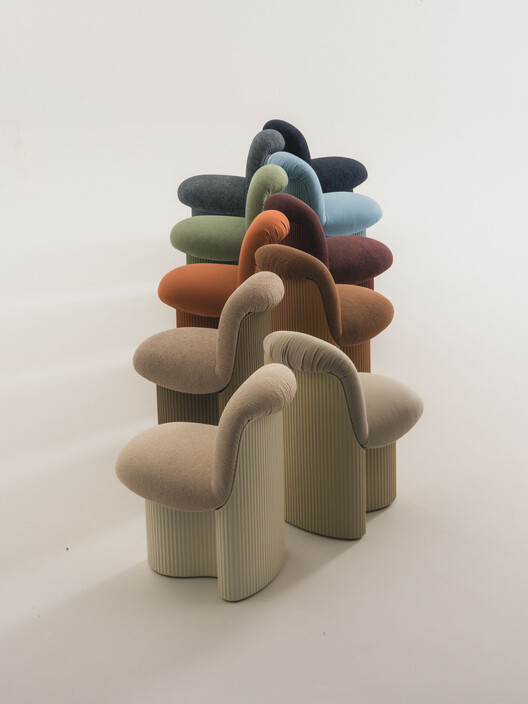
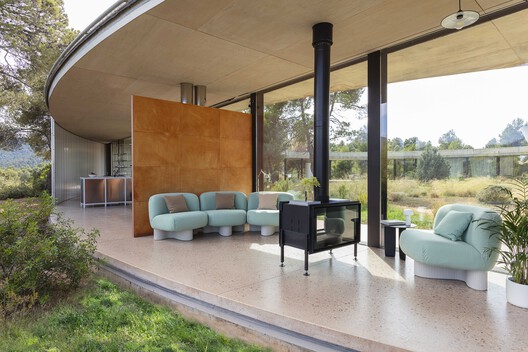
The Bolete collection, including the Bolete Lounge BIO® modular sofa for indoor and outdoor use, the Bolete Chair, and the Bolete Armchair, takes a more expressive approach. With a central base made from BIO® thermopolymer, its modular, rounded configuration allows it to extend from a standalone piece into larger curved compositions, shaping areas of use within open-plan spaces. In lobbies or shared workspaces, this can translate into informal meeting zones or waiting areas defined without being enclosed. The grooved texture adds another dimension, catching light differently throughout the day and introducing a subtle shift that helps break down the scale of larger interiors.
Circular Design for Open and Reconfigurable Environments
One of the underlying conditions of these spaces is change. Layouts shift, uses evolve, and elements are expected to adapt over time. A truly "resilient" interior is one where the furniture can be disassembled, repaired, or returned without leaving a trace. This is where construction and material logic intersect with spatial thinking. Seating systems, such as the Nuez Lounge BIO®, designed for disassembly without adhesives, allow components to be repaired, reupholstered, recycled, or reconfigured, supporting a more flexible approach to interiors that extend into long-term use. As Urquiola notes, the focus is on "simplified disassembly options that can extend the product's life cycle."
BIO® thermopolymer contributes to this not only through its environmental properties—recyclable, biodegradable, compostable—but through its ability to integrate structure, surface, and color into a single material. Fewer layers and components result in greater continuity over time.
In large, open interiors, space is shaped by a series of smaller decisions that work together, with seating as one element contributing to the overall architecture. Boundaries become less fixed, and spatial definition is distributed across multiple layers: material, color, texture, object, and placement.