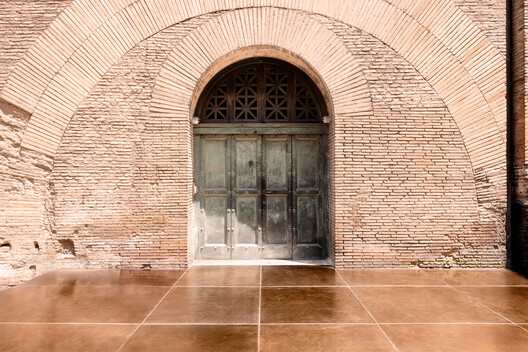
The Pantheon in Rome is globally known as a major tourist and architectural icon, a built testimony to both Greek culture and Roman technique, and a symbol of the Roman Empire. The monument was recently intervened upon by the Italian architecture studio STARTT (Studio of Architecture and Territorial Transformations). The project, titled Pantheon – Micro Architectures for Archaeology, was promoted by the Italian Ministry of Culture as part of a program of interventions initiated in 2019 to open public access to the archaeological areas of the Pantheon. STARTT's project represents the first phase of the program, focusing on opening a new entrance from the Pozzo del Diavolo, an area located behind the monument's Rotunda, allowing visitors to access parts of the building's archaeological fabric that were previously reserved for technical functions.
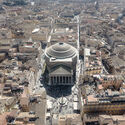
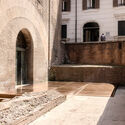
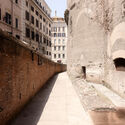
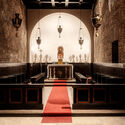
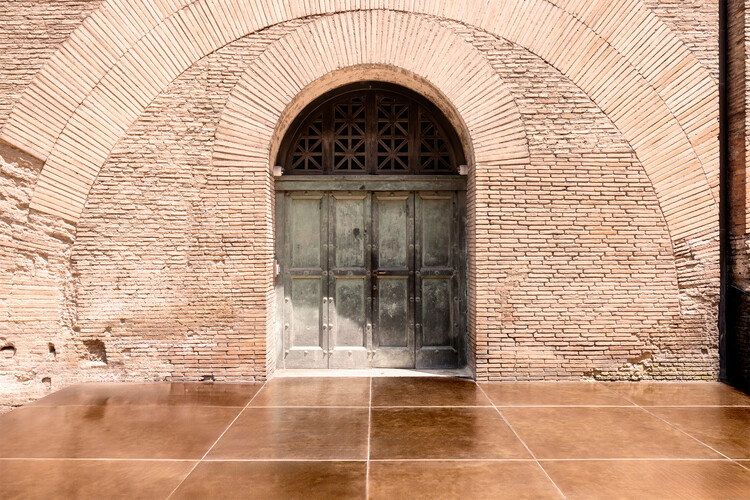
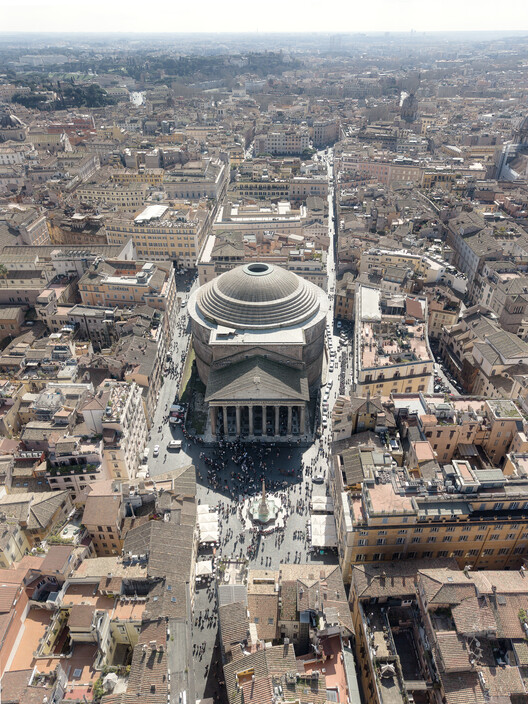
STARTT's work ranges from architectural design to urban and landscape projects, and the office has prior experience in transforming buildings of high heritage value for new cultural uses. This intervention at the Roman monument aims to make the Pantheon's former urban role perceptible to the public. The building originally formed part of a longitudinal urban system extending to what is now Largo Argentina. The Augustan Pantheon was composed of three elements: the Greek pronaos, the Rotunda, and the city behind it, with its institutions. This urban system was later demolished during the Kingdom of Italy, isolating the building to transform it into the mausoleum of King Vittorio Emanuele II. During these demolitions, the ruins of a structure that once stood next to the Pantheon were discovered: the Basilica of Neptune.
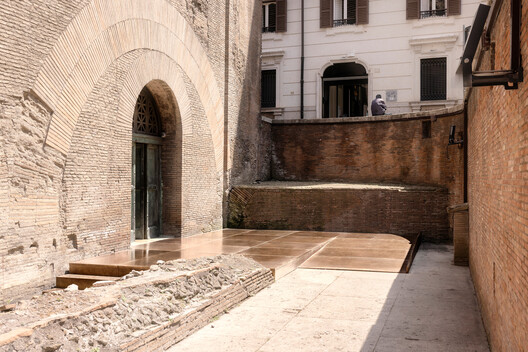
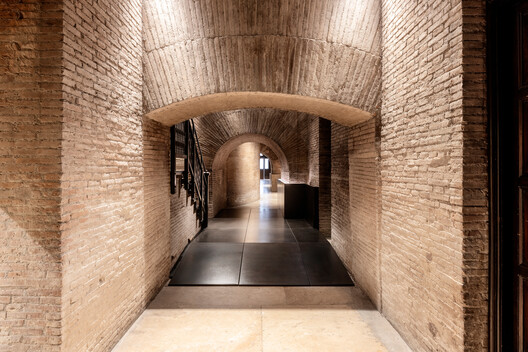
Around 2019, the city of Rome was addressing a high number of sinkholes. In this context, experts highlighted the fragile condition of the subsoil in the historic center, including the area surrounding the Pantheon. These investigations brought to light the extent of underground cavities and laid the groundwork for the creation of a public program that funded STARTT's intervention, conceived in 2020 and implemented in 2025. The program promotes not a structural renovation of the monument itself, but rather a careful treatment of the archaeological structures within its surroundings and urban context. This first phase provides access to the area defined by the buttresses (architectural supports built against the walls) that connect the Rotunda to the ruins of the Basilica.
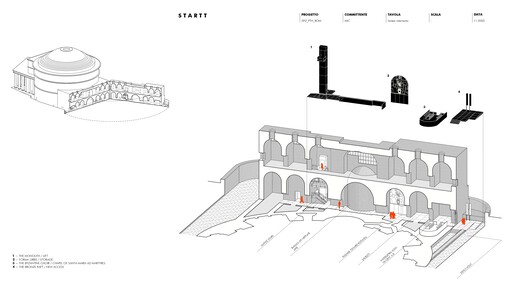
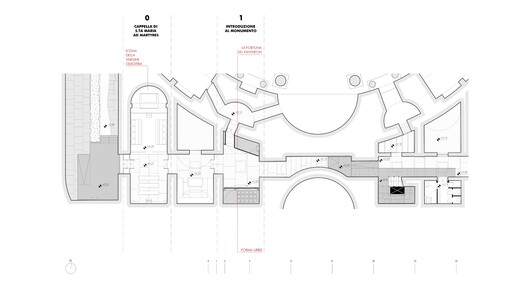
Pantheon – Micro Architectures for Archaeology introduces a new visitor route, enhancing the original Roman spatiality compressed between the cylinder of the Rotunda and that of Neptune's apse, and articulated by the structural layout of the buttresses. These spaces contain the chapel of the Basilica of Santa Maria ad Martyres, which preserves the earliest Byzantine icon in Rome, as well as fragments of the architectural fabric from various historical phases of the Pantheon and remains of the Basilica dedicated to the god of the sea. STARTT's project operates within this space between two curves through interventions conceived to respect the ancient materiality.
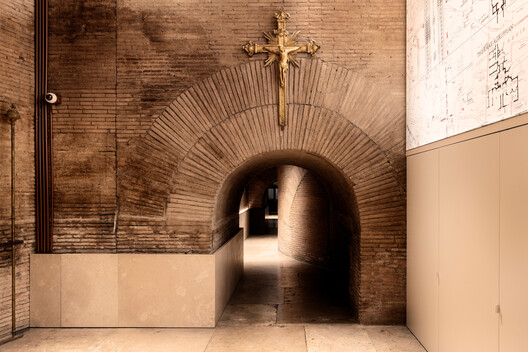
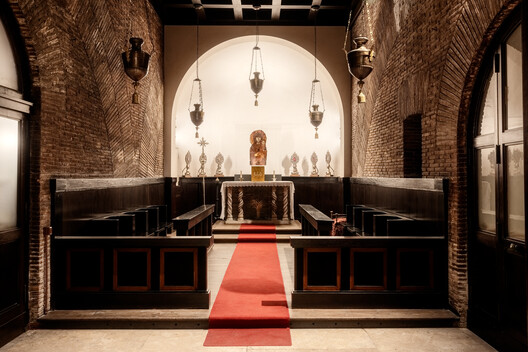
The project's micro-architectures are minimal elements, distinguishable within the archaeological context through contrast. Steel plates, treated using contemporary production processes, stand in contrast to the brickwork and concrete of ancient Rome. A new elevator, conceived by STARTT as a sculptural monolith, provides access to the upper level of these spaces, where the Italian Ministry of Culture has installed a multimedia display dedicated to the history of the monument. The office's approach to the project is one of a definition of adaptive reuse through the addition of a non-invasive, inclusive route aiming to be accessible to all users.
Other recent heritage-related announcements include the reopening of Frank Lloyd Wright's Fallingwater following the completion of a three-year preservation project. London-based architecture practice Orms has been appointed to lead the redevelopment of the city's BT Tower, one of the country's most recognizable postwar landmarks, set to be converted into a hotel. Among the devastating news from around the world, numerous heritage sites have been damaged to the cultural infrastructure of global value, in the context of the recent war being waged by the United States and Israel against Iran and Lebanon..


