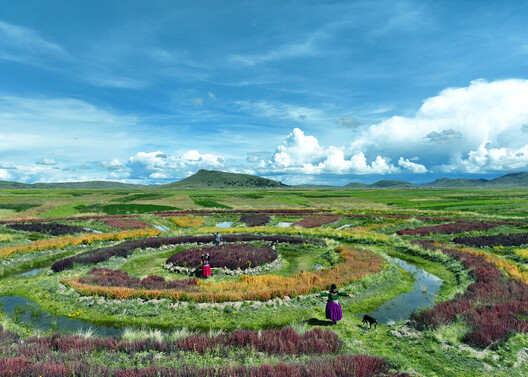
The United Nations' International Mother Earth Day, observed annually on April 22, aims to "promote harmony with nature and the Earth." In light of the urgency posed by climate change, it seeks to raise awareness of the challenges of preserving all forms of life supported by the planet. It is a call to the global community to safeguard biodiversity while striving to balance economic, social, and ecological systems. Crimes against biodiversity include large-scale practices such as deforestation, land-use change, intensified agriculture, livestock production, and illegal wildlife trade, all considered by the UN to be accelerating factors in the destruction of the planet.

Ecosystems, ecological systems involving the interaction of living organisms with their non-living environment, can be categorized into five geographical regions characterized by specific climate conditions, soil types, flora, and fauna: aquatic, grassland, forest, desert, and tundra. From an architectural and construction perspective, most disciplinary efforts are concentrated in urban environments, with both large- and small-scale initiatives aimed at sustaining different forms of life in a world where the global population exceeds 8 billion. Of this population, nearly 55% live in cities according to the UN, or up to 85% according to the European Commission, depending on the definition of "urban."
On International Mother Earth Day, we present a selection of articles exploring strategies and insights on biodiversity conservation at the local level, focusing on often-overlooked water bodies as ecosystems, as well as community-based and traditional practices.
Urban Rewilding: Localized Interventions for Significant Impact
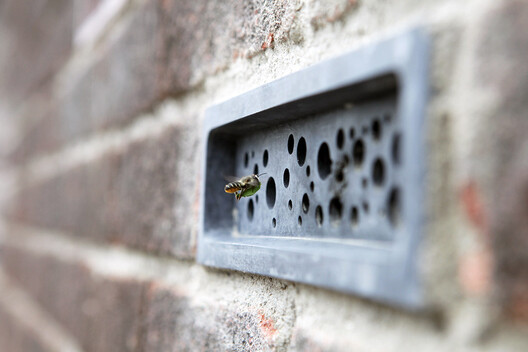
On January 29, 2026, the Scottish Parliament passed a law requiring that new buildings in Scotland include swift bricks for nesting birds. These hollow construction bricks feature a small entrance hole and an internal cavity that mimics the spaces in older buildings where swifts traditionally nested. On a similar scale, an initiative called EggNest, by designers Chaewon Lee, Zay Kim, and Jungmin Park, uses biodegradable materials to create pollinator habitats in cities. Built from a composite of crushed eggshells and soil, it forms a porous structure that mimics natural environments for butterflies, flowers, and moss, creating a small-scale ecosystem. This adds to a growing range of efforts to develop biodegradable materials that integrate into, or disintegrate within, their surroundings, create habitats for previously unrecognized species in urban environments, and transform city spaces to promote and educate about biodiversity.
Bugs, Bees, and Trees: How to Integrate Biodiversity in the Built Environment
Designing for Coexistence: The Invisible City of Bees
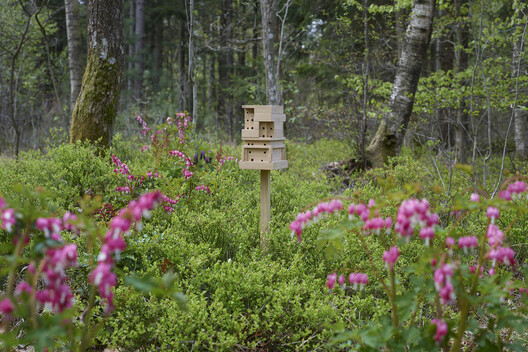
Co-Designing with Nature: How Communities Are Becoming Stewards of Urban Biodiversity
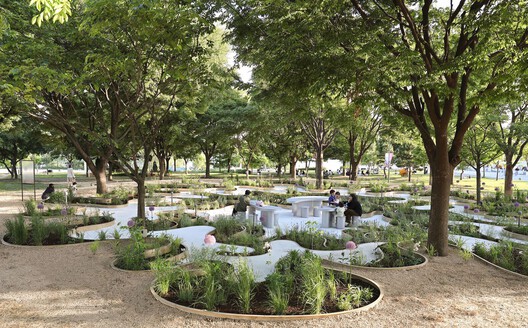
Restoring Water Systems: Preserving Aquatic Life Beyond Human Consumption
While the concept of a water crisis typically focuses on scarcity for human consumption, a broader perspective requires considering entire ecosystems and all the life forms they support. An aquatic ecosystem is a community of living organisms (plants, animals, and microorganisms) interacting with their non-living environment within a water body. Aquatic biomes include freshwater systems such as lakes, ponds, wetlands (standing water), as well as rivers and streams (flowing water). Other aquatic ecosystems include marshes, swamps, bogs, estuaries, and vast marine environments such as intertidal zones, oceanic zones, neritic zones, kelp forests, and coral reefs. Covering roughly 70% of the Earth's surface, these ecosystems are essential to biodiversity both in and out of the water, providing critical functions such as natural filtration and flood control.
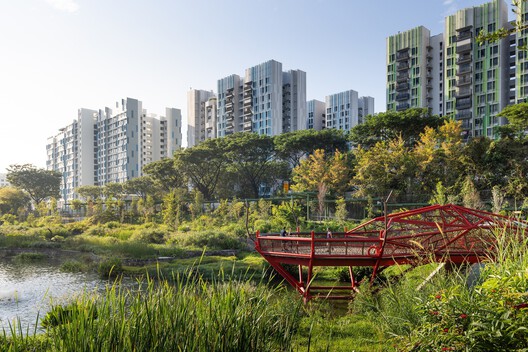
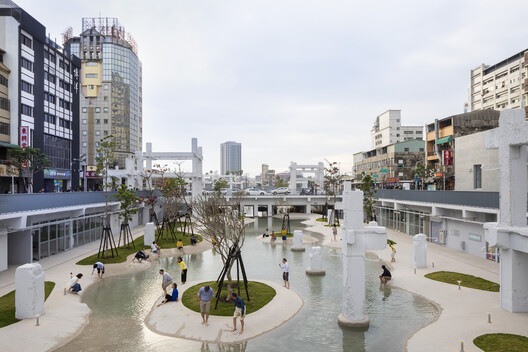
Revitalizing Urban Ecosystems: 4 Projects Reconnecting Cities with Their Water Heritage
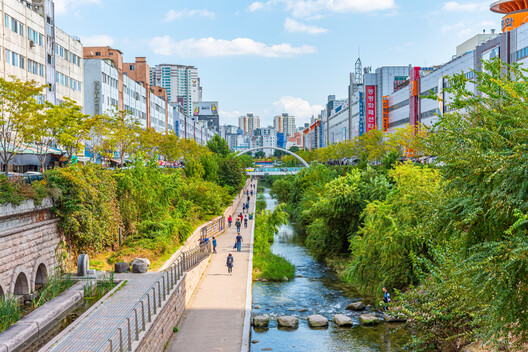
Re-Naturalization of Urban Waterways: The Case Study of Cheonggye Stream in Seoul, South Korea
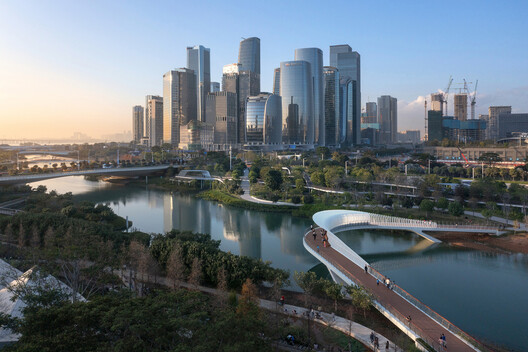
Absorb, Filter, Store: 9 Projects Showcasing How Sponge Cities Adapt to Climate Challenges
Heritage, Ancestral, and Community-led Approaches to Preserving Life on Earth
On Tuesday, April 21, UNESCO, together with 20 research organizations, completed a first-of-its-kind study on the conservation status of listed sites, including World Heritage sites protected for their cultural or natural value, biosphere reserves, and global geoparks recognized for their geological significance. The results show that these 2,260 sites, covering more than 13 million square kilometers, host an exceptional level of biodiversity, containing 60% of known species, including about 40% found nowhere else on Earth. Many of these sites serve as resting and feeding grounds for migratory birds and insects. World Heritage sites are also recognized as repositories of ancestral knowledge about the relationship between humans and the environment, providing habitats for a wide variety of species and serving as reference points for diverse ways of life. While highly beneficial for wildlife, these sites are increasingly under threat from pollution, habitat destruction, climate-related disasters, and invasive species.
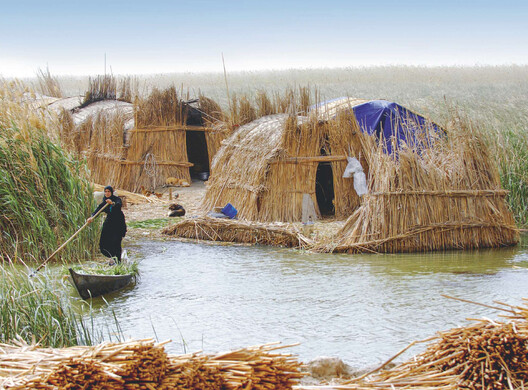
Exploring Indigenous Wisdom: A Journey through Architecture Rooted in Tradition and Community
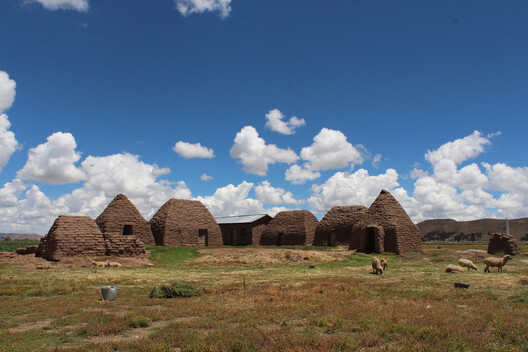
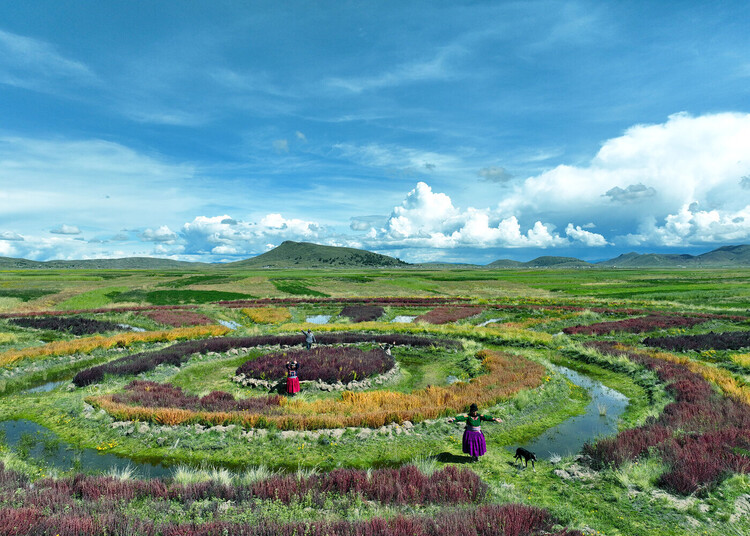
Lo-TEK: Reclaiming Indigenous Techniques to Work with Nature
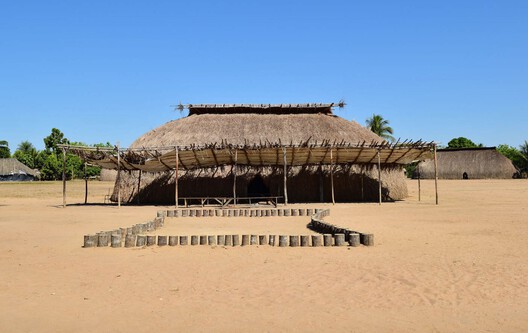
Materials and Construction Techniques of Brazilian Indigenous Peoples as a Future for Architecture
Explore ArchDaily's previous articles on International Days in 2026: World Health Day, International Women's Day, World Hearing Day, World Day of Social Justice, World Wetlands Day, International Day for Clean Energy, and the International Day of Education.


