

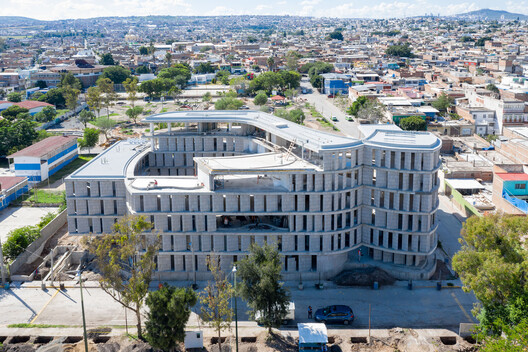
Today's housing crisis is a global phenomenon that can be broadly divided into two major problems: a shortage of residential buildings and barriers to accessing those that already exist. The deficit is real and concrete when it comes to what the UN calls "adequate housing for all." According to UN-Habitat, an estimated 96,000 new housing units would need to be built per day to meet population needs by 2030. Climate change and forced migration are broadening the gap. But 2.8 billion people worldwide, representing nearly 40% of the global population, lack access to stable shelter, secure land, and basic sanitation services not only because of underproduction, but also due to an economic barrier: an affordability crisis. As demand grows and prices rise, housing, now increasingly functioning as a form of social security, becomes a target for rental income and real estate speculation. As adequate housing is a human right, pressure on governments and private entities is increasing worldwide to limit speculation and ensure fair access to existing dwellings. Below, we present four examples of initiatives in Spain, Australia, France, and the United States that aim to urgently expand housing access while limiting speculation.




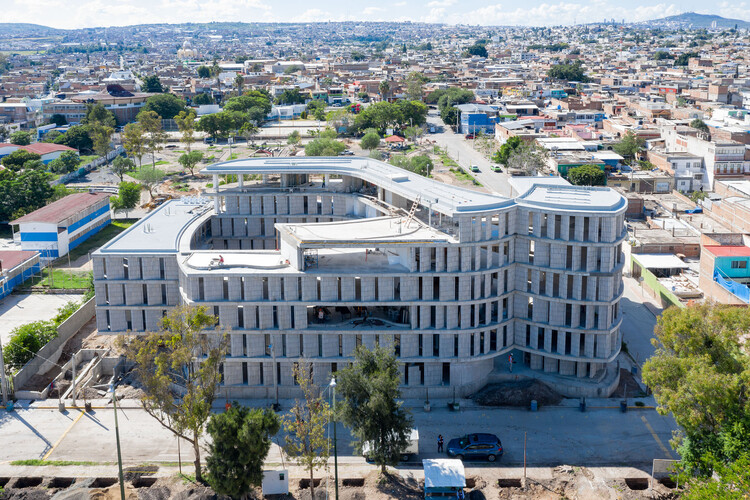
Community Organizes Against Tourism-Related Speculation in Granada, Spain

Community organisations and public protest have been driving forces behind recent public policy changes associated with land management, particularly in cities like Barcelona that are affected by overtourism. Last Saturday, March 14, two protest marches took place in Spain. The first was organized by the Málaga Tenants' Union in support of the residents of the building at Avenida Europa 15, while the second was called by the Granada Housing Union in response to the sustained rise in rents. Granada, renowned for the Alhambra palace complex, is the fourth most expensive city in Andalusia in terms of housing prices and the one where prices have risen the most over the past year. This increase follows more than five years of continuous growth; since 2021, housing prices in the city have risen by 34%. Housing unions in Spain are intervening in public space to protest against the lack of protection for residents in areas facing mass tourism and increased holiday rentals. Among the movements' main demands are rent control, curbing the gentrification of neighborhoods, and the expropriation of vacant homes owned by banks and investment funds.
New Bill Promoting Homeownership Opportunities Moves Forward in the United States
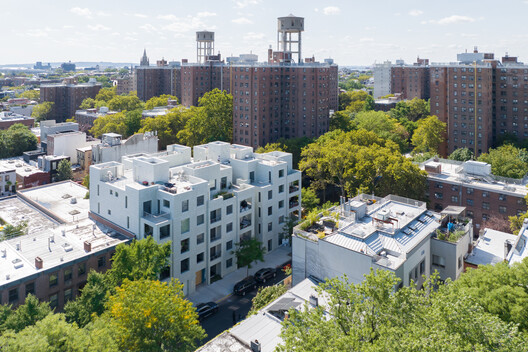
That concentration of ownership is one of the key issues that the 21st Century ROAD to Housing Act seeks to address in the United States. The bill was passed on March 12 in the United States Senate by a large majority and is organized into 10 titles, including measures to improve financial literacy, build more housing and expand the housing manufacturing industry, and promote homeownership opportunities for families rather than corporations. The bill was introduced in 2025, and now that it has been approved by the Senate, it moves to the United States House of Representatives, the second chamber of Congress that makes federal law. Both chambers must pass the identical final version of the bill before it goes to the President for signature. The legislation would update the HOME Investment Partnerships Program, the federal government's largest affordable housing construction program, by expanding annual grants, streamlining funds for workforce housing, and initiating a pilot program to transform vacant buildings into residential units. It also targets regulatory requirements, including costly demands affecting modular and prefabricated housing, as well as new single-family and multifamily developments.
Paris Advances Redevelopment of Underoccupied Office Buildings in La Défense
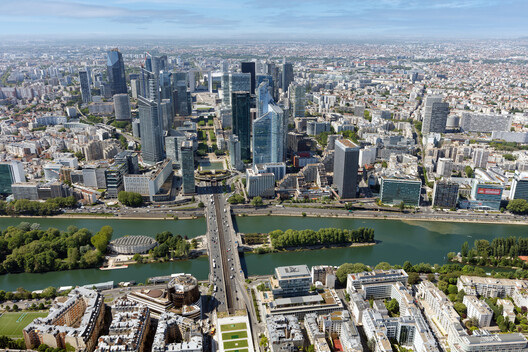
Another important role of legislation is to shape both the management of existing infrastructure and land-use zoning. Paris is also looking toward transformation through a new proposal for La Défense, Europe's first office district, located west of the capital. The idea was presented by the zone's public land developer at MIPIM Global Urban Festival and was prompted by current vacancy levels in the area, estimated at 536,000 square meters in 2025, representing 14.5% of the total built area. The proposed redistribution would integrate between 1,700 and 3,000 student housing units by 2040, in addition to 1,200 to 2,850 apartments for general use. The proposal aims to revitalize a declining neighborhood and increase housing supply by reusing existing buildings in one of the world's most expensive cities for renters. While the costs of renovation are still being assessed, La Défense's transformation has already begun with the selection of RSHP's Rives de Seine project, which aims to transform an 8-hectare site at the western edge of the business district into a low-carbon mixed-use neighborhood.
Nightingale Housing Advances a New Model for Nonprofit Housing in Australia
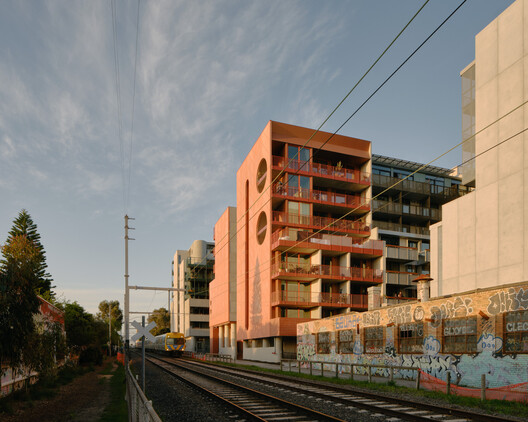
Finally, looking ahead, new approaches to housing management and construction may reduce the number of units subject to real estate speculation. Furthermore, new models for homeownership, centered on the act of construction and adequate living as a human need, allow the housing industry to shift its place within our culture, one better suited to meeting basic needs than serving as a consumer good. In Australia, an organization that began with a prototype by a small group of Melbourne architects is now developing nonprofit housing across the country. Nightingale Housing, a registered charity working on Wurundjeri Country, was founded in 2007 and completed its first housing project in 2013. After exploring several models to establish a not-for-profit structure, the organization's aim is "reorienting the housing market to focus on good housing outcomes for those historically locked out of homeownership." In this model, being a charity means that apartments are provided "at cost," with limits on subsequent sales and rentals, ensuring that any residual revenue (which might otherwise be considered profit) is reinvested in new projects rather than benefiting individual shareholders.
In other news regarding access to housing, Europe's major tourist cities are adopting new policies to phase out short-term tourist rentals, not only in Barcelona but also through stricter limits in Thessaloniki and Lisbon. For their work advocating systemic change in architecture, HouseEurope!, a European Citizens' Initiative promoting new EU laws to create equal conditions for existing buildings and reduce demolition, received the 2025 OBEL Award under the theme "Ready Made." The Austrian Pavilion at the 2025 Venice Architecture Biennale also focused on migration and affordable housing, comparing social housing models in Vienna and Rome and creating a space for sharing ideas on better living for all.


