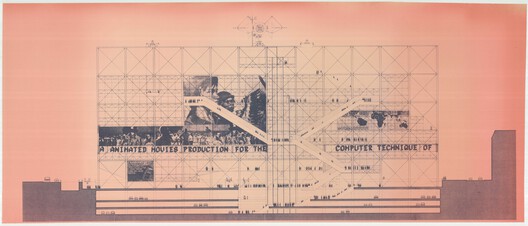
On January 30, an exhibition entitled "Concours Beaubourg 1971: Une mutation de l'architecture" opened in Paris, showcasing archival material from the competition that resulted in the selection of the current Centre Pompidou, designed by Renzo Piano and Richard Rogers between 1969 and 1974. In view of the building's recent closure for renovation, approximately 100 archival documents, including some never before exhibited from the Centre Pompidou's collections (plans, drawings, photographs, models, etc.), are on display at the Académie d'Architecture at Place des Vosges until February 22, 2026. Co-produced by the Académie d'Architecture and the Centre Pompidou, with support from the École nationale supérieure d'architecture de Saint-Étienne, the exhibition presents alternative, imaginative, and sometimes unbuildable proposals for the building. It offers a review of a fertile period in architectural history, highlighting the lasting effects of the "Beaubourg competition" on the discipline and profession.
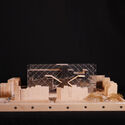
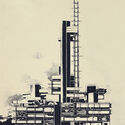
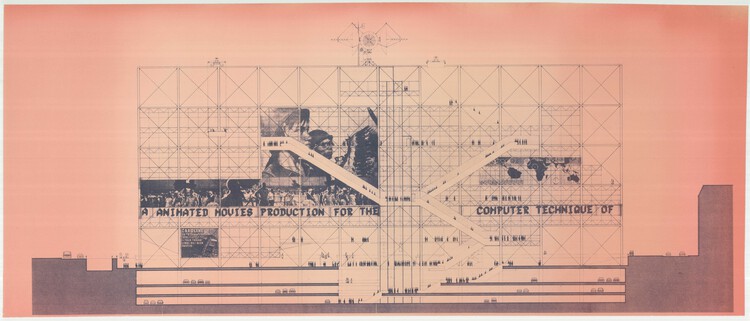
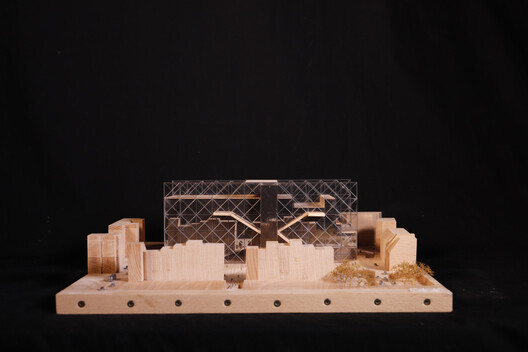
In July 1971, the jury of the international architecture competition for the future Centre Pompidou, chaired by architect and engineer Jean Prouvé, selected the project by the team comprising Renzo Piano, Richard Rogers, Gianfranco Franchini, and engineers from Ove Arup & Partners as the winning entry. According to President Georges Pompidou, diversity of views was one of the competition's key objectives, which was not reserved for established firms but instead allowed emerging talents from around the world to submit their work. The final project was selected from among 681 entries, submissions that crystallized the principal schools shaping architecture at the time, including preservers of the Beaux-Arts tradition, defenders of Expressionism, emissaries of Modernism, proponents of post-war megastructures, and young representatives of avant-garde movements.
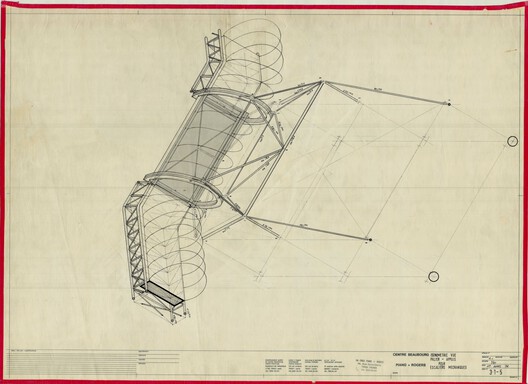
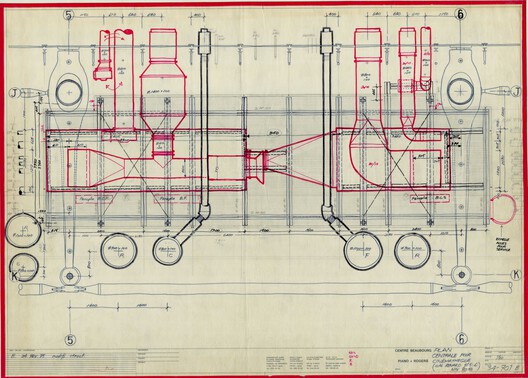
Featuring previously unseen archival materials, the exhibition presents around forty project submissions from architects such as Jean Nouvel, André Bruyère, Claude Parent, Luc Zavaroni, Andrault & Parat, and Henry Pottier. According to Hugo Trutt and Boris Hamzeian of the Centre Pompidou's architecture department, the overview of proposals demonstrates how the winning team "challenged not only the classical model of cultural institutions in Paris, but the very role of the architect—bringing together a multidisciplinary team that fused architecture, engineering, construction, and high technology in the spirit of so-called 'Total Design.'"
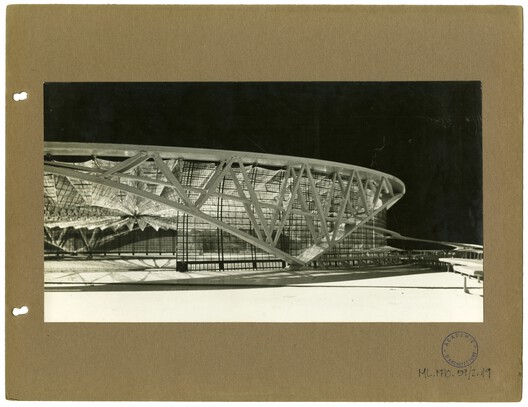
The exhibition presents André Bruyère's giant egg, a boldly ovoid museum resting atop a three-storey base. Driven by a philosophical interest in pure curvature and a desire for a large, uninterrupted interior, the project sought to house the programme within an iconic form. Claude Parent's double pyramid reimagined the museum as paired monumental forms, one rising like a landscaped tumulus above ground, the other echoing beneath, as an exploration of the "oblique function" and sloping geometries influenced by Paul Virilio's theories and Brutalist precedents. Luc Zavaroni's flying saucer carried a distinctly "space age" aesthetic, proposing a suspended structure elevated more than fifty metres above ground, evoking the era's fascination with rockets and extraterrestrial design despite its impractical structural implications.
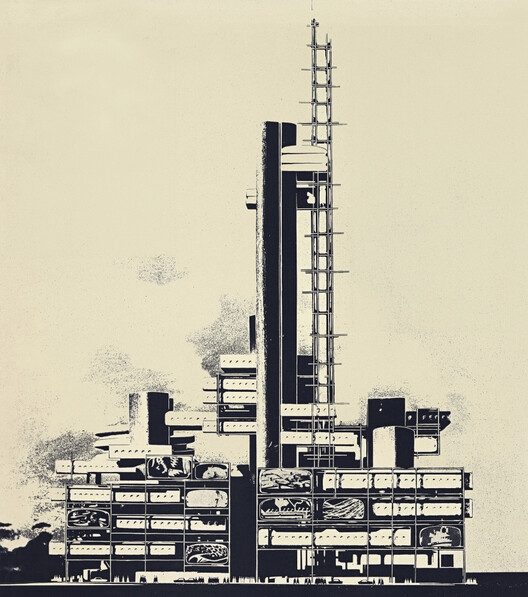
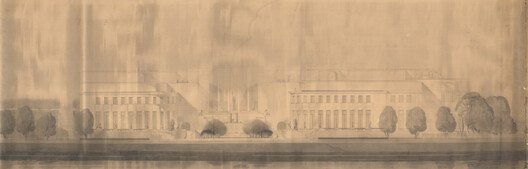
The other three entries highlighted divergent approaches to form, circulation, and structural logic. Jean Nouvel's student project, co-drawn with François Seigneur, unfolded a network of tentacular galleries that challenged classical museum typologies, suggesting a fractal spatial condition. Michel Andrault and Pierre Parat's bid emphasized programmatic clarity and structural play through two lateral wings and a monumental spherical entrance, balancing mass and lightness while foregrounding visitor movement through carefully considered circulation diagrams. Henry Pottier's lattice-based platform integrated independent modules within a metal frame, culminating in a towering panoramic restaurant. The proposal aligned with Georges Pompidou's interest in verticality and referenced the structural logic of the Fun Palace, while remaining closest in spirit to the winning design.
Other recent event announcements include the imminent public opening of Brazilian architect Eduardo Longo's Casa Bola in São Paulo, a futuristic spherical residence that will be featured as part of the ABERTO5 exhibition from 7 March to 31 May 2026, highlighting experimental approaches to domestic spatial design. ArchDaily's latest Building of the Year Awards revealed 15 winning projects from across 14 countries, representing global diversity in architectural achievement and community-driven recognition. In another recognition initiative, the American Institute of Architects (AIA) has elevated 78 architects to its College of Fellows, acknowledging members whose work has demonstrated a sustained impact on the discipline and society, including Frida Escobedo and Ma Yansong. Meanwhile, Concéntrico 2026 has selected three urban installation projects by teams from Italy, Chile, and Spain to be developed during the festival in Logroño from June 18–23, 2026.


