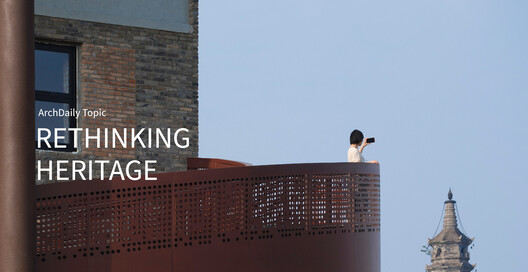
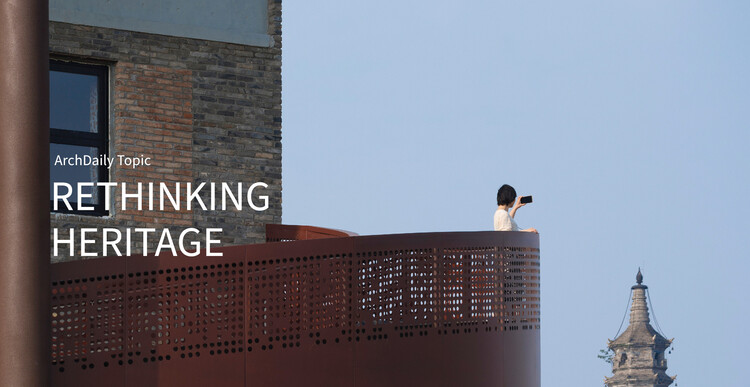
"We know we are not born to die," often said Brazilian architect Paulo Mendes da Rocha. "We are born to continue." In architecture, this idea of continuity lies at the heart of heritage, not as a static inheritance, but as something that endures, transforms, and is constantly reinterpreted. Yet what continues, and what is allowed to disappear, is never neutral. Decisions about preservation are shaped by power, memory, and value, raising a fundamental question for contemporary practice: who defines what is worth carrying forward, and for whom?


This month, ArchDaily explores Rethinking Heritage: How Today's Architecture Shapes Tomorrow's Memory, a topic that approaches heritage as a dynamic process rather than a fixed condition. As materials, interiors, and past aesthetics resurface in contemporary practice, the discussion moves beyond individual buildings to examine how memory, materiality, and collective use shape what is carried forward over time. Heritage, in this context, emerges not only through preservation but through transformation, reuse, and reinterpretation.
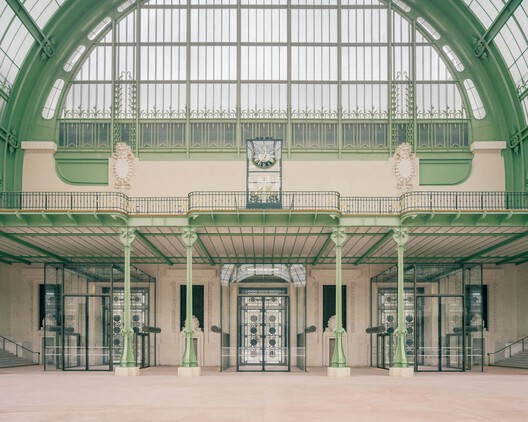
The coverage situates heritage within a wider transformation in architectural practice, shaped by circular design, adaptive reuse, and shifting perceptions of time and permanence. It asks whether materials such as concrete, stone, or craft can carry cultural meaning independent of the buildings they form, and how today's experimental, or even failed, architectures may become tomorrow's references. Across different geographies, the topic also explores how heritage ages differently, revealing that value is not universal, but deeply contextual.
Related Article
UNESCO Adds 26 New World Heritage Sites Highlighting African Heritage and Shared PrehistoryThe articles published this month will look closely at material memory, considering how construction techniques, surfaces, and processes of aging carry cultural meaning across generations. The coverage also examines heritage as a site of power, where institutional frameworks, political histories, and social inequalities shape what is protected, neglected, or erased. At the same time, the topic turns to interiors and aesthetics, from the return of specific spatial typologies to a renewed interest in postmodern and late-modern expressions, asking what their resurgence reveals about contemporary values.
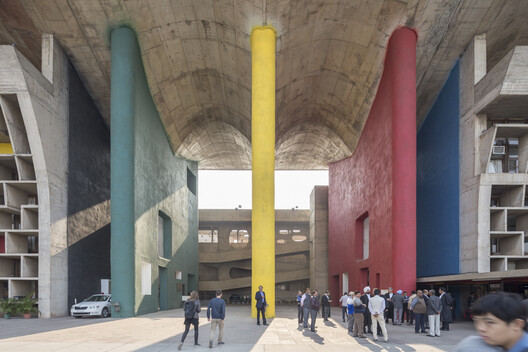
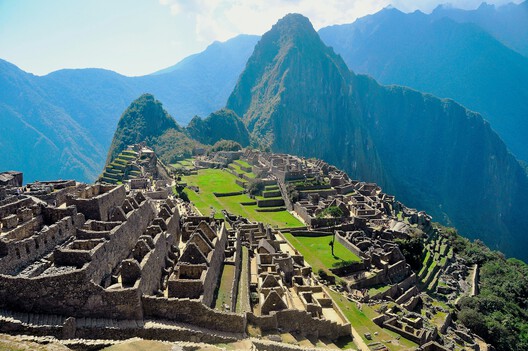
As these perspectives unfold, broader questions emerge: What aspects of today's architecture will be remembered in 50 years? When does preservation serve a community? When does transformation better honor the past? And how can looking at the past help us imagine more inclusive and optimistic futures?
This month's theme invites readers to reflect on how decisions around heritage preservation have shaped the built environment we inhabit today — what was protected, what was left behind and survives only in memory, and what from today's architectural production might endure as heritage in the future.
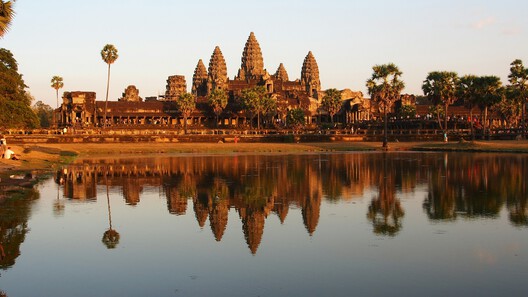
This article is part of the ArchDaily Topic: Rethinking Heritage: How Today's Architecture Shapes Tomorrow's Memory. Every month we explore a topic in-depth through articles, interviews, news, and architecture projects. We invite you to learn more about our ArchDaily Topics. And, as always, at ArchDaily we welcome the contributions of our readers; if you want to submit an article or project, contact us.


