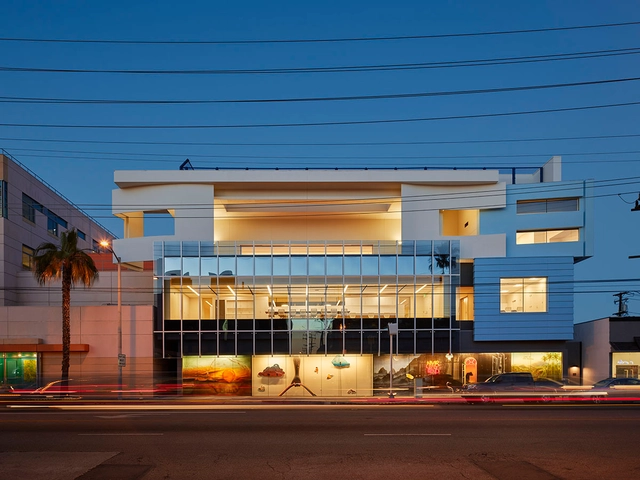
The LafargeHolcim Awards seeks leading projects of professionals as well as bold ideas from the Next Generation that combine sustainable construction solutions with architectural excellence. The 6th cycle of the international competition is open for entries until February 25, 2020. The Awards offer a total of USD 2 million in prize money and foreground projects and concepts from architecture, engineering, urban planning, materials and construction technology, and related fields.
https://www.archdaily.com/918109/international-lafargeholcim-awards-for-sustainable-construction-open-for-entriesSponsored Post
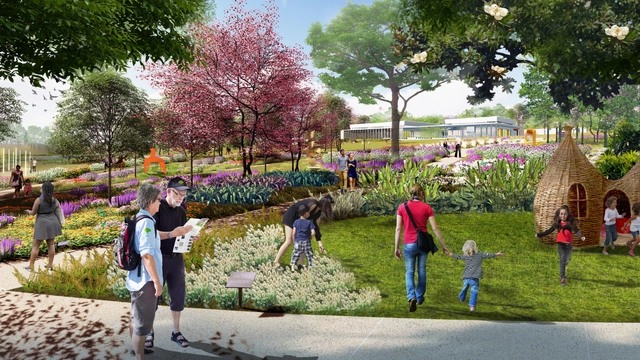
With the aim to create the self-proclaimed "Central Park of Lakeland," global design firm Sasaki is converting Bonnet Springs Park in Central Florida from a former CSX railyards property to an ecological hub. Initially, a vacant brownfield, the site is currently undergoing environmental remediation to tackle the years of industrial damage, with plans to be open to the public by 2020.
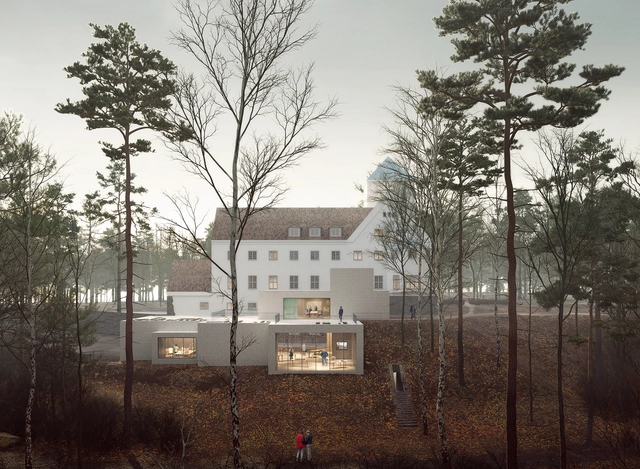
Exterior Visualization. Image Courtesy of Transborder Studio
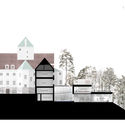
Transborder has announced their estimated completion date of 2020 for the extension to Oslo's Center for Studies of the Holocaust and Religious Minorities. The building, Villa Grande, was once the residence of the leader of the Norwegian Nazi Party during the invasion years. "This faceted legacy where important contributions to the appearance of the villa arose from a dark and hateful ideology, demanded a critical adaptation of the extension where one had to have a conscious attitude to historical layers of the building."
Mecanoo has released images of their competition-winning social housing proposal for the city of Kaohsiung, Taiwan. The 234-unit-scheme embodies Mecanoo’s philosophy towards social housing, “defined by flexibility, the right balance of private and communal spaces, mixing housing types, connection with the environment and identity.” Comprised of two buildings linked by a green canopy, the scheme is designed for a variety of users, including students, young families, the elderly, or people with special needs.
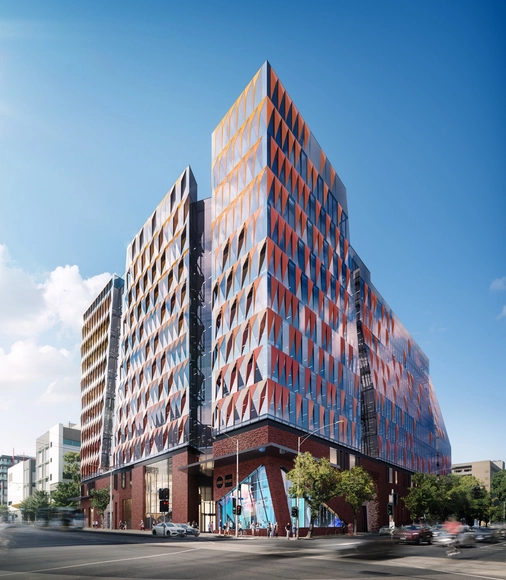
In partnership with Lendlease and the University of Melboure, Woods Bagot designed an architectural reflection of the university itself. Named the Carlton Connect Initiative, this masterplan will be a mixed-use precinct where not only university students and staff, but also international business professionals, researchers, and start-ups can come participate in idea exchange. In order to attract the best and brightest for the university, Woods Bagot is pursuing the highest standard of cutting-edge, sustainable design.
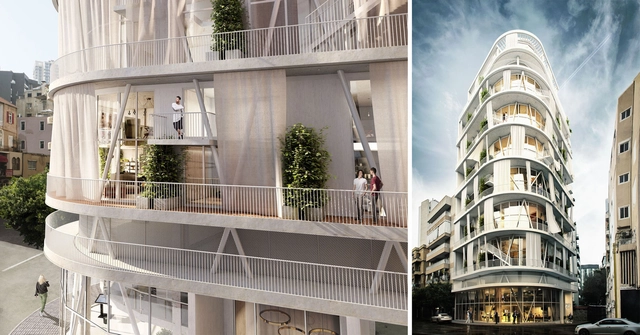
Beirut has seen an influx of wealth into the area ever since the end of the Lebanese Civil War in 1990. Large-scale developments and designer architecture from Herzog & de Meuron, Snøhetta and David Adjaye have been popping up throughout the capital, much like its Middle Eastern neighbors. Retro67 by Andrea Vattovani Architecture, together with local architects Plan Bee Architecture, will celebrate the appearance of the old town of Beirut and reinterpret the traditional stylistic elements with the modern flair that is becoming the city’s favored style.
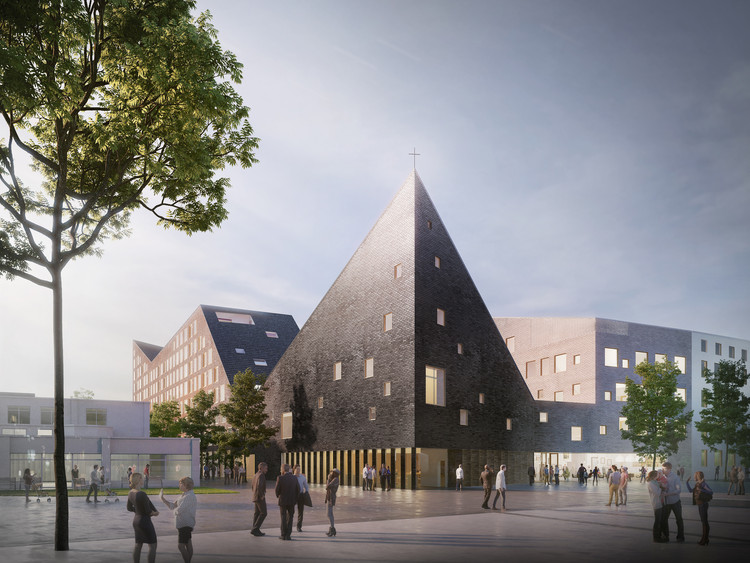
OOPEAA and Lujatalo worked together to design the winning proposal for a new multi-functional church and social housing project for Tikkurila, Helsinki entitled Church in the City. The project is unique in the way that the architect, builder, and client participated in a highly collaborative design process.
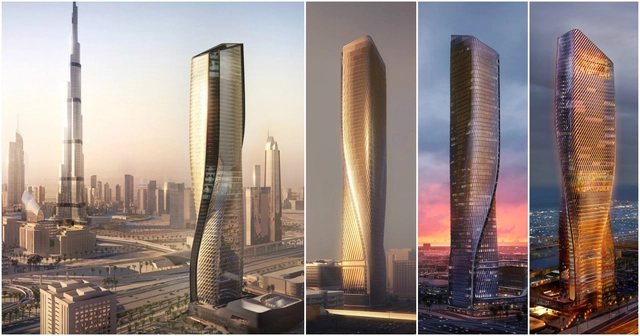
UNStudio, working in collaboration with Werner Sobek, have unveiled their designs for the Wasl Tower, a 300-meter tall skyscraper in Dubai. Centrally located along the main thoroughfare that connects the Emirates north to south, the Wasl Tower sits directly opposite the Burj Khalifa and, once completed, will feature one of the world’s tallest ceramic facades. Inspired by the movement of the city, the 300-meter supertall building takes on a "contrapposto" form, responding to the Sheikh Zayed Road along which it is sited.
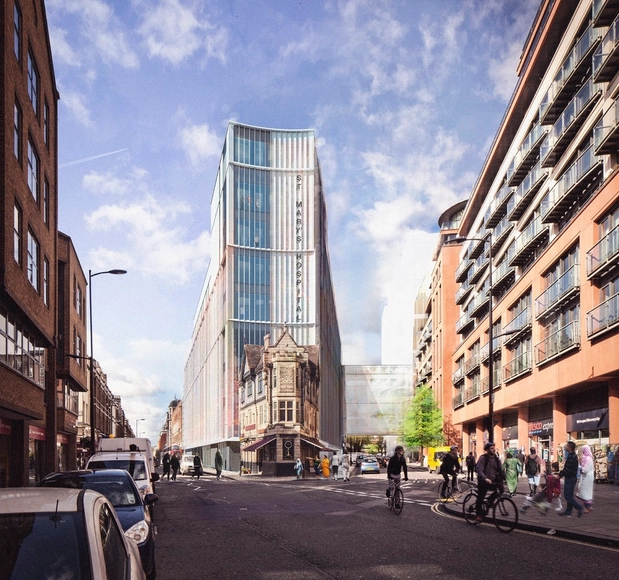
The Westminster City Council has granted planning permission for the New Outpatients Building at St Mary’s Hospital in Paddington, London. Designed by Feilden Clegg Bradley Studios, the 8-story building will consolidate outpatient services currently spread across 40 different locations into one comprehensive care center, increasing comfortability and ease-of-use for both patients and employees.
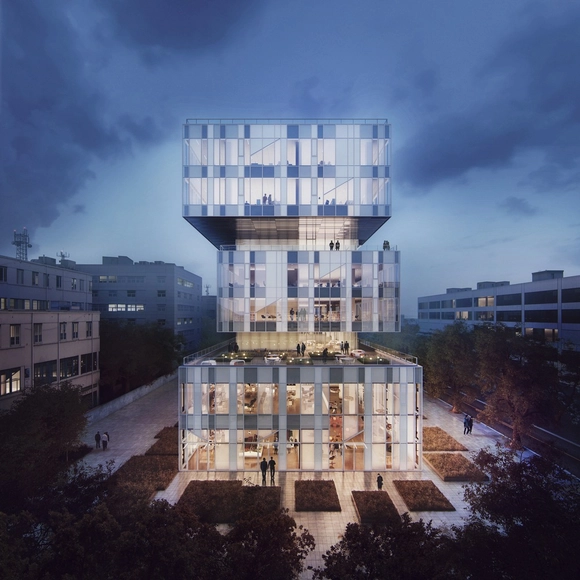
Schmidt Hammer Lassen Architects has revealed the design of the new CaoHeJing Guigu Creative Headquarters in Shanghai as the project breaks ground. Taking the form of three stacked glass volumes with terraces in-between, the center is devised as a series of indoor/outdoor shared spaces that will allow budding hi-tech firms to connect with local graduates and spur innovation of new technology in China.
Supported by the government, the project is sited on the edge of the Shanghai Caohejing Hi-Tech Park, a state-sponsored economic and technological development area located 9 miles (14.5 kilometers) east of downtown Shanghai. The CaoHeJing Guigu Creative Headquarters will add to the nearly 1200 domestic and international companies already operating in the Park.
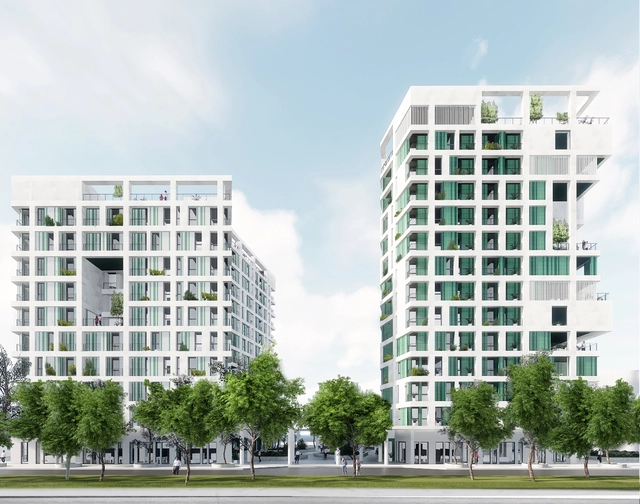
Peter Pichler Architecture has been selected as the winners of a competition to design a new residential tower complex in the town of Maarssen just outside of Utrecht, Netherlands. Called the “Looping Towers,” the scheme consists of two L-shaped residential towers that connect as their ends to create a figure-eight shape that is optimized for its site.
Located along a main artery connecting the cities of Amsterdam and Utrecht, the 35,000 square meter complex is envisioned as a “social engine” for the area, which is expected to grow significantly over the upcoming years. The scheme will contain approximately 260 apartments as well as a parking garage and an abundance of amenities, including a unique running track on the roof.
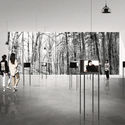
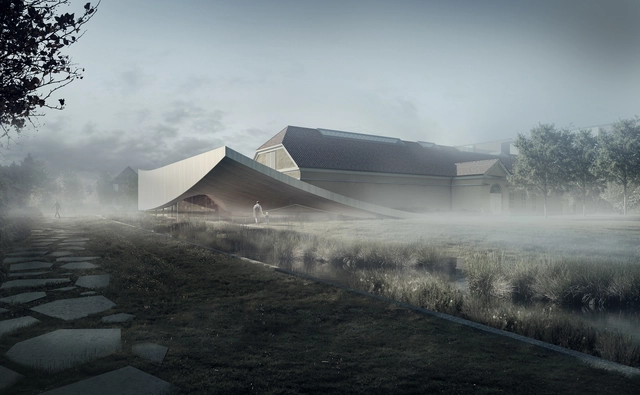
3XN Architects have released design plans for a new contemporary extension of the Historical Silkeborg Museum in Denmark. The museum houses some of the oldest and well-preserved bog bodies in the world: The Tollund Man and Elling Woman. Through the 1,858 square meter extension that includes a contemporary “roofscape” rising from the marshland, the design seeks to build a stronger identity for the museum through its architecture.
Aedas has unveiled its plans for Nansha Kingboard Free Trade Zone Mixed-Use Project, a new building sited at the starting point of the ancient Maritime Silk Road in Guangzhou, China.
Located on an irregularly shaped plot with views of the Jiaoman River and Phoenix Lake, the 80,762-square-meter building will be composed of a series of stacked geometric blocks in order to create varied silhouettes and capitalize on surrounding views.
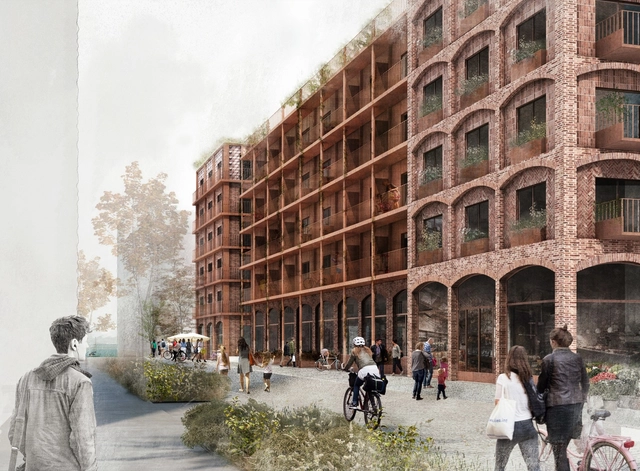
White Arkitekter with developer Midroc has won a competition for a new residential development to be located in the Royal Seaport district of Stockholm, Sweden. Drawing from the industrial history of the site, the buildings feature concrete ramps and rustic wooden floor treatments, and have been clad with brick facades and masonry arches to frame the street level and establish an identity for the community.
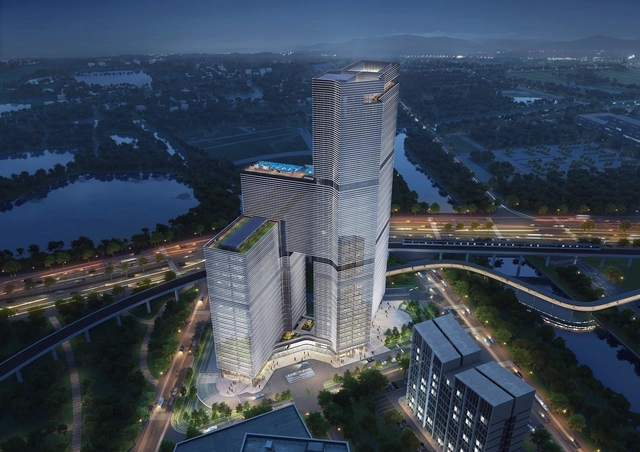
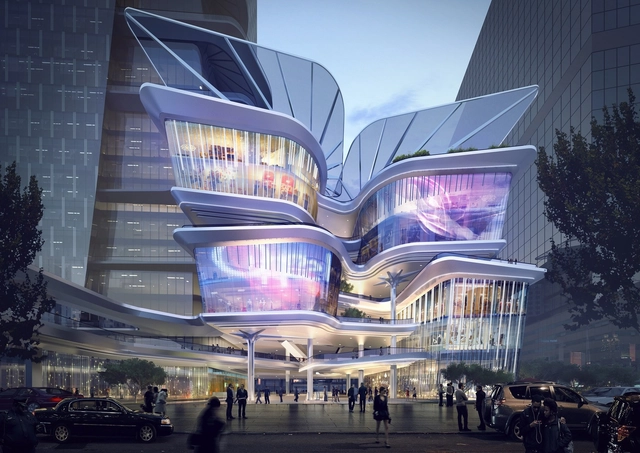
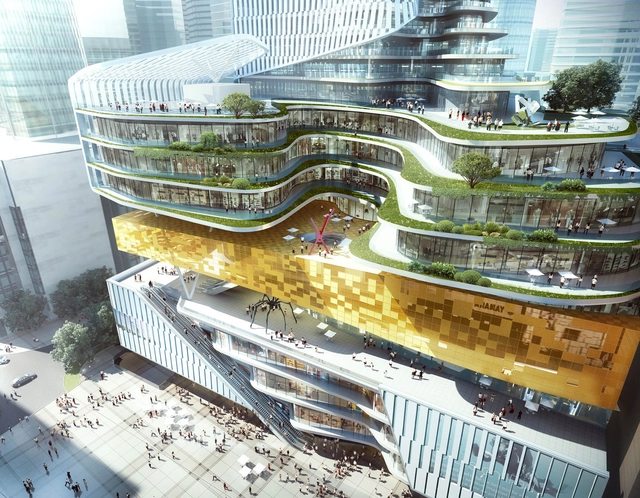
A department store in Shenzhen, China, is currently undergoing a major transformation into what the architect describes as an "a new sustainable and iconic design for the city." Designed by Aedas, the Shenzhen Luoho Friendship Trading Centre will include a new skyscraper and a "vibrant and porous" 7-story retail podium. Integrated landscaping and green balconies turn the development into an "urban oasis" in the heart of the city.
Aedas has unveiled the plans for its Chongqing Xinhua Bookstore Group Jiefangbei Book City mixed-use project, a complex of retail, residential, office, and hotel space with a Xinhua Bookstore at its core. Based on an ancient Chinese prose that states “knowledge brings wealth,” the project aims to integrate the concept of a book with the cultural elements of Chongqing to create an interactive commercial space.
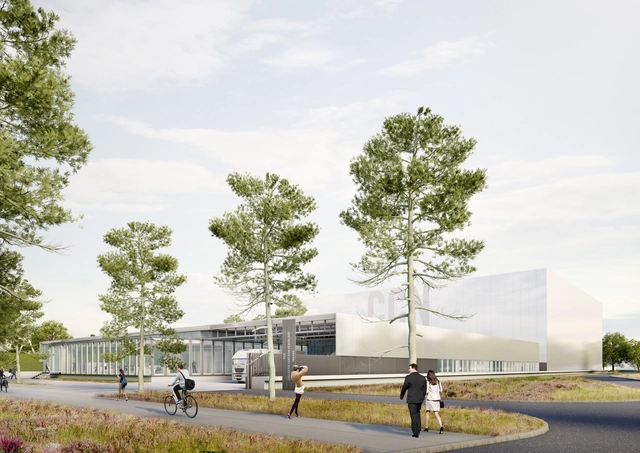
Four Dutch cultural institutions are collaborating to build a new repository for their vast national collections. The new Netherlands Collection Centre (CC NL) will be built in Amersfoort, east of The Hague, and will replace the current depositories belonging to Paleis Het Loo, the Dutch Open Air Museum, the Rijksmuseum and the Cultural Heritage Agency of the Netherlands, combining these collections in a central hub. With an area of 30,000 square meters, the building will house 675,000 objects, and is scheduled for completion in 2020.


.jpg?1559165657)